
Why “Trillionaire-Class” Buying Matters in 2025
In 2025, the ultra-elite treated luxury acquisitions less like indulgences and more like strategy. The “trillionaire class” attitude is evident: consumers want power, scarcity, cultural significance, and long-term worth, even though relatively few people actually possess a trillion dollars. As a result, the largest transactions of the year focused on assets that blend utility and status, such as blue-chip art, trophy real estate, and globally recognized franchises. This post frames the Most Expensive Luxury Acquisition 2025 conversation as a year-end roundup, not a rumor mill. It focuses on verifiable transactions, credible reporting, and consistent criteria. Moreover, it explains why the top purchase often signals more than wealth; it signals confidence in a category. By the end, readers should understand which acquisition types dominated, what pushed prices upward, and how elite buyers assessed “price” versus “power.”
What Counts as a Luxury “Acquisition”

A clean year-end roundup starts with definitions. A completed purchase (or announced sale) of a high-end asset with significant scarcity and cultural or financial signaling power is considered a luxury acquisition for the purposes of this assessment. That includes sports franchises, landmark homes, iconic artworks, and certain collectible categories. However, it excludes general market activity, unverified private deals, and “asking prices” without closings. Additionally, it separates valuation from cash paid. A franchise stake can headline at a $10B valuation, for example, even though the buyer pays for only a percentage. Therefore, the outline treats “most expensive” in two parallel ways: (1) the largest reported deal valuation and (2) the largest known cash outlay for a single luxury asset. This structure keeps the article accurate, Yoast-friendly, and useful for investment-minded readers.
Scarcity + Platform Value Beat Pure Glamour

Luxury buyers still love beauty, yet 2025 rewarded scale and platform value. In other words, buyers spent biggest on assets that unlock networks, pricing power, and long-term influence. Consequently, sports franchises and landmark assets drew attention because they deliver more than lifestyle; they deliver access. Reuters’ roundup of major 2025 sports-team deals highlights how valuations kept climbing, with marquee franchises reaching historic numbers. In the meantime, nine-figure closings in premium real estate persisted, and when the proper piece of art emerged, it continued to fetch outrageous prices. This section provides background information: the year’s “most expensive” deal showed a predilection for assets that act like private monopolies in their specialty rather than just riches.
Sports Franchises as the Ultimate Trophy Asset
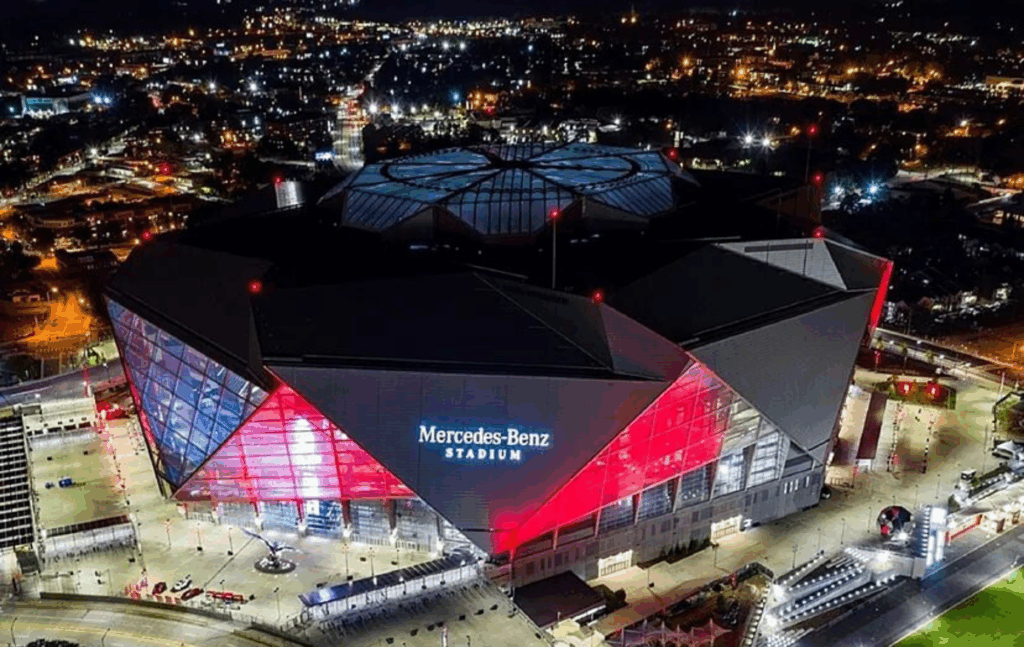
If you rank 2025 by headline valuation, major sports-team transactions dominate the conversation. Reuters reported a Los Angeles Lakers majority stake sale valuing the franchise at about $10 billion (June 2025), placing it at the top tier of luxury acquisitions by scale. This matters because franchises operate like global luxury brands: they monetize media rights, sponsorships, and identity-driven fandom at extraordinary margins. Moreover, owners gain elite social leverage—boardroom access, political proximity, and cultural permanence. In a “trillionaire class” framework, that blend of influence and asset durability beats many traditional luxury buys. For the post, you can position this as the year’s defining signal: the most expensive arena for prestige shifted toward platforms that compound power. That framing also supports the keyword naturally: the Most Expensive Luxury Acquisition 2025 may not be a yacht or mansion—it may be a brand ecosystem.
Trophy Homes Still Pulled Nine Figures

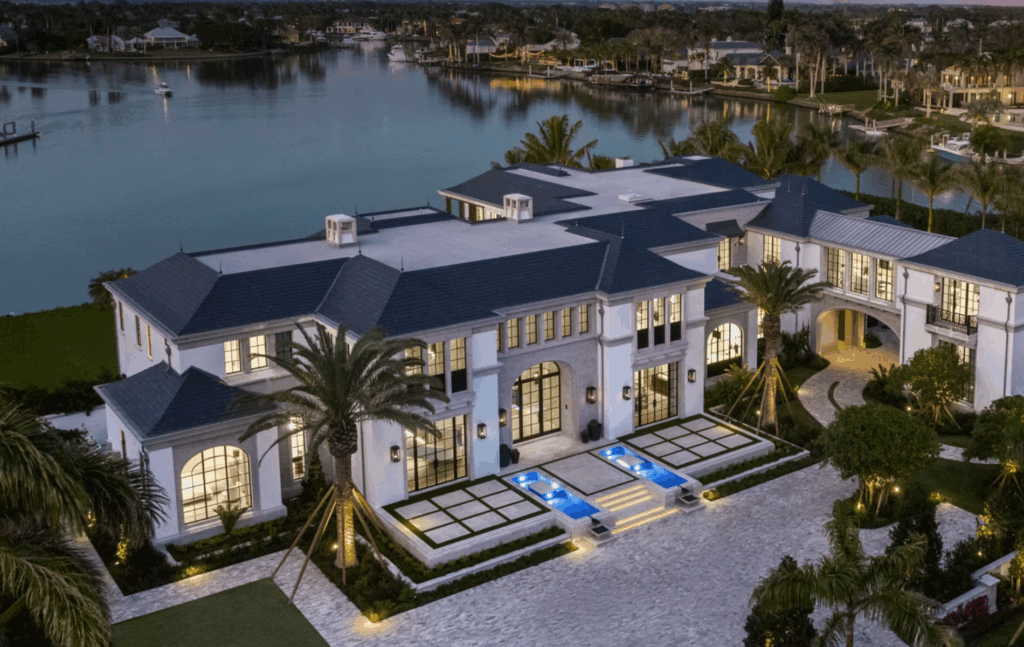
While franchise valuations grab headlines, trophy homes still delivered massive single-asset price tags in 2025. Redfin’s summary of the most expensive home sales reported a $133 million Florida compound as the highest-priced home sale of the year, with multiple $110 million deals close behind. Separately, Mansion Global reported billionaire Len Blavatnik’s $115 million oceanfront purchase (off-market) in the U.S. luxury market. This section can explain why the top of residential real estate stayed resilient: privacy, land scarcity, and lifestyle control still attract elite capital. Additionally, trophy homes now function as “infrastructure” for high-net-worth living—security, wellness, and hosting—so buyers justify prices beyond aesthetics. That logic aligns perfectly with Investment/Finance readers, because it ties lifestyle assets to portfolio behavior and long-term optionality.
When the Right Work Appeared, Buyers Paid

Art markets in 2025 showed selective strength: demand concentrated around exceptional works with unquestionable provenance and cultural gravity. Artnet described a year where buyers stepped in decisively for the right pieces, even as other segments softened. Meanwhile, Artlyst’s list of top 2025 auction results highlights a Gustav Klimt work achieving a reported $236.4 million at auction, signaling that “museum-grade” still clears at extraordinary levels. For this outline, emphasize a finance-friendly idea: elite buyers treat top art like a scarcity currency. They do not chase volume; they chase significance. Therefore, the art category belongs in any Most Expensive Luxury Acquisition 2025 roundup, even if the #1 slot goes to a franchise valuation. This section also sets up an easy transition into vetting, liquidity, and “why art behaves differently” from other luxury assets.
Why Verification and Provenance Set the Ceiling

Price at the top end depends on certainty. That rule applies to art, real estate, and collectibles, yet it matters most in categories with fraud risk and condition sensitivity. Therefore, a year-end roundup should briefly show how trillionaire-class buyers reduce downside: they pay for due diligence, documentation, and specialist advisory. In art, provenance and authenticity form the base layer. For homes, title clarity, zoning certainty, and discreet inspections protect value. Within franchise deals, governance rights and revenue structure determine the true asset. This section helps readers understand why one “expensive acquisition” can still be a bad buy if it lacks verified fundamentals. As a result, the post stays professional and investment-oriented rather than gossip-driven. It also boosts Yoast readability because it explains “how” in addition to “what,” and it keeps the narrative flowing with clear transitions.
Influence, Utility, Scarcity, and Liquidity

Trillionaire-class buyers typically rank acquisitions by four drivers: influence (does it expand reach?), utility (does it improve life or operations?), scarcity (can others replicate it?), and liquidity (can it exit cleanly?). This framework helps you compare a $133M home sale to a $10B franchise valuation without forcing apples-to-oranges math. For example, a franchise scores high on influence and brand compounding, while trophy real estate scores high on utility and privacy. Blue-chip art often scores highest on scarcity and cultural capital, although it can face liquidity constraints depending on market cycles. By using a consistent scoring lens, you make the year-end roundup feel rigorous and “finance-native.” Moreover, you can anchor the entire piece around this stack and repeatedly tie back to it, which supports Yoast structure and reduces repetition.
The Three Forces Behind the Biggest Checks

Three forces pushed 2025’s high-end acquisitions upward: constrained supply, global competition, and reputation economics. First, scarce assets became scarcer: trophy homes sit on irreplaceable parcels, and blue-chip artworks appear infrequently. Second, global wealth mobility increased the number of qualified bidders in every category. Third, reputation economics mattered more than ever: elite buyers want assets that communicate certainty, taste, and power under scrutiny. Consequently, assets with transparent narratives performed best—credible provenance, documented transactions, and clear differentiation. This section also offers a practical angle for Luxury Acquisition readers: price spikes rarely come from “luxury” alone; they come from scarcity plus story plus defensible utility. You can then transition smoothly into category-by-category highlights and explain why the year’s “most expensive” purchase emerged from that mix.
Real Estate, Art, Sports, and the “Experience Assets” Layer
A strong year-end roundup benefits from a clear structure. Here, you can present 2025’s categories as a ladder: (1) platform assets like sports franchises, (2) trophy real estate, (3) blue-chip art, and (4) experience assets like elite travel infrastructure or private collections. You already have hard data points for the first three categories from credible reporting. For the “experience assets” layer, you can discuss trends without overstating prices unless you can verify a specific closing. This approach keeps the outline honest while still offering breadth. Additionally, it supports your keyword goals because you can position each category as a contender for “Most Expensive Luxury Acquisition 2025,” then explain what qualifies and what does not.
How the Ultra-Elite Structure the Purchase

The ultra-elite rarely buy like consumers. Instead, they structure acquisitions through entities, advisors, and carefully staged negotiations. In franchise transactions, buyers weigh governance rights, minority protections, and long-term revenue dynamics. By contrast, real estate decisions emphasize privacy, security integration, and long-run carrying costs. Art acquisitions, meanwhile, focus on provenance, condition, and future exhibition pathways that enhance cultural value. Therefore, the “trillionaire class” buys in layers: acquisition, protection, and positioning. This section can also highlight why headline price never tells the full story. A $115M home becomes far more expensive after renovations, security, staffing, and opportunity cost. By explaining structure, you keep the post grounded in Investment/Finance—exactly what your category demands—while maintaining a professional tone and strong transitions.
Naming the Most Expensive Luxury Acquisition 2025

This is where you declare a winner—but you do it with disciplined framing. If you choose “by valuation,” Reuters’ Lakers deal valuation (~$10B) becomes the clear headline candidate. If you choose “by single-asset cash-style purchase,” the $133M Florida compound leads the real estate lane, while the Klimt result leads art by reported auction price. In the final article, you can name one overall “winner” and then list two “category champions” so readers don’t argue about definitions. This approach also boosts trust: you show your methodology, then you show your result. Importantly, you repeat the keyphrase naturally once here: “Based on verified reporting, the Most Expensive Luxury Acquisition 2025 by valuation came from the sports-franchise market.”
Where the Next Record Could Come From

A year-end review should end with forward-looking insight. Based on 2025’s patterns, the next record likely comes from assets that combine scarcity with a platform effect. Sports franchises fit that profile, especially as media rights and global fan monetization expand. Trophy real estate can still break records in ultra-constrained micro-markets, while blue-chip art can spike whenever a landmark collection hits the block. However, the key theme remains: buyers will pay most when the asset offers durable control and a story that holds up under scrutiny. Therefore, your conclusion can give readers a practical takeaway: watch scarcity, watch access, and watch provenance. Those three signals typically predict where the biggest numbers will land next.
A Clean, Verifiable Year-End Roundup for Serious Buyers

End by reinforcing credibility and readability. This post positions luxury acquisitions as a finance-grade subject: measurable, comparable, and shaped by incentives. It also respects the reality that many trillionaire-class purchases occur privately and never reach confirmed reporting. Therefore, this year-end roundup focuses on what we can verify, then it explains what trends likely filled the gaps. That balance keeps the content unique, human, and useful to Luxury Acquisition readers who want insight rather than hype. Finally, it reinforces the primary keyword once more in a natural wrap-up sentence, then points to the next step: “In a market defined by scarcity and influence, the Most Expensive Luxury Acquisition 2025 tells us less about extravagance and more about strategy.”