
The 2026 Shift: When Peak Hypercar Stops Feeling Like the Peak
In 2026, a noticeable change has emerged in ultra-wealthy automotive culture. Instead of chasing the newest limited-run hypercar, many collectors now prioritize quieter forms of luxury, deeper usability, and long-term relevance. This does not mean hypercars have lost their appeal; rather, the status logic around them has shifted. As a result, the conversation is less about horsepower and more about privacy, time efficiency, and cultural signaling. Moreover, as attention becomes a liability for high-profile owners, the loudest vehicles often create the most friction. Consequently, the trend narrative—billionaires moving away from hypercars—reflects evolving priorities rather than diminished wealth. For wealth trend analysis, this shift matters because it reveals where elite buyers place value when they already own everything. It also signals what “prestige” means when scarcity alone no longer impresses.
Hypercar Saturation: Scarcity Doesn’t Feel Scarce Anymore

Hypercars once represented near-mythical rarity. However, in recent years, exclusivity has become easier to manufacture through repeated limited editions, frequent special series, and continuous “final” variants. As a result, some billionaire collectors feel a form of saturation, even when production numbers remain low. Moreover, social media visibility makes rare cars feel common because everyone sees them instantly, everywhere. Consequently, the emotional payoff of owning the newest hypercar can shrink, especially for buyers who already own multiple icons. Therefore, billionaires moving away from hypercars often reflects a desire to exit a crowded prestige lane and re-enter a quieter, more private version of luxury. In that sense, the new “exclusive” is not what you can buy—it is what you can enjoy without noise. This shift favors owners who value restraint as status.
The New Luxury: Low-Visibility Power and Private Enjoyment

For billionaires, public attention often carries operational costs. Consequently, low-visibility vehicles now communicate a different kind of authority. Instead of broadcasting wealth through extreme styling or aggressive exhaust notes, many owners prefer a stealth-wealth approach that blends into elite environments. Moreover, private enjoyment matters more than public reaction. A hypercar performs best on tracks or open roads, yet most owners spend far more time in urban traffic, private compounds, and controlled destinations. Therefore, they increasingly value comfort, privacy glass, refined cabins, and seamless travel experiences. In this context, billionaires moving away from hypercars signals a lifestyle recalibration: the car becomes a tool for controlled living rather than spectacle. Additionally, it aligns with the broader movement toward quiet luxury, where taste speaks through restraint, craftsmanship, and invisibility.
Time, Convenience, and the Rise of the “Always-Ready” Garage

Hypercars demand attention. They require careful warm-ups, specialized servicing, tire management, and meticulous storage conditions. While that ritual appeals to enthusiasts, it can feel inefficient for individuals who optimize time at extreme scale. Therefore, many billionaires now favor vehicles that deliver excellence without complexity. In other words, the “always-ready” garage has gained status: cars that start instantly, run predictably, and fit daily schedules without extra planning. Moreover, owners often travel frequently, which makes long periods of hypercar inactivity common. Consequently, the value equation changes—maintenance remains high while usage remains low. This dynamic strengthens the narrative of billionaires moving away from hypercars, not because hypercars fail, but because the ownership model conflicts with time efficiency. As priorities shift, collectors increasingly choose high-luxury practicality over high-drama performance.
Risk, Liability, and the Cost of Being Seen

For high-profile individuals, the risks around hypercars extend beyond insurance. Visibility can trigger unwanted attention, security concerns, and reputational exposure. Additionally, a hypercar’s presence can signal location and routine, which creates operational vulnerabilities. Therefore, many owners now reduce public-facing driving and prefer discreet mobility. Furthermore, even minor incidents can become headlines or viral clips, which adds reputational friction. As a result, some billionaires treat hypercars as static collectibles rather than active vehicles, and then they question whether the category still matches their lifestyle. This is where billionaires moving away from hypercars becomes more than a trend—it becomes a risk management decision. In 2026, wealth trend analysis increasingly connects automotive choices to privacy strategy, not just taste. This shift also explains the growing appeal of secure chauffeured mobility.
The Replacement Trend: Chauffeured Ultra-Luxury and Executive Mobility

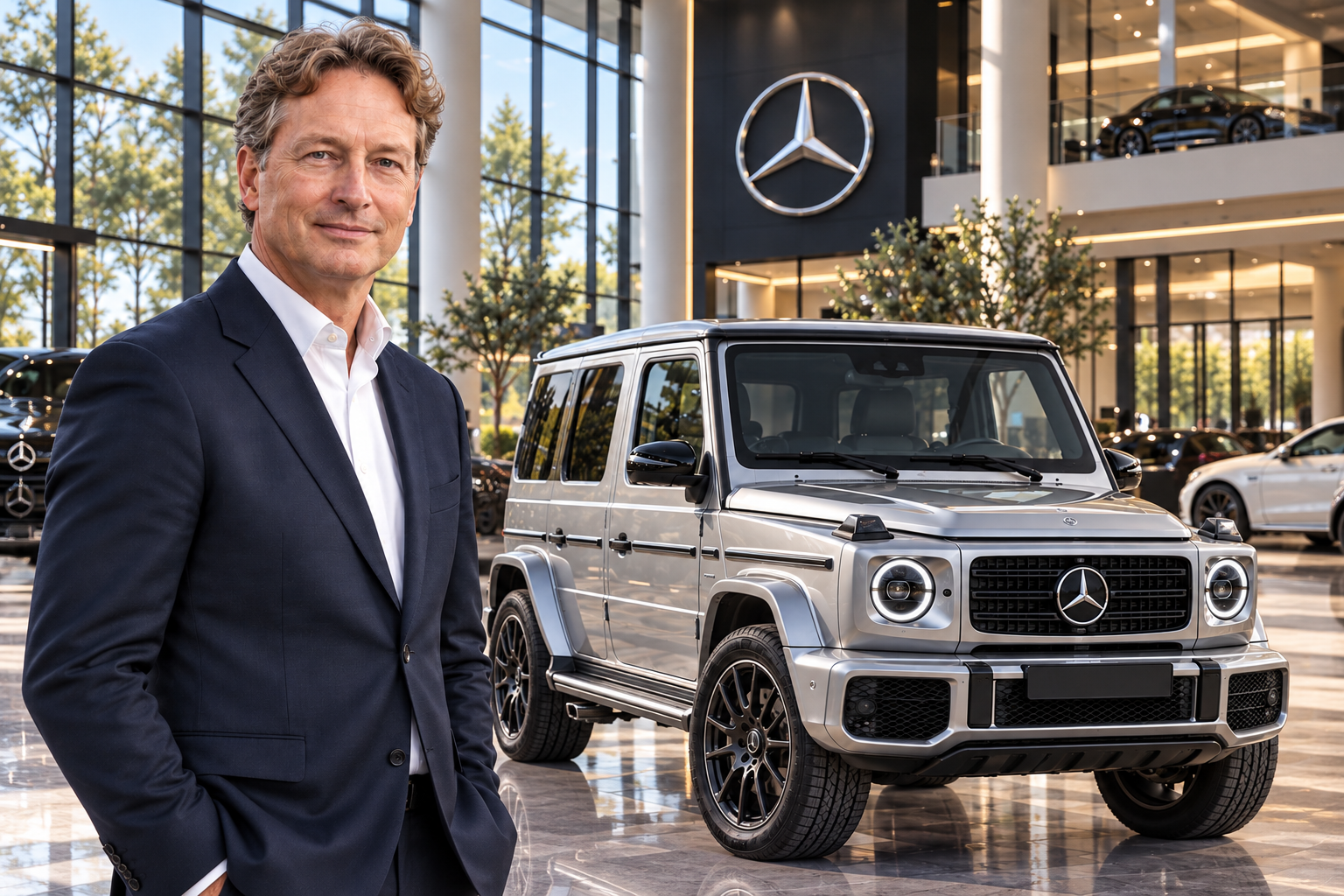
Many billionaires now treat driving as optional. Consequently, executive mobility solutions have become more desirable than driver-focused performance cars. Chauffeured ultra-luxury vehicles offer private cabins, work-ready interiors, security features, and a calm experience that supports long days. Moreover, these vehicles integrate naturally into business schedules, airport transfers, and discreet arrivals. In contrast, hypercars often demand attention and limit comfort over long distances. Therefore, the “replacement” pattern is clear: owners trade spectacle for serenity. This does not eliminate performance; instead, it relocates performance into comfort engineering, acoustic isolation, and technology-driven convenience. As this shift continues, billionaires moving away from hypercars becomes a logical outcome of lifestyle design. For many, the ultimate luxury is arriving refreshed, not arriving loud.
Electrification and the Redefinition of “Fast”

The meaning of speed has changed. Electric drivetrains deliver instant torque, smooth acceleration, and silent performance without traditional hypercar drama. As a result, a broader range of vehicles can now feel extremely fast, which reduces the uniqueness of hypercar acceleration as a status marker. Moreover, electrification supports urban restrictions, quieter neighborhoods, and sustainability narratives that many elites now consider part of modern prestige. Therefore, collectors increasingly choose next-generation electric grand tourers and high-end EVs that balance speed with discretion. This supports the trend of billionaires moving away from hypercars because the “wow factor” no longer requires an extreme-looking gasoline halo car. Instead, the new flex often becomes effortless power delivered quietly, instantly, and privately.
Experiences Over Objects: The “Less Display, More Meaning” Mindset

Wealth culture in 2026 increasingly emphasizes experiences, privacy, and personal meaning. Consequently, some billionaires redirect spending from visible objects toward curated travel, private retreats, and long-term legacy projects. In this mindset, a hypercar competes with alternative luxury investments that offer deeper emotional return and fewer public signals. Moreover, many collectors already own the major automotive icons. Therefore, incremental additions feel less meaningful than transformative experiences. This shift does not reduce consumption; it reallocates it. As a result, billionaires moving away from hypercars often occurs alongside increased interest in private aviation, elite wellness, and architecture-driven lifestyle assets. For wealth trend analysis, this pattern suggests an important insight: when ownership peaks, meaning becomes the new scarcity. Hypercars still matter, yet they compete in a more crowded “meaning economy.”
The Collector’s Pivot: From Road Weapons to Cultural Artifacts

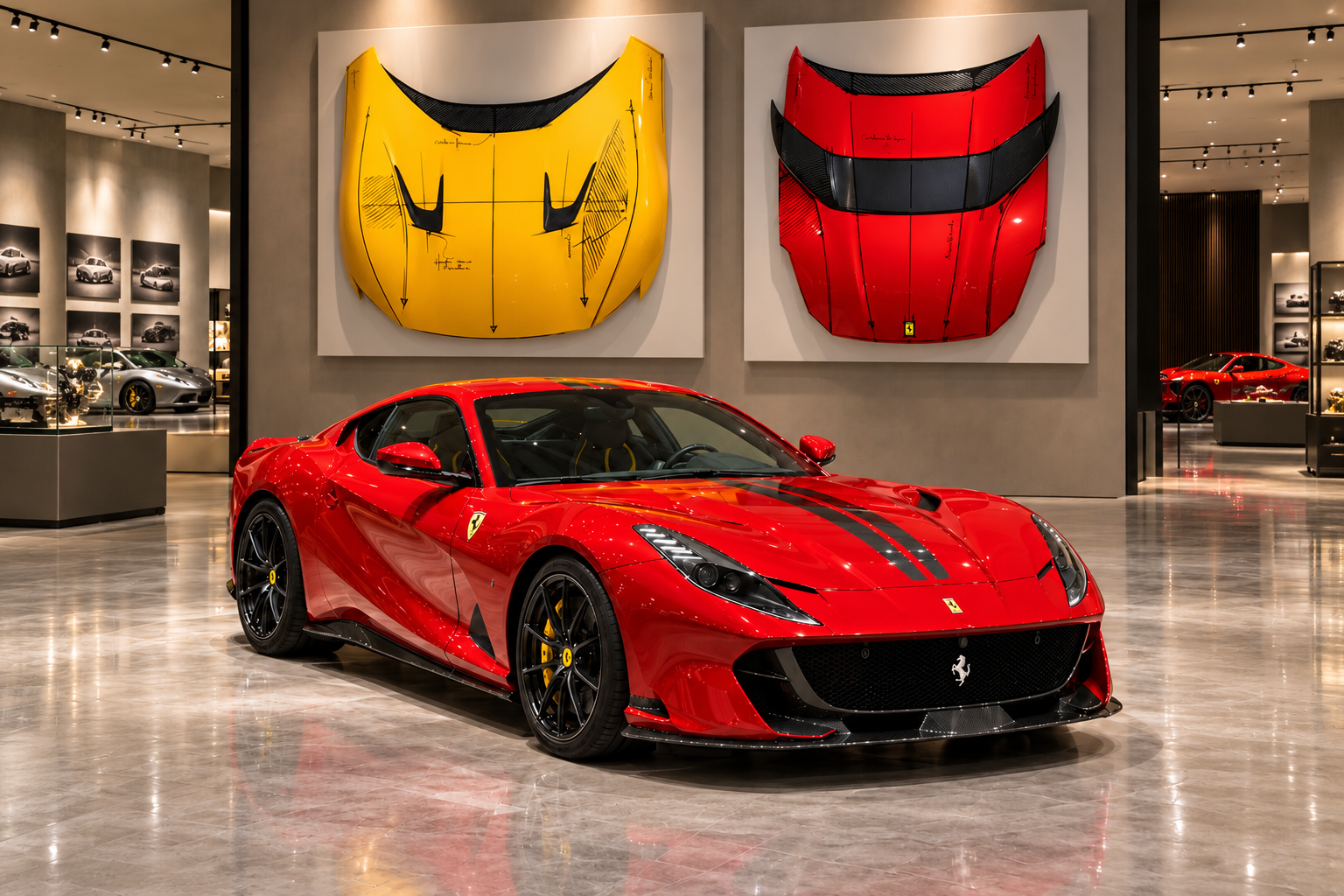
Some billionaires still love hypercars, yet they treat them differently now. Instead of driving them frequently, collectors curate them like cultural artifacts inside private automotive galleries and museum-style garages. This approach preserves value and reduces risk while maintaining emotional ownership. However, it also changes purchasing behavior. Buyers who once chased every new release now select fewer pieces with stronger narratives, stronger provenance, and stronger long-term significance. Consequently, the market rewards “story” more than “spec.” In this environment, billionaires moving away from hypercars does not always mean selling; it often means slowing down acquisitions and becoming more selective. The garage becomes a collection strategy, not a driving program. For trend analysis, this pivot shows how billionaires preserve status while reducing noise: they keep the icons, yet they stop chasing the cycle.
What This Means for 2026 and Beyond: A New Definition of Automotive Prestige

In 2026, automotive prestige increasingly centers on discretion, usability, and personal alignment rather than maximum drama. Therefore, the trend of billionaires moving away from hypercars points to a broader shift in elite consumption: the loudest symbols lose value when everyone can see them instantly. Instead, the future favors vehicles that support privacy, time control, and seamless living. This includes ultra-luxury electric touring, chauffeured executive mobility, and carefully curated collectible ownership rather than constant buying. As the definition of luxury evolves, “most expensive” matters less than “most intentional.” Ultimately, this change does not end the hypercar era; it reframes it. Hypercars remain pinnacle machines, yet billionaires increasingly place them in the category of curated artifacts, while they choose quieter vehicles for daily life and strategic movement.