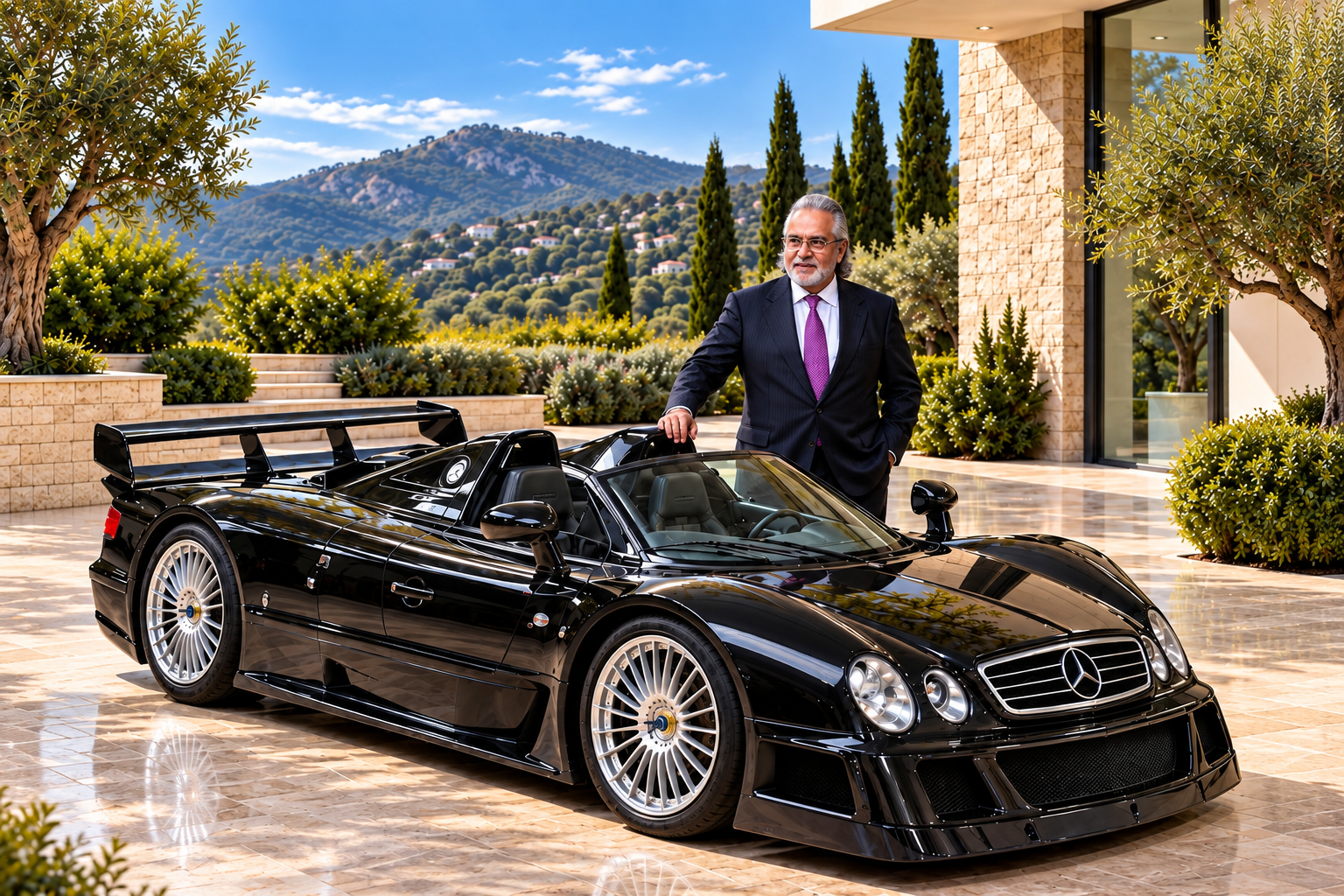

A New Category of Luxury Architecture
Luxury Hypercar Garages are no longer simple extensions of a home. They have evolved into architectural statements that reflect wealth, taste, and long-term vision. For billionaire collectors, hypercars are not merely vehicles—they are mechanical art, cultural assets, and generational investments.
As hypercars reach valuations comparable to blue-chip artwork, the spaces built to house them have undergone a dramatic transformation. What was once hidden behind closed doors has become a private museum experience, merging real estate innovation with elite automotive culture.
This evolution mirrors broader trends in luxury living, where exclusivity, personalization, and preservation take precedence over utility alone.
From Utility to Prestige: Early Luxury Hypercar Garages

In the early era of high-performance vehicles, even the most expensive automobiles were stored in conventional garages. The priority was protection from weather and basic security. It was deemed sufficient to have a roof, a locked door, and enough room.
However, collectors started to realize the dangers of improper preservation as hypercars grew more precious and uncommon. Paint degradation, interior wear, humidity damage, and mechanical deterioration posed serious threats to long-term value.
This realization marked the first shift toward specialized garage design, laying the foundation for today’s Luxury Hypercar Garages.
The Rise of the Garage as a Display Environment

The desire to display collections expanded along with them. Hypercar garages transitioned from hidden utility rooms into intentional display spaces. Lighting design, polished flooring, and strategic vehicle placement became essential elements.
Collectors started to view their garages the same way art collectors view galleries. Every car has a story, a visual presence, and a distinct function in the collection as a whole. This change turned the garage from a storage space into an immersive setting.
For billionaire collectors, presentation became inseparable from ownership.
Climate Control: Preserving Automotive Masterpieces

Climate control is now a defining feature of Luxury Hypercar Garages. Advanced systems regulate temperature, humidity, and air quality with extreme precision. Sensitive materials like carbon fiber, leather, rubber seals, and sophisticated composites require this degree of control.
Stable environments prevent corrosion, cracking, and mechanical stress. For collectors with multi-million-dollar vehicles, climate control is not an upgrade—it is a requirement.
Much like museums protect priceless artworks, hypercar garages now operate under conservation standards designed to maintain originality and long-term value.
Hidden Entrances: Privacy, Security, and Exclusivity

Discretion is a central pillar of billionaire living. Modern hypercar garages increasingly feature hidden entrances that eliminate visibility from public spaces. Concealed driveways, underground access points, rotating platforms, and vehicle elevators are now standard among elite properties.
Hidden entrances serve multiple purposes. They enhance privacy, reduce security risks, and add an element of architectural sophistication. The arrival and departure of vehicles become seamless, controlled, and invisible to the outside world.
For collectors, secrecy is not just a preference—it is part of the luxury experience.
Integrated Security: Protecting Irreplaceable Assets

Integrated security systems are the backbone of modern Luxury Hypercar Garages. These environments often protect assets worth hundreds of millions, requiring security measures comparable to private vaults.
Features include biometric access, facial recognition, encrypted surveillance networks, motion detection, and real-time monitoring. Unlike traditional security setups, These systems provide optimal security while maintaining beauty thanks to their seamless integration into the architecture.
The result is a controlled environment where access is intentional, traceable, and fully customizable.
Architectural Integration with Luxury Real Estate

Hypercar garages are no longer separate structures. They are completely incorporated into opulent homes and frequently serve as focal points of the decor. The distinction between a home and a gallery is blurred by glass walls that let cars be seen from living rooms, lounges, or entertainment venues.
In addition to optimizing land usage, subterranean garages improve temperature stability and seclusion. In many luxury real estate, the garage connects directly to private elevators, galleries, or showcase corridors.
This architectural integration reinforces the idea that hypercars are carefully selected parts of a greater lifestyle rather than concealed possessions.
Influence of Billionaire Art Collection Philosophy

Billionaire Art Collections have heavily influenced the evolution of hypercar garages. Collectors apply the same curatorial discipline used in art acquisition—context, lighting, spacing, and narrative—to automotive displays.
Whether chronological, brand-focused, or innovation-driven, vehicles are ordered to tell a narrative. The purpose of lighting is to draw attention to form and detail without damaging the material. Every component has a function.
The garage becomes a personal museum, reflecting identity, vision, and cultural significance.
Technology as a Curatorial and Management Tool

In today’s hypercar garage, advanced technology is essential. Digital inventory systems keep track of maintenance plans, valuation information, and vehicle condition. Automated platforms can elevate, rotate, and transport cars with little to no human involvement.
Some garages incorporate digital displays that provide vehicle histories, engineering details, and acquisition narratives. Technology enhances both preservation and storytelling, reinforcing the museum-like quality of the space.
This integration ensures efficiency while elevating the ownership experience.
Sustainability and Future-Focused Design

Sustainability has become increasingly important, even in ultra-luxury environments. Energy-efficient climate systems, smart lighting, and sustainable construction materials are now common in high-end hypercar garages.
Solar integration, intelligent energy management, and low-impact materials help reduce environmental footprint without compromising performance. For many collectors, sustainability aligns with legacy planning and long-term value preservation.
Luxury and responsibility are no longer mutually exclusive.
The Luxury Hypercar Garages as a Legacy Investment

For billionaire collectors, Luxury Hypercar Garages represent more than lifestyle enhancements—they are legacy investments. These spaces are designed to endure across generations, preserving collections as cultural and financial assets.
Garages are increasingly documented, insured, and curated with long-term succession in mind. The space itself becomes part of the estate’s value, contributing to both real estate and historical significance.
Ownership extends beyond the present, reinforcing continuity and identity.
Entering the Private Museum Era

Luxury Hypercar Garages have completed their transformation. What began as functional storage has evolved into private museums defined by climate control, hidden entrances, and integrated security.
For billionaire collectors, these garages represent the intersection of art, technology, and real estate. They protect mechanical masterpieces while offering immersive, personalized experiences.
In the modern luxury landscape, the hypercar garage is no longer an accessory—it is a statement, a sanctuary, and a lasting cultural asset.