
When Silence Becomes the Ultimate Luxury at 40,000 Feet
Noise has long been accepted as an unavoidable part of air travel, yet at the highest levels of private aviation, that assumption no longer holds true. Ultra-wealthy travelers now demand cabins that feel closer to private libraries than aircraft interiors, where conversation flows easily, sleep comes naturally, and mental fatigue disappears. The pursuit of silence has transformed cabin design into a sophisticated field of comfort engineering, blending aerospace science with human-centered design. Today’s quietest private jet cabins are not defined by speed or range alone, but by how effectively they shield passengers from vibration, engine noise, and airflow disruption. This article explores how extreme quiet is engineered, why it matters to elite travelers, and how silence has become a defining metric of modern aviation luxury. In the evolving Aviation landscape, quietness is no longer a bonus feature. It is a strategic advantage that redefines the private flying experience.
Why the Quietest Private Jet Cabins Redefine Comfort Engineering
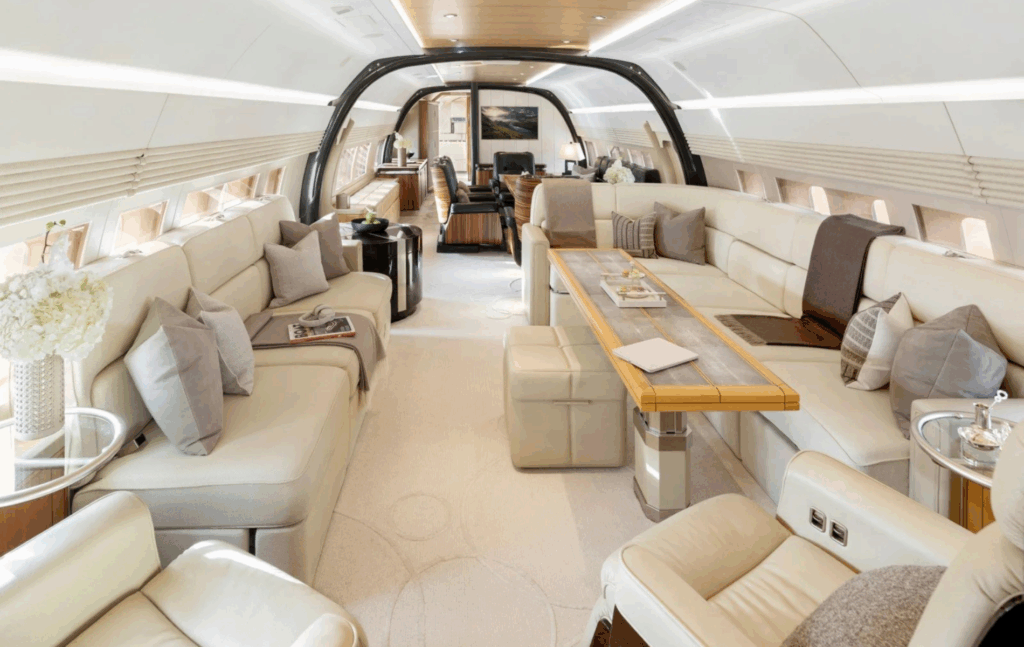
The quietest private jet cabins represent the pinnacle of comfort engineering because silence directly affects physical well-being, cognitive performance, and emotional calm. Prolonged exposure to cabin noise increases fatigue, disrupts sleep cycles, and reduces focus, even when passengers are unaware of its impact. Engineers address this by treating noise as a design flaw rather than a byproduct of flight. Every sound source is analyzed, isolated, or neutralized through layered solutions. Engines mount differently, airflow paths change, and cabin structures absorb vibration instead of transmitting it. Sound reduction is measured in subtle increments that compound into a dramatically quieter experience. For travelers who conduct meetings, rest, or think during flights, silence transforms the cabin into a functional extension of daily life. In the Aviation sector, this level of quiet signals engineering mastery rather than indulgence. Comfort becomes measurable, repeatable, and intentional.
Cabin Structure, Materials, and Acoustic Isolation
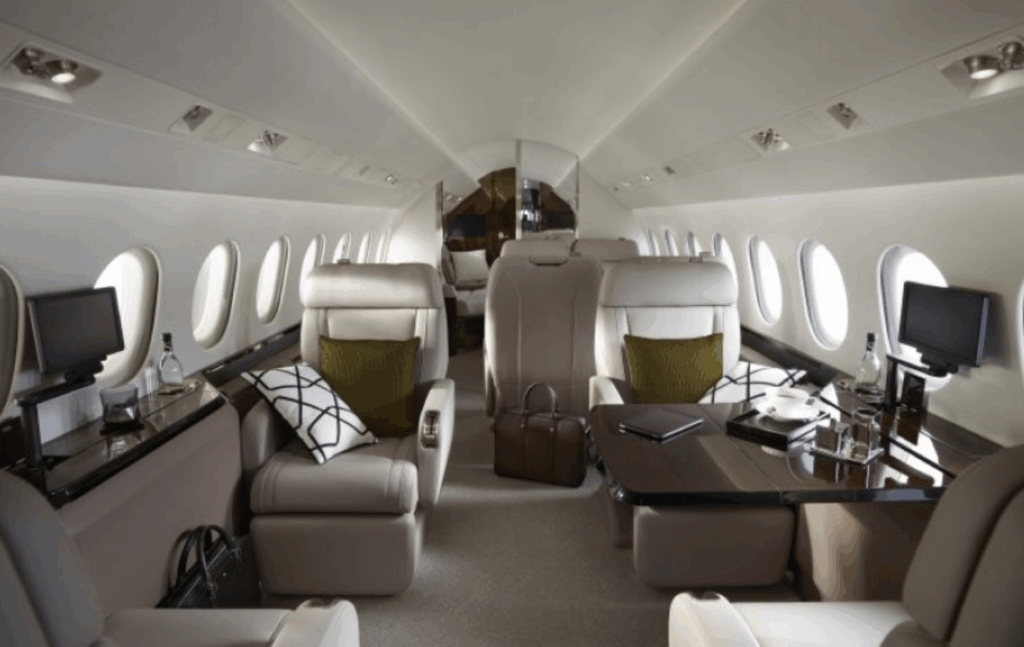
Silence begins with structure. Designers engineer fuselage layers to block airborne and structural noise before it enters the cabin. Advanced composites, acoustic foams, and vibration-dampening materials line walls, floors, and ceilings. These layers work together to absorb sound waves rather than reflect them inward. Even seat frames and cabinetry receive acoustic consideration to prevent resonance. Materials selection balances weight constraints with sound performance, requiring constant refinement. Engineers simulate noise behavior across cruising phases to ensure consistency. In comfort engineering, acoustic isolation functions like climate control: invisible but essential. The cabin feels calm because noise never reaches passengers in the first place. This structural approach separates truly quiet jets from those that rely solely on cosmetic sound masking.
Engine Placement and Vibration Management
Engine placement plays a decisive role in cabin quietness. Jets designed for minimal noise position engines to reduce direct transmission of sound and vibration into living spaces. Mounting systems incorporate isolation technologies that absorb energy before it travels through the airframe. Engineers also tune engine operation for smoother thrust delivery during cruise, where passengers spend most of their time. Vibration control extends beyond engines to include landing gear, auxiliary systems, and airflow interactions. By managing vibration holistically, designers eliminate the low-frequency hum that causes subconscious fatigue. In the Aviation experience, reducing vibration matters as much as lowering decibel levels. Silence feels complete only when the aircraft itself feels still.
Airflow Design and Pressurization Comfort
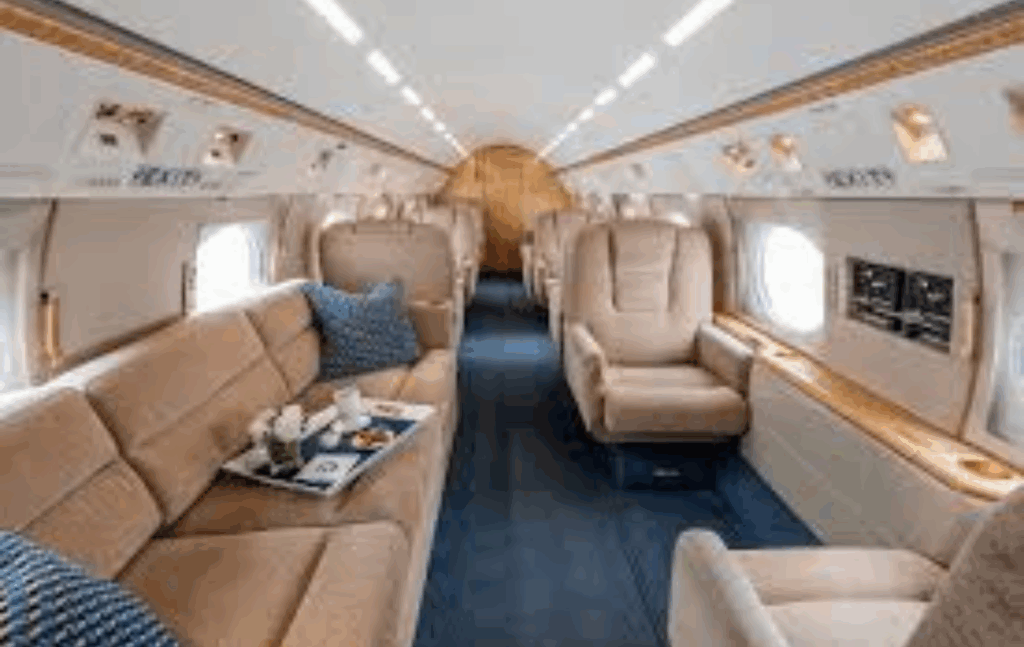
Airflow contributes significantly to perceived noise. Turbulent air creates subtle sounds that accumulate over long flights. Quiet cabins redesign ventilation systems to move air smoothly and quietly across the cabin. Diffusers disperse airflow gently, eliminating drafts and hiss. Pressurization systems maintain comfortable cabin altitude, reducing ear fatigue and stress. These factors combine to create an environment where breathing feels natural and conversation remains effortless. In comfort engineering, airflow design directly supports quietness by removing secondary noise sources. The cabin becomes not just silent, but physiologically calming.
Interior Layout and Noise Zoning
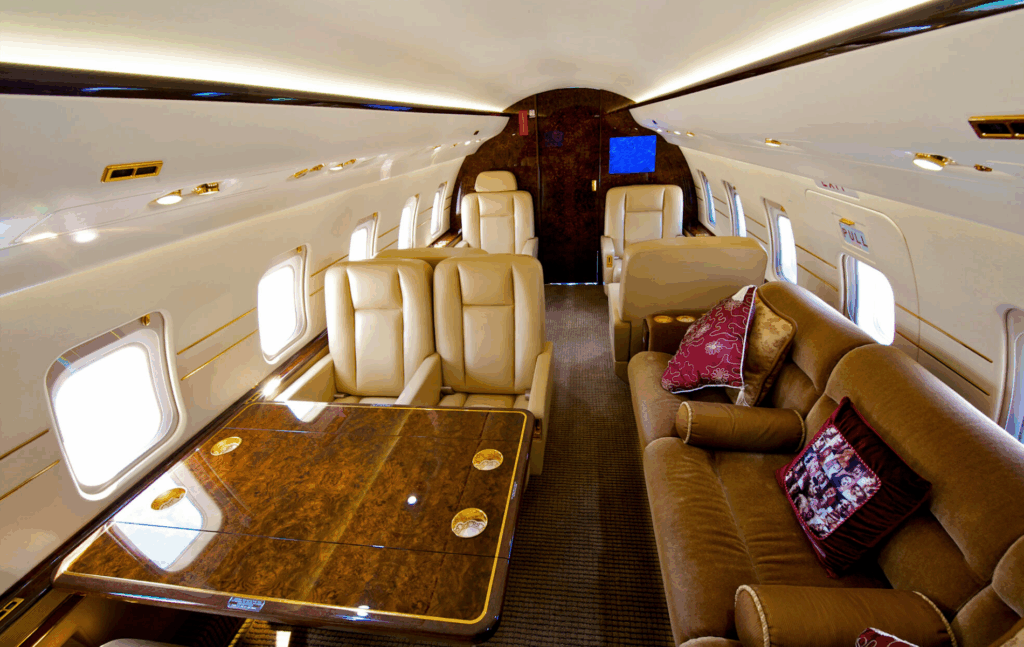
Cabin layout influences how sound travels. Designers separate noise-generating zones from relaxation areas through spatial planning rather than barriers alone. Galleys, lavatories, and crew spaces move away from sleeping and meeting areas. Curved corridors, soft partitions, and layered layouts prevent sound from carrying. Flooring materials reduce footfall noise, while doors close with muted precision. In the quietest private jet cabins, layout serves acoustic purpose as much as aesthetic flow. Movement feels smooth. Sound dissipates naturally. This zoning strategy ensures consistent quiet across the entire cabin rather than isolated pockets of silence.
Psychological Effects of Silence in Flight
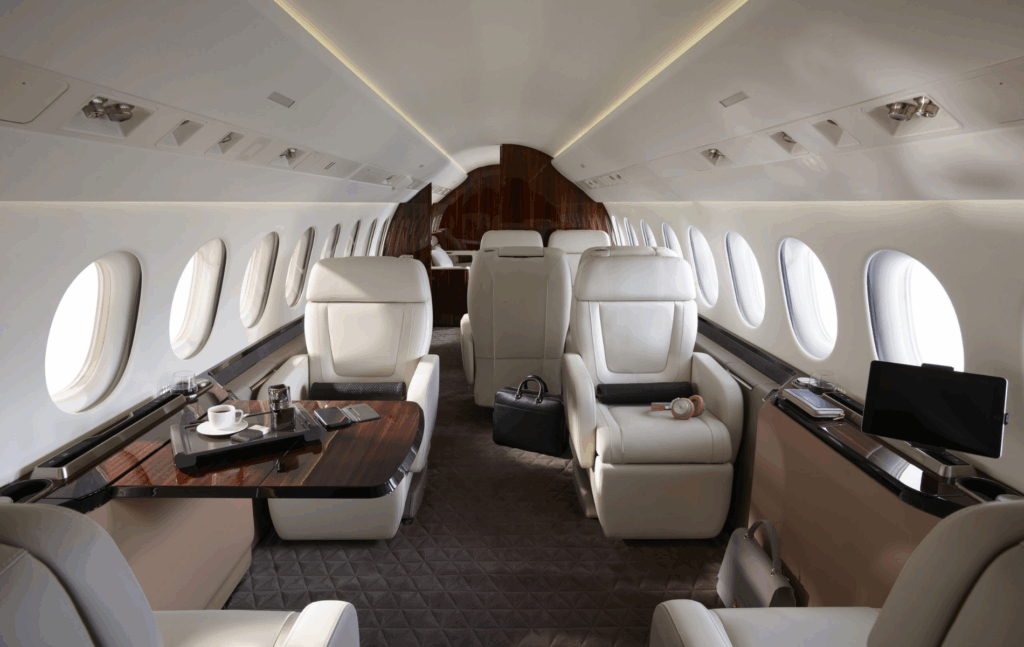
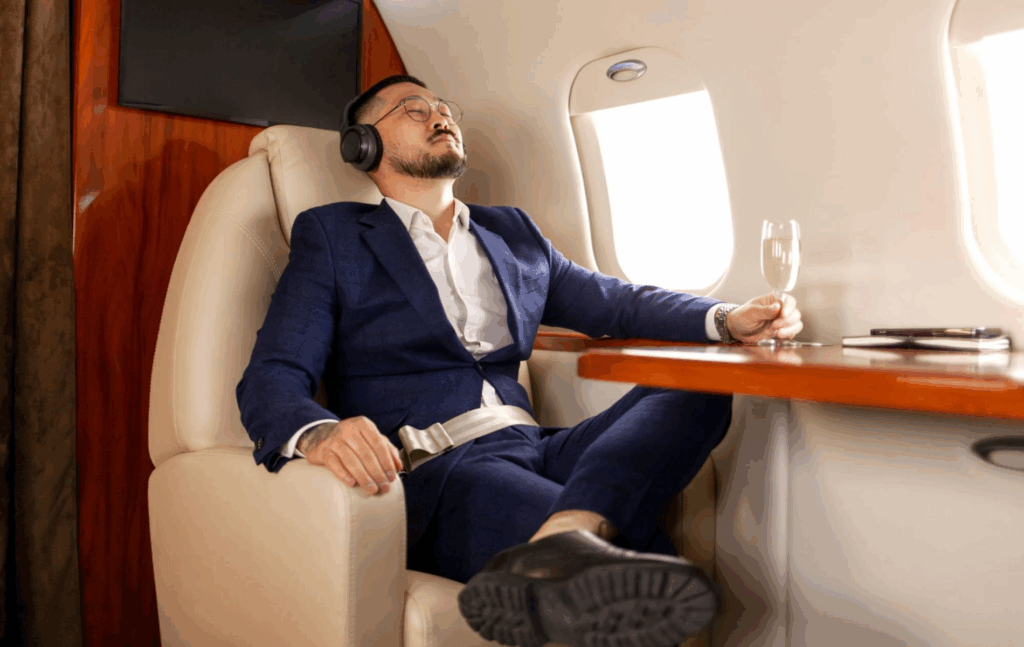
Quiet cabins deliver psychological benefits that extend beyond comfort. Silence reduces stress hormones and improves cognitive clarity. Passengers arrive feeling rested rather than drained. This advantage matters to executives, creatives, and decision-makers who rely on mental sharpness. Silence also restores a sense of control often lost in travel environments. In the comfort engineering narrative, psychological well-being becomes a design goal. A quiet cabin supports focus, privacy, and emotional balance. The absence of noise allows passengers to reset, not merely transit.
Why Silence Has Become a Status Signal in Aviation
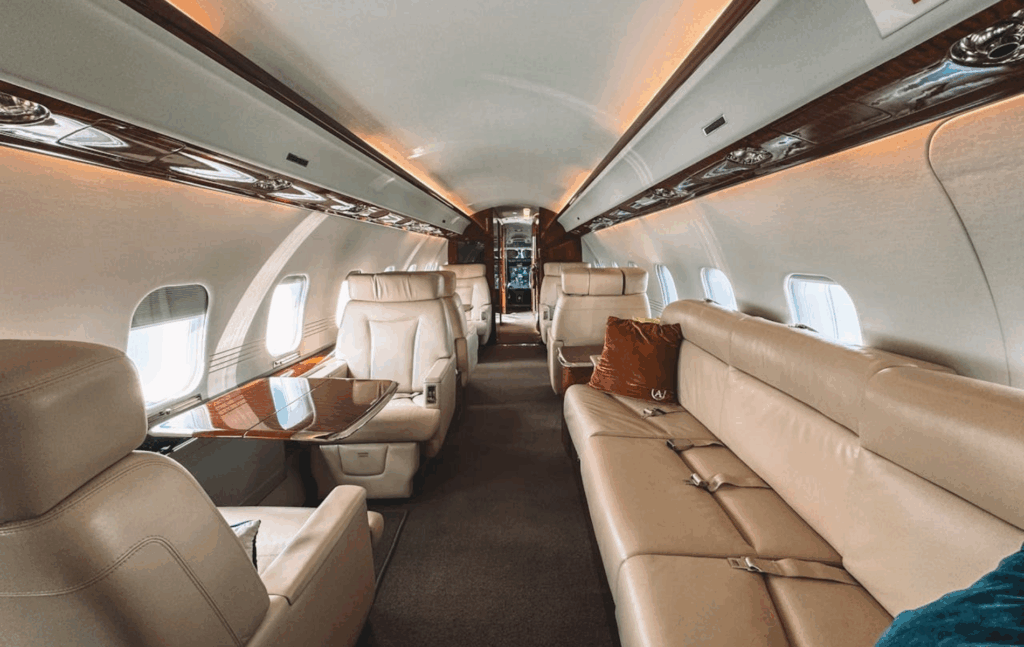
Silence now communicates refinement more effectively than visible luxury. Anyone can add leather or screens, yet achieving true quiet requires engineering depth and long-term investment. Owners who prioritize silence signal knowledge rather than excess. In elite Aviation circles, the quietest cabins earn recognition without announcement. Silence becomes a status language understood by those who value performance over spectacle. This cultural shift explains why quietness increasingly defines the top tier of private jets.
When You Stop Hearing the Aircraft, Luxury Begins
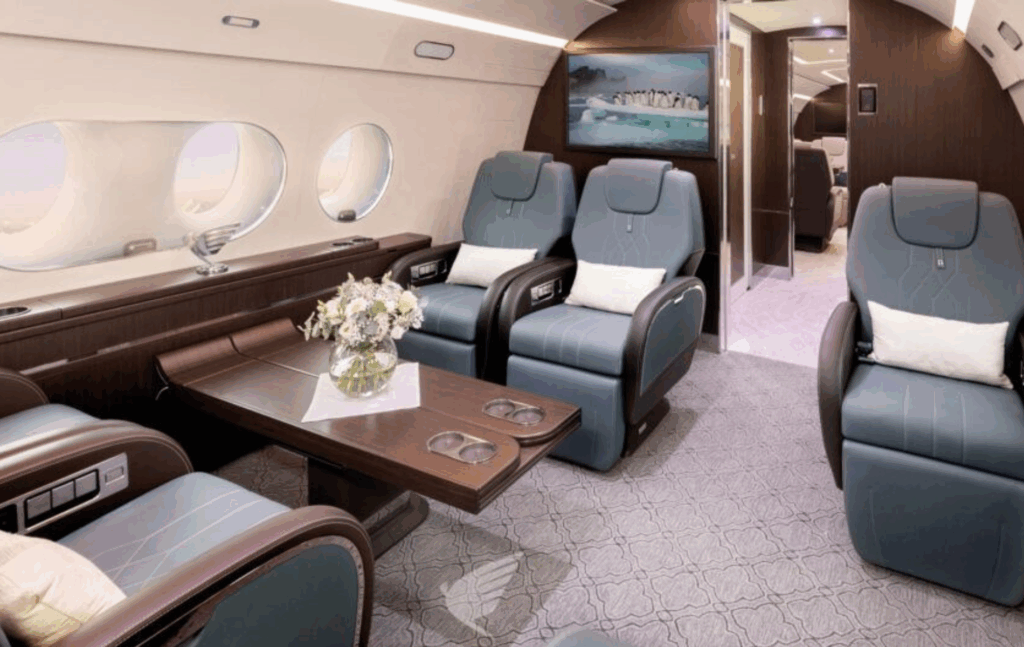
The world’s quietest private jet cabins represent a new benchmark in aviation luxury, where engineering serves human experience at the deepest level. Silence enhances rest, focus, and well-being while redefining what comfort truly means. The quietest private jet cabins prove that the most advanced luxury often goes unheard. In modern Aviation, true excellence whispers rather than roars.