

When Anonymity Becomes a Strategic Advantage
In modern aviation, flight numbers, tail identifiers, and digital tracking systems were designed to promote safety and transparency, yet for billionaires and ultra-high-net-worth individuals, those same systems introduce exposure. Every publicly visible flight creates data, patterns, and narratives that can be analyzed, sold, or misused. As global surveillance tools grow more sophisticated, anonymity in the sky has become a strategic necessity rather than a luxury preference. Billionaires increasingly treat air travel as a sensitive operational activity, not a public movement. This shift explains the growing interest in flying without conventional identifiers, where discretion replaces convenience. The concept of billionaire flight privacy extends far beyond avoiding paparazzi. It involves protecting personal security, business confidentiality, family safety, and geopolitical neutrality. This article explores how elite travelers reduce traceability, why traditional flight visibility creates risk, and how aviation secrecy has evolved into a discipline that blends logistics, legal frameworks, and operational planning. In the Aviation landscape, privacy is no longer passive. It is actively engineered.
Why Billionaire Flight Privacy Depends on Eliminating Public Identifiers

Billionaire flight privacy begins with reducing or eliminating public identifiers that link aircraft movement to individuals. Flight numbers, tail registrations, and transponder data collectively create transparent travel histories that third parties can analyze with ease. For billionaires, this visibility introduces operational risk by revealing routines, locations, and associations. Eliminating these identifiers disrupts pattern recognition and restores unpredictability. This approach does not compromise safety, as internal aviation systems retain full operational awareness while external visibility decreases. Charter structures, ownership layering, and routing strategies support this objective by separating identity from aircraft. In the Aviation secrecy context, privacy depends less on secrecy and more on obscurity. By limiting publicly accessible data points, billionaires reduce the ability of observers to construct reliable narratives. This strategy protects not only personal movement but also sensitive business negotiations, acquisitions, and diplomatic interactions. Privacy in the sky becomes a proactive defense against unwanted attention rather than a reactive measure.
Operational Structures That Separate Aircraft From Identity
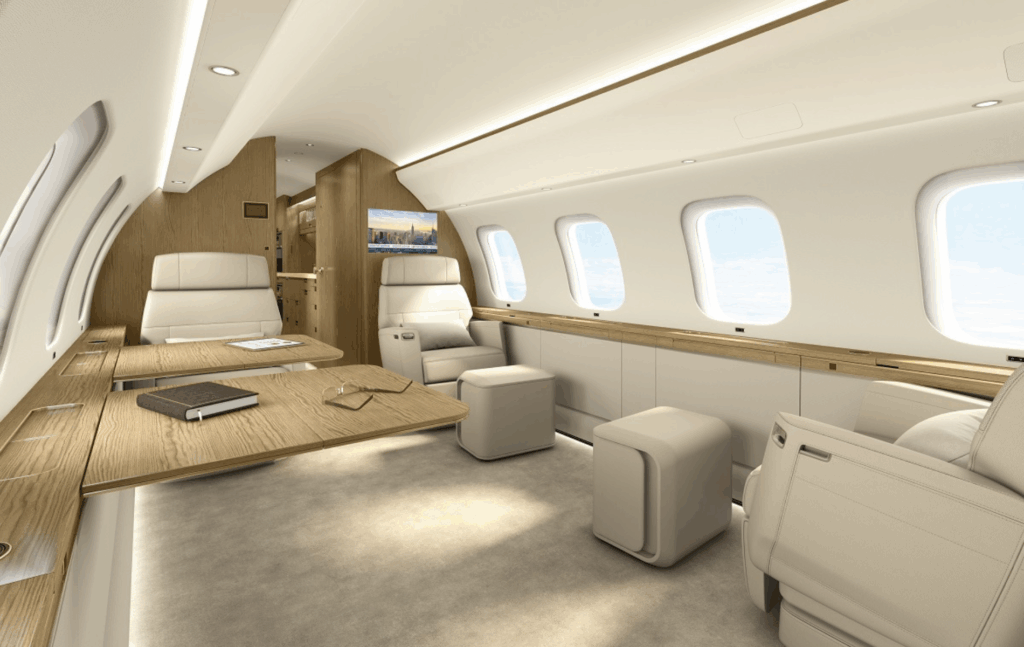
Behind untracked flights lies a complex operational architecture designed to separate passengers from aircraft records. Billionaires rarely appear as direct owners or operators, instead using layered structures that compartmentalize responsibility and visibility. Aircraft may operate under management entities, leasing arrangements, or rotating operational frameworks that prevent consistent association. These structures ensure compliance with aviation law while limiting public traceability. Flight planning becomes dynamic, with routes adjusted to avoid predictable corridors and high-visibility airports. Crew confidentiality and operational discipline further reinforce anonymity. From an Aviation standpoint, these systems reflect a mature understanding of risk management. The goal involves minimizing exposure without attracting attention. Operational anonymity protects not only passengers but also crew and assets, reinforcing why separation of identity has become a cornerstone of elite aviation strategy.
Airspace, Routing, and Timing as Privacy Tools
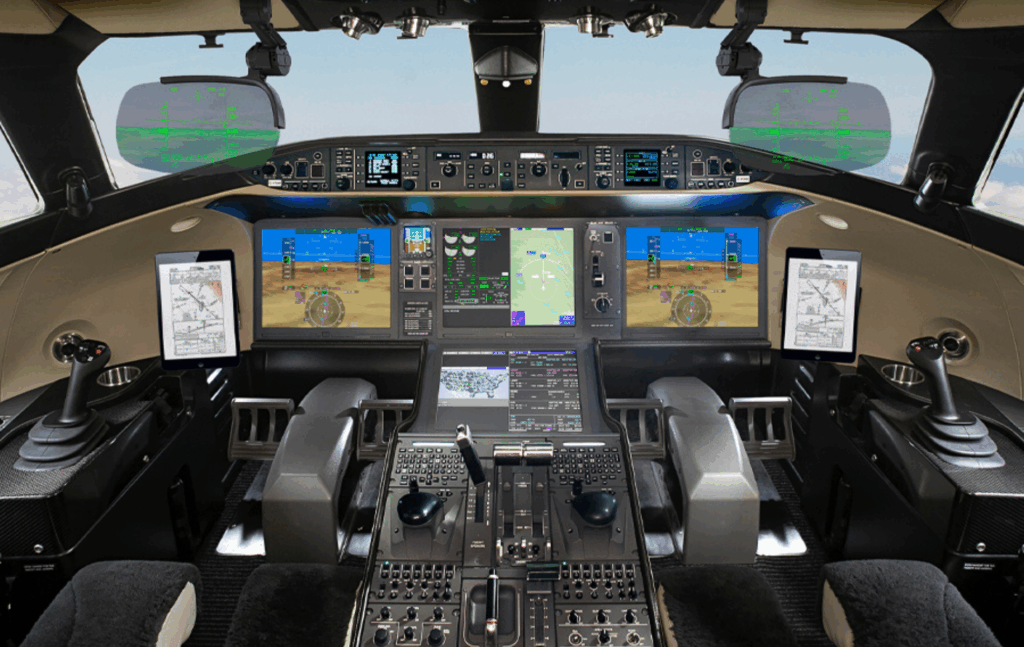
Routing and timing play critical roles in avoiding traceability. Billionaires often fly during off-peak hours, use secondary airports, and vary departure locations to disrupt pattern formation. These choices reduce visibility within publicly monitored airspace. Flight paths may avoid congested corridors where tracking data proliferates. Timing adjustments ensure that movements blend into background traffic rather than standing out. In Aviation secrecy, unpredictability equals protection. These techniques mirror counter-surveillance strategies used in other high-security domains, adapted for civil aviation. Strategic routing preserves privacy while maintaining efficiency, demonstrating that discretion does not require inconvenience. This approach reframes airspace as a controllable variable rather than a fixed constraint.
Technology and Controlled Data Exposure
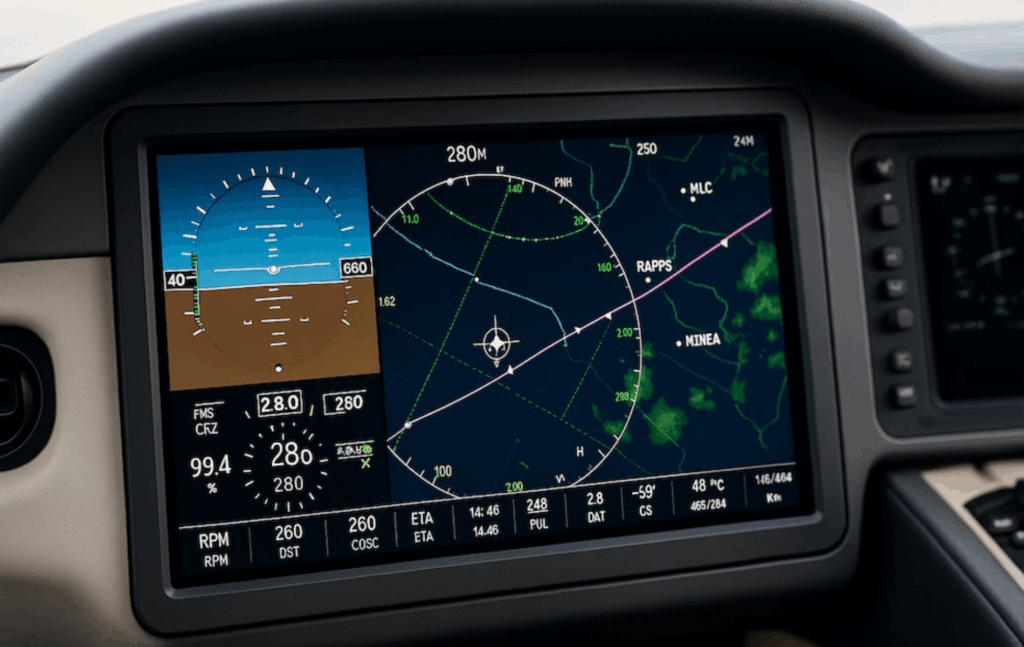
Technology both creates and solves privacy challenges in aviation. Billionaires leverage onboard systems that manage data exposure by controlling what information leaves the aircraft and enters public networks. Internal navigation, communication, and monitoring remain fully operational while external broadcast is limited to regulatory minimums. Advanced systems allow selective data sharing, ensuring safety compliance without unnecessary disclosure. From an Aviation secrecy perspective, control over data flow defines modern privacy. The aircraft becomes a closed digital environment rather than a broadcasting node. This design philosophy aligns with broader trends in cybersecurity, where visibility is carefully managed rather than assumed.
Security, Risk, and the Cost of Being Trackable

Public flight visibility introduces tangible security risks for billionaires. Predictable travel patterns expose individuals to targeting, disruption, or reputational damage. Even non-physical threats, such as data mining or media speculation, carry consequences. In the Aviation category, privacy failures can ripple into business negotiations, market behavior, and personal safety. By flying untracked, billionaires reduce attack surfaces across multiple dimensions. This risk-aware mindset reflects a broader understanding that exposure scales with wealth. Privacy becomes a form of risk mitigation rather than secrecy for its own sake.
Psychological Comfort and Control at Altitude
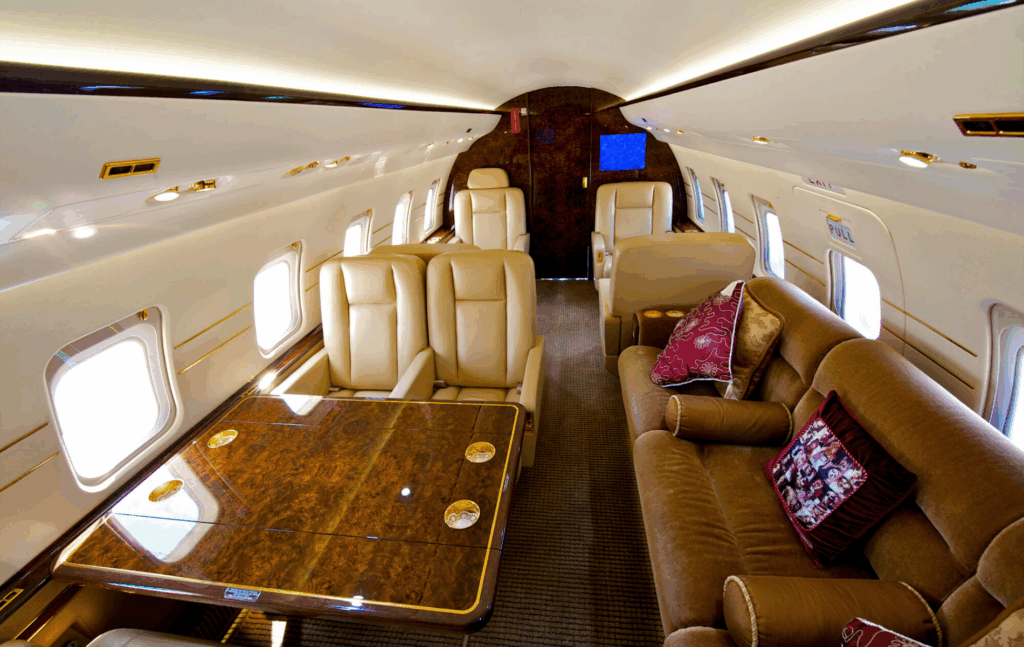
Beyond security, privacy enhances psychological comfort. Billionaires value environments where control remains absolute, especially during transit. Flying without public identifiers restores a sense of autonomy lost in highly visible systems. This control reduces stress and supports decision-making during travel. In Aviation secrecy, mental clarity becomes as important as physical safety. Discreet travel allows individuals to arrive focused rather than reactive. The aircraft transforms into a private workspace rather than a tracked object. This psychological benefit reinforces why anonymity remains a priority even when overt threats appear minimal.
When Invisibility Redefines Freedom in the Sky

Flying without flight numbers reflects a deeper evolution in how billionaires engage with aviation. Privacy, once optional, has become foundational. Through operational design, technological control, and strategic routing, elite travelers reclaim anonymity without sacrificing safety. Billionaire flight privacy now defines a new standard of freedom at altitude, where movement remains efficient yet unobservable. In the future of Aviation secrecy, invisibility will continue to separate ordinary private travel from truly elite mobility.