
When the Absence of Windows Becomes a Statement of Power
For centuries, windows symbolized openness, light, and connection to the outside world. In luxury architecture, expansive glass walls once defined prestige and modernity. However, a radical shift is now emerging at the highest end of residential design. Ultra-wealthy homeowners are increasingly commissioning residences with few windows—or none at all—challenging long-held assumptions about what makes a home desirable. These properties are not reactionary or bunker-like. Instead, they represent a calculated evolution in architectural thinking where privacy, control, and internal experience outweigh outward visibility. Windowless luxury homes are designed to protect residents from surveillance, noise, and exposure while offering carefully engineered interior environments that feel calm, expansive, and intentional. This trend reflects broader concerns around security, data visibility, and psychological well-being. As public space becomes increasingly intrusive, the home transforms into a sealed sanctuary. This article explores how and why windowless luxury architecture is rising, what design strategies make it livable, and why this unconventional approach now defines the cutting edge of elite residential design.
Why Windowless Luxury Homes Are Redefining Architectural Privacy
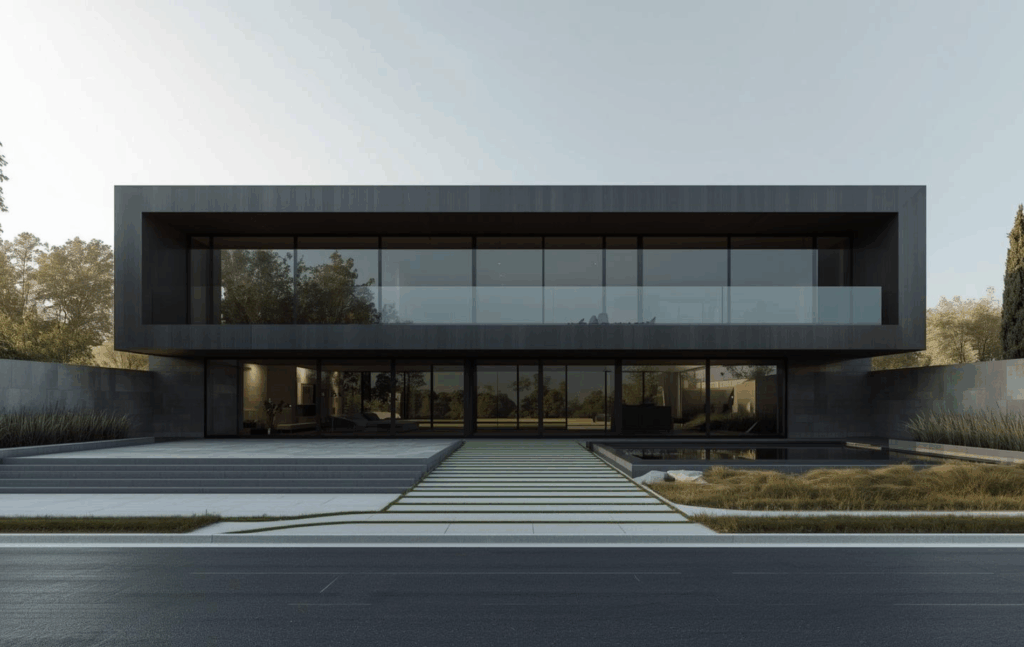
Windowless luxury homes redefine architectural privacy by eliminating one of the most vulnerable points in residential design. Windows allow light and views, yet they also enable observation, recording, and unwanted attention. In an era of drones, long-range lenses, and digital mapping, windows expose far more than scenery. Ultra-high-net-worth individuals increasingly see them as liabilities. Removing windows from primary living zones dramatically reduces visibility from the outside while restoring complete environmental control to the occupant. Privacy shifts from reactive measures such as curtains and tinting to proactive architectural intent. These homes remain legally compliant while rejecting traditional transparency. Instead of negotiating with the outside world, the structure defines a boundary that cannot be breached visually. In the Real Estate context, this approach represents a rethinking of luxury priorities. Value no longer comes from what the home reveals, but from what it conceals. Windowless design allows residents to live without managing exposure, reinforcing privacy as a permanent condition rather than a daily concern.
Interior-Centered Architecture and Controlled Light Design
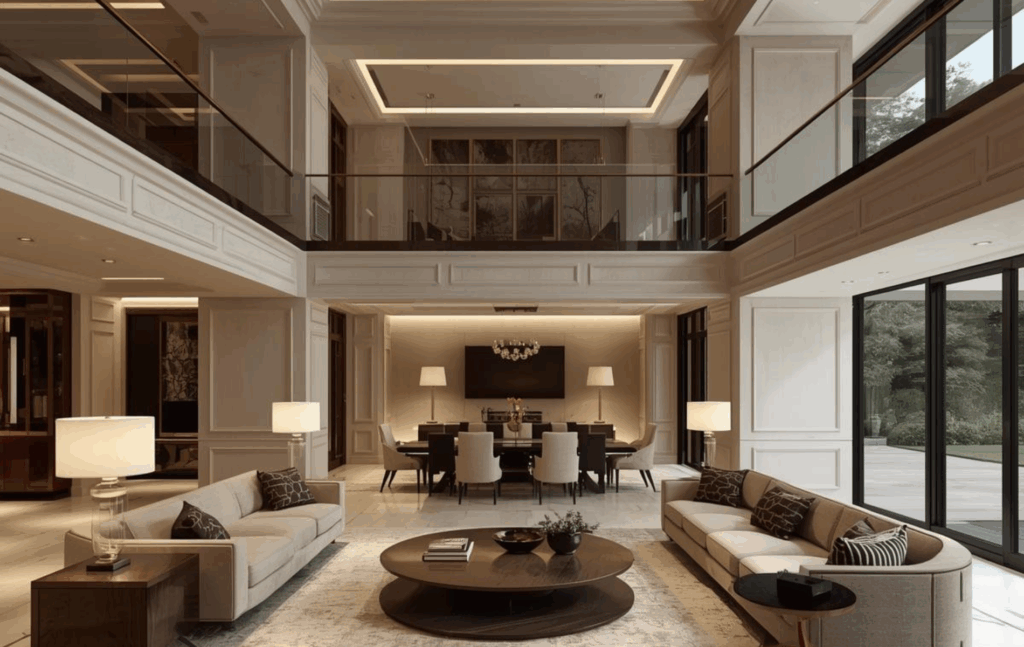
The success of windowless luxury architecture depends on how interiors replace the functions traditionally served by windows. Rather than relying on exterior views, designers create internal spatial drama using courtyards, light wells, reflective surfaces, and controlled illumination systems. Artificial daylight technologies replicate circadian rhythms, ensuring occupants maintain natural sleep and energy cycles. Materials such as stone, wood, and textured plaster enhance depth and warmth, preventing interiors from feeling enclosed. Ceiling heights, spatial sequencing, and acoustic treatments further expand the perception of space. These homes prioritize interior experience over exterior display, transforming architecture into a fully curated environment. Light becomes a design tool rather than a byproduct of openings. In the Architectural trend landscape, this inward focus represents a move toward experiential luxury, where comfort and psychological ease outweigh visual connection to the outside.
Security, Surveillance Resistance, and Psychological Comfort
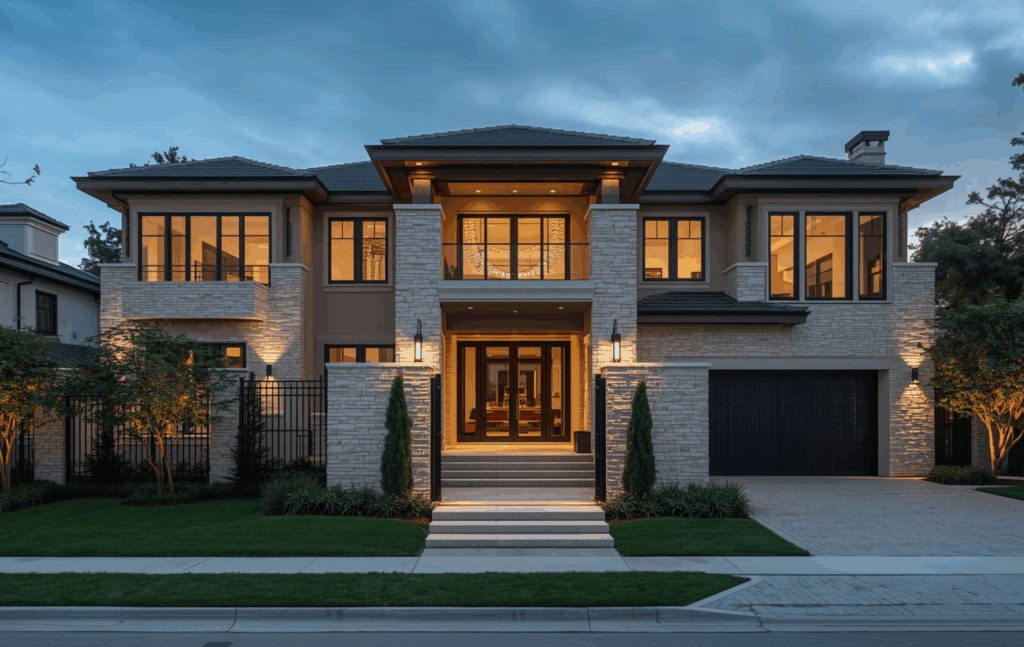
Windowless luxury homes significantly enhance security by removing direct lines of sight into private spaces. Without windows, the threat of visual surveillance disappears. This benefits residents who face heightened exposure due to wealth, public profile, or geopolitical risk. Security systems integrate seamlessly into the architecture, operating quietly without altering aesthetics. Beyond physical safety, psychological comfort improves when residents no longer feel observed. Constant visibility creates subconscious stress, even in fortified environments. Eliminating windows removes that burden entirely. In windowless luxury homes, peace comes not from defense but from absence of exposure. This design choice reflects a growing awareness that mental well-being is as critical as physical security. Architecture becomes a protective filter, allowing residents to disengage fully from external pressure.
Climate Control, Energy Efficiency, and Environmental Mastery
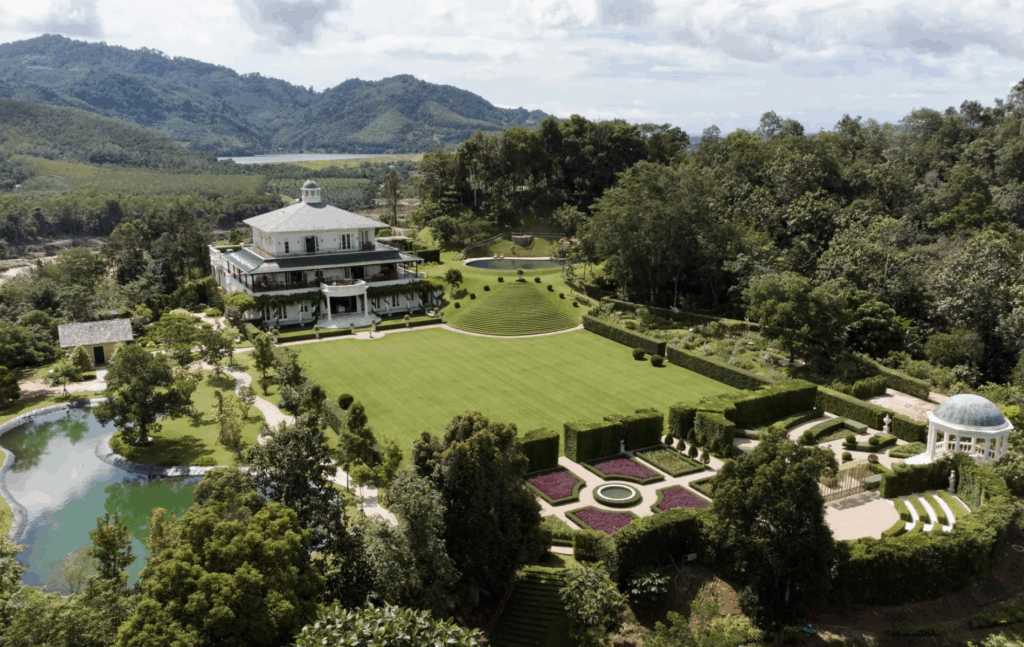
Contrary to assumptions, windowless luxury homes often achieve superior climate control and energy efficiency. Windows represent major points of heat gain and loss. By eliminating them, designers gain precise control over temperature, airflow, and humidity. Advanced HVAC systems maintain consistent conditions regardless of external weather. Energy consumption becomes predictable and optimized. This efficiency supports sustainability goals while enhancing comfort. In hot or extreme climates, sealed structures outperform glass-heavy designs in thermal stability. From a Real Estate perspective, this efficiency increases long-term operational value. The home operates as a controlled ecosystem rather than a reactive shell. Energy mastery becomes a luxury in itself.
Cultural Shifts Driving the Move Away From Transparency
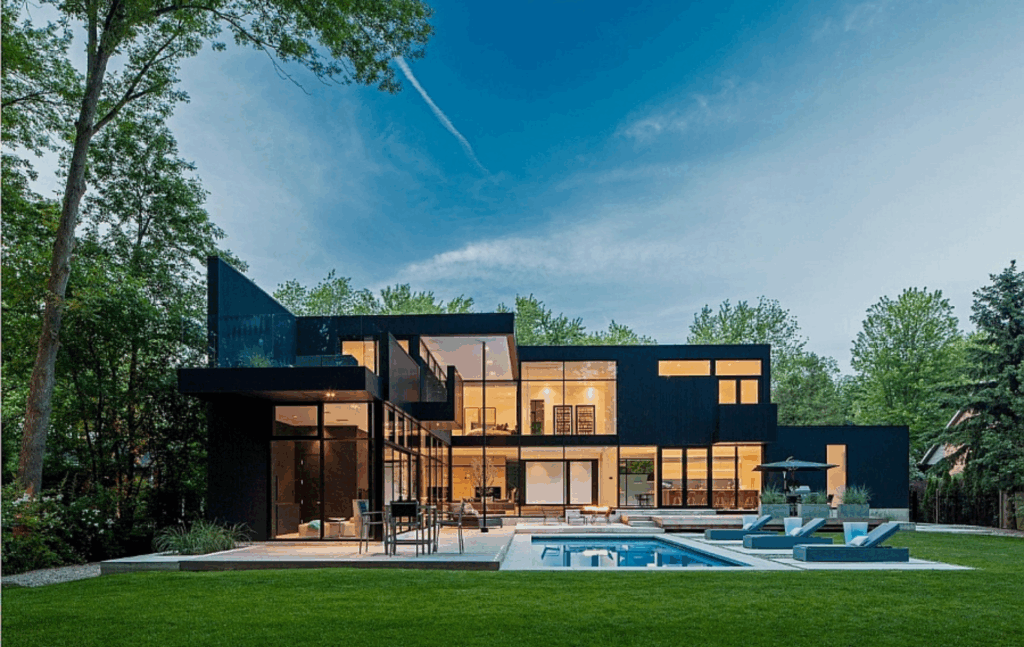
The rise of windowless luxury homes reflects broader cultural changes around visibility and status. Transparency once symbolized openness and success. Today, it often signals exposure. Ultra-wealthy homeowners increasingly reject performative architecture that broadcasts lifestyle. Instead, they embrace restraint and discretion. In elite circles, invisibility conveys power more effectively than display. This shift aligns with evolving luxury values where privacy equals sophistication. Architecture adapts to cultural psychology, not trends. Windowless homes represent a rejection of spectacle in favor of autonomy. In the Architectural trend category, this move marks a decisive break from glass-dominated modernism toward a more inward, protective design philosophy.
Market Value and the Appeal of Extreme Privacy Assets
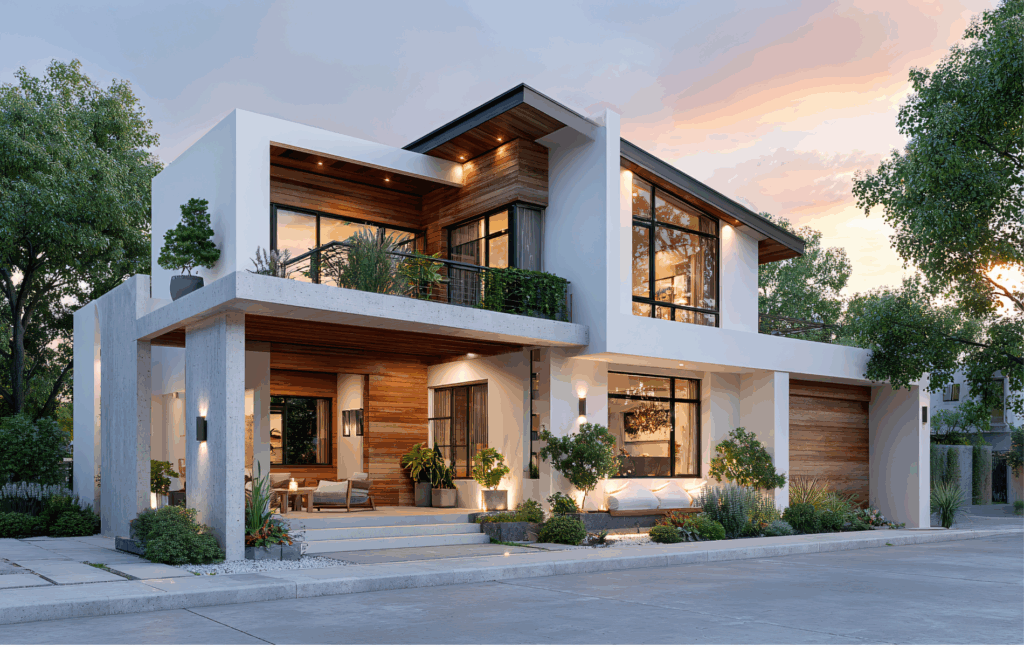
Windowless luxury homes attract a highly specific but resilient buyer segment. These buyers prioritize privacy above resale visibility. Transactions often occur off-market, reinforcing exclusivity. Value derives from scarcity and purpose rather than mass appeal. As surveillance concerns grow, demand for extreme privacy assets increases. In the Real Estate market, properties offering structural privacy command premium interest despite unconventional design. These homes future-proof value by addressing long-term risks rather than short-term tastes. Extreme privacy becomes a durable investment theme.
When Architecture Turns Inward to Protect What Matters
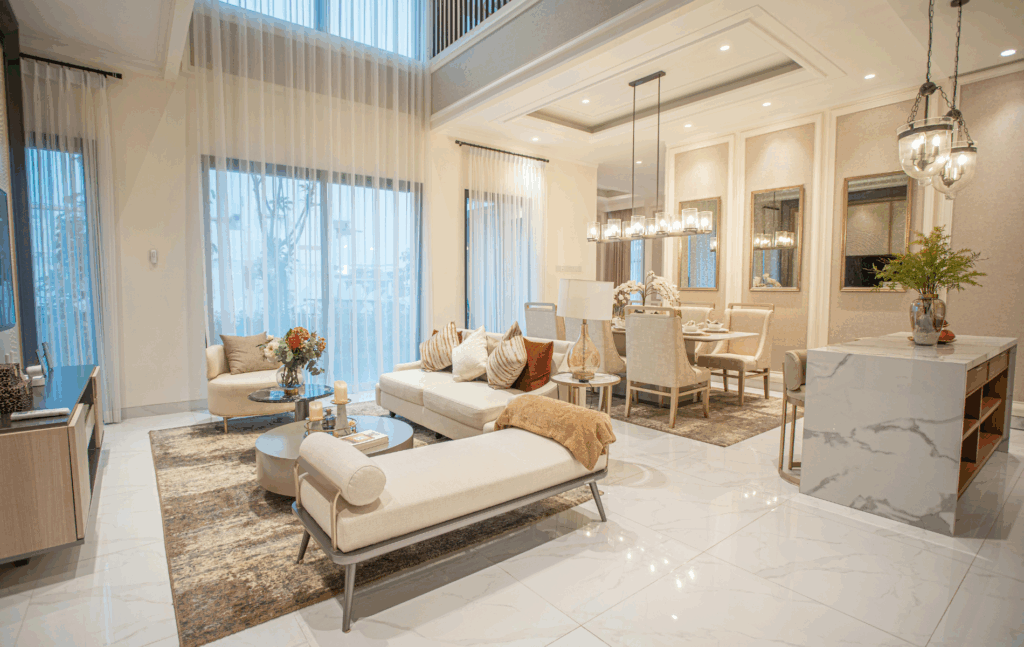
Luxury homes designed without windows represent a fundamental shift in architectural priorities. They reject openness as default and embrace control, calm, and concealment. In a world defined by visibility and intrusion, these homes offer something rare: uninterrupted privacy. Windowless luxury homes are not about hiding from the world, but about choosing how and when to engage with it. As privacy becomes the ultimate luxury, architecture adapts accordingly, turning inward to protect what matters most.