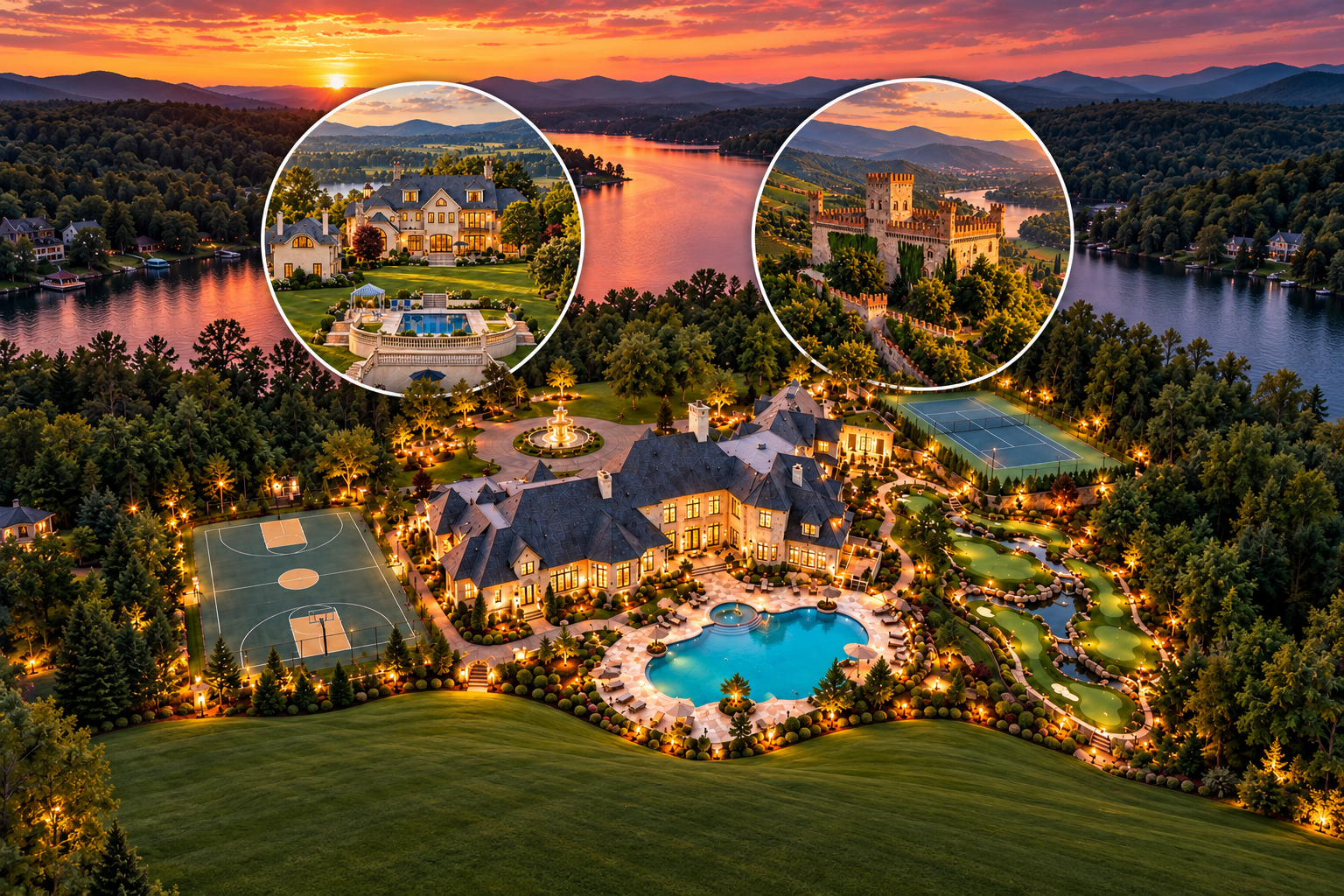

When Anonymity Becomes the Ultimate Architectural Feature
In the world of ultra-high-end real estate, visibility is no longer synonymous with value. Instead, true luxury increasingly manifests through invisibility, discretion, and controlled access. One of the clearest expressions of this shift appears in the growing number of ultra-luxury villas designed without traditional street addresses. These properties exist outside conventional mapping systems, postal directories, and public records, offering owners a level of privacy that standard gated communities cannot match. The absence of a street address is not an oversight. It is a deliberate design and legal strategy that blends architecture, land planning, and administrative structure into a single privacy framework. For individuals exposed to global attention, anonymity protects personal safety, family life, and long-term asset control. This article explores how and why these villas operate beyond traditional addressing systems, examining the architectural, legal, and psychological logic behind extreme residential privacy. In the modern Real Estate landscape, address-free design signals a new tier of exclusivity where privacy itself becomes the primary luxury.
Why Villas Without Street Addresses Redefine Extreme Privacy
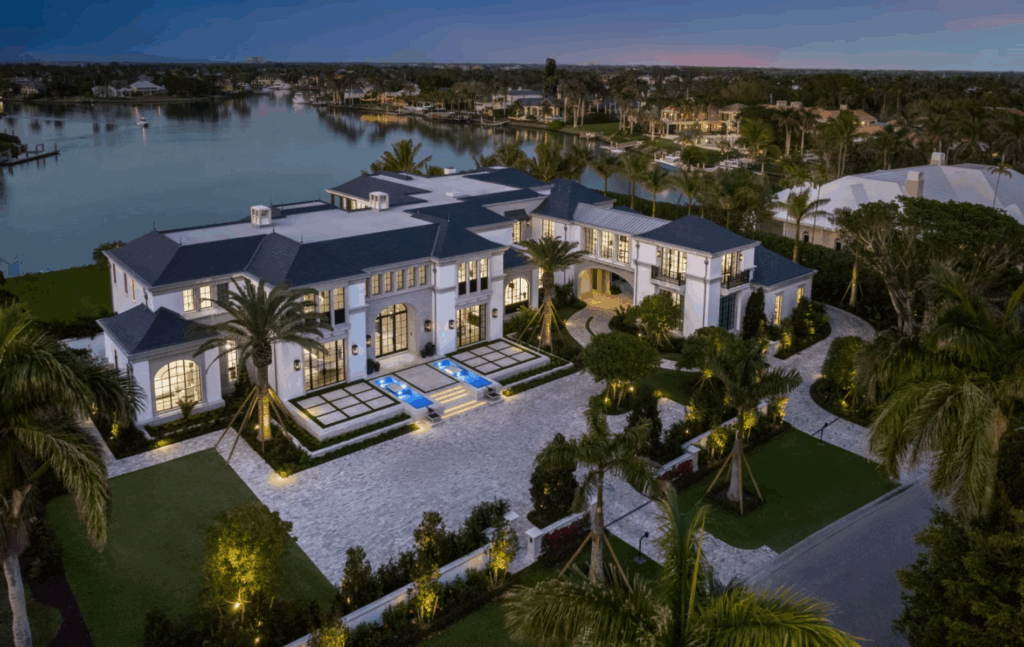
Villas without street addresses redefine extreme privacy because they remove the most basic reference point used to locate a property. A street address anchors a home to public systems such as mapping platforms, delivery networks, and municipal databases. By eliminating that anchor, owners dramatically reduce digital and physical traceability. These villas often rely on private access roads, unmarked entrances, or internal naming systems rather than publicly registered numbers. The result is an estate that exists legally yet remains invisible to casual search. This approach protects residents from unsolicited visitors, data aggregation, and location-based exposure. In high-net-worth environments, even minor visibility can escalate into security risk. From an Extreme privacy perspective, removing the address severs the link between property and public infrastructure. It transforms the villa into a controlled environment accessible only through deliberate permission. This level of anonymity appeals to individuals who value freedom of movement and personal autonomy over recognition or convenience, marking a clear departure from conventional luxury real estate norms.
Land Selection and Zoning Strategies That Enable Address-Free Design
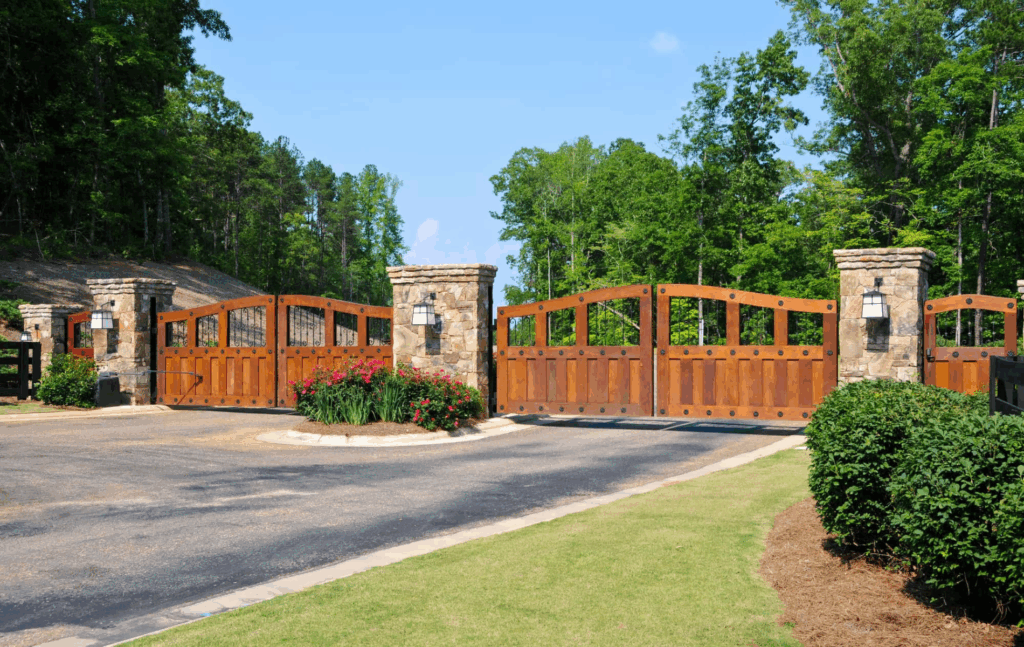
The ability to design villas without street addresses begins with land selection and zoning strategy. Ultra-luxury developers prioritize parcels located within private estates, large land tracts, or jurisdictions that allow non-standard addressing frameworks. These areas often feature flexible land-use regulations, private easements, or historical property classifications that do not require conventional street numbering. Developers work closely with planners to ensure legal compliance while preserving anonymity. Private roads remain unadopted by municipalities, which prevents automatic address assignment. Additionally, properties may fall under estate designations rather than residential lots, further reducing public documentation. In the Real Estate sector, this approach requires foresight and coordination but yields long-term privacy benefits. Land becomes more than a foundation. It becomes a buffer against exposure. Address-free design starts at the planning level, long before architectural drawings take shape.
Architectural Design That Conceals Rather Than Announces
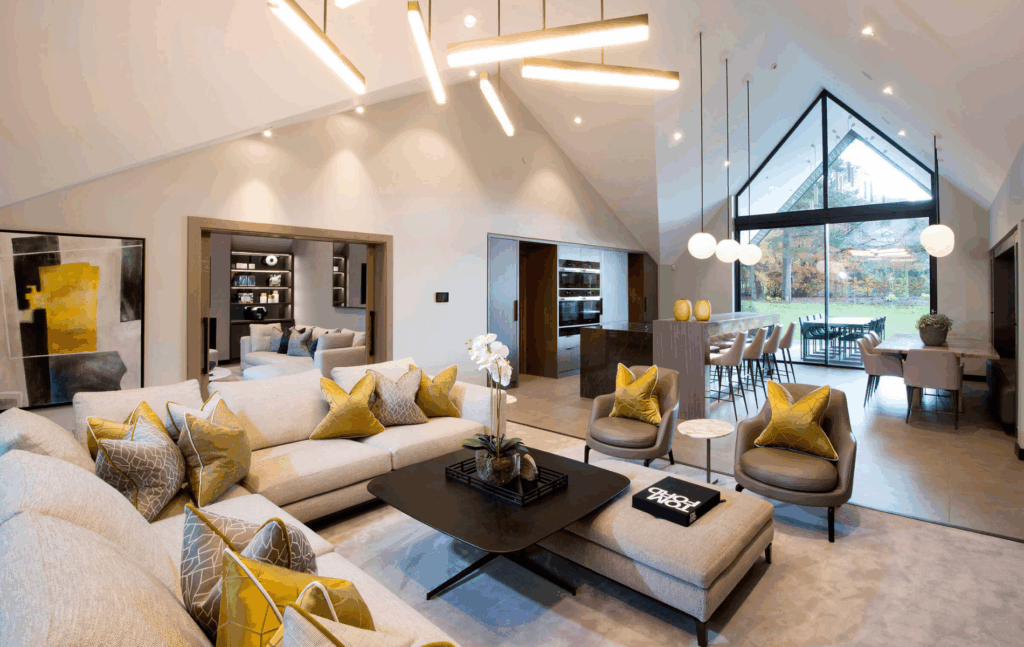
Architecture plays a critical role in supporting villas designed without street addresses. These homes avoid visual cues that invite attention, such as prominent facades, signage, or visible entry points. Instead, they integrate with the landscape through earth-toned materials, recessed structures, and organic forms that blend into surroundings. Driveways curve or disappear underground, eliminating sightlines from public areas. Entrances remain understated and often invisible from approach routes. This design philosophy prioritizes concealment without sacrificing comfort or elegance. Internally, layouts emphasize inward-facing courtyards and protected views, reinforcing privacy at every level. In Extreme privacy design, architecture functions as both shelter and filter. It controls what can be seen, from where, and by whom. The villa communicates restraint rather than status, aligning with the values of owners who view invisibility as the highest form of security.
Legal Structuring and Administrative Anonymity
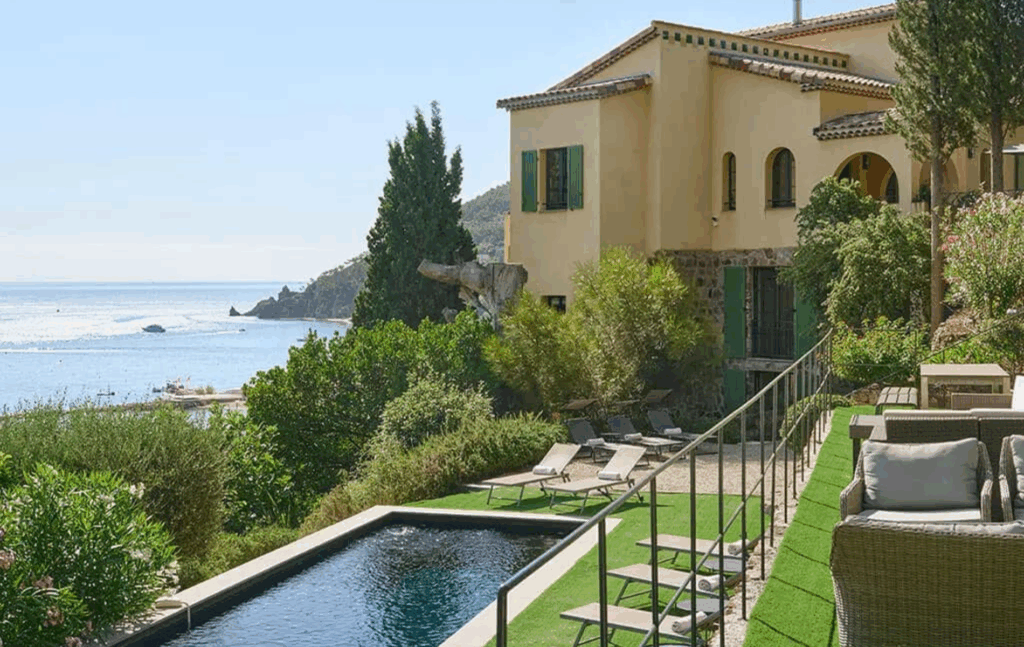
Beyond architecture, villas without street addresses rely on careful legal and administrative structuring. Ownership entities often separate personal identity from property records, using layered holding structures to reduce traceability. Addressing systems may reference parcel identifiers, estate names, or internal codes rather than public street numbers. Mail handling, deliveries, and services route through controlled access points rather than direct property endpoints. This structure ensures operational functionality without compromising anonymity. In Real Estate, administrative invisibility complements physical design. It prevents data aggregation that could expose location through indirect channels. Legal compliance remains intact, yet public visibility stays minimal. This balance requires expert planning but offers unparalleled privacy protection. For ultra-wealthy owners, administrative control matters as much as architectural discretion.
Technology, Mapping, and Digital Invisibility
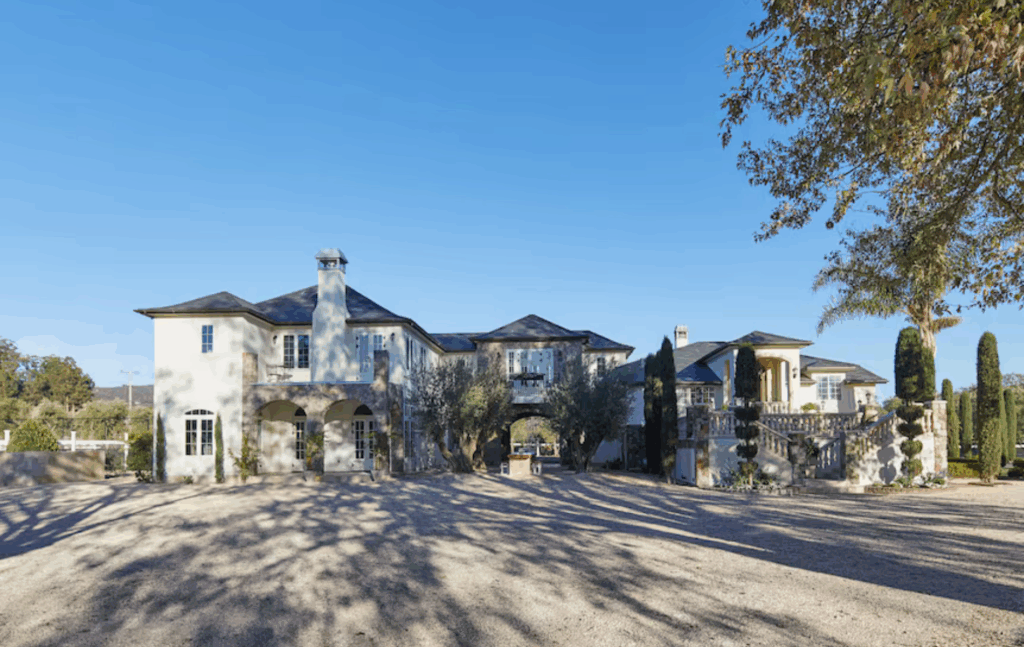
Modern privacy extends into the digital realm, where mapping services and data brokers create virtual exposure. Ultra-luxury villas designed without street addresses actively manage digital presence by limiting map inclusion, suppressing geolocation tags, and controlling aerial imagery visibility. Technology systems operate on private networks, reducing data leakage. Smart infrastructure remains internal rather than cloud-dependent, preventing digital footprints from accumulating. In the Extreme privacy context, digital invisibility reinforces physical anonymity. Owners understand that modern threats often originate from data rather than proximity. By controlling digital representation, these villas remain unlisted, unsearchable, and effectively untraceable across platforms. Privacy becomes proactive rather than defensive.
Lifestyle Implications of Living Without an Address
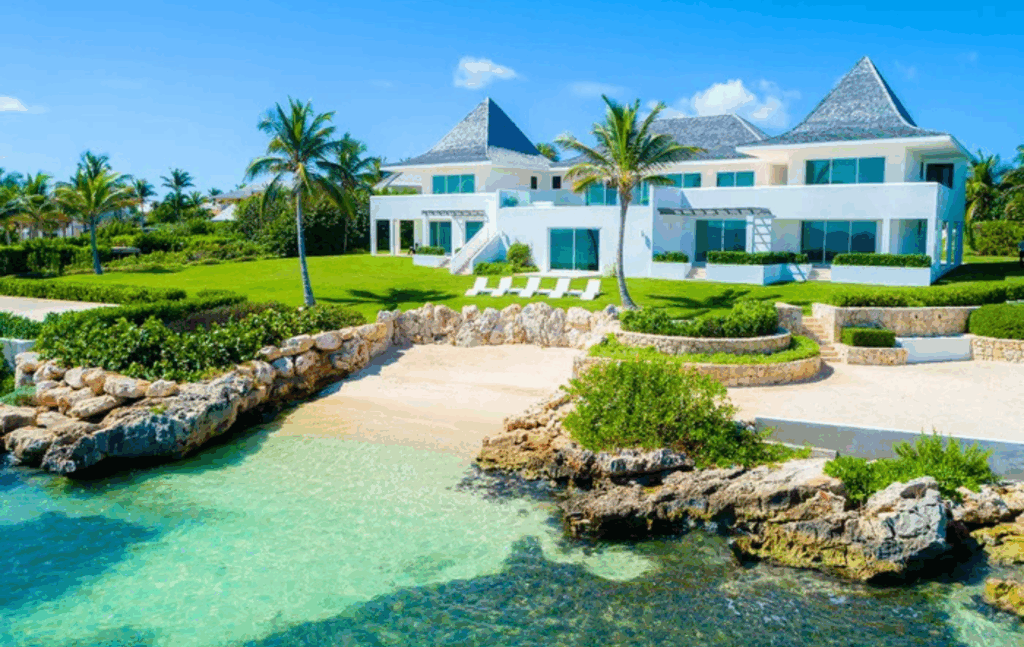
Living without a street address reshapes daily routines and expectations. Deliveries, guest access, and services operate through controlled coordination rather than automation. This deliberate friction enhances security while reinforcing intentional living. Residents experience fewer interruptions, reduced exposure, and greater autonomy over their environment. While convenience adjusts, freedom expands. In villas without street addresses, lifestyle design favors control over immediacy. This appeals to individuals who value peace, focus, and separation from public systems. The absence of an address becomes a psychological boundary as much as a logistical one, supporting a calmer, more private way of living.
Long-Term Value and Ultra-Private Market Demand
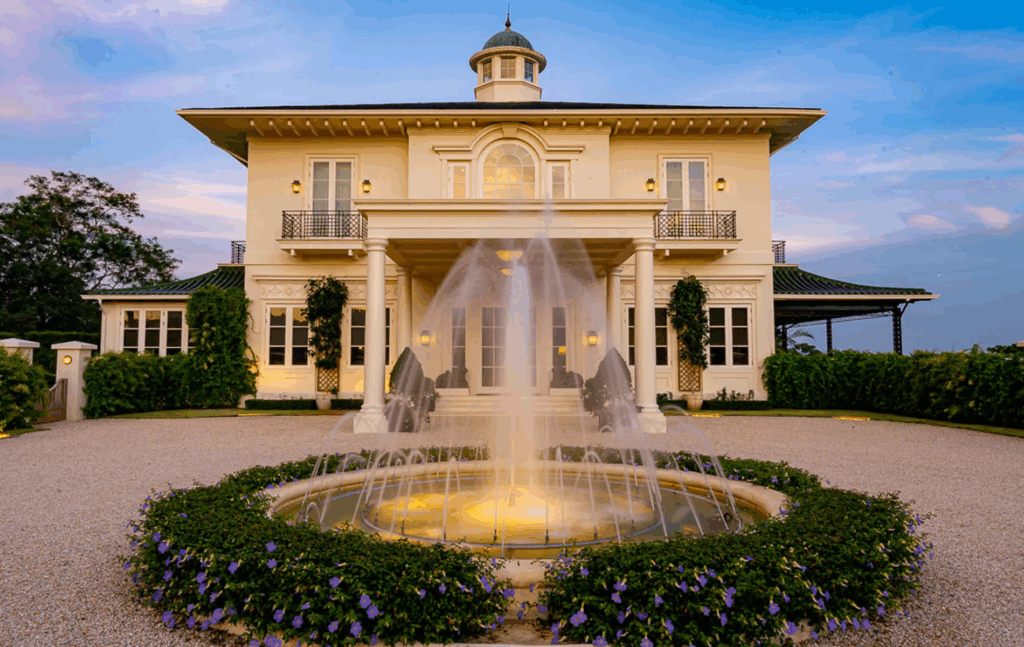
From an investment perspective, address-free villas appeal to a niche but resilient buyer segment. Demand originates from individuals who prioritize privacy above all else. These properties trade quietly, often off-market, preserving exclusivity. Their value derives from scarcity, discretion, and strategic planning rather than visibility. In the Real Estate market, extreme privacy properties behave differently from conventional luxury assets. They attract fewer buyers, but those buyers demonstrate stronger commitment and long-term holding patterns. Address-free design future-proofs value as privacy becomes increasingly rare.
When a Missing Address Defines True Luxury
Ultra-luxury villas designed without street addresses represent a fundamental shift in how privacy, value, and identity intersect in real estate. These properties reject visibility in favor of control, creating environments where life unfolds beyond public awareness. In a world defined by data, exposure, and constant connectivity, anonymity has become the rarest luxury of all. For those who can access it, living without an address offers not isolation, but freedom.