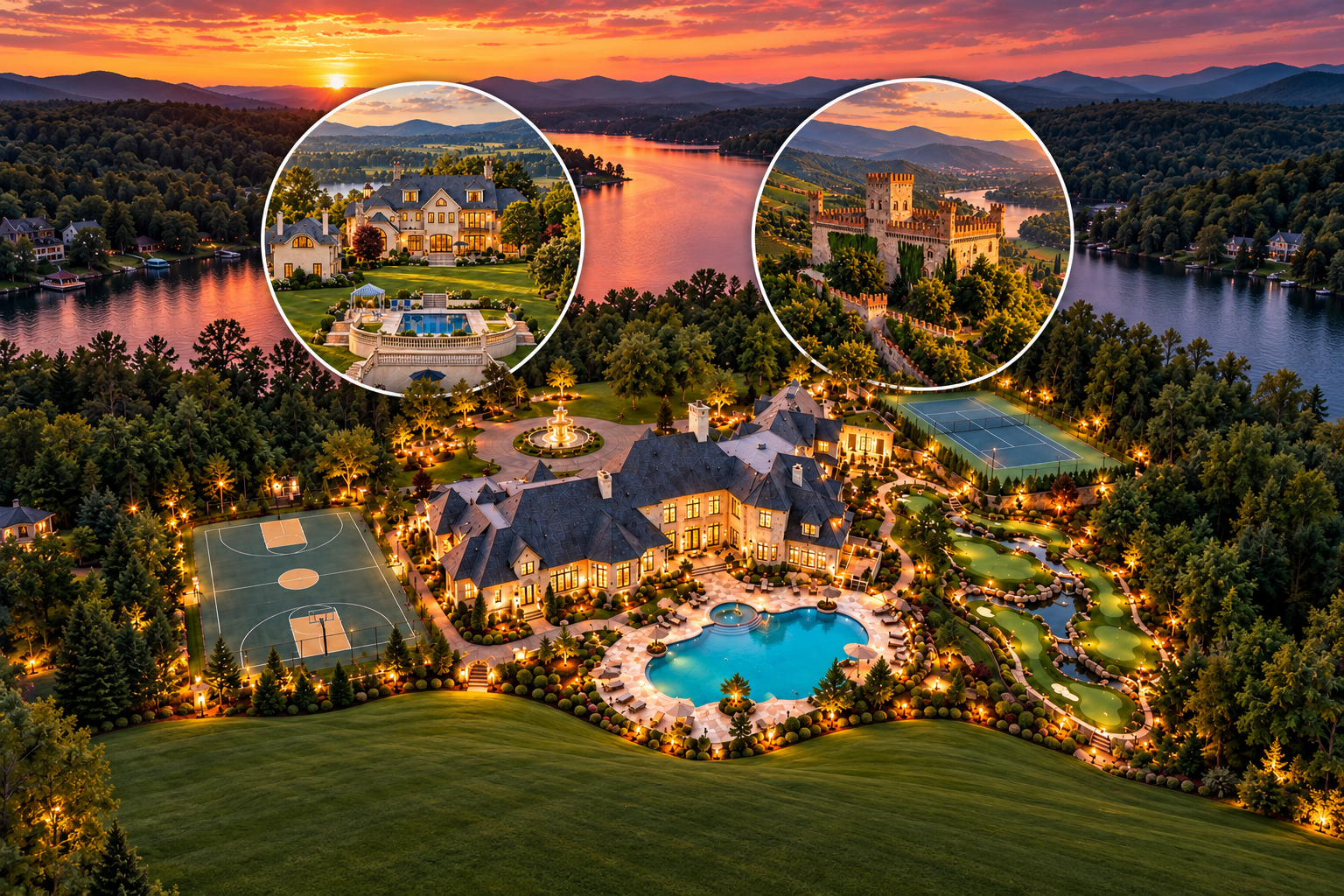

Privacy as the New Luxury Standard
Ultra-wealthy families now treat privacy as a core design requirement rather than an added feature. In a world shaped by constant surveillance, drones, paparazzi lenses, and social media amplification, the modern luxury home must operate as a protective environment, not a display object. Wealth alone no longer defines exclusivity. Control over visibility defines it. This shift has driven a quiet revolution in high-end residential architecture, where discretion dictates form, layout, and materials.The concept of billionaire home privacy design has evolved beyond tall walls and gated entries. It now includes spatial psychology, advanced technology, and subtle visual deception. Homes appear modest from the street while concealing expansive living areas underground or behind layered barriers. Architects and designers collaborate closely with security consultants to remove exposure points before construction begins.
This blog explores how ultra-wealthy families redesign their homes to minimize unwanted attention while preserving comfort, beauty, and long-term value. The focus remains on design intelligence rather than spectacle. Each section highlights strategies that balance architectural excellence with invisibility, offering insight into how privacy-driven architecture reshapes modern real estate at the highest level.
Strategic Site Selection and Orientation

The foundation of privacy-driven architecture begins long before walls rise. Site selection determines how much exposure a property will face throughout its lifespan. Ultra-wealthy families prioritize parcels with natural isolation, elevation control, and limited sightlines. Hillsides, inward-facing valleys, and lots bordered by protected land offer built-in concealment that no architectural feature can fully replicate.
Orientation plays an equally critical role. Architects position structures to turn living spaces away from roads, neighboring properties, and aerial paths. Windows face inward courtyards rather than outward vistas. Driveways curve instead of running straight, preventing direct visual access from the street. Even sunlight studies influence layout, ensuring that openness never sacrifices discretion.
In redesign projects, existing homes often undergo reorientation through landscape manipulation or structural additions. Earth berms, subtle elevation changes, and strategic planting alter visibility without signaling defensive intent. This approach preserves aesthetic harmony while strengthening privacy.
From a Real Estate perspective, these decisions protect long-term asset value. Properties designed with privacy at the land level age better and attract discreet buyers. Luxury real estate investment increasingly rewards homes that disappear rather than dominate.
Discreet Exterior Architecture and Visual Minimalism

Exterior design communicates more than style. For ultra-wealthy families, it also communicates boundaries. Modern privacy-focused homes avoid visual statements that attract curiosity. Clean lines, muted palettes, and restrained forms replace ornate façades. The goal involves blending into the environment rather than standing apart from it.
Architects reduce identifiable luxury markers such as grand columns, oversized windows, or dramatic entrances. Garages disappear underground. Entry points shrink in scale. Rooflines flatten to avoid skyline visibility. These choices create architectural anonymity without sacrificing craftsmanship or quality.
Redesigns often include façade simplification. Decorative elements get removed or softened. Materials such as stone, concrete, and weathered wood absorb light instead of reflecting it. This reduces photographic interest and drone visibility. The house becomes unreadable from a distance.
This strategy aligns with billionaire home privacy design principles where subtlety equals security. Visual restraint lowers the perceived value of the property from the outside, discouraging both media attention and opportunistic interest. Inside, however, the experience remains expansive and luxurious.
By controlling first impressions, homeowners gain psychological privacy. Outsiders feel less invited to look closer. This invisible barrier often proves more effective than overt security features.
Layered Landscape Design as a Privacy Shield

Landscape design functions as the first active defense layer in privacy-driven architecture. Unlike walls or fences, organic barriers communicate calm while performing critical screening functions. Ultra-wealthy families invest heavily in multi-layered landscaping that blocks sightlines without appearing fortified.
Designers use staggered plant heights, dense hedges, mature trees, and sculpted landforms to obscure views from every angle. Water features generate ambient noise that disrupts long-distance audio recording. Green buffers absorb movement and soften shadows, making photography difficult.
In redesign projects, landscapes often receive higher budgets than structures. Moving earth, importing mature vegetation, and reshaping terrain create instant privacy. These changes feel natural rather than defensive. Over time, the landscape improves rather than degrades, increasing both privacy and property value.
From above, green roofs and planted terraces replace hard surfaces. These elements reduce thermal signatures and drone clarity. Visual continuity with surrounding nature makes the home harder to isolate visually.
This approach supports sustainable luxury design while protecting residents. The result feels peaceful, not paranoid. Privacy becomes an experience rather than a reaction.
Interior Zoning and Circulation Control

Privacy does not stop at the exterior. Interior layouts in ultra-wealthy homes follow strict zoning principles. Public, semi-private, and private areas remain clearly separated through circulation design rather than signage or doors. Guests never access family corridors. Staff routes stay hidden.
Redesign projects often rework circulation paths to eliminate accidental encounters. Hallways curve. Elevators require access authorization. Staircases separate service and residential movement. This structure protects daily life from intrusion while maintaining efficiency.
Rooms orient inward toward courtyards or protected views. Bedrooms never face public access points. Home offices sit deep within the plan to prevent sound leakage or visual exposure during virtual meetings.
This spatial strategy supports high-net-worth lifestyle design where privacy enhances comfort. Families move freely without managing visibility. The architecture performs the work silently.
Interior zoning also improves security response. Restricted areas remain easy to isolate if needed. Yet the home still feels open and fluid to its residents. This balance defines advanced billionaire home privacy design.
Advanced Materials and Acoustic Privacy Solutions

Materials play a quiet but powerful role in media avoidance. Ultra-wealthy families select finishes that absorb sound, block vibration, and prevent optical penetration. Walls contain layered insulation systems designed for acoustic isolation. Floors reduce impact noise. Ceilings hide sound-dampening structures behind refined finishes.
Glass selection receives special attention. Laminated, tinted, or electrochromic glass controls transparency without sacrificing daylight. Reflections distort photography. Visibility shifts depending on time of day and lighting conditions.
Redesigns frequently replace standard glazing and wall assemblies. These upgrades deliver privacy benefits without altering the home’s visual identity. The improvements feel invisible but transformative.
These material choices support luxury architectural performance rather than decoration. Residents gain freedom from eavesdropping, recording devices, and accidental exposure.
By integrating these systems early, designers avoid retroactive solutions that disrupt aesthetics. Privacy becomes embedded rather than applied.
Smart Technology Without Digital Exposure

Technology enhances privacy when implemented thoughtfully. Ultra-wealthy families demand systems that operate locally rather than through public networks. Smart homes function offline whenever possible, reducing data leakage risks.
Surveillance systems remain hidden and inward-facing. Facial recognition operates privately. Perimeter alerts avoid visible cameras that attract curiosity. Automation controls lighting, sound, and access dynamically to manage visibility in real time.
Redesigns often remove consumer-grade smart devices and replace them with bespoke privacy systems. These platforms integrate security without sacrificing discretion.
This approach reflects modern privacy-first luxury living. Technology serves the residents quietly instead of broadcasting their lifestyle. Control replaces convenience.
As media tactics evolve, digital privacy becomes architectural responsibility. Homes now defend both physical and informational boundaries.
Underground and Hidden Architectural Expansions

One of the most effective media-avoidance strategies involves building downward instead of outward. Ultra-wealthy families increasingly expand homes underground to maintain low exterior profiles. Gyms, theaters, galleries, and wellness spaces disappear below grade.
Redesigns use excavation to double usable space without altering street presence. Light wells, sunken courtyards, and atriums bring daylight underground while preserving privacy.
This strategy protects zoning compliance while avoiding attention. The home remains visually modest despite its true scale. From a Real Estate perspective, underground expansion preserves resale flexibility.
Hidden architecture reflects long-term thinking. Visibility declines. Functionality increases. Privacy improves without confrontation.
This approach defines contemporary billionaire home privacy design where scale exists without exposure.
Long-Term Value and Legacy Considerations

Privacy-driven architecture protects more than daily life. It safeguards legacy. Ultra-wealthy families design homes that outlast media cycles and generational attention. Discretion ensures longevity.
Redesign decisions prioritize adaptability. Layouts evolve. Technology updates quietly. Landscapes mature. The home improves with time rather than revealing its age.
From an investment standpoint, privacy enhances desirability among future buyers who value discretion. These properties rarely appear publicly, increasing perceived exclusivity.
This final layer transforms the home into a private asset, not a public symbol. The architecture supports life without spectacle.
Privacy, once a luxury feature, now defines true luxury itself.
Designing Invisibility with Intention
Ultra-wealthy families no longer compete for visibility. They compete for control. Through thoughtful redesign, architecture now shields lifestyle, legacy, and peace of mind. Billionaire home privacy design reflects intelligence, restraint, and foresight rather than excess.