
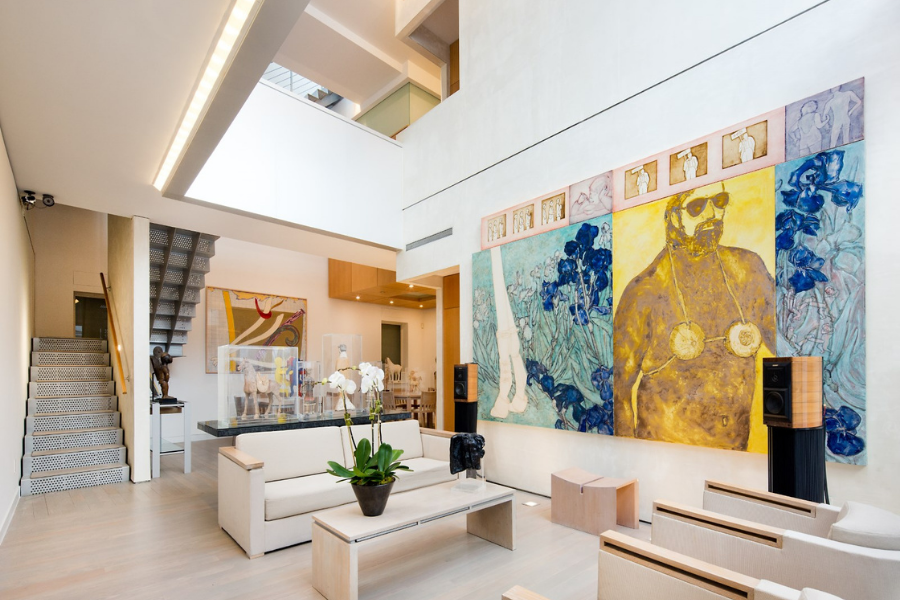
When Art Becomes a Dynasty Asset
At the highest levels of wealth, art is no longer acquired for decoration alone. For trillionaire families and multi-generational dynasties, the Billionaire Art Collection Strategy is an asset that simultaneously carries cultural influence, financial value, and legacy power.
Unlike public collectors, wealthy dynasties operate quietly. Their acquisitions rarely appear at auction headlines, and their names are often absent from museum labels. Instead, masterpieces are secured through private channels, managed through sophisticated legal structures, and positioned within long-term wealth strategies that extend far beyond market cycles.
This article explores how elite families build and protect world-class collections, focusing on Billionaire Art Collection Strategies that prioritize discretion, private sales, and intelligent tax planning through art trusts.
Billionaire Art Collection Strategies Asset, Not a Luxury Purchase
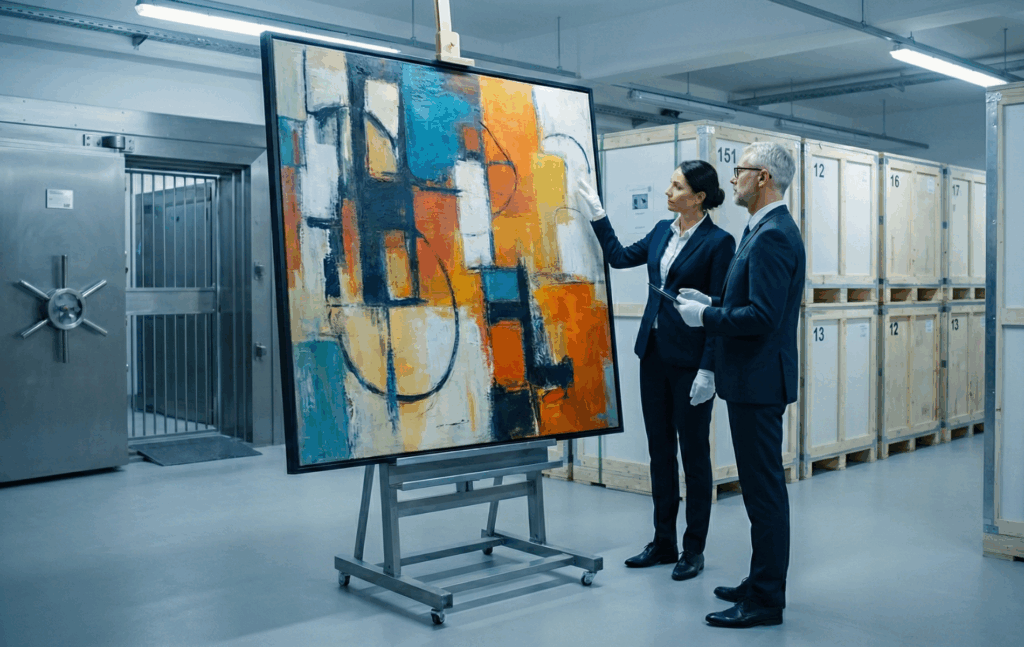
For ultra-wealthy families, art is treated less like a passion buy and more like a strategic allocation. Paintings, sculptures, and historical artifacts sit alongside real estate, private equity, and operating businesses as part of a diversified wealth structure.
Art offers unique advantages. It is portable, finite, and culturally irreplaceable. Masterpieces often appreciate independently of traditional financial markets, making them attractive hedges during periods of economic volatility. At the dynasty level, art also conveys soft power—signaling cultural stewardship rather than commercial ambition.
This mindset shapes every acquisition decision. Art is evaluated not only for aesthetic importance, but for provenance, scarcity, long-term relevance, and how it fits into the family’s broader legacy narrative.
Why Billionaire Art Collections Are Built in Private
Public auctions represent only a fraction of the high-end art market. The most important works rarely reach the auction block at all. Instead, they change hands privately, often after years of relationship-building.
Private sales offer confidentiality, price stability, and control. Sellers avoid public scrutiny and market risk, while buyers secure works without triggering competitive bidding wars. For billionaire families, privacy is not a preference—it is a requirement.
Trusted intermediaries play a central role in these transactions. Advisors, dealers, and family office art consultants quietly source opportunities, negotiate terms, and structure acquisitions away from public view. This closed ecosystem is fundamental to effective Billionaire Art Collection Strategies.
Securing Private Sales: Relationships Over Visibility
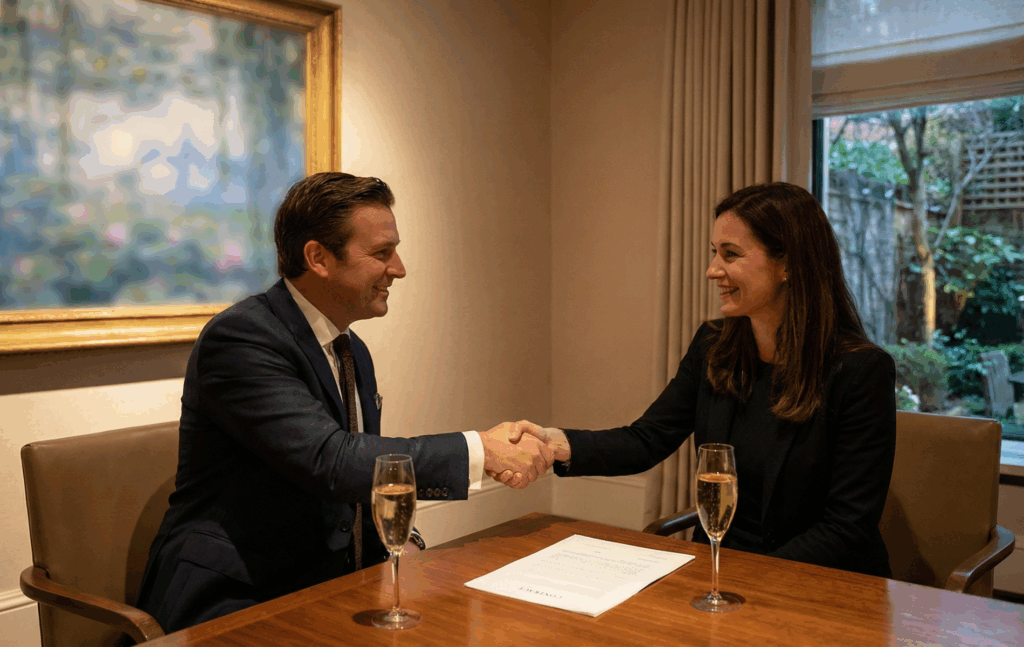
At the top of the art world, access matters more than capital. Wealth alone does not guarantee entry into private sales of museum-grade works. Relationships, reputation, and discretion determine who gets the call.
Elite collectors often spend decades cultivating trust with galleries, estates, and other collectors. They demonstrate long-term commitment rather than speculative intent, reassuring sellers that their works will be preserved rather than flipped.
Private sales also allow for nuanced negotiation. Payment terms, future exhibition loans, and confidentiality clauses can all be tailored to align with the interests of both parties. For dynastic collectors, these bespoke arrangements are far more valuable than the transparency of a public auction.
The Role of Family Offices in Art Acquisition

Most trillionaire art portfolios are managed through family offices rather than individual decision-makers. These offices integrate art acquisition into broader investment, legal, and tax planning frameworks.
Family offices coordinate due diligence, provenance verification, valuation analysis, and insurance. They also manage storage, conservation, and long-term planning for artworks that may not be displayed publicly for years.
By centralizing decision-making, family offices ensure that art acquisitions align with generational goals. This institutional approach distinguishes casual collectors from dynastic ones and reinforces art’s role as a permanent family asset.
Art Trusts and Long-Term Ownership Structures
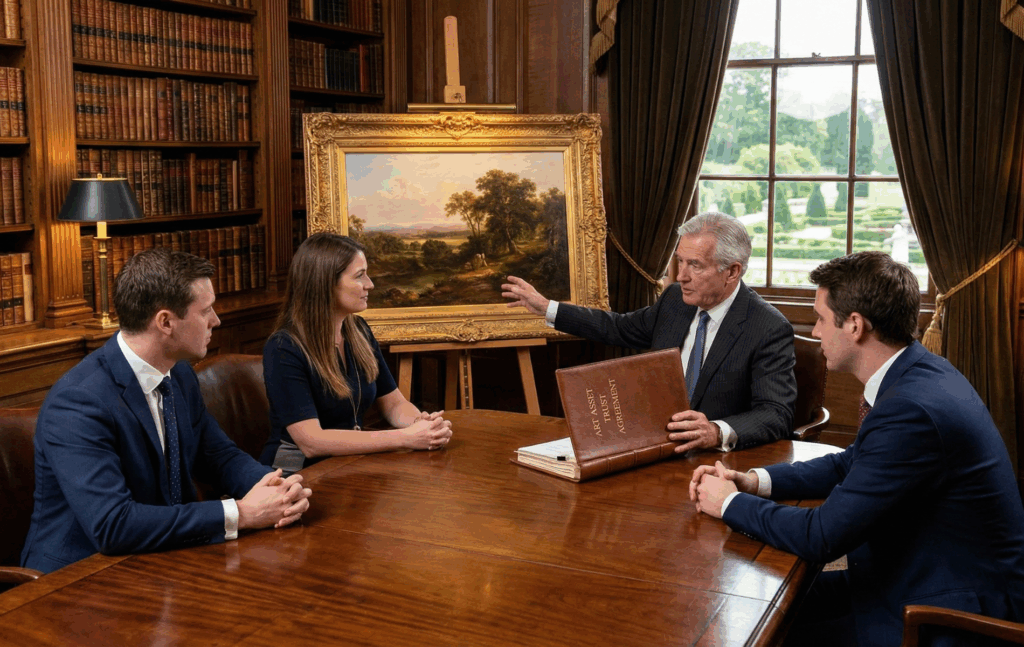
As collections grow in value, ownership structure becomes critical. Many wealthy families use art trusts to hold and manage their collections, separating personal ownership from legal control.
Art trusts offer several advantages. They facilitate generational transfer, reduce estate complexity, and allow families to define clear rules around management and disposition. In some cases, trusts can also support philanthropic goals by enabling future museum loans or donations.
The tax implications of art trusts are complex and jurisdiction-dependent, but for large collections, they are often essential. Without proper structuring, families risk significant tax exposure during inheritance or relocation events. For this reason, art trusts are a cornerstone of advanced Billionaire Art Collection Strategies.
Understanding the Tax Implications of Art Ownership

Art is subject to a unique and often misunderstood tax landscape. Capital gains, import duties, inheritance taxes, and valuation disputes can all impact the long-term economics of a collection.
Wealthy families typically work with specialized tax advisors who understand cross-border art ownership. Strategies may include jurisdictional planning, deferred sales, or strategic donations to mitigate tax burdens.
Art trusts play a critical role here, but they are not one-size-fits-all solutions. Proper planning requires alignment between legal structures, residency considerations, and long-term family objectives. In elite collecting, tax efficiency is not about avoidance—it is about foresight.
Storage, Security, and Preservation

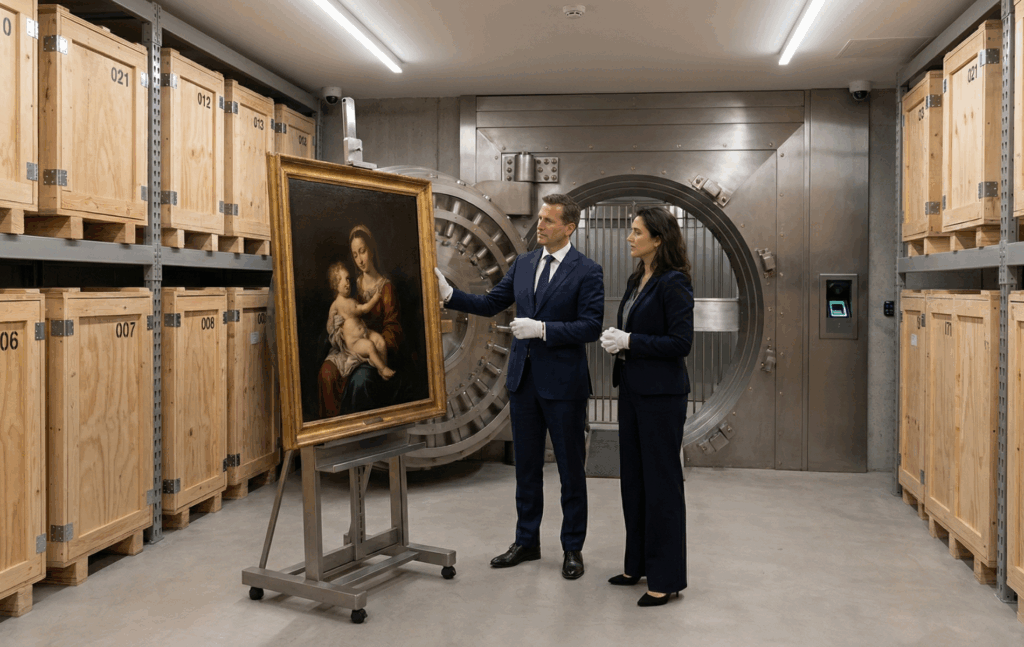
Many masterpieces are not displayed in private homes. Instead, they are stored in highly secure, climate-controlled facilities designed specifically for fine art. These environments protect works from damage, theft, and environmental degradation.
For billionaire collectors, storage is not merely logistical—it is strategic. Proper storage preserves value, supports insurance requirements, and allows flexibility in when and where works are displayed or loaned.
Security protocols, confidentiality agreements, and insurance coverage are carefully layered. The physical protection of art mirrors the financial sophistication behind its acquisition.
Art as Legacy and Cultural Influence
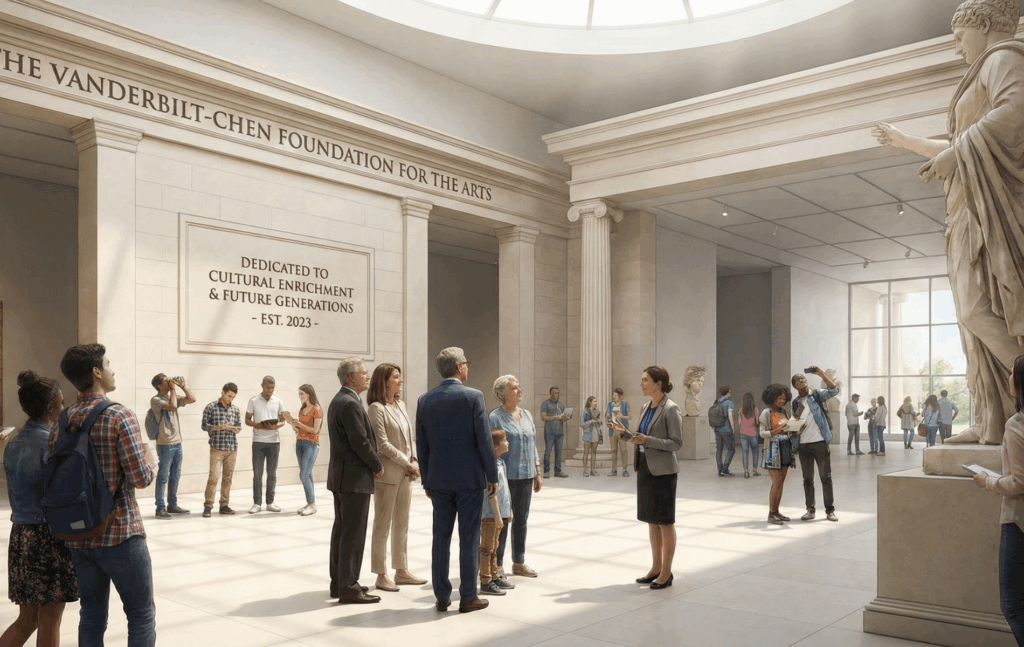
Beyond financial considerations, art plays a powerful role in shaping family identity. Collections often reflect a dynasty’s values, history, and worldview. Over time, they become cultural statements rather than private possessions.
Some families choose to remain invisible, while others gradually step into public stewardship through museum partnerships or foundations. In both cases, art serves as a bridge between private wealth and public culture.
This long-term perspective differentiates dynastic collectors from market-driven buyers. Art is not accumulated for exit—it is curated for continuity.
Risk Management and Market Cycles
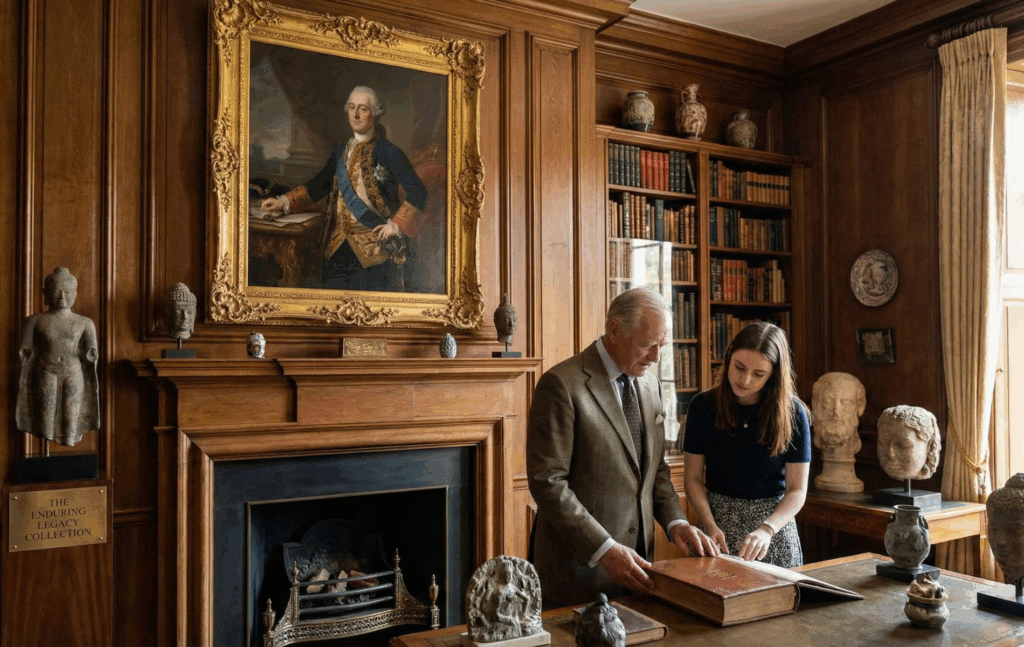
Despite its prestige, art is not immune to risk. Attribution disputes, shifting tastes, and market corrections can all affect value. Billionaire collectors mitigate these risks through diversification, expert advisory networks, and conservative valuation practices.
Importantly, dynastic collectors are rarely forced sellers. Their ability to hold through downturns allows them to weather market cycles that might destabilize smaller collectors. This patience reinforces art’s role as a stabilizing asset within ultra-large portfolios.
The Quiet Power of Strategic Art Ownership
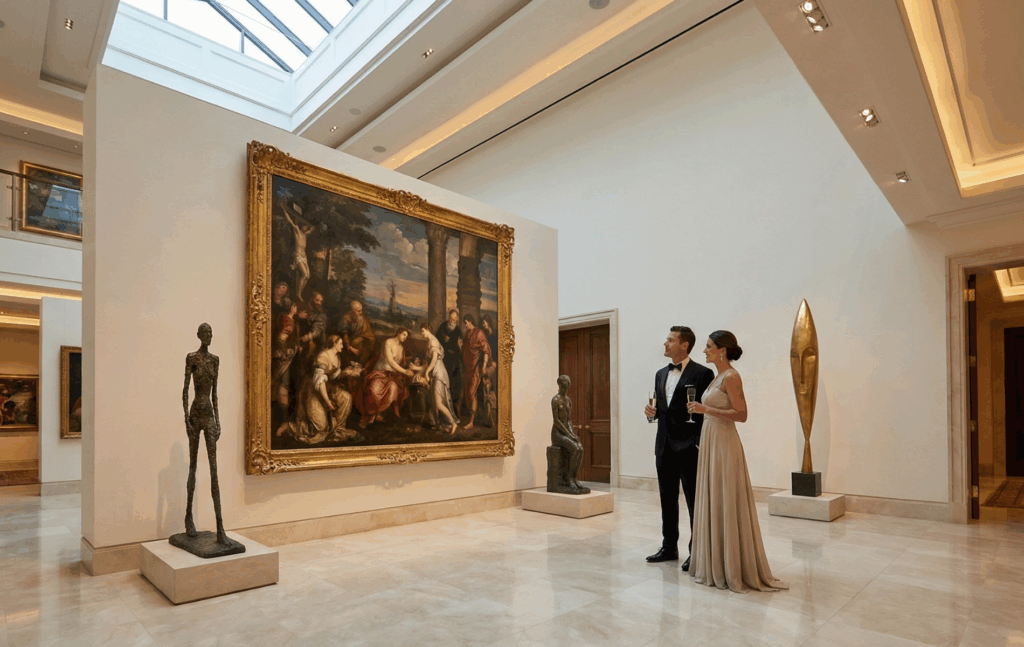
At the trillionaire level, art collecting is neither impulsive nor purely emotional. It is deliberate, structured, and deeply integrated into long-term wealth planning.
Through private sales, carefully designed trusts, and sophisticated tax strategies, wealthy dynasties acquire masterpieces with intention and discretion. These Billionaire Art Collection Strategies ensure that art remains protected, relevant, and impactful across generations.
Ultimately, the greatest art portfolios are not built in public view. They are assembled quietly, managed intelligently, and preserved with a sense of responsibility that extends far beyond ownership.
For those who operate at this level, art is not simply something to own—it is something to steward.