The Hypothetical Saleroom and the Acoustic Architecture of Capital
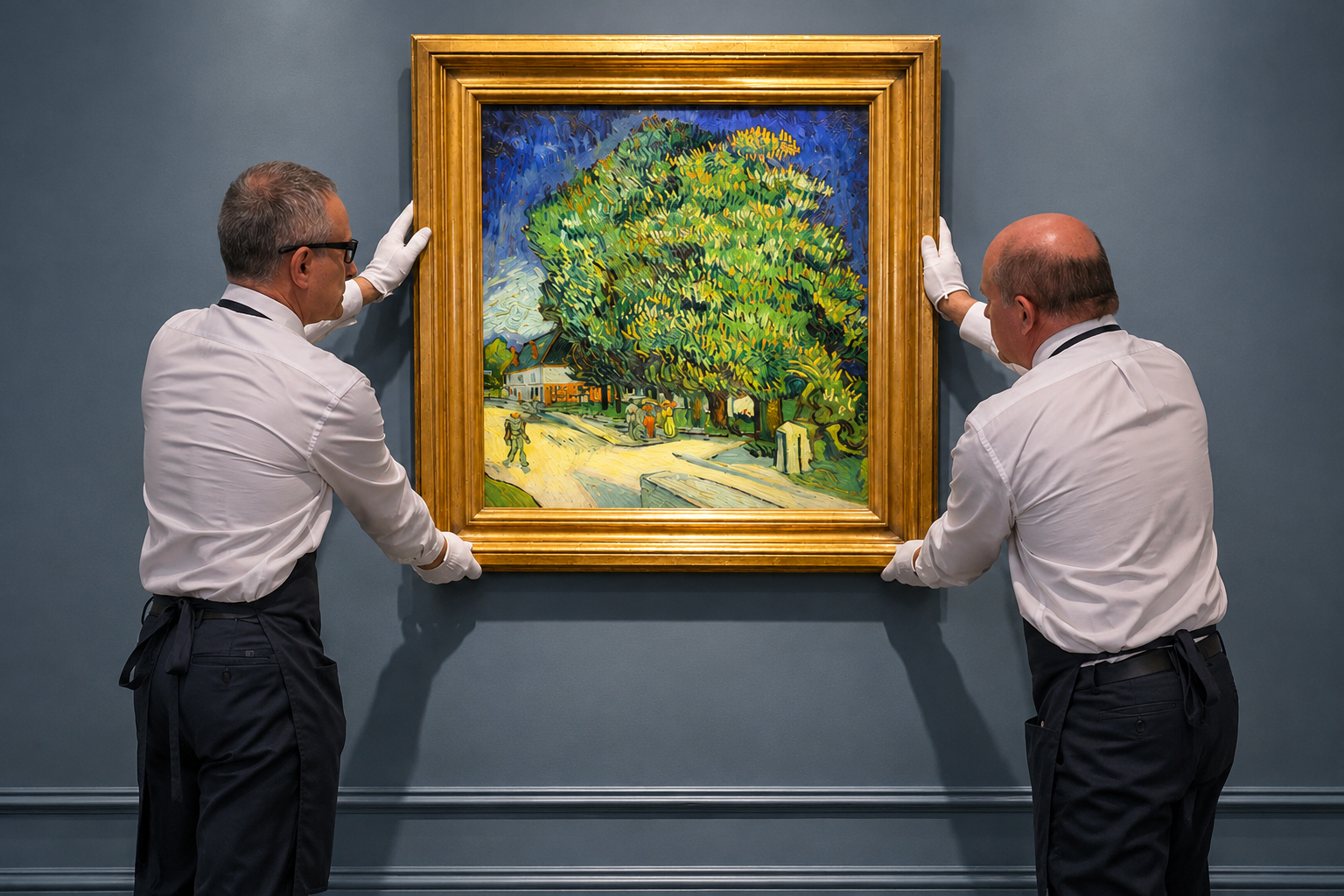
The ceiling features specialized acoustic baffles constructed from micro-perforated wood panels. The microscopic holes absorb the mid-range frequencies, preventing the echo that plagues standard commercial spaces. This scenario analysis examines the mechanical and logistical architecture that would govern a hypothetical Van Gogh $190.4 Million Painting sale, a transaction that would represent the highest confirmed price for the artist at auction. The painting sits in a specialized vibration-dampened glass case at the front of the room. The case rests on a milled aluminum plinth isolating the canvas from the microscopic tremors of the underground train network running beneath the building. The auctioneer drops the gavel. The sound of the wooden mallet striking the sounding block generates a specific acoustic frequency of 250 Hertz. The transaction bypasses the traditional retail ecosystem entirely. The acquisition occurs through a highly structured bidding protocol. The buyer signs a private contract, acquiring a physical manifestation of extreme cultural capital. The valuation stems from the impossibility of replication. The chemical composition of the 19th-century oil paint cannot be reproduced.
The Provenance Forensics and the Pigment Authentication
The authentication of a Van Gogh at this valuation relies on a specific forensic architecture. The specialists utilize a specialized spectrophotometer. The instrument measures the specific light absorption of the paint. The data reveals the specific chemical signature of the pigments. Van Gogh utilized a specific set of industrial pigments available in the late 19th century. The signature is compared against a database of known authentic samples. The authentication also involves a specialized analysis of the canvas. The canvas features a specific thread count and a specific weave pattern. The pattern is unique to the specific supplier utilized by the artist. The authentication extends to the stretcher bars. The wood features a specific cellular structure. The structure is unique to the specific forest where the timber was harvested. The provenance documentation includes the original exhibition records. The records feature the specific date and the specific gallery. The documentation includes a specialized certificate of authenticity. The certificate features a specialized holographic seal. The seal prevents the forgery of the documentation. The forensic authentication ensures the absolute integrity of the asset. The engineering of the authentication process reflects the extreme capital required to control the physical infrastructure. The provenance documentation operates as a physical contract. The documentation binds the capital to the specific history of the painting.
The Escrow Mechanics and the Financial Architecture
The financial mechanics of a $190.4 million acquisition require a specific escrow architecture. The transaction bypasses the traditional banking infrastructure. The buyer utilizes a specialized art escrow service. The service holds the $190.4 million in a segregated client trust account. The capital sits in the account, completely isolated from the operational funds of the escrow company. The seller provides the original provenance documentation. The documentation includes the original certificates of authenticity. The escrow agent verifies the documentation against the forensic authentication. The agent initiates the transfer of the painting to the buyer. The painting routes through a specialized secure logistics network. The escrow agent releases the $190.4 million to the seller once the painting arrives at the designated storage facility. The financial architecture dictates the operational reality of the transaction. The engineering of the escrow prioritizes absolute financial security. The physical reality of the transaction requires a continuous capital expenditure on legal fees. The friction of the transaction ensures the physical asset remains stationary while the digital title flows through the global financial system. The escrow mechanics operate as a functional piece of financial engineering. The design prioritizes the absolute integration of the financial framework with the physical infrastructure.
The Insurance Underwriting and the Risk Assessment
The underwriting of a $190.4 million insurance policy for the painting requires a complex actuarial analysis. The mechanism of the underwriting involves a specialized Lloyd’s of London syndicate. The syndicate calculates the risk based on the specific value of the painting, the specific location, and the specific security infrastructure. The policy features a specialized agreed-value clause. The clause guarantees the payout of the full purchase price in the event of a total loss. The policy requires the installation of a specialized GPS tracking device. The device transmits the location of the shipping case in real-time. The system features a specialized accelerometer detecting rapid acceleration or harsh braking events. The data routes directly to the underwriting team. The policy requires a mandatory security escort. The escort consists of former intelligence personnel. The insurance underwriting dictates the operational reality of the painting. The financial risk of owning the asset is transferred from the owner to the global insurance market. The underwriting ensures the capital outlay remains protected against the statistical probability of a loss. The policy features a specialized exclusion for war and nuclear events. The insurance architecture ensures the absolute financial security of the asset. The engineering of the insurance reflects the extreme capital required to control the physical infrastructure. The underwriting ensures the painting remains a permanent fixture of the high-net-worth ecosystem.
The Freeport Storage and the Climate Control Architecture
The storage of a $190.4 million Van Gogh requires a highly specific environmental protocol. The painting routes to a specialized freeport storage facility. The facility operates as a bonded warehouse. The warehouse allows the international buyer to move the painting across borders without suffering immediate tax attrition. The facility maintains a strict 21 degrees Celsius and 45 percent relative humidity. The environmental control is necessary to prevent the microscopic expansion of the canvas support and the degradation of the historical pigments. The mechanism involves a specialized displacement ventilation system. The conditioned air enters the space through low-level floor diffusers. The heat generated by the lighting fixtures rises naturally. The warm air exits through high-level exhaust louvers. The mechanism eliminates the need for forced-air ductwork. The lighting features a specialized 3000 Kelvin color temperature. The color temperature enhances the warm tones of the paint without emitting ultraviolet radiation. The UV filtration prevents the photochemical degradation of the artwork. The facility features a specialized fire suppression system. The system utilizes a specialized argon gas deployment. The gas displaces the oxygen, preventing the combustion of the organic materials. The argon gas does not leave any residue. The engineering of the storage facility reflects the extreme capital required to maintain the absolute quality of the asset. The climate control architecture dictates the operational longevity of the painting.
The Secure Logistics and the Vibration-Dampened Transit
Moving the painting from the auction house to the freeport requires a specific logistical architecture. The mechanism of the transport involves a specialized secure logistics network. The painting sits in a handcrafted wooden presentation box. The box features a specialized shock-absorbing foam interior. The foam conforms to the exact shape of the frame, preventing any movement during transit. The box sits inside a sealed, tamper-evident transit case. The transit case features a GPS tracking device. The device transmits the location of the case in real-time. The case features a specialized biometric lock. The lock requires a fingerprint scan to open. The logistics team utilizes a bonded courier service. The couriers travel on commercial flights, carrying the case in the cabin. The painting remains insured for the full replacement value during transit. The logistics route bypasses the standard cargo handling facilities. The courier hand-carries the case through customs. The asset never leaves the physical custody of the security detail. The engineering of the transport process ensures the absolute safety of the painting. The physical reality of the transport requires absolute precision. The vibration-dampening foam isolates the painting from the vibrations of the aircraft. The temperature-controlled transit case maintains a constant environment. The engineering ensures the mechanical integrity of the canvas remains absolutely intact. The friction of the transport process disappears behind a facade of effortless luxury.
The Secondary Market and the Investment Vehicle Architecture
The painting operates as a specific asset class within the broader financial portfolio. The vehicle does not follow the standard depreciation curve of a mass-produced consumer good. The valuation of the painting relies on the absolute scarcity of the specific work and the maintenance of the provenance documentation. The secondary market for ultra-high-value art tracks the valuation of the piece. The market utilizes specialized models to predict the future value of the asset. The painting will appreciate initially. The valuation will stabilize as the piece becomes a sought-after historical artifact. The asset class management requires the owner to maintain the painting in absolute pristine condition. The physical reality of the asset class dictates the operational parameters of the painting. The owner cannot display the painting in a standard residential environment. The environmental fluctuations would destroy the residual value. The vehicle operates as a recreational asset. The depreciation curve forces the owner to treat the painting as a financial instrument. The permanence of the asset class ensures the painting will retain a significant portion of its value over a long-term horizon. The capital invested in the painting remains relatively liquid. The asset can be liquidated through a private sale or a specialized auction. The asset class management reflects the intersection of extreme wealth and cultural passion. The secondary market operates as a physical manifestation of wealth preservation.
The Conservation Protocol and the Pigment Rejuvenation
The preservation of the painting requires a specific conservation protocol. The owner cannot clean the painting with standard solvents. The chemicals would degrade the organic compounds in the paint. The conservation process involves a specialized microscopic analysis. The conservator utilizes a specialized microscope. The microscope reveals the specific layering of the paint. The conservator utilizes a specialized scalpel. The scalpel removes the accumulated surface dirt without damaging the underlying pigment. The conservator utilizes a specialized retouching pigment. The pigment features a specific chemical composition that can be removed without affecting the original paint. The conservation protocol ensures the materials age gracefully. The paint will develop a specific craquelure pattern. The craquelure originates from the continuous expansion and contraction of the canvas. The conservation process does not attempt to eliminate the craquelure. The craquelure provides a specific visual texture. The texture reflects the physical reality of the 19th-century materials. The maintenance cost represents a fraction of the total valuation. The protocol guarantees the painting will function perfectly for the lifespan of the canvas. The engineering prioritizes absolute material longevity and biological purity. The conservation protocol ensures the painting remains a permanent fixture of the high-net-worth ecosystem. The engineering ensures the absolute preservation of the historical artifact. The maintenance economics force a continuous capital expenditure on specialized personnel and equipment.
The Legal Architecture and the Tax Optimization Protocol
The legal architecture surrounding the acquisition of a $190.4 million painting involves a complex framework of international law. The mechanism of the acquisition involves a specialized offshore corporate entity. The entity is registered in a specific jurisdiction. The jurisdiction features a specialized corporate secrecy law. The law prevents the disclosure of the beneficial owner. The entity holds the legal title to the painting. The principal controls the entity through a specialized trust. The trust features a specialized blind provision. The provision prevents the identification of the principal. The legal framework complicates the process of asset seizure by international regulators. The legal team utilizes a specialized web of cross-border trusts. The trusts isolate the physical asset from the personal liability of the original owner. The legal mechanics dictate the operational reality of the painting. The regulators must navigate the complex legal framework to establish the beneficial ownership. The legal process involves extensive discovery and international litigation. The legal framework ensures the asset remains isolated from the volatility of the personal financial status of the owner. The legal architecture of the painting reflects the extreme capital required to control the physical infrastructure. The tax optimization protocol operates as a functional piece of legal engineering. The design prioritizes the absolute integration of the legal framework with the financial architecture.
The Permanence of Cultural Capital
The hypothetical Van Gogh $190.4 Million Painting sale establishes a specific friction point in the broader art market. The physical reality of the painting outlasts the news cycle of the auction. The mechanical friction creating the cultural value forces a direct physical link between the owner and the raw materials. The 19th-century oil paint, the linen canvas, and the wooden stretcher bars anchor the object to the earth. The cultural capital will outlast the digital financial systems that facilitated the acquisition. The investment secures a functioning piece of cultural engineering history. The valuation stems from the impossibility of automated mass production. The conservator utilizes a specialized microscope to inspect the pigment. The artisan utilizes a specialized scalpel to remove the surface dirt. The object stands as a testament to the physical limits of human precision and biological management. The permanence of the mechanics ensures the painting will function perfectly when the digital infrastructure of the modern world fails. The physical reality of the chemical compounds ensures the color saturation will remain absolutely constant, driven by the molecular bond between the pigment and the linseed oil. The asset stands as a testament to the physical limits of cultural engineering precision. The physical weight of the canvas and the frame ensures the painting will remain anchored to the earth, outlasting the transient digital wealth that facilitated its acquisition. The mechanical friction dictates the operational reality of the piece. The permanence of the asset ensures the cultural architecture will remain a permanent fixture of the art market. The engineering of the painting prioritizes absolute structural permanence and biological safety. The freeport storage provides extreme environmental resistance. The provenance documentation features a specialized structural integration. The asset functions as a physical vault. The capital is locked into the cultural architecture, completely isolated from the volatility of the digital financial markets.
FAQ
What defines the provenance forensics of a Van Gogh at this valuation?
The authentication utilizes a specialized spectrophotometer measuring the specific light absorption of the paint to reveal the chemical signature of 19th-century industrial pigments. The analysis extends to the canvas thread count and weave pattern unique to the artist’s supplier, and the stretcher bars’ cellular structure unique to the specific forest where the timber was harvested. The documentation includes original exhibition records with specific dates and galleries, plus a certificate with a holographic seal preventing forgery.
How does the escrow architecture function for a $190.4 million transaction?
A specialized art escrow service holds the $190.4 million in a segregated client trust account isolated from operational funds. The seller provides the original provenance documentation, which the escrow agent verifies against the forensic authentication. The agent initiates the transfer of the painting through a specialized secure logistics network. The escrow agent releases the funds to the seller only once the painting arrives at the designated storage facility, ensuring absolute financial security for both parties.
What insurance underwriting is required for the painting?
A specialized Lloyd’s of London syndicate calculates the risk based on the painting’s value, location, and security infrastructure. The policy features an agreed-value clause guaranteeing the full purchase price payout in the event of a total loss. The policy requires a GPS tracking device transmitting the shipping case location in real-time, an accelerometer detecting rapid acceleration or harsh braking, and a mandatory security escort of former intelligence personnel. The policy excludes war and nuclear events.
How does the freeport storage architecture function?
The painting routes to a specialized bonded warehouse allowing international movement without immediate tax attrition. The facility maintains 21 degrees Celsius and 45 percent relative humidity via displacement ventilation with low-level floor diffusers and high-level exhaust louvers. The lighting operates at 3000 Kelvin without ultraviolet radiation to prevent photochemical degradation. The fire suppression utilizes argon gas displacing oxygen to prevent combustion without leaving residue on the artwork.
What conservation protocol preserves the painting?
The conservator utilizes a specialized microscope to analyze the paint layering, then removes accumulated surface dirt with a specialized scalpel without damaging the underlying pigment. Retouching utilizes a specialized pigment with a chemical composition that can be removed without affecting the original paint. The protocol does not attempt to eliminate the craquelure pattern originating from the canvas expansion and contraction, as the craquelure provides a specific visual texture reflecting the physical reality of the 19th-century materials.