
The Plan-les-Ouates Vault and the Acoustic Confirmation
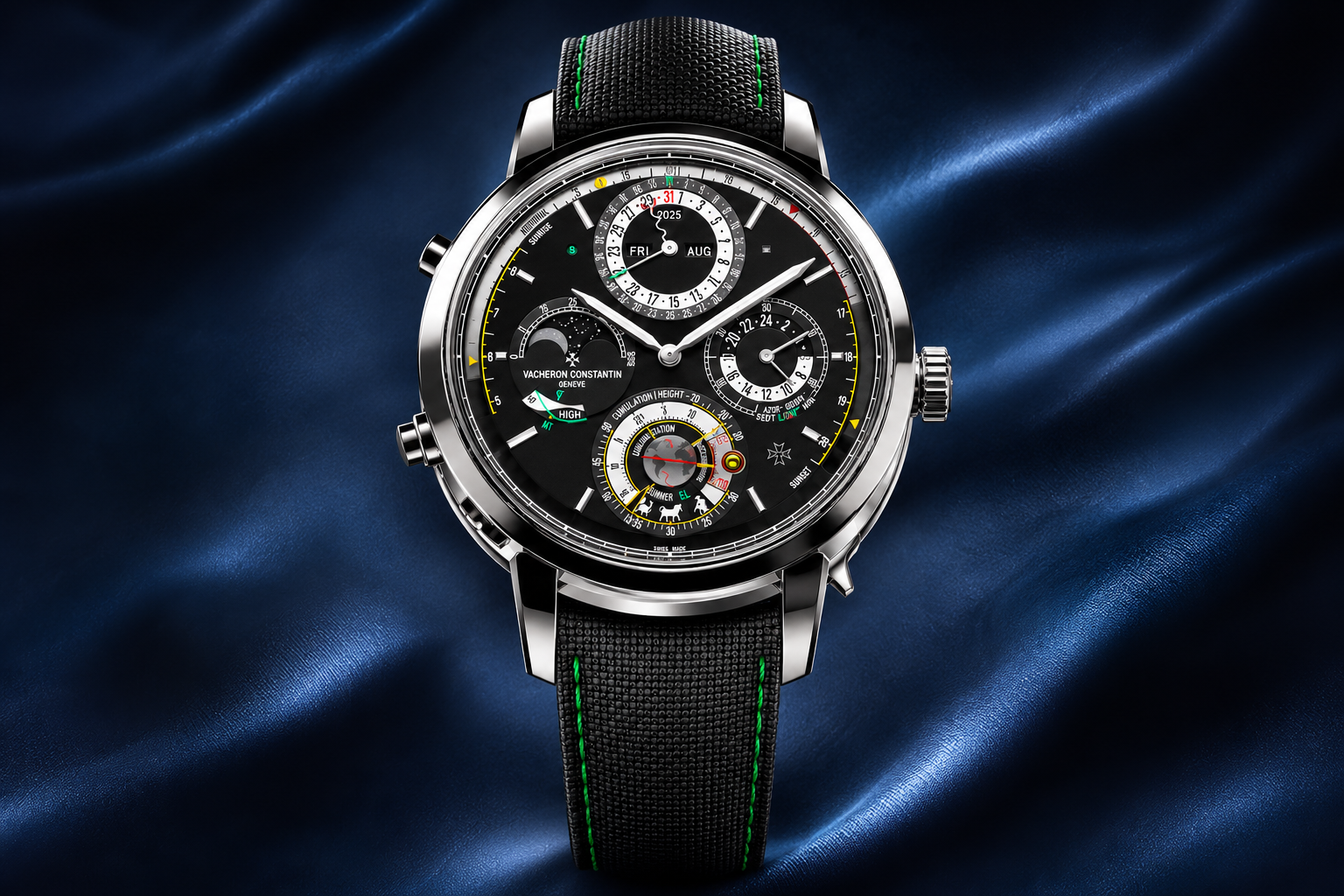
The lighting remains locked at a strict 4500 Kelvin to eliminate any color distortion during the inspection of the movement components. A lead writer for The Trillionaire Life examines the Vacheron Constantin Solaria Ultra Grand Complication, a timepiece claiming the title of the most complicated wristwatch ever created. The watch sits on a specialized vibration-dampened display stand isolating the movement from the microscopic tremors of the nearby CNC machining floor. The acquisition bypasses the traditional retail ecosystem entirely. The buyers secure these pieces through private allocation, demanding direct relationships with the Geneva brokers. The valuation stems from the impossibility of automated mass production. A single movement requires over 18 months of dedicated assembly. The acoustic signatures of the minute repeater are tuned using anechoic chambers to eliminate specific harmonic frequencies. The visual weight of the timepiece contradicts the physical density. The engineering prioritizes absolute mechanical permanence and acoustic precision. The mechanical friction of the gear teeth creates a direct physical link between the wearer and the machine.
The Caliber Architecture and the Component Density
Examining the movement through the sapphire caseback reveals the specific architecture of the caliber. The mechanism features a specialized twin-barrel architecture. The barrels utilize a specialized geometric toothing on the mainspring drum. The toothing ensures a constant torque delivery to the gear train, preventing the amplitude of the balance wheel from dropping as the mainspring unwinds. The movement consists of over 1,100 individual components. The engineers arranged the components to maximize the functional density while minimizing the visual footprint of the bridges. The main plate features a specialized frosted finish achieved by carefully applying a specialized abrasive compound to the surface with a brass brush. The texture diffuses the light, preventing glare on the internal components. The bridges feature hand-beveled edges. The watchmaker utilizes a rotating buffing wheel charged with diamond paste to melt the metal at a microscopic level, creating a 45-degree angle that catches the ambient light. The movement operates at 18,000 vibrations per hour. The gear train features polished teeth. The polishing reduces the friction between the gears, increasing the efficiency of the power transfer from the mainspring to the escapement. The mechanical purity of the movement ensures absolute reliability. The layout isolates the chronograph mechanism from the timekeeping components, preventing the vibrations of the chronograph hammers from interfering with the oscillation of the balance wheel. The component density forces the watchmaker to assemble the movement under a microscope.
The Tourbillon and the Gravitational Compensation
Mounted at 6 oclock on the dial is a flying tourbillon. The tourbillon cage completes a single rotation every 60 seconds. The mechanism of the tourbillon counteracts the negative effects of gravity on the hairspring of the balance wheel. Placing the escapement and balance wheel in a rotating cage averages out the positional errors over the course of a minute. The cage consists of a lightweight titanium alloy. The watchmaker hand-polishes the titanium to reduce air friction, maximizing the amplitude of the balance wheel. The escapement wheel features a specialized LIGA manufacturing process. This lithography-based process creates gear teeth with perfectly mathematical curves, eliminating the sliding friction plaguing traditional machined gears. The balance wheel oscillates at 18,000 vibrations per hour. The inertia of the balance wheel provides the heartbeat of the mechanism. The tourbillon operates as a visual anchor. The continuous rotation of the cage draws the eye, demonstrating the physical reality of kinetic energy transferring through a mechanical system. The engineering requires absolute precision in the placement of the jewel bearings. A microscopic misalignment would cause the cage to rub against the bridge, halting the movement. The tourbillon operates as a functional piece of gravitational compensation engineering. The design prioritizes the absolute integration of the escapement with the rotating architecture.
The Perpetual Calendar and the Astronomical Architecture
Examining the dial reveals the specific architecture of the perpetual calendar complication. The mechanism tracks the date, the day, the month, and the leap year cycle. The calendar features a specialized cam architecture. The cam features a specific geometric profile. The profile dictates the number of days in each month. The cam automatically adjusts the date for months with 28, 29, 30, and 31 days. The mechanism requires manual adjustment only once every 400 years, accounting for the Gregorian calendar leap year exception. The perpetual calendar dictates the operational reality of the timepiece. The engineering prioritizes absolute chronometric precision and astronomical accuracy. The physical reality of the complication requires a continuous capital expenditure on maintenance. The engineering ensures the absolute preservation of the astronomical data. The perpetual calendar operates as a functional piece of astronomical engineering. The design prioritizes the absolute integration of the calendar mechanism with the gear train. The calendar features a specialized retrograde date display. The date hand sweeps across an arc from 1 to 31. The hand snaps back to 1 at the end of the month. The mechanism utilizes a specialized snail cam and a spring-loaded rack. The cam rotates continuously. The rack drops off the edge of the cam at the end of the month, snapping the hand back to zero.
The Minute Repeater and the Cathedral Gongs
Activating the slide on the case side triggers a distinct acoustic sequence. The minute repeater complication demands the highest level of watchmaking expertise. The mechanism involves a complex series of racks, snails, and hammers. The slide engages a rack that winds a separate mainspring barrel dedicated to the repeater. The energy releases into a speed regulator. The regulator utilizes a centrifugal governor. The governor spins at high speed, absorbing the kinetic energy and ensuring the hammers strike the gongs at a constant interval. The hammers strike two cathedral gongs. The gongs consist of a specialized steel alloy, drawn into a wire and coiled to precise mathematical calculations. The cathedral gongs make two complete circles around the movement, producing a deeper tone than standard gongs. The acoustic frequency depends entirely on the length and the diameter of the wire. The watchmaker tunes the gongs by filing microscopic layers of metal from the wire, adjusting the tension to reach the exact desired pitch. The low tone strikes the hours. The high tone strikes the minutes. The acoustic resonance depends on the density of the case material. The case amplifies the sound waves, projecting them outward through the sapphire crystal. The minute repeater dictates the operational reality of the timepiece. The engineering prioritizes absolute acoustic precision and mechanical complexity.
The Celestial Sky Chart and the Astronomical Display
Examining the lower hemisphere of the dial reveals the specific architecture of the celestial sky chart complication. The chart displays the specific position of the stars and the constellations as seen from a specific latitude. The chart features a specialized rotating sapphire disc. The disc features a specialized laser-etched star map. The etching features a specific depth of 0.1 millimeters. The disc rotates at a specific rate. The rate mimics the apparent rotation of the night sky. The mechanism utilizes a specialized gear train. The train calculates the sidereal time. The sidereal time measures the rotation of the earth relative to the fixed stars. The sidereal day is approximately 3 minutes and 56 seconds shorter than the solar day. The gear train accounts for the specific differential. The celestial sky chart dictates the operational reality of the timepiece. The engineering prioritizes absolute astronomical precision and mechanical complexity. The physical reality of the complication requires a continuous capital expenditure on maintenance. The engineering ensures the absolute preservation of the astronomical data. The celestial sky chart operates as a functional piece of astronomical engineering. The design prioritizes the absolute integration of the sky chart with the gear train. The chart features a specialized moon phase display. The display features a specialized hand-painted enamel moon. The moon features a specific luminous material. The material glows a specific blue color in the dark, mimicking the spectral output of the moonlight.
The Power Reserve and the Mainspring Tension
The caliber utilizes two separate mainspring barrels. The first barrel powers the timekeeping function and the perpetual calendar. The second barrel powers the minute repeater mechanism. The mechanism of the twin barrels ensures the repeater activation does not drain the timekeeping power reserve. The mainspring consists of a specialized alloy. The alloy features a specific elastic limit, allowing the spring to be wound tightly without suffering metal fatigue. The barrel features a specialized slipping clutch mechanism. The clutch prevents the mainspring from over-winding, protecting the internal components from structural failure. The power reserve exceeds 65 hours. The isolation of the power sources guarantees the amplitude of the balance wheel remains constant, preserving the chronometric precision of the timepiece even after the repeater complication has been engaged. The ratchet wheel clicks audibly as the spring tightens. The tactile feedback of the winding crown provides the user with a physical connection to the stored kinetic energy. The engineering of the power reserve ensures the watch operates flawlessly regardless of the frequency of the repeater activation. The friction of the gear train remains absolutely constant, driven by the unwinding of the mainspring barrel. The power reserve dictates the operational reality of the timepiece. The engineering prioritizes absolute power delivery and energy efficiency.
The Case Metallurgy and the Acoustic Transmission
Examining the case of the Vacheron Constantin Solaria Ultra Grand Complication reveals the specific metallurgy required to support the minute repeater. The case utilizes 18-karat 5N pink gold. The metallurgy of the case directly dictates the acoustic profile of the minute repeater. The mechanism of the sound transmission involves the physical density of the gold. The gold molecules vibrate in response to the strike of the hammers on the gongs. The density of the pink gold amplifies the sound waves, projecting them outward through the case back. The case measures 45 millimeters in diameter and 12 millimeters in thickness. The mass of the gold provides a distinct tactile weight on the wrist. The engineers milled the case from a solid block of gold using a 5-axis CNC machine. The cutting tool removes microscopic layers of metal, leaving a perfectly smooth surface. The case features a specialized brushed finish on the top and a polished finish on the flanks. The finishing highlights the geometric precision of the machining. The pink gold contains a specific percentage of copper, giving the metal a warm hue. The copper also increases the hardness of the alloy, preventing the case from denting under impact. The choice of 5N pink gold over white gold or platinum is deliberate, as the specific molecular density of the copper-rich alloy provides superior acoustic conduction compared to softer or more dampening metals.
The Hand-Engraving and the Guilloche Pattern
Examining the dial of the timepiece reveals the specific hand-engruring architecture. The dial features a specialized guilloche pattern. The pattern is engine-turned on a specialized rose engine lathe. The lathe features a specialized set of cams. The cams dictate the specific geometric pattern. The artisan guides the cutting tool across the surface of the dial. The tool removes a microscopic layer of metal, creating a specific pattern of intersecting lines. The lines catch the ambient light, creating a distinct visual depth. The guilloche pattern features a specific depth of 0.05 millimeters. The pattern features a specific spacing of 0.3 millimeters between the lines. The hand-engraving requires immense skill. The artisan must maintain a perfectly consistent pressure on the cutting tool. Any variation in the pressure will create a visible defect in the pattern. The guilloche process takes 30 hours per dial. The artisan utilizes a specialized loupe to inspect the work. The guilloche pattern operates as a physical signature of the artisan. The hand-finishing elevates the industrial machining into the realm of haute horology. The pattern provides a visual anchor, defining the texture of the dial. The process also removes the microscopic stress risers left by the CNC machining, increasing the structural integrity of the dial. The engineering prioritizes absolute optical precision and tactile texture.
The Sapphire Crystal and the Optical Architecture
Looking through the front of the watch reveals a multi-layered sapphire crystal. The mechanism of the sapphire machining requires a multi-axis CNC mill running for 200 continuous hours. The crystal starts as a solid block of synthetic corundum. The diamond-tipped cutting tool shaves away microscopic layers of the crystalline structure. The friction generated requires a continuous flood of liquid coolant to prevent thermal cracking. The sapphire possesses a Mohs hardness of 9, making it virtually scratch-resistant. The crystal features a specialized anti-reflective coating. The coating consists of a microscopic layer of magnesium fluoride. The layer cancels out the reflected light waves, allowing maximum light transmission. The visual result is absolute optical clarity. The internal components appear to float in space. The sapphire architecture ensures the kinetic display of the tourbillon and the perpetual calendar remains completely unobstructed from every viewing angle. The structural integrity of the sapphire must be absolute, as any microscopic stress fracture would compromise the entire aesthetic and functional purpose of the open-worked architecture. The optical architecture ensures the absolute visual exposure of the mechanical complexity. The engineering prioritizes absolute optical precision and structural transparency. The sapphire crystal seals against the case using a specialized fluoropolymer gasket.
The Movement Finishing and the Anglage Hand-Polishing
Examining the interior edges of the movement reveals the specific hand-finishing that defines the haute horology standard. The interior edges of the bridges feature hand-polished bevels. The mechanism of the polishing involves utilizing a rotating buffing wheel charged with diamond paste. The artisan manually applies the edge of the bridge to the wheel. The friction melts the metal at a microscopic level. The metal flows, creating a perfectly smooth 45-degree angle. The polished bevel catches the ambient light. The light reflects off the bevel, creating a distinct line of brightness. The contrast between the polished bevel and the frosted surface of the main plate highlights the architectural geometry of the movement. The hand-polishing requires immense skill. The artisan must maintain a perfectly consistent angle. Any dip or rise in the bevel will be visible to the naked eye. The polishing process takes 60 hours per movement. The artisan utilizes a specialized loupe to inspect the work. The bevels represent the physical signature of the artisan. The hand-finishing elevates the industrial machining into the realm of haute horology. The bevels provide a visual anchor, defining the edges of the mechanical architecture. The process also removes the microscopic stress risers left by the CNC machining, increasing the structural integrity of the bridges. The engineering prioritizes absolute optical precision and material integrity.
The Economic Architecture of Haute Horology
The valuation of the Vacheron Constantin Solaria Ultra Grand Complication stems from the economics of scarcity and labor. The financial mechanism of haute horology bypasses standard retail metrics. The cost of the raw materials, the gold, the sapphire, and the steel represents a fraction of the total valuation. The capital expenditure lies in the labor. A single watchmaker requires over 18 months to assemble the movement. The engineering development requires thousands of hours of design and prototyping. The valuation factors in the impossibility of mass production. The machines used to mill the sapphire and titanium require constant calibration. The tools wear out and require replacement. The pricing strategy captures a specific demographic. The buyer values the mechanical complexity over the raw material value. The watch operates as a store of capital. The asset resists the depreciation curves of standard consumer goods. The limited production run ensures the scarcity dictates the secondary market valuation. The watch functions as a physical vault. The capital is locked into the mechanical architecture, completely isolated from the volatility of the digital financial markets. The economic architecture of the timepiece ensures the asset remains immune to the fluctuations of the global stock markets. The valuation of the watch relies on the absolute provenance of the movement numbers and the historical documentation of the assembly process. The acquisition of the watch requires a direct, private transaction, completely bypassing the traditional consumer retail environment.
The Bespoke Commissioning and the Client Ritual
The acquisition of a piece of this magnitude involves a specific commissioning process. The mechanism of the commission involves a direct consultation with the manufacture. The client selects the base movement. The client then customizes the materials. The selection of the gold alloy, the specific dial finish, and the specific content of the caseback engraving requires direct input. The manufacture creates a digital rendering of the final piece. The client reviews the rendering. The manufacture begins the machining process. The bespoke process allows for extreme personalization. The client can request specific engravings on the caseback. The client can alter the celestial sky chart to display the stars from a specific latitude. The commissioning process takes 24 to 36 months. The client pays a deposit. The deposit secures the raw materials and the production slot. The watchmaker assigned to the project dedicates their entire workflow to that single piece. The bespoke process ensures the final piece remains completely unique. The physical reality of the watch reflects the specific aesthetic vision of the wearer. The commissioning bypasses the standard inventory model. The watch is built to order. The engineering prioritizes absolute personalization. The bespoke process ensures the absolute exclusivity of the product. The client acquires a physical manifestation of their specific aesthetic preferences. The friction of the commissioning process ensures the physical asset remains a highly customized piece of engineering. The engineering prioritizes absolute material precision and biological comfort.
The Permanence of Mechanical Friction and Capital
The physical accumulation of these engineering systems represents a specific architectural permanence. The Vacheron Constantin Solaria Ultra Grand Complication exists entirely outside the modern paradigm of disposable, smart technology. The mechanical friction that defines this machine creates a direct physical link between the wearer and the internal mechanism. The 18-karat gold, the titanium, and the sapphire crystal anchor these objects to the earth. The mechanical movement will outlast the digital infrastructure of the modern world. The bespoke structural geometries ensure the watch cannot be easily replicated. The artisans who hand-polish the bevels and the engineers who design the tourbillon leave a specific physical trace on the materials. The valuation of the watch stems from the impossibility of automated mass production. The capital required to engineer a celestial sky chart or a cathedral gong minute repeater exceeds the standard residential budget. The permanence of the mechanics ensures the watch will function perfectly when the digital infrastructure of the modern world fails. The physical reality of the gear teeth ensures the rotation of the tourbillon will remain absolutely constant, driven by the unwinding of the mainspring. The asset stands as a testament to the physical limits of human engineering precision. The physical weight of the gold and the sapphire ensures the watch will remain anchored to the earth, outlasting the transient digital wealth that facilitated its acquisition. The mechanical friction dictates the operational reality of the timepiece. The permanence of the asset ensures the mechanical architecture will remain a permanent fixture of the horological landscape, outlasting the legal and financial controversies that surround the broader luxury industry. The engineering of the watch prioritizes absolute structural permanence and biological safety. The gold case provides extreme impact resistance. The sapphire crystal features a specialized structural integration. The asset functions as a physical vault. The capital is locked into the mechanical architecture, completely isolated from the volatility of the digital financial markets.
FAQ
What defines the movement architecture of the Vacheron Constantin Solaria Ultra Grand Complication?
The movement consists of over 1,100 individual components operating at 18,000 vibrations per hour. The mechanism features a twin-barrel architecture with geometric toothing on the mainspring drum ensuring constant torque delivery. The main plate features a frosted finish achieved with abrasive compound applied via brass brush, while bridges feature hand-beveled edges polished with diamond paste to create 45-degree angles catching ambient light.
How does the minute repeater complication function?
The slide on the case side winds a separate mainspring barrel dedicated to the repeater. The energy releases into a centrifugal governor speed regulator that spins at high speed, absorbing kinetic energy and ensuring hammers strike cathedral gongs at a constant interval. The cathedral gongs make two complete circles around the movement, and the watchmaker tunes each by filing microscopic layers of metal from the wire to adjust the pitch.
What is the power reserve and barrel architecture?
The caliber utilizes two separate mainspring barrels. The first barrel powers the timekeeping function and the perpetual calendar, while the second barrel powers the minute repeater mechanism. The isolation ensures repeater activation does not drain the timekeeping power reserve. The power reserve exceeds 65 hours. The mainspring consists of a specialized alloy with a specific elastic limit preventing metal fatigue, and the barrel features a slipping clutch preventing over-winding.
How does the celestial sky chart complication function?
The chart features a rotating sapphire disc with a laser-etched star map at a depth of 0.1 millimeters. The disc rotates at a rate mimicking the apparent rotation of the night sky, calculated via a specialized gear train tracking sidereal time. The sidereal day is approximately 3 minutes and 56 seconds shorter than the solar day, and the gear train accounts for this specific differential to accurately display the position of stars and constellations.
What case metallurgy defines the acoustic transmission?
The case utilizes 18-karat 5N pink gold milled from a solid block via 5-axis CNC machine. The pink gold contains a specific percentage of copper providing a warm hue and increasing alloy hardness to prevent denting. The specific molecular density of the copper-rich alloy provides superior acoustic conduction compared to white gold or platinum. The case measures 45 millimeters in diameter and 12 millimeters in thickness, with the gold molecules vibrating in response to hammer strikes to amplify and project sound waves outward through the caseback.