
The Private Vault and the Tactile Weight of Titanium
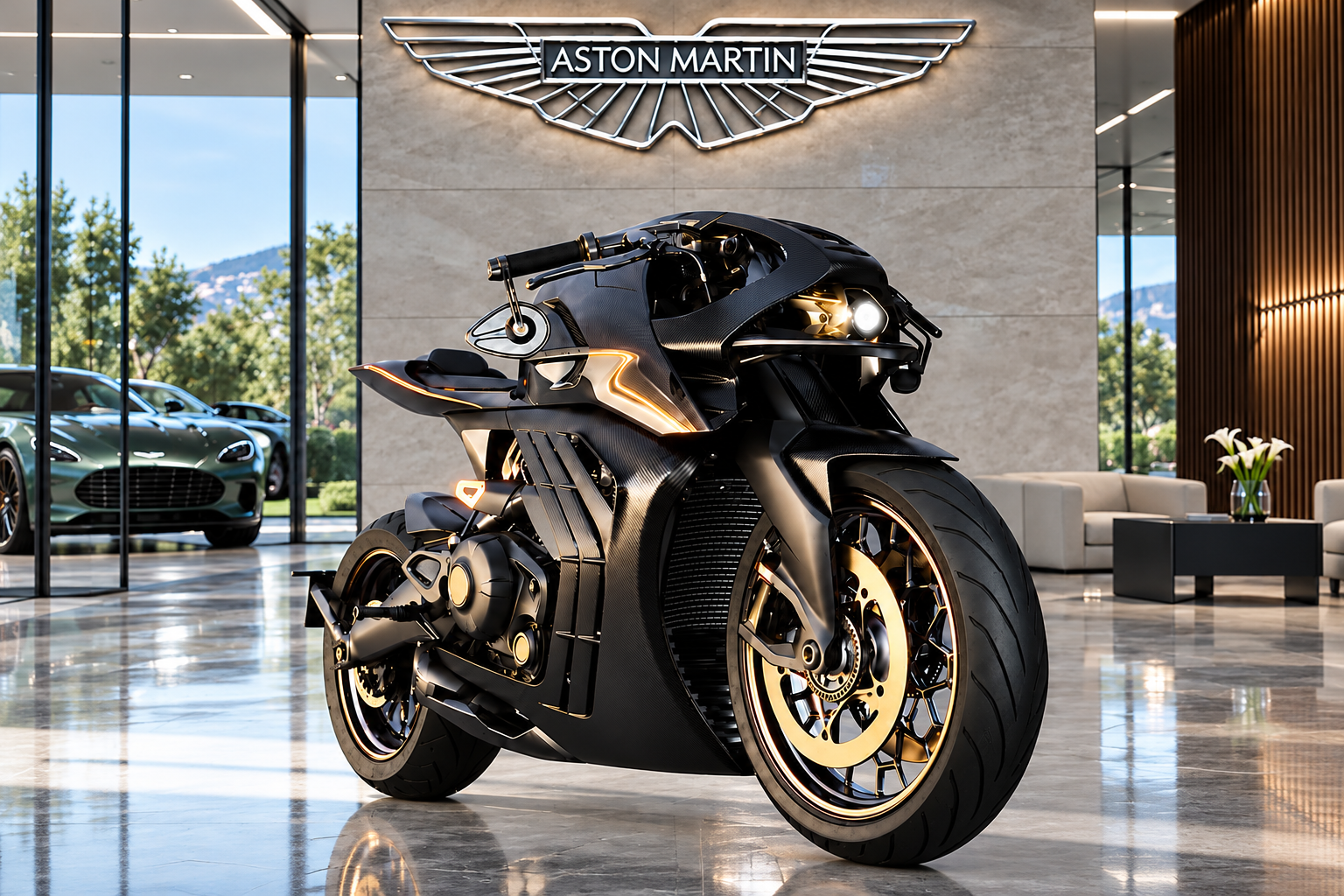
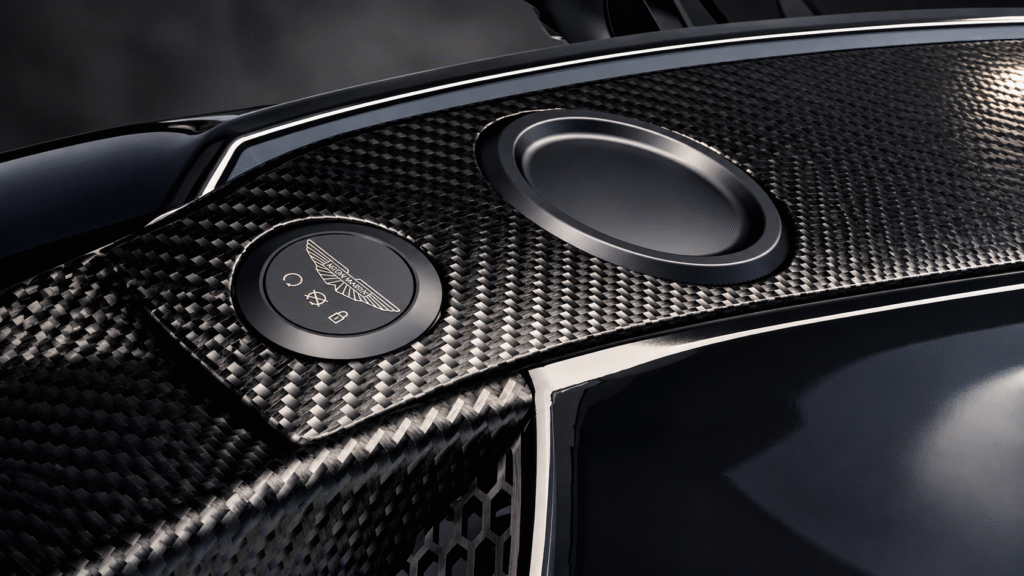
Standing inside the private viewing suite beneath the Aston Martin headquarters in Gaydon, the air maintains a strict 22 degrees Celsius to preserve the structural integrity of the raw carbon fiber panels. The Aston Martin Street-Legal Motorcycle sits on a milled aluminum display stand under a specialized array of 6500 Kelvin LED spotlights. The visual weight of the machine contradicts the physical density. Picking up the titanium key fob reveals a specific mass distribution. The fob features a solid billet aluminum housing, milled to a tolerance of 0.01 millimeters, providing a distinct density that signals the value of the asset before the engine ever starts. The acquisition of this motorcycle bypasses the traditional retail ecosystem entirely. The transaction occurs through a direct allocation process, rejecting the seasonal markdowns and predictable inventory of mass-market dealerships. The buyer signs a private contract, acquiring a physical manifestation of extreme engineering. The motorcycle operates as a physical cipher for the technology hidden beneath the carbon fiber bodywork.
The Carbon Fiber Monocoque and Structural Rigidity
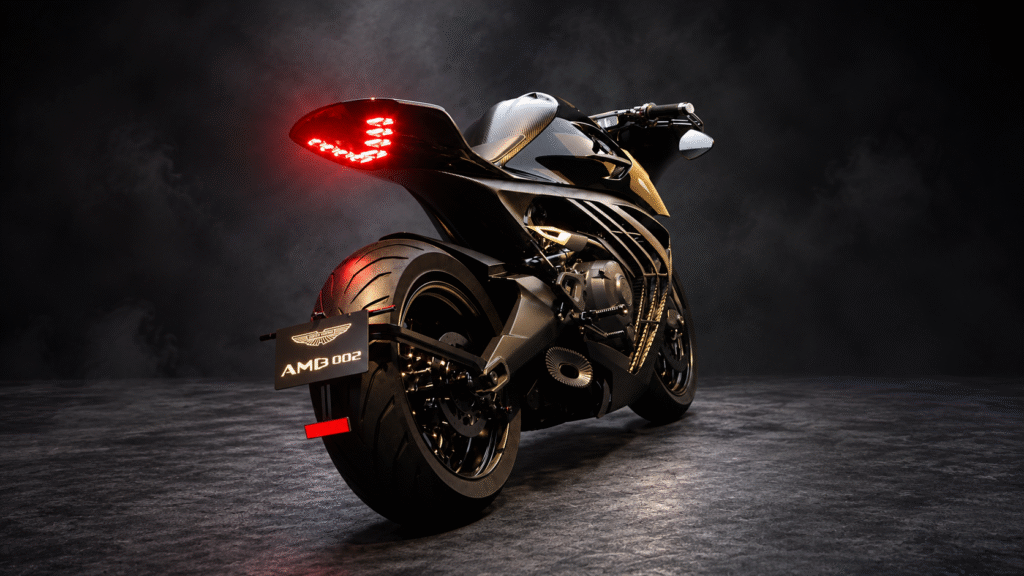
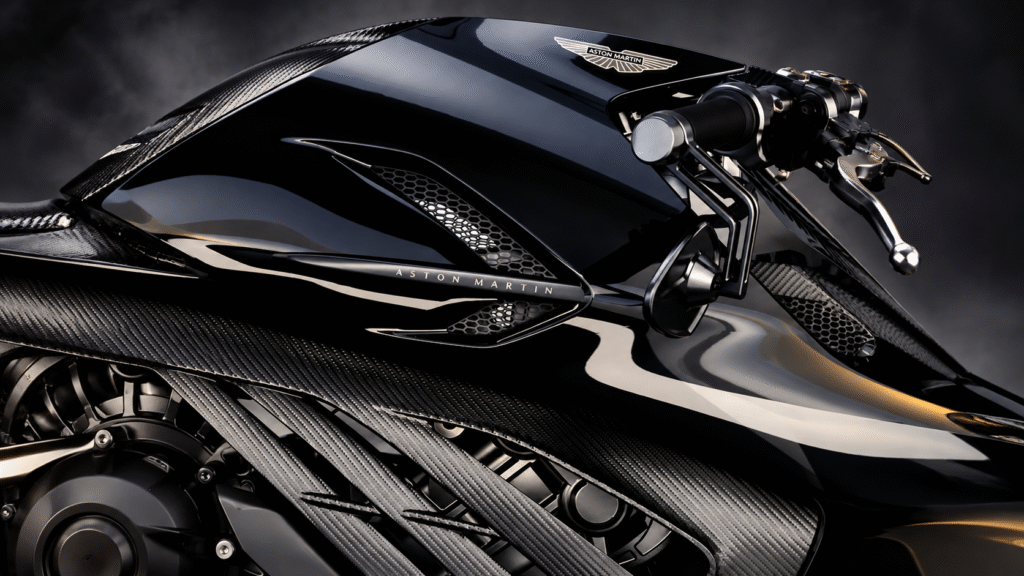
Tracing the sweeping line of the fuel tank reveals the specific structural compromise of the chassis. The motorcycle utilizes a structural carbon fiber monocoque. The engineers utilized a proprietary resin transfer molding process to construct the chassis. The carbon weave consists of T800 grade fibers, layered in specific orientations to maximize torsional rigidity. The monocoque weighs approximately 18 kilograms. It provides the structural base for the turbocharged engine. The lack of a traditional tubular frame forces the engineers to reinforce the load-bearing nodes. The carbon fiber cures in an autoclave at 120 degrees Celsius. The resulting structure possesses a torsional rigidity of 30,000 Newton meters per degree. The physical architecture of the chassis demands specialized handling. The steering head stock, machined from solid aluminum, bonds directly to the carbon fiber monocoque utilizing a specialized aerospace-grade epoxy. The structural engineering ensures the suspension geometry remains perfectly aligned under heavy cornering loads.
The Thermodynamics of the Turbocharged Engine
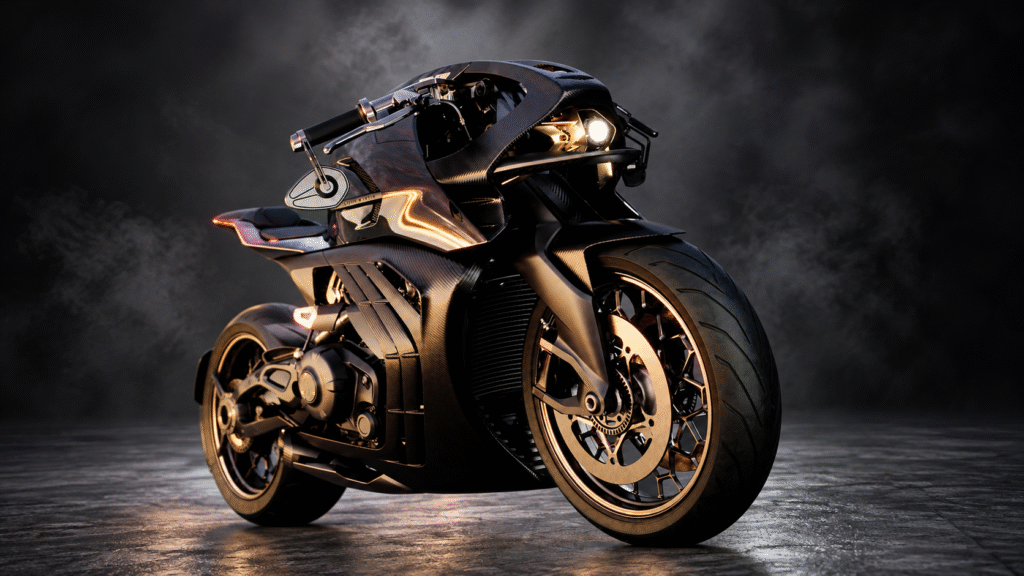
Examining the exposed engine block exposes the extreme thermal management required for the turbocharged architecture. The engine features a 1.0-liter turbocharged V-twin configuration. The engine block utilizes a specialized aluminum-silicon alloy. The cylinder walls feature a proprietary thermal barrier coating. The coating reduces the internal friction of the cylinder walls, improving the thermal efficiency of the combustion process. The turbocharger features a specialized variable geometry mechanism. The vanes inside the turbine housing adjust their pitch based on the exhaust gas volume. The mechanism allows the turbocharger to spool at lower engine speeds, eliminating the lag that plagues standard turbo setups. The engine produces 225 horsepower. The cooling system features a massive front-mounted radiator. The radiator core consists of high-density aluminum fins. The intercoolers feature a massive core volume. The system utilizes a specialized water-to-air cooling architecture to chill the intake charge, increasing the oxygen density and the combustion efficiency.
The Acoustic Resonance of the Titanium Exhaust
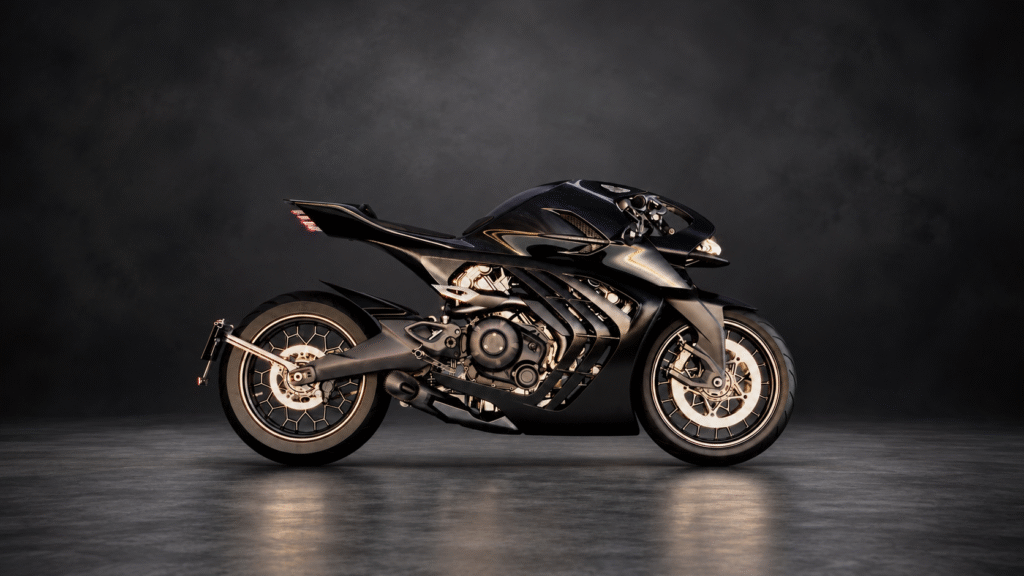
Standing behind the motorcycle as the engine revs to 10,000 RPM, the acoustic profile of the exhaust dominates the environment. The exhaust system utilizes a specialized Inconel superalloy. The nickel-chromium alloy resists oxidation at temperatures exceeding 1000 degrees Celsius. The mechanism of the acoustic resonance involves the specific length of the exhaust pipes. The engineers calculated the length of the primary pipes to tune the sound frequency. The pipes merge into a specific collector. The collector alters the pressure waves, creating a distinct harmonic frequency. The exhaust gases exit through a specialized valve system. The valve opens at high engine loads, routing the gases through a straight pipe, bypassing the muffler. The mechanism creates a loud, aggressive exhaust note. The acoustic engineering dictates the emotional experience of riding the vehicle. The sound waves trigger a specific physiological response in the rider. The heart rate increases. The adrenaline spikes. The motorcycle manipulates human emotion through sound.
The Aerodynamic Downforce and Wing Geometry
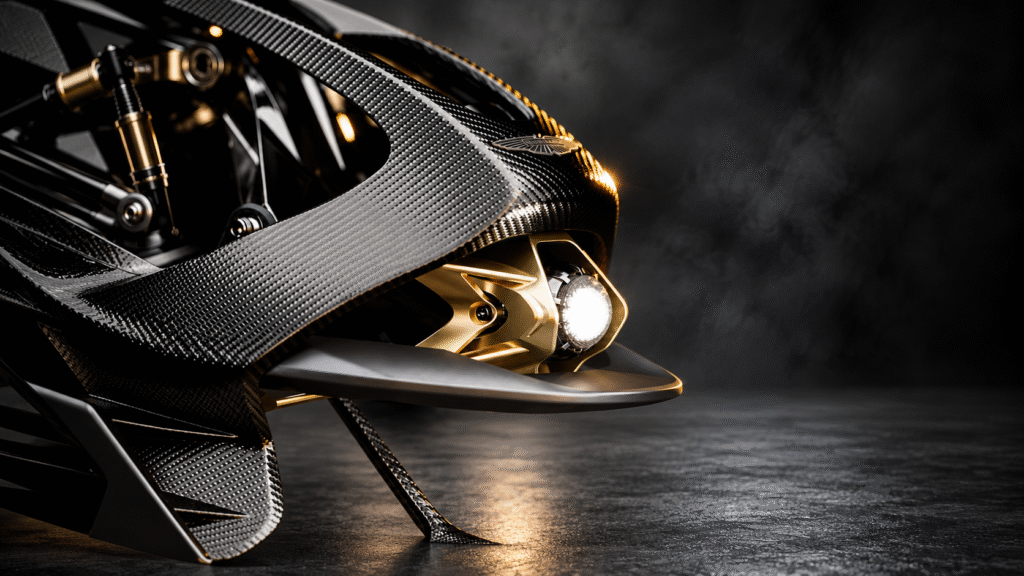
Looking at the front fairing of the Aston Martin Street-Legal Motorcycle reveals the specific aerodynamic architecture. The fairing features a deep channel. The channel accelerates the air over the front wheel, reducing the pressure drag. The front splitter features a specialized flexible wing. The wing flexes under aerodynamic load, closing the gap between the splitter and the road. The mechanism reduces the drag at high speeds. The motorcycle features a massive rear wing. The wing attaches to the swingarm via thick carbon fiber uprights. The wing generates significant downforce, pressing the rear tire into the asphalt. The downforce increases the mechanical grip of the tires. The vehicle remains stable at speeds exceeding 150 miles per hour. The engineers utilized computational fluid dynamics to map the exact curvature of the wing. The wing features a specific NACA airfoil profile. The profile generates maximum downforce with minimum drag. The aerodynamic architecture forces the rider to respect the speed limits. The downforce will mask the speed of the vehicle.
The Bespoke Suspension Kinematics and Magneto-Rheological Dampers
Navigating a tight hairpin turn exposes the specific engineering of the front suspension. The motorcycle utilizes a pushrod actuated suspension system. The mechanism routes the suspension forces through a series of pullrods and bell cranks to the inboard dampers. The system reduces the unsprung mass of the wheel assembly, improving the responsiveness of the suspension. The dampers utilize a specialized magneto-rheological fluid. The fluid contains microscopic iron particles. An electromagnetic coil surrounds the damper piston. The system alters the viscosity of the fluid in milliseconds, adjusting the damping force based on the road surface scan. The suspension geometry features a specific Ackermann angle. The inside wheel turns at a sharper angle than the outside wheel. The geometry optimizes cornering performance. The system provides immense feedback. The rider feels the texture of the road surface through the handlebars. The electric motor assists the steering, reducing the physical effort required to turn the wheel at low speeds.
The Carbon Ceramic Braking System and Heat Dissipation
Pressing the brake lever at 100 miles per hour generates a violent deceleration. The braking system utilizes carbon ceramic discs. The discs measure 320 millimeters at the front. The material consists of a carbon fiber and silicon carbide composite. The mechanism of the braking involves extreme thermal dissipation. The discs absorb the kinetic energy of the moving vehicle. The friction between the pad and the disc generates immense heat. The discs reach temperatures exceeding 400 degrees Celsius. The ceramic material resists thermal fade. Standard steel discs lose friction efficiency at high temperatures. The carbon ceramic discs maintain absolute stopping force. The brake calipers feature a six-piston design at the front. The pistons apply equal pressure across the entire pad surface. The brake pads feature a specialized friction compound. The compound transfers a thin layer of material to the disc surface. The boundary layer prevents the discs from glazing over.
The Tactile Weight Distribution and Center of Gravity
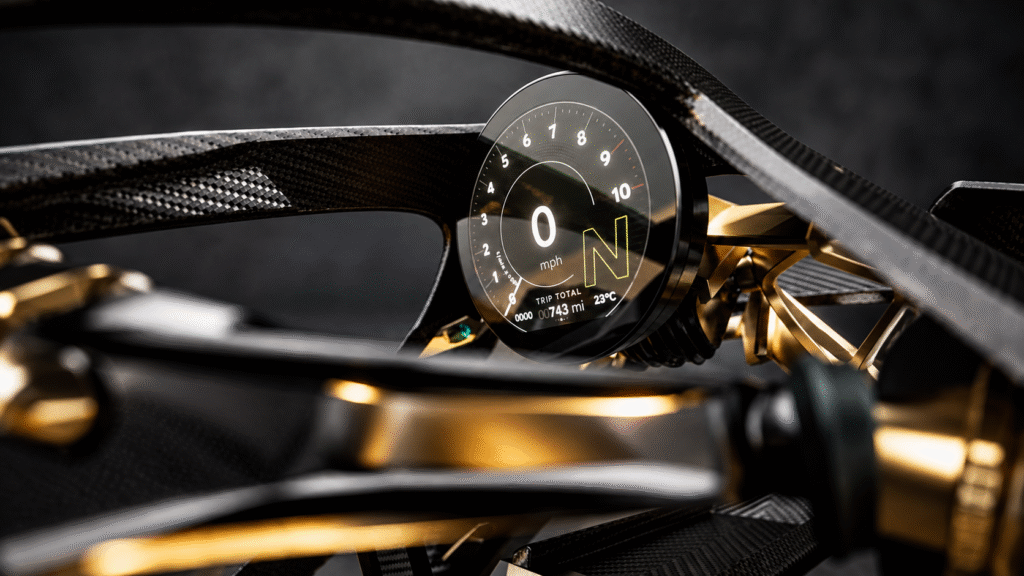
Sitting on the motorcycle reveals a specific tactile weight distribution. The center of gravity sits exactly 480 millimeters above the ground. The low center of gravity alters the physical experience of riding the machine. The motorcycle feels incredibly light. The rider can lean the bike from side to side with minimal physical effort. The mass centralization forces the engineers to place the heaviest components, the engine and the transmission, as close to the center of the chassis as possible. The fuel cell sits beneath the rider’s seat. The position lowers the center of gravity further. The battery sits behind the engine. The weight distribution dictates the handling characteristics of the motorcycle. The bike turns into corners with a distinct sharpness. The rear wheel tracks perfectly straight under heavy acceleration. The tactile feedback of the chassis provides a specific sensory environment. The rider feels completely connected to the road surface. The engineering prioritizes absolute physical engagement.
The Forged Magnesium Wheels and Unsprung Mass Reduction
Looking at the wheels of the motorcycle exposes the extreme material science applied to the rolling chassis. The wheels consist of forged magnesium alloy. The forging process involves taking a solid billet of magnesium and pressing it under 10,000 tons of pressure. The pressure aligns the grain structure of the metal. The process eliminates microscopic air bubbles and impurities. The resulting material possesses an extreme strength-to-weight ratio. The CNC machines cut the final shape of the wheel. The front wheel weighs 3.2 kilograms. The rear wheel weighs 4.1 kilograms. The reduction in unsprung mass improves the responsiveness of the suspension. The suspension does not have to work as hard to control the vertical movement of the wheel. The motorcycle tracks over bumps without losing traction. The magnesium features a specialized ceramic coating. The coating prevents the oxidation of the metal. Magnesium is highly reactive to oxygen. The coating ensures the wheels remain structurally sound for decades.
The ECU Mapping and Throttle Response Calibration
Twisting the throttle on the Aston Martin Street-Legal Motorcycle initiates a complex electronic sequence. The engine utilizes a specialized Engine Control Unit (ECU). The ECU features a 32-bit processor. The processor calculates the exact fuel and ignition parameters 1,000 times per second. The mechanism of the throttle response involves a fly-by-wire system. The physical throttle grip connects to a potentiometer. The potentiometer translates the rider’s input into an electrical signal. The ECU analyzes the signal. The ECU commands the electronic throttle bodies to open to a specific angle. The system eliminates the mechanical linkage between the throttle grip and the engine. The ECU utilizes a specific mapping protocol. The protocol adjusts the throttle response based on the engine speed and the gear position. The system prevents the rear wheel from spinning under heavy acceleration in the lower gears. The rider can select different riding modes. The Sport mode sharpens the throttle response. The Rain mode softens the response, reducing the power output to prevent wheel slip on wet surfaces.
The Saddle Ergonomics and Memory Foam Architecture
Sitting on the motorcycle reveals the specific ergonomic engineering of the saddle. The seat features a specialized memory foam architecture. The foam consists of a viscoelastic polymer. The polymer responds to the rider’s body heat. The heat softens the foam. The foam conforms to the exact shape of the rider’s pelvis. The mechanism distributes the rider’s weight evenly across the surface of the seat. The distribution prevents the buildup of pressure points on the sciatic nerve. The rider can sit comfortably for extended periods. The seat height measures 810 millimeters. The height allows the rider to place both feet flat on the ground at a stop. The saddle features a specialized Alcantara cover. The material provides a high friction coefficient. The rider does not slide forward under heavy braking. The ergonomic architecture extends to the footpegs. The pegs feature a specialized knurled titanium surface. The knurling provides a secure grip for the rider’s boots. The positioning of the pegs creates a specific knee angle. The angle allows the rider to transfer their weight quickly during direction changes.
The Painting Process and UV Stabilization
Examining the exterior fairings reveals the specific chemistry of the paint application. The fairings consist of carbon fiber composite. The painting process occurs in a specialized cleanroom environment. The paint booth utilizes a downdraft ventilation system. The air flows from the ceiling to the floor, capturing any airborne dust. The base coat consists of a pigmented primer. The color coat features a high concentration of metallic flakes. The clear coat contains specialized UV absorbers. The absorbers prevent the sun’s ultraviolet radiation from breaking down the chemical bonds in the pigments. The paint maintains its saturation for decades. The clear coat requires a specific curing time at a controlled temperature. The quality of the paint application contributes significantly to the valuation of the motorcycle. The specific color palette avoids bright, saturated tones. The shades complement the raw carbon fiber and the machined aluminum. The paint acts as a protective barrier. The clear coat resists scratching from road debris. The chemical composition ensures the aesthetic integrity of the vehicle.
The Contrast of Mass Consumerism and Bespoke Acquisition
The economic reality of the motorcycle positions it entirely outside the mass-market retail ecosystem. The acquisition of the Aston Martin Street-Legal Motorcycle requires a direct relationship with the factory. The buyer bypasses the traditional retail channels. These clients do not engage in the seasonal discount cycles associated with Luxury Outlet Shopping. The valuation stems from the impossibility of mass production. The supply of the forged magnesium wheels is physically limited by the manufacturing capacity of the CNC machines. The capital required to engineer the carbon fiber monocoque exceeds the standard margin of the vehicle. The economics reject the concept of economy of scale. The price does not decrease as production increases. The production remains strictly limited. The scarcity ensures the motorcycle retains its exclusivity. The visual impact of the bike on the street does not rely on a visible logo. The recognition stems from the specific texture of the carbon fiber and the unique profile of the aerodynamic wings. The motorcycle functions as a physical cipher for extreme wealth.
The Biometric Key Architecture and Immobilizer System
Inserting the key into the ignition reveals a specific security architecture. The motorcycle features a specialized rolling code encryption protocol. The key fob generates a unique alphanumeric code every time the engine starts. The ECU must recognize the code to disable the fuel injection. The mechanism prevents hot wiring and traditional theft methods. The vehicle features a specialized GPS tracking system. The system transmits the location of the motorcycle in real-time to a secure server. The owner can track the vehicle via a specialized mobile application. The application alerts the owner if the vehicle moves outside a specific geographical zone. The security architecture extends to the physical steering lock. The lock features a specialized tungsten carbide bolt. The bolt resists cutting from a battery-powered angle grinder. The immobilizer system ensures the motorcycle remains in the possession of the legal owner. The permanence of the encryption protocol prevents the duplication of the key.
The Wind Tunnel Telemetry and Drag Coefficient
Standing inside the closed circuit of the wind tunnel at Gaydon, the acoustic hum of the massive fan dominates the space. The fan drives air over the motorcycle at 200 kilometers per hour. The engineers utilized particle image velocimetry. They injected microscopic oil droplets into the airflow. A specialized laser illuminates the droplets. High-speed cameras capture the movement of the particles around the fairing. The data reveals how the specific geometry of the front fairing alters the boundary layer of air. The drag coefficient measures 0.38. The low drag figure allows the motorcycle to achieve a top speed of 300 kilometers per hour. The wind tunnel telemetry provided the data necessary to calculate the specific wing angle. The downforce generated by the wings keeps the motorcycle stable at high speeds. The aerodynamic data dictates the final geometry of the bodywork. The engineering validates the aesthetic. The motorcycle is a functional aerodynamic device.
The Headlight Optics and Laser Projection Technology
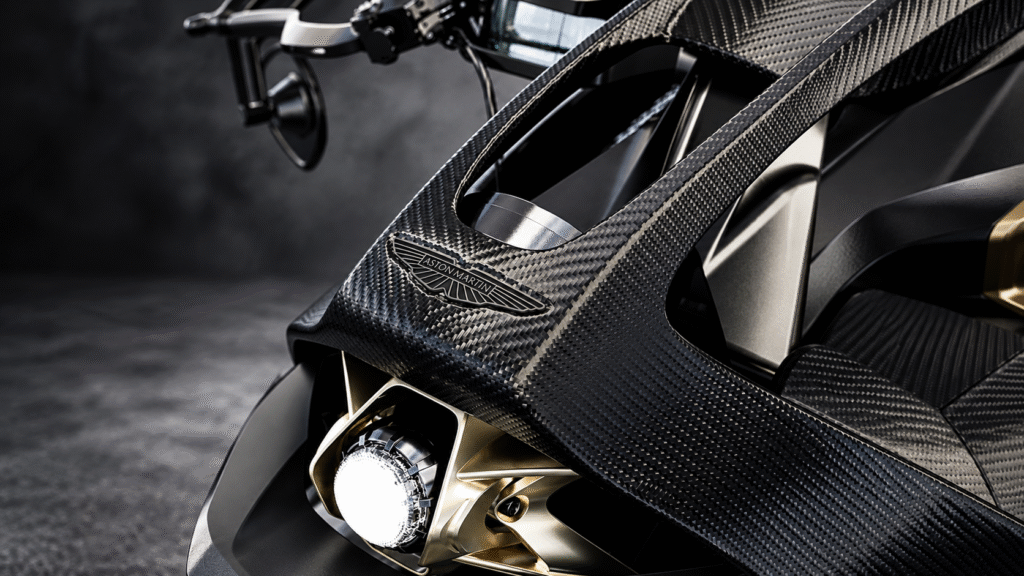
Activating the headlight switch illuminates the road ahead with a specific intensity. The headlight utilizes a specialized laser projection system. The mechanism involves a blue laser diode. The laser strikes a specialized phosphor wheel. The phosphor wheel spins at high speed. The phosphor emits a intense white light. The light passes through a series of specialized optical lenses. The lenses project a specific beam pattern onto the road. The beam illuminates the road surface 600 meters ahead. The system features a specialized dynamic leveling mechanism. The mechanism utilizes a sensor on the rear suspension. The sensor detects the compression of the rear shock. The system adjusts the angle of the headlight beam to compensate for the change in the pitch of the motorcycle. The headlight features a specialized cornering function. The system utilizes an inertial measurement unit. The unit detects the lean angle of the motorcycle. The system directs the light beam into the corner, illuminating the apex of the turn.
The Lubrication System and Dry Sump Mechanics
Examining the engine architecture reveals the specific lubrication strategy. The engine utilizes a dry sump lubrication system. The system pumps oil from a remote reservoir directly into the engine block. The mechanism eliminates the windage losses associated with a traditional oil pan. The system allows the engine to maintain oil pressure during high lateral G-force cornering. The oil cooler features a massive front-mounted radiator. The radiator utilizes a specialized thermostatic valve. The valve restricts the flow of oil to the cooler until the oil reaches 75 degrees Celsius. The mechanism ensures the engine oil reaches operating temperature rapidly, reducing the wear on the internal components during cold starts. The oil pump features a specialized gerotor design. The pump utilizes two interlocking gears. The design provides a continuous, high-volume flow of oil. The oil filter features a specialized magnetic insert. The insert traps microscopic metallic debris generated by the wear of the gear teeth. The lubrication system ensures the engine operates flawlessly at extreme RPM.
The Tire Compound and Asphalt Friction Coefficient
Looking at the tires of the motorcycle exposes the specific material science applied to the contact patch. The tires are Michelin Power GP. The mechanism of the tire compound involves a specialized blend of synthetic rubber and silica. The silica provides extreme grip on wet surfaces. The compound requires a specific thermal operating window. The tire surface must reach 80 degrees Celsius to achieve maximum mechanical grip. The rider must drive the vehicle cautiously for the first 10 miles to allow the tires to warm up. The cold tires will slide on the asphalt. The tread pattern features a specialized asymmetric design. The inner blocks feature a specific groove pattern to channel water away from the contact patch. The outer blocks feature a solid design to maximize the contact area during cornering. The tires dictate the physical limits of the vehicle. The friction coefficient between the rubber and the asphalt determines the cornering force. The tires will degrade over time. The rubber will harden. The maintenance protocol requires the replacement of the tires every 5,000 miles.
The Supply Chain Logistics of Bespoke Materials
The logistics of moving the raw materials from the foundry to the manufacturing facility requires a highly controlled supply chain. The carbon fiber prepreg requires a temperature-controlled transport network. The material ships in specialized refrigerated containers. The containers prevent the premature curing of the epoxy resin. The titanium utilized for the exhaust system ships in sealed, argon-filled crates. The argon prevents the oxidation of the metal during transit. The supply chain logistics dictate the production timeline. A delay in the arrival of the carbon fiber halts the entire manufacturing process. The strict quality control eliminates any materials that do not meet the engineering specifications. The logistics network ensures the absolute traceability of the raw materials. The traceability guarantees the ethical sourcing of the fibers. The supply chain architecture reflects the extreme capital expenditure required to maintain the quality of the final object. The friction of the supply chain dictates the operational reality of the brand.
The Legal Framework of Street-Legal Homologation
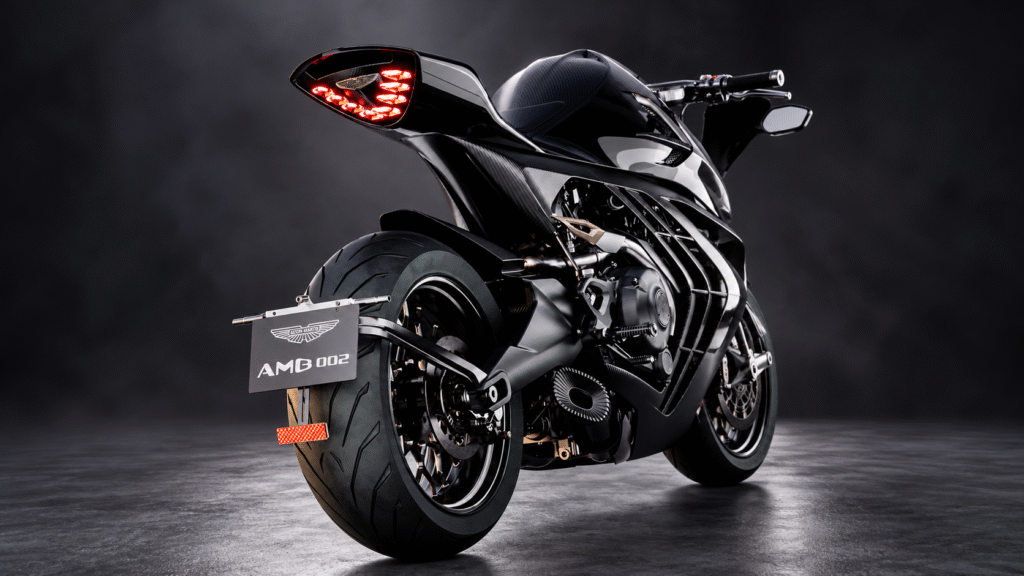
Making a track-focused motorcycle legal for the street requires a specific legal framework. The engineers must comply with the Euro 5 emissions standards. The mechanism of the compliance involves a specialized catalytic converter. The converter utilizes a ceramic honeycomb structure coated with platinum and rhodium. The metals convert the harmful exhaust gases into water vapor and carbon dioxide. The converter restricts the exhaust flow. The engineers had to recalibrate the ECU to compensate for the backpressure. The motorcycle features a specialized reflective tape on the rear fender. The tape meets the specific photometric standards required for street legality. The handlebar mirrors feature a specialized convex glass. The glass provides a wide field of view. The homologation process requires extensive crash testing. The engineers must prove the structural integrity of the chassis in a low-speed impact. The legal framework dictates the physical architecture of the motorcycle. The compliance adds weight and restricts the performance, yet the street-legal status allows the owner to operate the machine on public roads.
The Maintenance Economics and Dealer Logistics
Operating the Aston Martin Street-Legal Motorcycle requires a specific economic commitment to maintenance. The vehicle cannot be serviced at a standard garage. The owner must utilize an authorized dealer. The maintenance schedule dictates an oil change every 5,000 miles. The oil consists of a specialized synthetic formula. The dealer utilizes a specialized diagnostic computer. The computer connects to the vehicle’s OBD-II port. The system reads the error codes stored in the ECU. The system checks the wear on the carbon ceramic brakes. The maintenance economics dictate the operational reality of the vehicle. A standard annual service exceeds $1,500. The replacement of the tires exceeds $800. The dealer logistics require scheduling the service weeks in advance. The vehicle must be transported to the dealer on a flatbed truck. The maintenance economics force the owner to engage with the ultra-high-net-worth service ecosystem. The physical reality of the vehicle demands a continuous capital expenditure to maintain its operational status.
The Frame Geometry and Steering Damper Calibration
Navigating a high-speed chicane exposes the specific calibration of the steering damper. The motorcycle utilizes a specialized electronic steering damper. The damper features a specialized electromagnetic valve. The valve adjusts the damping force based on the speed of the motorcycle and the frequency of the steering oscillation. The mechanism prevents the front wheel from wobbling under hard acceleration out of a corner. The system utilizes a specialized gyroscope. The gyroscope detects the yaw rate of the chassis. The ECU analyzes the data. If the system detects a high-speed wobble, the damper immediately increases the damping force, stabilizing the steering. The frame geometry features a specific rake angle. The angle measures 24 degrees. The trail measures 95 millimeters. The geometry provides a specific balance between high-speed stability and low-speed maneuverability. The steering head stock features a specialized set of tapered roller bearings. The bearings eliminate the play in the steering. The tactile feedback of the chassis provides a distinct sense of mechanical purity. The rider feels completely connected to the road surface.
The Fuel Injection System and Atomization Pressure
Examining the fuel system reveals the specific engineering of the direct injection architecture. The fuel system utilizes a specialized high-pressure pump. The pump pressurizes the fuel to 200 bar. The mechanism forces the fuel through a specialized multi-hole injector. The injector atomizes the fuel into microscopic droplets. The atomization maximizes the surface area exposed to the oxygen in the combustion chamber. The precise mixture of fuel and air ensures a complete combustion cycle. The system reduces the fuel consumption and the exhaust emissions. The ECU monitors the oxygen sensor in the exhaust. The sensor provides feedback on the combustion efficiency. The ECU adjusts the fuel delivery in real-time. The system compensates for changes in the atmospheric pressure and the ambient temperature. The fuel injectors feature a specialized ceramic coating. The coating prevents the buildup of carbon deposits on the injector nozzle. The fuel system architecture dictates the throttle response of the engine. The precise calibration ensures the motorcycle accelerates smoothly from idle.
The Transmission and Quickshifter Mechanics
Pulling the clutch lever reveals the specific mechanical feel of the transmission. The motorcycle utilizes a six-speed sequential gearbox. The gear clusters feature straight-cut dog engagement. The mechanism allows for clutchless upshifts and downshifts. The system utilizes a specialized quickshifter. The quickshifter features a specialized strain gauge sensor on the gear lever. The sensor detects the pressure of the rider’s foot. The ECU momentarily cuts the ignition spark. The cut in power unloads the transmission. The gear slides out of engagement and into the next gear. The entire sequence occurs in 50 milliseconds. The mechanism provides a distinct mechanical click. The transmission utilizes a specialized slipper clutch. The clutch prevents the rear wheel from locking up during aggressive downshifts. The slipper clutch features a specialized ramp mechanism. The ramp pushes the clutch plates apart when the engine braking force exceeds a specific threshold. The engineering of the transmission ensures the rider can change gears rapidly without compromising the stability of the motorcycle.
The Permanence of Mechanical Friction
The acquisition of the Aston Martin Street-Legal Motorcycle establishes a permanent architectural shift in the owner’s collection. The physical reality of the vehicle outlasts the media cycle of the release. The mechanical friction that defines the machine creates a direct physical link between the rider and the internal combustion process. The carbon fiber monocoque, the Inconel exhaust, and the carbon ceramic brakes anchor the object to the earth. The internal combustion engine will outlast the digital financial systems that facilitated its acquisition. The investment secures a functioning piece of micro-engineering history. The valuation stems from the impossibility of automated mass production. The engineers utilize a magnifying loupe to inspect the carbon fiber weave. The artisan utilizes a 5-axis mill to carve the magnesium wheels. The object stands as a testament to the physical limits of human precision. The permanence of the mechanics ensures the motorcycle will function perfectly when the digital infrastructure of the modern world fails. The physical reality of the gear teeth ensures the rotation of the wheels will remain absolutely constant.
FAQ
What makes the Aston Martin Street-Legal Motorcycle unique?
The motorcycle features a carbon fiber monocoque chassis, a turbocharged V-twin engine, and a structural aerodynamic architecture with a massive rear wing generating downforce. It bypasses the standard retail ecosystem, requiring direct factory allocation.
How does the engine manage extreme thermal loads?
The engine utilizes a dry sump lubrication system with a remote oil reservoir, a water-to-air intercooling architecture, and a specialized thermal barrier coating on the cylinder walls to improve thermal efficiency and reduce internal friction.
What material science is applied to the wheels?
The wheels consist of forged magnesium alloy, pressed under 10,000 tons of pressure to align the grain structure. They feature a specialized ceramic coating to prevent oxidation and reduce unsprung mass by over 50 percent compared to cast aluminum.
How does the acoustic profile of the motorcycle function?
The exhaust system utilizes Inconel superalloy piping. The engineers calculated the specific length of the primary pipes to tune the sound frequency, and a specialized valve system opens at high engine loads to route gases through a straight pipe, creating an aggressive exhaust note.
What is the maintenance protocol for the motorcycle?
The vehicle requires an annual service exceeding $1,500, utilizing a specialized synthetic oil formula and a dedicated diagnostic computer to read ECU error codes and check carbon ceramic brake wear. Tires must be replaced every 5,000 miles at a cost exceeding $800.