
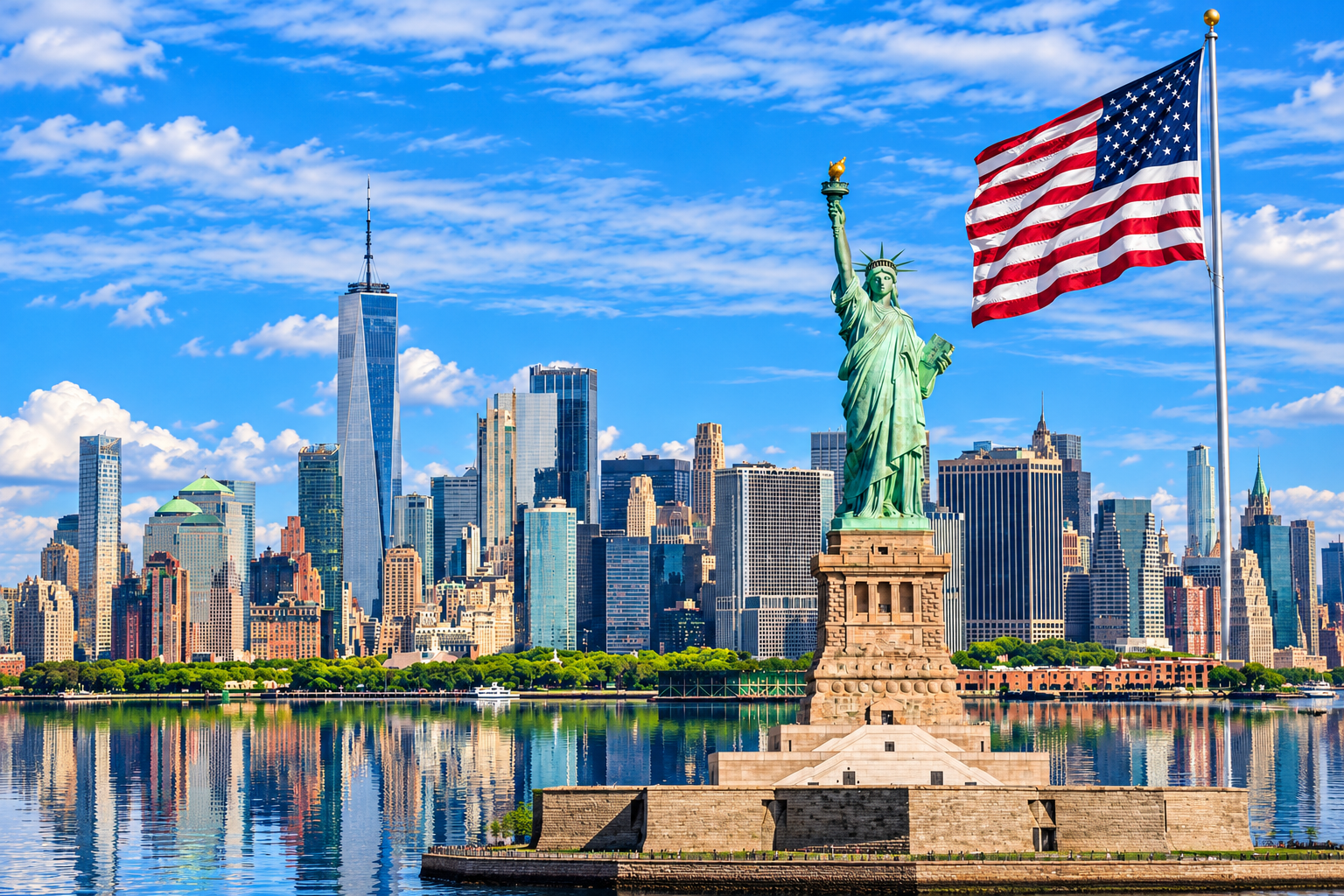
The 92nd Floor View and the Concentration of Capital
Stepping off the private elevator on the 92nd floor of 432 Park Avenue, the first sensation is the absolute acoustic dampening. The double-panned, helium-filled glass eliminates the wind shear that typically buffets supertall structures at this altitude. Inside the residence, the air handling system cycles the entire volume of the apartment every four minutes, maintaining a constant 42 percent humidity to protect the art collection. Looking south toward Midtown, the density of the island reveals the physical concentration of capital. The recent data confirming New York City as the top ranked among the World’s Leading Cities places the metropolis at the apex of global finance. The statistics point to roughly one millionaire for every 22 residents. From this specific vantage point, the numbers translate into physical reality. The buildings below house the financial instruments, the private equity firms, and the hedge funds that generate this immense wealth. The consumer market offers off-the-rack solutions and Luxury Outlet Shopping for the mass affluent. True dynastic wealth requires bespoke engineering and direct access to global financial networks. The city operates as a massive engine of capital creation. The structural steel of the skyline masks the complex network of digital transactions moving through the fiber optic cables buried deep beneath the Manhattan bedrock.
The High-Frequency Fiber Optics and Algorithmic Trading
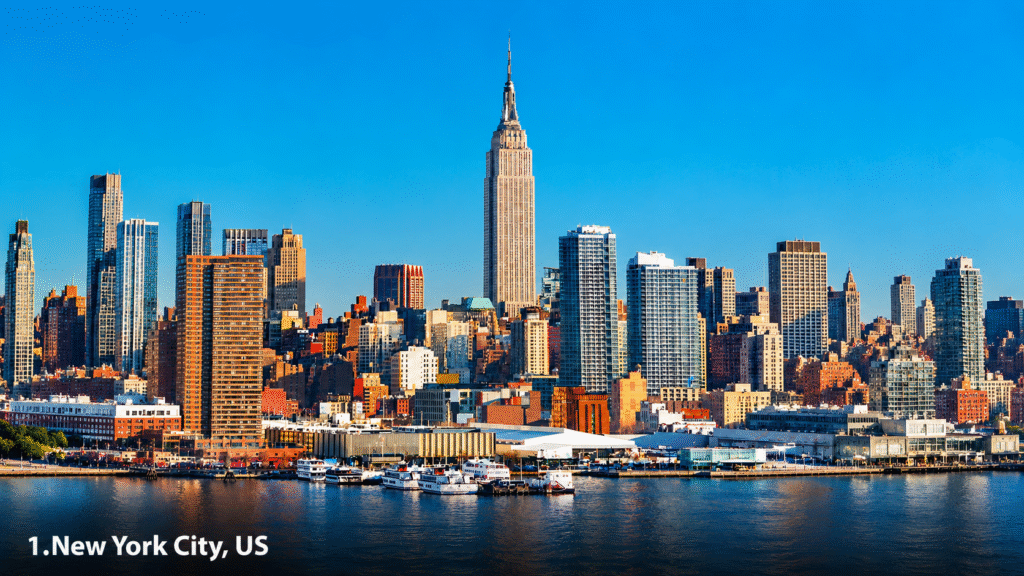
The speed of wealth generation in New York relies entirely on physical infrastructure. The high-frequency trading firms located in New Jersey and Lower Manhattan depend on fiber optic cables and microwave towers to execute trades. The mechanism involves arbitrage. The firms exploit minute price differences between exchanges located in different geographic locations. A trade executes in microseconds. To achieve this speed, the firms shave nanoseconds off the transmission time by straightening the fiber optic cables, removing any unnecessary curves. The microwave towers sit on the rooftops of the tallest buildings, transmitting data through the air, a faster medium than glass. The trading algorithms operate without human intervention. The computers analyze market data and execute orders in fractions of a second. The profits per trade are infinitesimal, but the sheer volume of trades generates massive wealth. The owners of these firms live in the city, contributing to the millionaire density. The infrastructure required to support this activity consumes massive amounts of electricity. The data centers require dedicated power plants and massive cooling systems. The high-frequency trading industry represents the bleeding edge of financial technology. The wealth it generates flows into the local economy, funding the purchase of art, real estate, and luxury goods. The speed of light dictates the pace of wealth accumulation in the city.
The Private Equity Clustering Effect in Midtown
The headquarters of the major private equity firms line the corridors of Park Avenue and the new developments in Hudson Yards. Inside these glass towers, the mechanism of wealth generation operates with ruthless efficiency. The firms pool capital from institutional investors and ultra-high-net-worth individuals. They deploy this capital to acquire companies, restructure their operations, and sell them for a massive profit. The partners in these firms take a standard management fee, often 2 percent of the total assets, plus a 20 percent cut of the profits, known as carried interest. This compensation structure generates immense personal wealth rapidly. A successful fund raise can yield a single partner tens of millions in a single year. The density of these firms in New York creates a powerful clustering effect. The lawyers, the accountants, and the specialized consultants required to execute these deals all locate nearby. The friction of communication decreases. The deals close faster. The capital concentrates. The presence of these firms drives the local real estate market. The partners purchase eight-figure apartments, pushing the median home price to astronomical levels. The private equity industry forms the backbone of the New York millionaire class. The city provides the physical infrastructure and the legal expertise required to facilitate the movement of billions of dollars. The ecosystem sustains itself through a constant cycle of acquisition and divestiture.
The Real Estate Financialization and the Safe Deposit Box
The purchase of a $30 million penthouse operates differently from a standard residential transaction. The wealthy utilize real estate as a financial instrument, a mechanism for storing capital and generating yield. The transaction often involves a Limited Liability Company, shielding the identity of the actual buyer. The LLC structure provides legal protection and simplifies the transfer of ownership. The property itself functions as a hard asset, appreciating independently of the stock market. The ultra-wealthy purchase apartments in supertall towers and hold them vacant for the majority of the year. The units serve as pieds-à-terre, used during brief visits to the city. The carrying costs, including the monthly maintenance and property taxes, often exceed $10,000. The owners view these costs as a minor fee for capital preservation. The real estate market in New York operates as a global safe deposit box. Foreign capital flows into the city, seeking a stable jurisdiction. The Manhattan real estate market absorbs this capital, driving up prices and creating a permanent floor on valuations. The developers cater to this demographic, building apartments with private elevator landings and dedicated service corridors to ensure absolute privacy. The architecture of the buildings reflects the financial mechanics of the transactions. The structural engineering prioritizes security and exclusivity over sheer habitability.
The Art Storage Vault and Alternative Asset Liquidity
The storage of fine art requires highly specialized facilities. The New York millionaires amass collections worth hundreds of millions, necessitating secure, climate-controlled environments. The art storage warehouses located in Long Island City and Newark operate with bank-level security. The facilities maintain a constant 70 degrees Fahrenheit and 50 percent relative humidity. The mechanism of art storage involves sophisticated fire suppression systems utilizing argon gas, which displaces oxygen without damaging the artwork. The warehouses feature specialized viewing rooms. The owners visit the warehouse to inspect their holdings or show them to potential buyers. The art functions as an alternative asset class. The value of a Basquiat or a Rothko fluctuates independently of the stock market. The collectors utilize the stored art as collateral, securing loans from private banks. The piece remains in the warehouse, the physical location unchanged, while the legal title transfers to the bank. The transaction executes seamlessly. The fine art market in New York facilitates this liquidity. The auction houses operate massive headquarters in Yorkville, providing the venue for the sale. The city’s infrastructure supports the entire lifecycle of the art, from creation to storage to sale. The physical security of the vault dictates the financial liquidity of the asset.
The Family Office and Generational Wealth Management
When a financier amasses a fortune exceeding $100 million, the management of that wealth requires a dedicated entity. The single family office handles all aspects of the family’s financial life. The office employs a team of professionals, including an investment director, a tax attorney, a philanthropic coordinator, and a concierge. The office operates from a discrete suite of offices, often near the family’s primary residence. The investment director allocates capital across various asset classes, including direct investments in private companies, venture capital funds, and real estate syndications. The mechanism of the family office focuses on long-term preservation. The investment horizon spans decades, bypassing the quarterly pressures of the public markets. The tax attorney structures the family’s holdings to minimize estate taxes, utilizing trusts and philanthropic vehicles. The philanthropic coordinator manages the family foundation, directing the flow of capital to cultural institutions and universities. The concierge handles the logistics of the family’s life, coordinating travel, managing the household staff, and securing reservations. The family office ensures the wealth transitions smoothly to the next generation. The concentration of these offices in New York reflects the availability of top-tier financial talent. The family office forms the core of the generational wealth structure in the city.
The Mayfair Micro-Climate and Discreet Banking in London
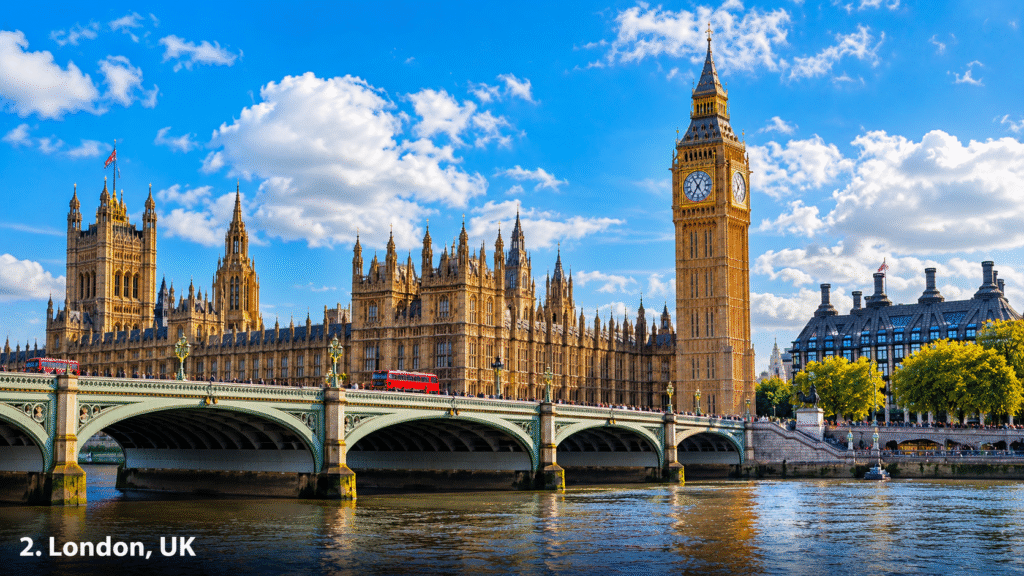
Standing in the center of the Claridge’s lobby in Mayfair, the olfactory signature of the space originates from a specifically calibrated scent diffusion system hidden within the bronze air handling registers. The system utilizes a cold-air diffusion technology. This mechanism prevents the degradation of the fragile top notes of the bespoke fragrance, which features notes of Siberian pine and aged cedar. The mechanical engineering of the lobby allows for a complete air exchange every six minutes without creating any perceptible drafts. The architectural preservation of the Art Deco panels requires a strict environmental protocol. The humidity remains locked at 45 percent to prevent the microscopic expansion of the rare burr walnut veneers. The lighting operates on a dimming protocol synchronized with the circadian rhythms of the guests. The color temperature shifts from a cool 4500 Kelvin during the afternoon to a warm 2200 Kelvin in the evening. The retail corridors of Mayfair surrounding the hotel operate on a completely different frequency than the mass-market districts. The private boutiques on Mount Street open exclusively for single clients, utilizing ultraviolet security scanners to verify credentials before granting access to the bespoke archives. The physical environment caters to absolute discretion.
The Lombard Lending Mechanism and Portfolio Leverage
Beneath the gleaming towers of the City of London, the vaults of the private banks operate in absolute silence. The wealth management divisions of the major financial institutions cater to the specific needs of the London millionaire class. The mechanism of discreet banking involves a strict hierarchy of access. A client with $50 million in liquid assets receives a dedicated banker, available 24 hours a day. The banker manages a diversified portfolio of stocks, bonds, and alternative investments. The bank provides Lombard lending, allowing the client to borrow against their portfolio to fund real estate purchases or business ventures without liquidating their positions. This mechanism allows the wealth to compound while the client accesses cash. The physical architecture of the bank reflects the need for privacy. The entrances lack branding. The meeting rooms feature acoustic white noise generators to prevent eavesdropping. The clients discuss succession planning, tax mitigation strategies, and philanthropic foundations. The banks facilitate the movement of capital across international borders, navigating the complex web of tax treaties. The relationship between the banker and the client spans generations. The trust built over decades allows the bank to maintain control over the family’s wealth. The discreet banking infrastructure forms the invisible foundation of the London financial ecosystem.
The Subterranean Gold Vault and Geologic Stability
The Bank of England sits on top of a massive subterranean gold vault. The mechanism of the vault relies on absolute geographic stability. The gold bars sit on custom-milled aluminum pallets, stacked with a laser-measured precision that ensures absolute zero friction between the blocks. This physical concentration of wealth dictates the national economic resilience. The vault sits 50 meters below the street level, anchored into the London clay that provides a natural seismic dampening effect. The structural engineering required to house thousands of tons of dense metal necessitates reinforced concrete walls measuring three meters thick. The physical reality of holding this much sovereign gold forces a unique architectural permanence. The mountain of clay absorbs the weight, distributing the load across a geological footprint that has remained stable for millions of years. The gold market in London sets the global benchmark for pricing. The clearing system utilizes a specialized electronic ledger that transfers ownership of the physical bars without ever moving the metal. The physical metal remains stationary while the digital title flows through the global financial system. The vault operates as the ultimate physical anchor for the city’s financial dominance and global monetary policy.
The English Trust Architecture and Generational Transfer
The legal framework of English contract law provides a stable environment for capital formation. The mechanism of this dominance relies on the rule of law and the concentration of specialized labor. The contract law is predictable. The bankruptcy courts function efficiently. The millionaires trust the system. The concentration of financial talent in London remains unmatched. The banks, the law firms, and the private equity companies cluster together. The graduates of the top business schools flock to the city. The intellectual capital continually regenerates. The venture capital ecosystem in Shoreditch provides a pipeline for new wealth creation. The technology sector fuels the next generation of millionaires. The physical infrastructure of the city, the airports, the telecommunications, and the real estate, supports the rapid movement of capital. The city adapts to the changing nature of finance. The rise of digital assets finds a home in the London financial ecosystem. The traditional firms integrate the new technologies. The dominance of London relies on this continuous adaptation and the sheer density of financial infrastructure. The legal architecture outlasts the political fluctuations, ensuring the capital remains anchored to the geographic coordinates of the city through complex trust structures.
The Covent Garden Kinetic Mechanics and Structural Tension
Looking up at the Covent Garden holiday installation, the visual impact relies entirely on precision mechanical engineering. The massive baubles suspended from the glass roof feature internal gyroscopes. These gyroscopes counteract the sway induced by the convective air currents within the historic structure. The suspension cables consist of woven Kevlar, chosen for its extreme tensile strength and minimal elasticity. The cables anchor into the primary structural steel beams using load-monitoring strain gauges. The gauges transmit real-time data to the facility management dashboard. If the tension exceeds a specific threshold due to high winds, the system automatically lowers the entire display to a secure position. The lighting integrated into the baubles utilizes wireless power transfer technology. The electrical current transmits across magnetic fields, eliminating the need for physical wiring that could fatigue and snap under continuous movement. The mechanism allows the displays to rotate and pulse without any mechanical wear. The engineering required to suspend 40,000 pounds of illuminated material inside a 19th-century glass arcade without compromising the structural integrity of the historic ironwork represents a masterful integration of modern physics and architectural preservation. The visual spectacle masks the intense logistical coordination required to maintain the safety of the public below.
The Place Vendôme Pressure Sensors and High Jewelry Security in Paris
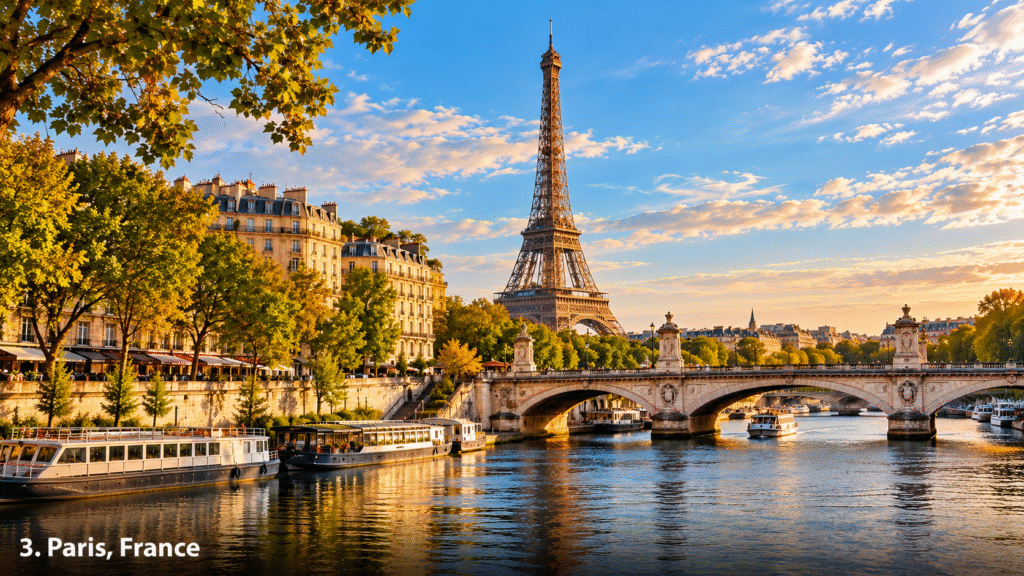
Entering the courtyard of the Hôtel de Crillon, the scent of a specifically commissioned Douglas fir forest hits before the visual of the illuminated square registers. Place Vendôme operates as a monument to engineered elegance. The column at the center features a structural lighting wrap. The wiring harness utilizes a low-resistance copper alloy to prevent voltage drop across the 44-meter height. The surrounding high jewelry houses install bulletproof, climate-controlled vitrines directly into the historic stone facades. These vitrines maintain a constant 50 percent relative humidity to protect the flawless diamonds and unheated sapphires from the thermal fluctuations of the winter. The security infrastructure relies on pressure-sensitive flooring beneath the marble pavers. Any abnormal weight distribution triggers a silent alarm routed directly to the private security command centers located in the basement of the surrounding mansions. The aesthetic beauty relies completely on the invisible integration of advanced security technology and precise environmental control mechanisms designed to protect billions of dollars of concentrated capital. The physical reality of the square demands absolute acoustic and visual control to maintain the atmosphere required for ultra-high-net-worth retail transactions.
The Bourse de Commerce Thermodynamics and Displacement Ventilation
Inside the restored dome of the Bourse de Commerce, the holiday installation requires a specific manipulation of thermal dynamics. The glass canopy features a specialized interlayer that filters out infrared radiation, preventing the greenhouse effect from overheating the interior space. The climate control system utilizes a displacement ventilation strategy. Conditioned air enters the space through low-level floor diffusers. The heat generated by the visitors and the lighting fixtures rises naturally. The warm air exits through the high-level exhaust louvers integrated into the structural ribs of the dome. This mechanism eliminates the need for forced-air ductwork, maintaining the architectural purity of the restored 18th-century ironwork. The lighting features a dynamic color-changing system. The LEDs cycle through a specific algorithm designed to mimic the spectral shift of the setting sun over the Seine. The control system monitors the exterior lux levels. As the natural light fades, the interior LEDs increase in intensity, maintaining a constant perceived brightness within the space. The architectural intervention respects the historical integrity of the structure while integrating modern environmental engineering to sustain a precise atmospheric experience for the art collection housed within.
The Paris Freeport and the Logistics of Fine Art
The storage of fine art requires highly specialized facilities. The Parisian millionaires amass collections worth hundreds of millions, necessitating secure, climate-controlled environments. The art storage warehouses located in the freeports operate with bank-level security. The facilities maintain a constant 70 degrees Fahrenheit and 50 percent relative humidity. The mechanism of art storage involves sophisticated fire suppression systems utilizing argon gas, which displaces oxygen without damaging the artwork. The warehouses feature specialized viewing rooms. The owners visit the warehouse to inspect their holdings or show them to potential buyers. The art functions as an alternative asset class. The value of a Basquiat or a Rothko fluctuates independently of the stock market. The collectors utilize the stored art as collateral, securing loans from private banks. The piece remains in the warehouse, the physical location unchanged, while the legal title transfers to the bank. The transaction executes seamlessly. The fine art market in Paris facilitates this liquidity. The city’s infrastructure supports the entire lifecycle of the art, from creation to storage to sale. The physical security of the freeport dictates the financial liquidity of the cultural assets.
The High Jewelry Workshop and Microscopic Diamond Setting
The high jewelry workshops above the flagship stores on the Rue de la Paix operate as highly secure manufacturing facilities. The mechanism of the security involves a specialized layered architecture. The elevators require a specialized biometric palm-vein scan to access the upper floors. The workshop doors feature specialized steel cores encased in polished mahogany. The workbenches feature specialized localized extraction systems. The gold dust generated during the filing process falls through a grated surface into a specialized filtration system beneath the bench. The dust is collected and refined, ensuring zero material waste. The gem setters utilize specialized microscopes. The microscopes feature high-intensity cold light sources that prevent the thermal expansion of the platinum settings during the setting process. The diamonds are sorted using a specialized optical sorting machine. The machine analyzes the light refraction of each stone, grading the clarity to a microscopic level. The acoustic environment is strictly controlled. The engineers installed floating floors to isolate the workshops from the street noise of the Rue de la Paix. The physical reality of the jewelry requires an environment of absolute mechanical stability to ensure the precision of the microscopic setting work.
The Haussmannian Infrastructure and Limestone Facades
The Haussmannian architecture of the 8th arrondissement dictates the flow of capital and the structure of the luxury market. The mechanism of the urban planning involves wide boulevards lined with limestone facades. The limestone features a specific calcium carbonate composition that reflects the light, giving the city its distinct luminosity. The buildings feature a strict height limit, preventing the construction of supertall towers and forcing the wealthy to acquire entire floors of the historic buildings. The plumbing infrastructure of these 19th-century buildings required a massive modernization program. The engineers replaced the original cast iron pipes with specialized cross-linked polyethylene tubing. The tubing features a specialized oxygen barrier to prevent the internal corrosion of the heating systems. The electrical infrastructure required a complete rewiring. The thick limestone walls forced the engineers to utilize specialized diamond-tipped core drills to create the channels for the high-voltage cables. The climate control systems utilize a specialized decentralized architecture. The chilled water is generated by a localized heat pump in each apartment, eliminating the need for massive ductwork. The engineering respects the historical facade while completely modernizing the internal infrastructure.
The Columbia Center Server Load and Cloud Dominance in Seattle
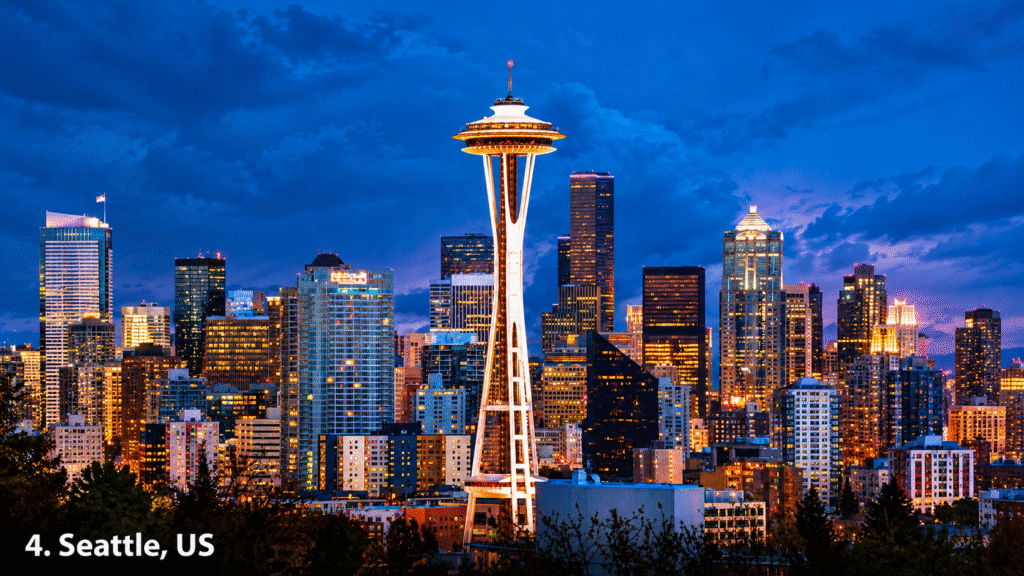
Standing on the observation deck of the Columbia Center, the acoustic profile of the city is dominated by the hum of the data centers located in the basements of the surrounding towers. Seattle ranks among the top cities globally for cloud computing infrastructure. The mechanism of this dominance relies on the availability of cheap hydroelectric power. The Columbia River dams generate massive amounts of electricity. The power routes through high-voltage transmission lines directly to the server farms. The data centers feature massive uninterruptible power supply systems. The UPS systems utilize specialized lithium-ion battery arrays. The batteries provide immediate power in the event of a grid failure, bridging the gap until the diesel generators start. The generators feature specialized acoustic enclosures that reduce the noise to a low rumble. The servers sit in hot aisles and cold aisles. The cold aisle features a specialized perforated floor tile that directs the chilled air directly into the server intakes. The hot air exhausts into the hot aisle, where it returns to the cooling plant. The data center infrastructure dictates the operational reality of the global digital economy.
The Hydronic Cooling Towers and Evaporative Physics
The cloud computing thermal load requires a massive hydronic cooling architecture. The mechanism of the cooling involves a closed-loop glycol system. The glycol circulates through the server racks, absorbing the heat generated by the processors. The warm glycol routes to a massive cooling tower located on the roof of the data center. The cooling tower utilizes a specialized evaporative cooling process. The water cascades down a specialized fill media. The fans draw air through the falling water. The evaporation process cools the water. The cooled water returns to the server room. The system utilizes a specialized variable frequency drive. The drive adjusts the speed of the fans and the pumps based on the real-time thermal load of the servers. The system minimizes the energy consumption. The water used in the cooling tower is sourced from a specialized reclaimed water system. The city treats the wastewater and pumps it directly to the data centers. The use of reclaimed water reduces the demand on the municipal drinking water supply. The engineering of the cooling system dictates the scalability of the cloud infrastructure. The physics of evaporation dictates the operational limits of the data center.
The Aerospace Autoclave and Carbon Fiber Curing
The aerospace manufacturing facility in Everett houses the largest building in the world by volume. The mechanism of the aircraft assembly involves a massive automated crane system. The cranes travel on rails embedded in the concrete floor. The cranes lift the massive carbon fiber wing skins into position. The carbon fiber utilized in the wing construction features a specialized T800 grade weave. The engineers lay the carbon fiber sheets into a massive mold. The mold features a specialized vacuum bag. The bag removes the air from the layup. The mold enters a massive autoclave. The autoclave pressurizes the chamber to 7 bar. The temperature reaches 180 degrees Celsius. The heat and pressure cure the resin, creating a solid composite structure. The autoclave consumes massive amounts of electricity. The power is supplied by the local hydroelectric grid. The wing assembly requires specialized laser alignment tools. The tools measure the exact position of the wing relative to the fuselage. The tolerance measures less than 0.1 millimeters. The aerospace infrastructure dictates a significant portion of the local economy. The engineering of the aircraft requires absolute precision and massive capital expenditure.
The Submarine Fiber Optic Landing and Latency Reduction
The submarine fiber optic cables landing on the coast of Washington state dictate the connectivity of the Seattle tech ecosystem. The mechanism of the cable landing involves a specialized beach manhole. The cable comes ashore through a specialized steel conduit drilled horizontally beneath the ocean floor. The conduit prevents the cable from being damaged by ship anchors or tidal scouring. The cable terminates in a massive repeater station. The station amplifies the optical signal. The signal travels through erbium-doped fiber amplifiers. The amplifiers boost the light signal without converting it back to an electrical signal. The data capacity of the cables exceeds 100 terabits per second. The latency between Seattle and Tokyo is minimized by the direct route of the cable. The tech companies utilize this low latency to transfer massive datasets between their data centers. The cables feature a specialized armored sheathing. The sheathing protects the cable from the extreme pressure of the ocean floor. The landing station features a specialized backup power system. The system ensures the amplifiers continue to function during a grid failure. The physical infrastructure of the internet relies on these massive cables landing on the coast.
The Sand Hill Road Dynamics and Venture Capital Deployment
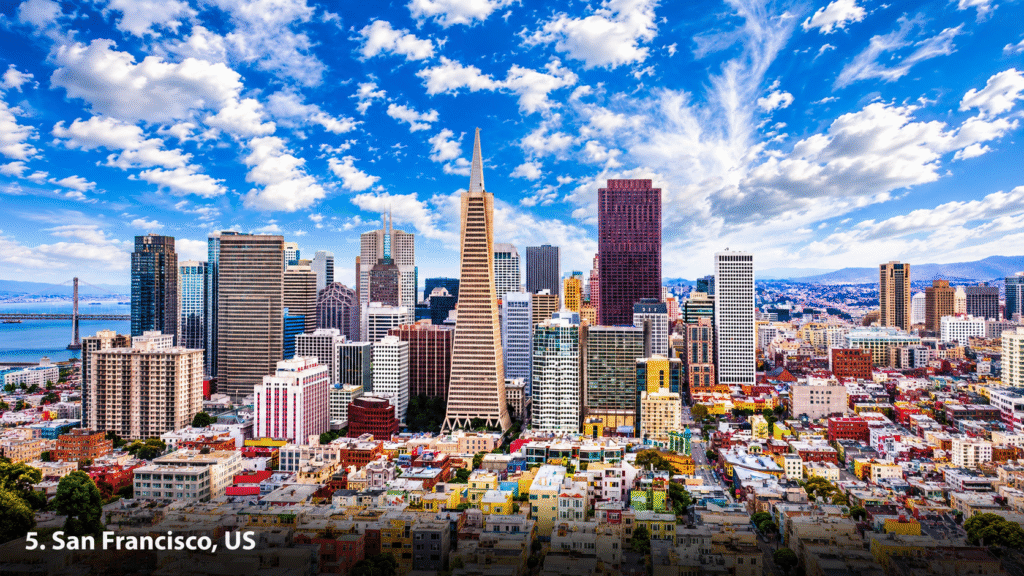
Standing in the open lobby of a venture capital firm on Sand Hill Road, the acoustic openness mirrors the operational structure of the funding mechanism. San Francisco ranks first globally in venture capital deployment. The mechanism involves a localized concentration of institutional capital that seeks high-risk technological development. The firms operate on a two and twenty fee structure, generating massive management fees that sustain the operational overhead. The physical infrastructure of Silicon Valley features a continuous sprawl of low-rise office parks designed to facilitate rapid communication. The legal framework of the Delaware corporate structure allows for rapid formation and dissolution of corporate entities. The financial ecosystem relies on a continuous flow of intellectual capital from the global university systems. The patent infrastructure allows startups to secure intellectual property quickly, creating a defensive moat that justifies extreme valuations. The concentration of capital forces a specific architectural aesthetic, creating a built environment heavily focused on functional minimalism and absolute operational speed. The venture capital mechanism dictates the trajectory of global technological development.
The Biotech Cleanroom Pressure and HEPA Filtration
The biotech laboratories in Mission Bay feature a specialized negative pressure architecture. The mechanism of the laboratory involves maintaining the air pressure inside the lab at a lower level than the exterior hallway. The pressure differential prevents airborne pathogens from escaping the lab. The air handling system utilizes a massive HEPA filtration system. The filters remove 99.97 percent of all particles larger than 0.3 microns. The exhaust air passes through a specialized ultraviolet sterilization chamber. The UV light destroys the DNA of any remaining biological material. The lab benches feature specialized stainless steel surfaces. The steel resists the corrosive action of the chemical reagents. The lab features a specialized pure water system. The system utilizes reverse osmosis and deionization to remove all impurities from the water. The liquid handling robots operate inside specialized biosafety cabinets. The cabinets feature a specialized vertical laminar flow of air, preventing the cross-contamination of the samples. The architecture of the lab dictates the pace of the scientific discovery. The engineering of the space ensures the absolute integrity of the biological research.
The Salesforce Tower Seismic Isolation and Tuned Liquid Dampers
The structural engineering of the Salesforce Tower features a specialized seismic base isolation system. The mechanism of the system involves placing the massive concrete core on top of a series of specialized lead-rubber bearings. The bearings decouple the building from the lateral acceleration of an earthquake. When the ground shakes, the bearings shear horizontally, absorbing the kinetic energy. The building remains stationary. The bearings feature a solid lead core. The lead deforms plastically, absorbing the energy of the seismic waves. The rubber provides the lateral flexibility. The steel plates embedded in the rubber provide the vertical stiffness required to support the weight of the building. The foundation features a massive reinforced concrete mat. The mat distributes the massive weight of the tower across the underlying bedrock. The tower features a specialized tuned liquid damper. The damper consists of a massive tank of water located near the top of the building. The water sloshes back and forth, counteracting the sway of the tower in high winds. The engineering ensures the structural survival of the building in a major seismic event.
The Term Sheet Liquidation Preference and Anti-Dilution Mechanics
The venture capital term sheet dictates the financial architecture of the technology startup. The mechanism of the term sheet involves a specific liquidation preference. The preference dictates the order in which the capital is returned in the event of a sale or an initial public offering. The investors with a 1x non-participating preference receive their initial investment back before any of the founders or the employees receive a payout. The term sheet features a specialized anti-dilution clause. The clause protects the investors from the dilution of their ownership in the event of a down round. The clause adjusts the conversion price of the preferred stock. The adjustment effectively grants the investors additional shares for free. The term sheet features a specific board composition. The composition dictates the control of the company. The investors require a seat on the board. The board seat provides oversight of the operational decisions. The legal architecture of the term sheet forces the founders to align their operational goals with the financial goals of the venture capital firm. The mechanics of the deal dictate the trajectory of the technology.
The Permanence of Urban Capital Concentration
The physical infrastructure of these five cities relies on immense capital concentration. The physical engineering of the financial systems, the data centers, and the biotech laboratories dictates the operational reality. The ultra-wealthy engage with these cities to acquire a specific type of access. The exclusivity stems from the impossibility of mass participation. The cities require specialized facilities, bespoke equipment, and massive logistical support. The permanence of these cities lies in their architectural and technological foundations. The carbon fiber composites, the subterranean gold vaults, and the seismic isolation systems will outlast the seasonal news cycles. The capital investment ensures the cities remain anchored to specific geographic locations and specific legal frameworks. The physical reality of the competition provides a grounding mechanism for wealth that exists largely in digital formats. The friction of the city, the physical exertion, and the engineering risk provides a tangible return on investment. The engineering of the infrastructure ensures the continuous function of the city regardless of the external economic climate. The permanence of the capital guarantees the survival of the urban center. The infrastructure will remain standing, a testament to the intersection of extreme wealth and applied physics.
FAQ
What defines the World’s Leading Cities?
The cities securing the top global rankings rely on highly engineered physical infrastructure and specific unalterable geographic advantages. The mechanism behind their supremacy involves extreme capital concentration, specialized legal frameworks, and continuous technological adaptation that bypasses standard global supply chain friction.
How does New York maintain its position as the top ranked city?
New York maintains its position through the physical concentration of capital in private equity firms and high-frequency trading infrastructure. The city houses the headquarters of major financial institutions, utilizing advanced fiber optic networks and subterranean gold vaults to anchor global financial operations.
What engineering infrastructure defines Seattle’s ranking?
Seattle’s ranking is defined by its massive cloud computing data centers and aerospace manufacturing facilities. The infrastructure relies on cheap hydroelectric power, specialized hydronic cooling towers, and submarine fiber optic cables that minimize latency for global data transfer.
How do these cities manage the physical security of extreme wealth?
These cities manage physical wealth through highly specialized, invisible security architectures. This includes pressure-sensitive flooring in high jewelry stores, biometric access controls in private banks, and argon gas fire suppression systems in art storage freeports to protect concentrated capital.
What role does real estate play in the economy of these top cities?
Real estate in these cities operates as a financial instrument rather than purely a residential necessity. Wealthy individuals purchase properties through Limited Liability Companies as a mechanism for capital preservation, driving up property valuations and creating a permanent floor on real estate prices.