A Dinner That Starts Three Continents Away
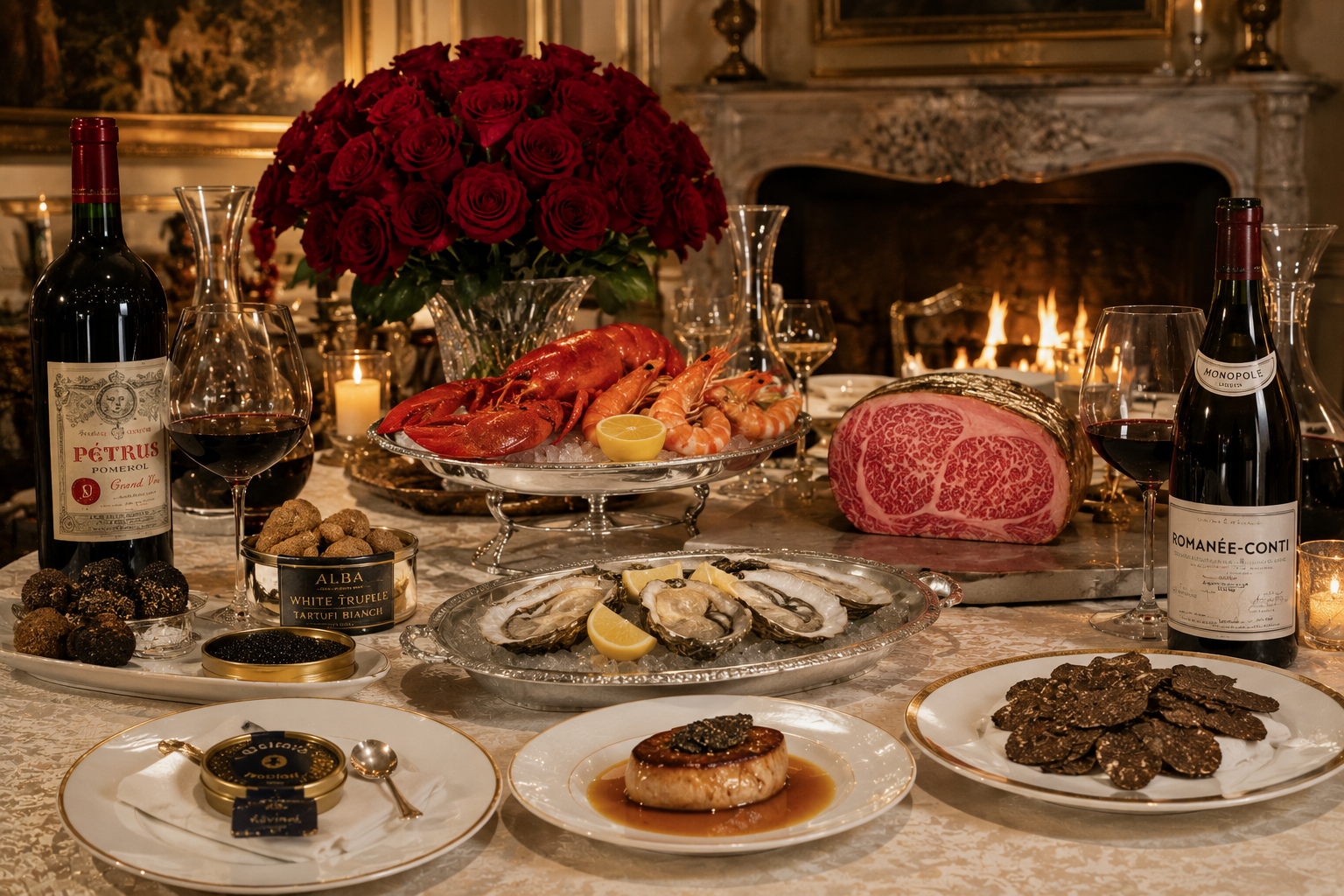
The guest list has not been finalized, yet preparations began weeks ago. A rare white truffle shipment is scheduled to arrive from Europe. A private vineyard has released several bottles reserved exclusively for longstanding clients. A chef reviews ingredient deliveries sourced from farms, fisheries, and producers spread across multiple countries. The dining room itself remains surprisingly understated. There are no gold-plated centerpieces or theatrical presentations. Instead, the focus rests on precision, sourcing, and access. This is where the reality of the billionaire food wine budget lifestyle often diverges from public perception. The ultra-wealthy rarely spend extraordinary sums on food because they want larger portions or more elaborate presentations. They spend because they are purchasing rarity, consistency, relationships, expertise, and the ability to obtain experiences unavailable to almost everyone else. The story behind a $40 million annual food and wine budget reveals a culture centered on access rather than excess.
The Biggest Misconception About Billionaire Dining
Many people imagine billionaire dining as a constant parade of caviar towers, gold-covered desserts, and expensive bottles selected purely for their price tags. The reality tends to be more nuanced. Wealth at the highest levels often shifts priorities away from visible consumption and toward quality, personalization, and convenience. Billionaires frequently employ culinary teams capable of sourcing ingredients according to highly specific standards. Menus are often shaped around seasonality, health goals, travel schedules, and personal preferences. The most expensive aspect is rarely a single meal. Instead, costs accumulate through private chefs, global sourcing networks, wine acquisition strategies, hospitality staff, transportation logistics, and bespoke dining experiences. The result is a culinary ecosystem designed around consistency rather than spectacle.
What a $40 Million Food and Wine Budget Actually Covers
A budget of this scale extends far beyond restaurant bills. Private households often operate like boutique hospitality businesses. Costs may include executive chefs, sous chefs, pastry specialists, sommeliers, procurement teams, and support staff working across multiple residences. Ingredients are sourced globally to meet exact specifications. Wine acquisitions can involve private allocations, rare vintages, and direct relationships with prestigious producers. Entertaining also plays a significant role. Hosting world leaders, investors, celebrities, family members, and business partners frequently requires exceptional culinary execution. The budget therefore supports an entire infrastructure rather than individual meals. Understanding this distinction provides a more accurate picture of how wealth influences food consumption.
Breakfast at the Highest Level of Wealth
The most surprising meal may be breakfast. Contrary to popular assumptions, many ultra-high-net-worth individuals begin the day with remarkably disciplined routines. Nutritional performance often outweighs indulgence. Menus frequently feature fresh fruit, carefully sourced proteins, organic produce, specialty teas, and customized health-focused options. The luxury comes from precision. Ingredients arrive at peak quality. Dietary requirements are monitored closely. Preparation is handled flawlessly. For individuals managing complex global schedules, breakfast serves as fuel rather than entertainment. This emphasis on optimization reflects a broader trend among wealthy individuals who increasingly view nutrition as part of personal performance management.
Lunch as a Business Tool
Lunch occupies a unique position within the billionaire food wine budget lifestyle. Many significant conversations occur around dining tables rather than conference rooms. Private chefs, members-only clubs, exclusive restaurants, and residence-based hospitality environments provide settings where relationships can develop naturally. The food itself matters, yet the environment often matters more. Privacy, service quality, and discretion become essential. Menus are frequently tailored to guest preferences. Wines are selected strategically. Every detail supports conversation rather than distracting from it. This approach transforms dining into a tool for relationship building and long-term influence.
The Mechanism Reveal: How Elite Ingredient Sourcing Actually Works
One of the least understood aspects of billionaire dining is the procurement network operating behind the scenes. Luxury ingredients do not simply appear through standard supply chains. Specialized buyers maintain relationships with growers, fishermen, vineyards, ranches, and artisanal producers worldwide. Certain products are reserved before harvest. Others become available through private allocations. Transportation logistics are managed with extraordinary precision to ensure freshness. The mechanism resembles fine art acquisition more than conventional grocery shopping. Access often matters as much as purchasing power. Longstanding relationships determine who receives the best products and when those products become available.
Private Chefs: The Most Valuable Ingredient in the House
A billionaire’s culinary experience is often defined less by ingredients and more by the people preparing them. Elite private chefs operate at a level combining culinary artistry, logistics management, nutrition expertise, and hospitality leadership. Many have backgrounds in Michelin-starred kitchens or prestigious hospitality environments. Their responsibilities extend beyond cooking. They coordinate sourcing, design menus, oversee staff, adapt to changing schedules, and ensure consistent quality across multiple residences and travel destinations. For many wealthy families, a trusted chef becomes one of the most valuable members of the household team.
The Wine Cellar: Where the Largest Spending Happens
Food attracts attention. Wine often absorbs the largest share of long-term spending. Elite collectors view wine through multiple lenses, including enjoyment, heritage, investment potential, and social significance. Some cellars contain thousands of bottles acquired over decades. Others focus on highly curated collections emphasizing rarity and provenance. Temperature-controlled storage, acquisition strategies, insurance, transportation, and professional management all contribute to costs. A single purchase may represent years of planning. The most valuable collections are often built through relationships with producers rather than public auctions. Access remains the defining currency.
What Billionaires Actually Eat at Private Gatherings
Private dinners frequently prioritize refinement over extravagance. Menus often showcase seasonal ingredients prepared with remarkable precision. The objective is rarely to overwhelm guests. Instead, hosts seek balance, quality, and memorable experiences. Seafood sourced within hours of service, vegetables from private estates, heritage meats, artisanal cheeses, and carefully paired wines appear more often than overtly extravagant dishes. Hospitality becomes the central focus. Guests remember the atmosphere, service, and conversation as much as the food itself. This subtle approach reflects confidence rather than restraint.
Health, Longevity, and the Modern Wealth Diet
An increasing number of affluent individuals approach food through the lens of longevity. Nutrition specialists, wellness advisors, medical consultants, and chefs frequently collaborate to create personalized dining strategies. Menus may incorporate scientific insights alongside culinary excellence. Ingredients are selected for both flavor and health benefits. The objective is sustainability rather than temporary discipline. As longevity becomes a larger priority among wealthy individuals, dining habits continue evolving away from traditional notions of luxury consumption and toward performance-oriented lifestyles.
Why Access Matters More Than Price
One recurring theme appears across every aspect of elite dining. The most valuable experiences are often unavailable regardless of budget. Access to private vineyards, exclusive producers, invitation-only culinary events, and longstanding supplier relationships creates opportunities that money alone cannot guarantee. Wealth facilitates access, yet relationships determine quality. This dynamic explains why many affluent individuals invest years cultivating connections within the food and wine world. Ownership matters less than participation within trusted networks.
The Future of Luxury Dining for the Ultra-Wealthy
Luxury dining continues evolving toward personalization, sustainability, wellness, and exclusivity. Private estates are integrating agricultural production. Chefs are collaborating directly with producers. Technology is improving sourcing transparency. Guests increasingly value authenticity over visible extravagance. The future appears focused on experiences that combine exceptional quality with meaningful context. Food becomes part of a broader lifestyle ecosystem rather than a standalone luxury category. The wealthiest consumers continue searching for experiences that feel genuinely difficult to replicate.
The Real Luxury Is Knowing Exactly Where Everything Came From
The most revealing detail about the billionaire food wine budget lifestyle is how little of it revolves around price. Extraordinary budgets certainly attract attention, yet the defining characteristic is access. The rare bottle matters because of its story. The ingredient matters because of its origin. The chef matters because of trust. The dining table becomes a place where relationships, expertise, hospitality, and provenance converge. Long after a meal ends, those elements retain their significance. As luxury continues evolving, the highest level of food and wine culture appears increasingly centered on knowledge, sourcing, and access rather than visible display. That shift may prove more enduring than any headline-grabbing budget figure.
FAQ
How much do billionaires spend on food and wine annually?
Spending varies significantly depending on lifestyle, residences, entertaining habits, staffing requirements, and wine collecting interests. Some ultra-high-net-worth households allocate millions annually toward food, wine, and hospitality operations.
Do billionaires eat differently from other wealthy individuals?
Many billionaires focus heavily on sourcing, personalization, nutrition, and access to exceptional ingredients rather than simply purchasing expensive meals.
Why do billionaires hire private chefs?
Private chefs provide consistency, convenience, customization, privacy, and access to restaurant-level culinary experiences within private residences and travel environments.
What is usually the most expensive part of a billionaire’s dining lifestyle?
Large wine collections, private hospitality staff, global ingredient sourcing, and extensive entertaining often account for a substantial portion of annual spending.
Are billionaire dining habits focused on luxury or health?
Increasingly, both. Many affluent individuals combine exceptional ingredients and hospitality experiences with personalized nutrition, wellness strategies, and longevity-focused dietary planning.