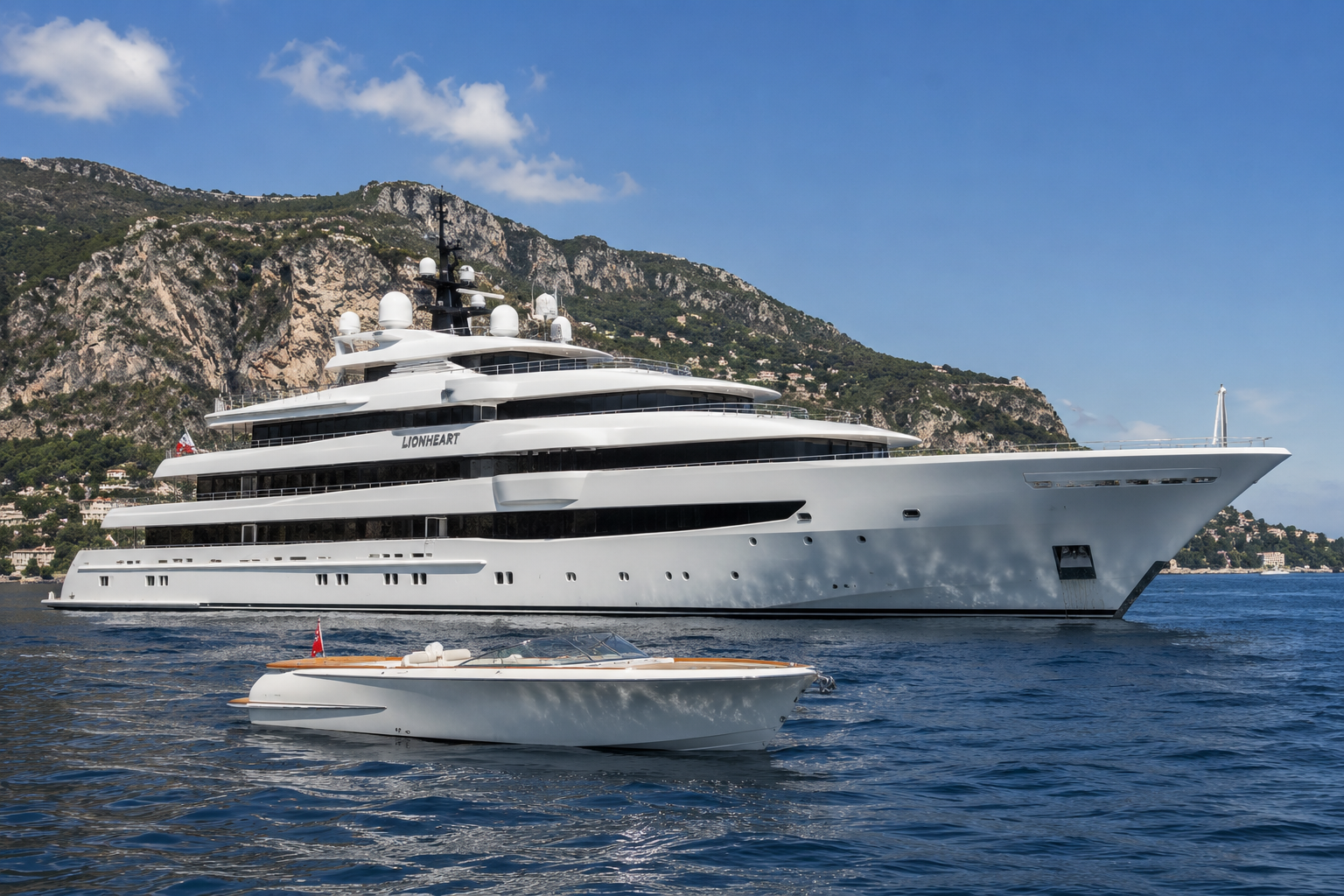
The marina is almost silent at dawn except for the low vibration of shore power systems and the soft movement of tenders against polished hulls. Crew members in pressed whites move across six decks before most owners have opened their morning briefing. Somewhere below the waterline, engineers are already checking stabilizers, generators, water makers, and climate systems that have operated continuously through the night. From shore, a 100-meter yacht looks like a floating statement of wealth. Up close, it feels more like a private corporation disguised as leisure. The real cost of owning 100m superyacht 2026 extends far beyond the original build price. Fuel, crew, insurance, technical maintenance, marina access, aviation logistics, and annual refits combine into an operational structure that can quietly consume tens of millions each year. This article breaks down the hidden economics behind modern superyacht ownership and explains why the world’s largest private vessels function more like mobile estates than recreational toys.
The Initial Purchase Price Is Only the Beginning
A newly commissioned 100-meter superyacht can exceed several hundred million dollars before the owner ever steps onboard. Hull engineering, naval architecture, custom interiors, and propulsion systems create costs that resemble those of advanced commercial projects rather than traditional leisure purchases. Yet experienced owners rarely focus on acquisition alone. They understand that the purchase price represents the opening chapter of a much larger financial commitment. The cost of owning 100m superyacht 2026 begins accelerating once delivery occurs because the vessel immediately enters a continuous cycle of staffing, maintenance, and operational management. Custom yacht builds, superyacht shipyards, and naval engineering become relevant not simply as luxury talking points, but as foundational drivers of long-term ownership costs.
Crew Salaries and Why Staffing Functions Like a Luxury Hotel
A 100-meter yacht often requires between 30 and 60 crew members depending on operational complexity and guest expectations. Captains, engineers, chefs, deck officers, aviation specialists, dive instructors, spa therapists, and security professionals all operate within a tightly coordinated hierarchy. Salaries alone can reach several million dollars annually before bonuses, insurance, travel, and training are considered. The mechanism behind this staffing scale is practical. A vessel operating around the clock requires rotational coverage, technical oversight, and hospitality standards comparable to elite hotels. Within the true cost of owning 100m superyacht 2026, crew management, maritime staffing, and luxury hospitality operations become some of the largest recurring financial obligations.
Fuel Consumption at Sea and the Price of Moving a Floating Estate
Fuel costs fluctuate dramatically depending on cruising patterns, engine size, and global fuel markets. A 100-meter superyacht may consume hundreds of liters per hour even while operating at moderate cruising speeds. Long transatlantic voyages, positioning movements between charter seasons, and tender support operations increase consumption substantially. Owners also maintain fuel reserves for generators, stabilization systems, and auxiliary equipment running continuously while anchored. The cost of owning 100m superyacht 2026 becomes especially visible here because mobility at this scale requires industrial levels of energy. Marine diesel systems, transoceanic cruising, and superyacht fuel logistics transform what appears effortless from shore into a highly expensive engineering exercise.
Docking Fees and the Battle for Prime Marina Space
Berthing a 100-meter yacht in Monaco, St. Barths, Ibiza, or Portofino during peak season can cost extraordinary sums before electricity, security, and service support are added. Prime marina positions operate through relationships, long-term contracts, and strategic timing rather than simple reservation systems. Larger yachts also require deeper berths, specialized infrastructure, and wider maneuvering zones that many ports cannot accommodate easily. In the wider discussion surrounding the cost of owning 100m superyacht 2026, superyacht marinas, Mediterranean berths, and seasonal docking fees reveal how geography itself becomes part of the ownership equation.
Maintenance, Refit Cycles, and the Constant Fight Against Saltwater
Saltwater attacks everything. Paint systems, teak decking, hydraulic components, electronics, and steel structures all deteriorate continuously under marine exposure. This is why major yachts undergo relentless maintenance schedules and periodic refits that can last months. Paintwork alone on a 100-meter vessel can cost millions because surfaces require stripping, preparation, and climate-controlled application. The mechanism reveal matters here. Superyacht maintenance operates less like ordinary servicing and more like aviation-grade engineering oversight. Within the actual cost of owning 100m superyacht 2026, refit programs, marine engineering, and preventive maintenance become essential to preserving both safety and long-term asset value.
Insurance, Legal Structures, and International Compliance
Insuring a 100-meter yacht involves far more than hull coverage. Policies may include crew liability, guest protection, aviation support assets, environmental exposure, and geopolitical risk management depending on cruising regions. Owners also structure yacht ownership through layered legal entities for tax planning, operational privacy, and liability control. The cost of owning 100m superyacht 2026 therefore extends into legal and financial architecture that remains largely invisible to casual observers. Maritime law, offshore ownership structures, and superyacht insurance become deeply interconnected with the operational life of the vessel.
Aviation, Security, and the Lifestyle Infrastructure Around the Yacht
Many owners operate helicopters, chase boats, submarines, and support vessels alongside the primary yacht. Aviation logistics alone can involve pilots, maintenance contracts, and specialized deck crews certified for offshore operations. Security adds another layer, particularly for high-profile individuals traveling through politically sensitive regions. The broader cost of owning 100m superyacht 2026 cannot be separated from this supporting ecosystem because the yacht functions as part of a wider mobility platform. Support vessels, marine aviation, and private security operations reveal how ownership often expands far beyond the main yacht itself.
Interior Upkeep and Why Luxury Ages Faster at Sea
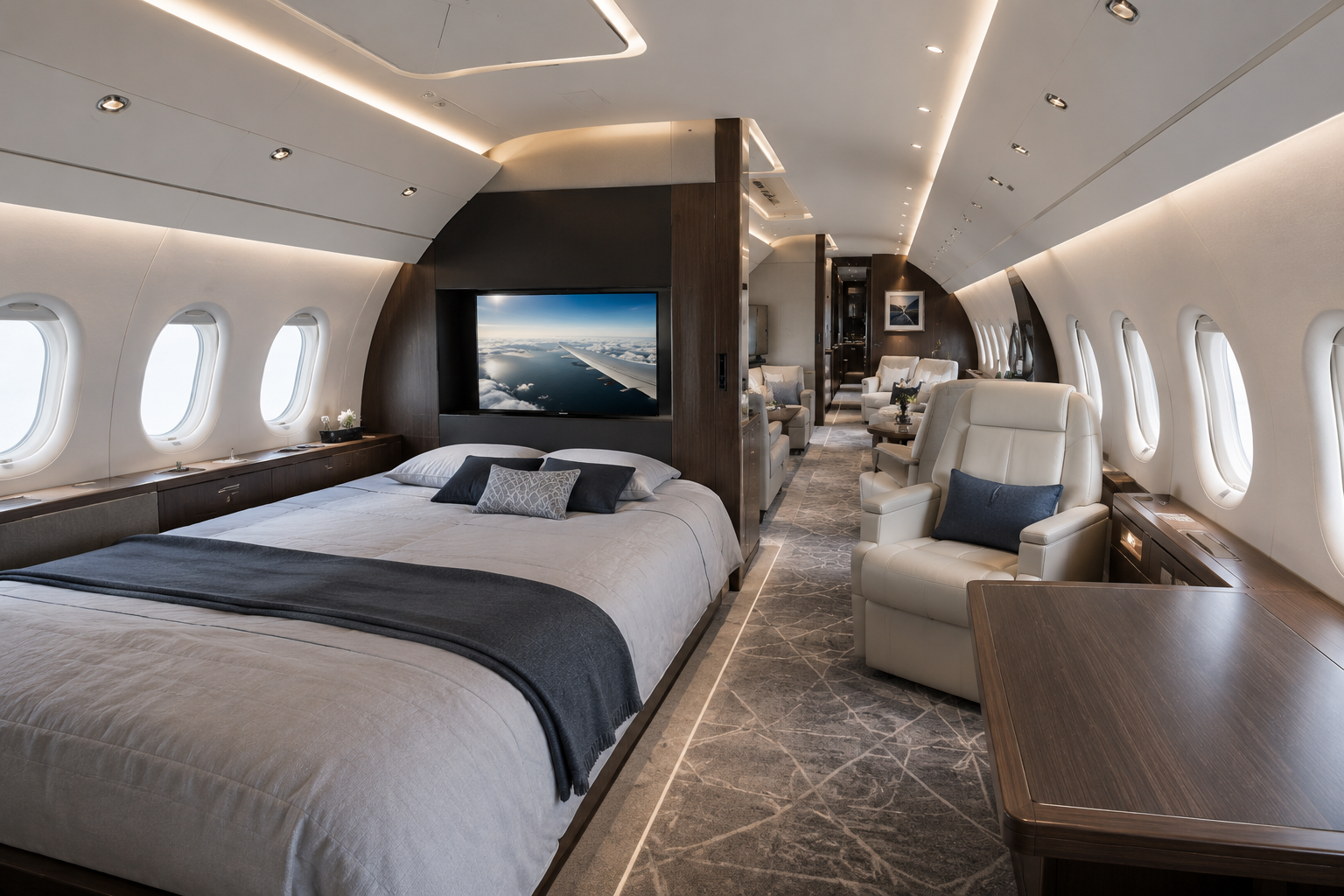
Unlike private residences, yacht interiors endure vibration, humidity, salt exposure, and constant movement. Leather dries differently at sea. Wood expands and contracts under changing conditions. Fabrics fade more aggressively under intense reflection from open water. Owners therefore refresh interiors far more frequently than most outsiders expect. Fine art, marble, rare veneers, and custom furniture all require specialist care and climate management. Within the ongoing cost of owning 100m superyacht 2026, interior restoration, marine-grade materials, and bespoke yacht design become recurring investments rather than occasional upgrades.
The Emotional Economics of Superyacht Ownership
Despite the immense costs, owners continue commissioning larger and more sophisticated vessels because the yacht delivers something difficult to replicate elsewhere: total environmental control combined with mobility. A 100-meter yacht allows family, business, wellness, security, and hospitality to operate within one private ecosystem moving between jurisdictions and coastlines. The true cost of owning 100m superyacht 2026 therefore cannot be understood purely through accounting. It reflects a broader philosophy surrounding privacy, autonomy, and access. Floating estates, global mobility, and private hospitality ecosystems define why these vessels remain central to ultra-high-net-worth lifestyles despite their extraordinary operational demands.
Why the Biggest Expense Is Often Invisible
The most revealing aspect of superyacht ownership is how much money is spent preventing owners from noticing complexity at all. Engineers absorb technical failures before guests wake. Crew coordinate arrivals, provisioning, and security without visible disruption. Legal teams manage compliance quietly across jurisdictions. Fuel arrives before tanks approach reserve levels. At this level, luxury is operational invisibility. The deeper implication surrounding the cost of owning 100m superyacht 2026 is that the yacht itself becomes less important than the system required to keep the illusion of effortless freedom intact year after year.
FAQ
How much does it cost annually to own a 100m superyacht?
Annual operating costs can easily reach tens of millions of dollars once crew salaries, fuel, maintenance, insurance, docking, and refits are included.
What is the biggest expense of owning a superyacht?
Crew salaries, fuel consumption, and major maintenance or refit projects are usually the largest recurring operational expenses.
How many crew members does a 100m yacht require?
Most 100-meter yachts operate with approximately 30 to 60 crew members depending on guest capacity and onboard amenities.
Why are superyacht maintenance costs so high?
Saltwater exposure, complex engineering systems, and luxury interiors require constant preventive maintenance and highly specialized technical expertise.
Do billionaires charter out their yachts to offset costs?
Some owners charter their yachts selectively during certain seasons, although many prefer complete private use for security and discretion reasons.