A Fitting Room on Avenue Montaigne
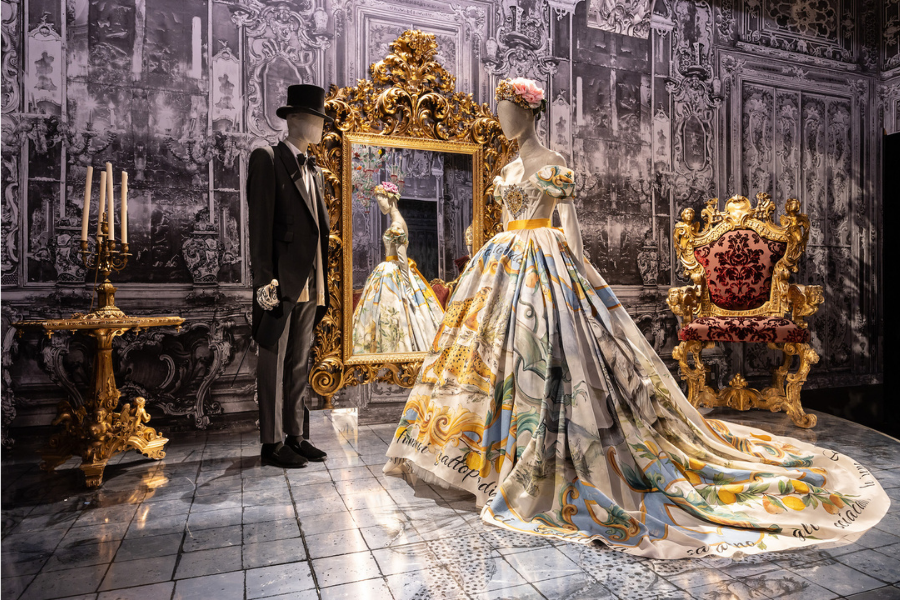
The mirror is taller than the doorway. A seamstress kneels near the hem, chalk in hand, adjusting a line that will disappear once the garment reaches its final stage. The client stands still while pins trace the architecture of the dress across silk.
This quiet room exists far from the spectacle of the runway. It serves a much smaller audience. Industry estimates suggest the Global Haute Couture Client Base numbers roughly four thousand individuals worldwide.
For fashion houses, that number defines the apex of the luxury pyramid. Couture does not operate on volume. It functions through intimacy, craftsmanship, and relationships cultivated across decades.
This outline explores the economics behind such a small client circle, the mechanisms that sustain it, and why haute couture continues to exist in a market dominated by scale.
Who They Are and How the Market Functions
A Client List Measured in Hundreds per House
The number often surprises observers outside the fashion industry. Haute couture houses maintain extremely small active client lists.
A major maison may serve only a few hundred couture buyers globally. When aggregated across all official couture houses, the total approaches four thousand individuals.
These clients include royalty, collectors of fashion history, entertainment figures, and private patrons who maintain longstanding relationships with specific ateliers.
Unlike ready to wear, couture garments are commissioned piece by piece. Each client selects designs during private appointments, then works through multiple fittings until the garment reaches completion.
The Economics of Couture Production
Haute couture demands extraordinary labor. A single gown may require hundreds or thousands of hours of handwork. Embroidery, pleating, bead setting, and finishing occur within specialized workshops known as métiers.
The price of one couture garment can range from tens of thousands to several hundred thousand dollars depending on complexity.
Despite these figures, couture rarely generates substantial profit directly. Instead it functions as a halo for the broader brand ecosystem. Perfume, accessories, and ready to wear divisions benefit from the cultural authority couture provides.
Mechanism Reveal: How a Couture Garment Is Actually Made
A couture piece begins with a sketch approved by the client. Pattern makers then construct a prototype called a toile using plain cotton.
The toile allows seamstresses to adjust proportion and structure before expensive fabrics enter the process. After client approval, the final garment takes shape through hand cutting and assembly.
Embroidery ateliers often work separately on panels before returning them to the house for integration into the garment. Each stage requires meticulous coordination.
The finished piece may pass through several fittings before delivery. Couture garments are engineered around a single body. Replication rarely occurs.
Geographic Distribution of Couture Clients
The Global Haute Couture Client Base extends across several regions. Paris remains the central hub. Clients frequently travel there for fittings during couture week.
The Middle East represents a significant segment of couture demand, particularly for evening wear and ceremonial pieces. Asian collectors have increased participation in recent years. European aristocracy and American private clients maintain longstanding patronage traditions.
This geographic diversity stabilizes the market. Couture houses cultivate relationships internationally while maintaining Paris as the creative nucleus.
Why Such a Small Market Endures
Cultural Capital and Brand Authority
Haute couture confers legitimacy. A fashion house recognized within official couture structures signals mastery of craft.
Luxury consumers who purchase handbags or fragrance often associate those products with the prestige of couture collections. The garments themselves function as cultural anchors.
For high net worth clients, participation in the couture ecosystem provides access to heritage. Owning a couture garment connects the wearer to a lineage of craftsmanship reaching back more than a century.
Craft Preservation and Artisan Networks
Couture sustains rare technical skills that might otherwise disappear. Embroiderers, feather specialists, pleaters, and lace artisans operate within highly specialized workshops.
These métiers survive because couture houses commission their expertise season after season. The economic scale may appear small, yet it supports an intricate ecosystem of artisans.
Without couture orders, many of these crafts would struggle to remain commercially viable.
Private Patronage as Market Foundation
Unlike mass luxury categories, couture relies on patronage dynamics.
Clients return year after year, commissioning pieces for specific occasions. Some maintain archival collections spanning decades. Their patronage ensures continuity for ateliers and designers.
Fashion historians often describe couture clients as custodians of craft rather than simple consumers.
The Investment Perspective
Collectors occasionally treat couture garments as cultural assets. Museum acquisitions, auction appearances, and archival exhibitions reinforce their historical significance.
While couture rarely functions as a financial investment in the conventional sense, certain pieces achieve enduring cultural value.
The limited scale of the Global Haute Couture Client Base ensures that each garment carries narrative weight beyond its fabric and thread.
Permanence in a Market of Four Thousand
The runway show lasts fifteen minutes. Cameras flash. Applause rises and fades.
Back in the fitting rooms, the real work continues. Seamstresses adjust hems. Clients return for another appointment. Patterns evolve quietly on drafting tables.
Four thousand people sustain this world. The number remains small by design.
Haute couture persists not because it scales, but because it refuses to.