A Balcony in Madrid, A Future in Plain Sight
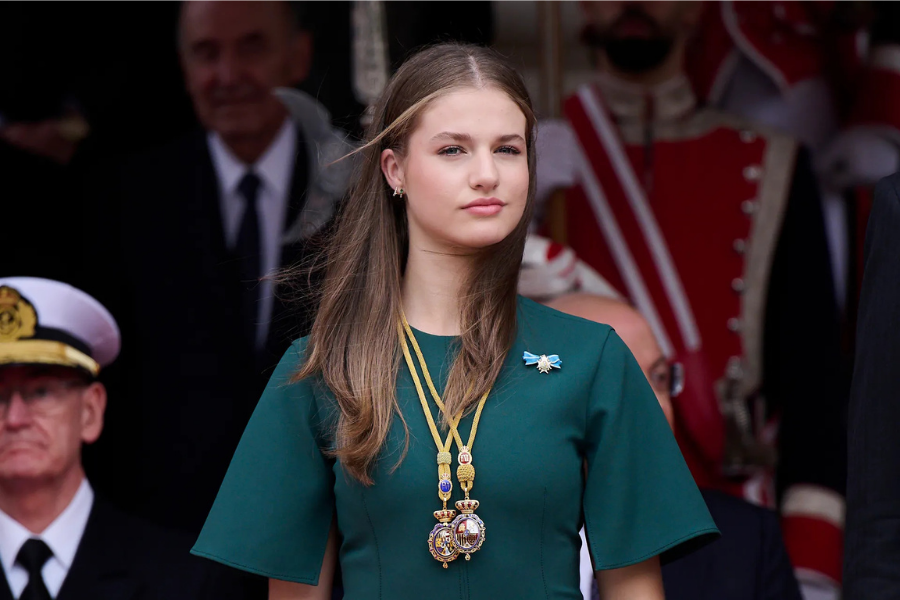
The late afternoon light settles across the façade of the Royal Palace in Madrid. Below, a crowd gathers, phones raised. At the center of attention stands Leonor, Princess of Asturias, poised and measured, aware that history now moves in her direction.
Across Europe, a quiet structural shift is underway. Thrones once reserved for male heirs are now aligned toward daughters. The phrase Europe New Era of Queens reflects not spectacle, but succession reform shaped by decades of legislative change.
For royal watchers, political historians, and cultural commentators, this transition marks more than generational renewal. It signals recalibrated monarchy in constitutional systems that balance tradition with evolving social norms.
This outline explores the legal mechanisms behind the shift, the women positioned to inherit, and what their eventual reigns could represent for Europe’s ceremonial institutions.
Europe New Era of Queens: Succession Reform, Female Heirs, and Institutional Continuity
Absolute Primogeniture and Legal Reform
Historically, many European monarchies operated under male preference primogeniture. Sons preceded daughters in succession, regardless of birth order. Over recent decades, several kingdoms amended constitutional frameworks to adopt absolute primogeniture, granting the eldest child precedence irrespective of gender.
Countries including Sweden, the Netherlands, Belgium, Norway, and the United Kingdom revised succession laws through parliamentary process. These reforms required coordination between constitutional statutes and royal assent mechanisms.
The result is a generation of female heirs now first in line. The Europe New Era of Queens rests on legislative architecture rather than ceremonial declaration.
The Heirs Positioned to Ascend
Beyond Spain’s Princess Leonor, figures such as Princess Elisabeth of Belgium, Princess Ingrid Alexandra of Norway, and Princess Catharina-Amalia of the Netherlands stand at the forefront of their respective monarchies.
Each heir undergoes structured preparation. Military training, constitutional education, diplomatic exposure, and philanthropic alignment form part of their development. Public engagements introduce them gradually to national audiences.
Monarchies function symbolically within parliamentary systems. The sovereign’s role centers on continuity, representation, and constitutional formality. Female heirs will inherit these frameworks intact.
Mechanism Reveal: How Succession Law Actually Changes
Amending succession law in constitutional monarchies requires legislative action through national parliaments. In some cases, changes demand coordination with other Commonwealth realms sharing the same monarch.
The process involves statutory revision, formal proclamation, and alignment with existing constitutional documents. Such reform illustrates how monarchies adapt through democratic procedure rather than unilateral decree.
The shift toward gender neutral succession did not occur overnight. It followed sustained debate, cross party agreement, and public consultation.
Cultural Impact, Public Perception, and Modern Monarchy
Representation and Symbolism
A reigning queen in a constitutional monarchy does not alter executive governance directly. Yet symbolism carries weight.
Younger generations see in these heirs a reflection of broader societal expectations around leadership equity. Royal institutions, often viewed as tradition bound, demonstrate capacity for structural adaptation.
For cultural commentators, the Europe New Era of Queens narrative intersects with questions of heritage, identity, and national continuity.
Political Context and Stability
European monarchies operate within parliamentary democracies. Heads of government manage policy. The monarch performs ceremonial duties, appoints prime ministers formally, and signs legislation into law.
Leadership transition in these systems emphasizes stability over disruption. A queen’s accession would follow codified procedure. Public reaction would likely center on pageantry and continuity rather than political upheaval.
Luxury, Soft Power, and Global Visibility
Royal households maintain influence through cultural diplomacy, fashion visibility, and state visits. Female heirs already command international attention through carefully curated public appearances.
Their style choices, charitable affiliations, and educational paths contribute to national soft power. Luxury lifestyle audiences track these signals closely. Fashion houses, jewelers, and designers anticipate renewed narrative around coronations and state occasions.
A queen’s reign carries visual language alongside constitutional duty.
Permanence Beyond Reform
Palaces endure beyond individual sovereigns. State rituals unfold according to protocol written generations earlier.
The daughters now positioned as heirs will eventually stand beneath crowns shaped by centuries of precedent. Their ascent will feel historic. It will also feel orderly.
Europe’s monarchies adapt incrementally, rarely abruptly. The Europe New Era of Queens may be framed as a milestone. In practice, it reflects a slow recalibration completed through law, patience, and continuity.
Crowds will gather on balconies again. Titles will shift. The institutions remain.