
When Power Failure Becomes a Design Problem
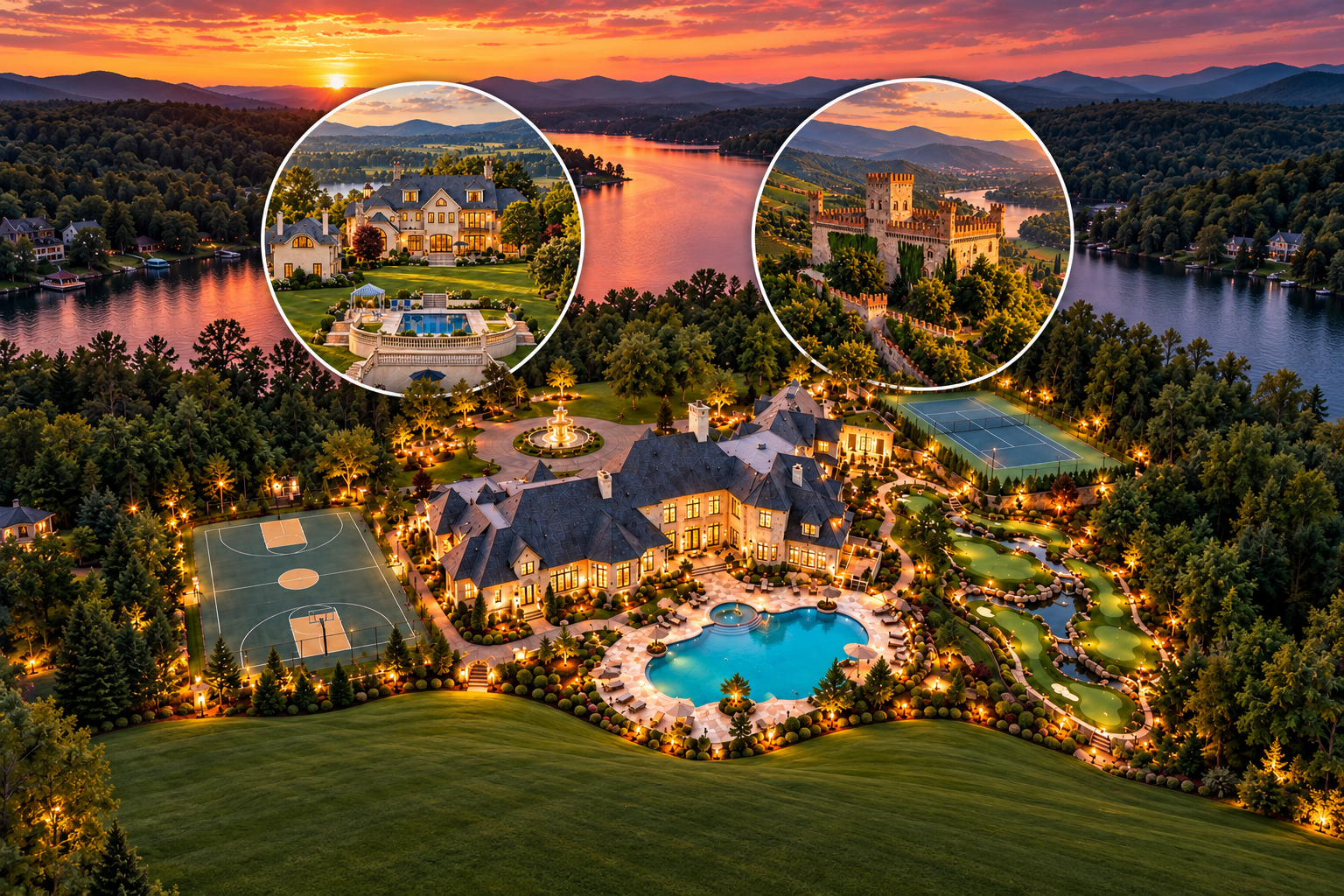
Global blackouts are no longer treated as distant or hypothetical risks among the world’s wealthiest individuals. As energy grids face growing pressure from climate instability, cyber threats, and geopolitical tension, billionaires increasingly view uninterrupted power as a personal responsibility rather than a public guarantee. This shift has given rise to fortified residential environments engineered to operate independently when external systems fail. These billionaire survival compounds are not panic-driven shelters but highly planned ecosystems where security, resilience, and continuity guide every architectural decision. The modern billionaire compound functions as a self-sustaining infrastructure, capable of supporting daily life, business operations, and family security during extended outages. Unlike traditional luxury estates, these properties integrate advanced energy generation, storage, and redundancy at a scale comparable to small municipalities. This article explores how blackout resilience reshapes ultra-high-end residential design, revealing why power autonomy has become a defining feature of elite real estate strategy rather than a fringe concern.
Why Billionaire Survival Compounds Are Designed for Energy Independence
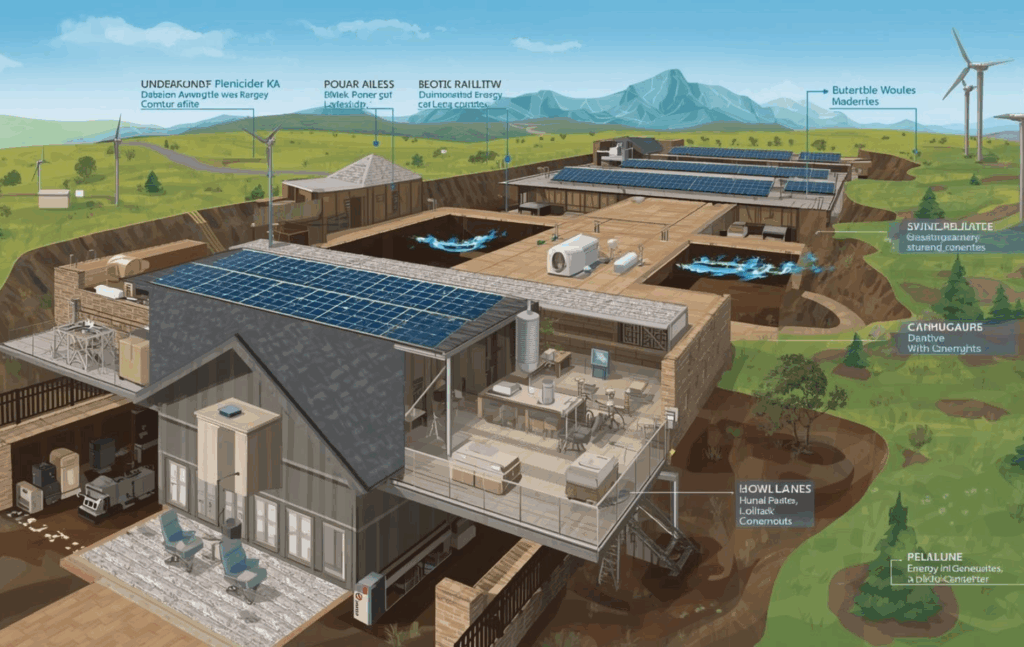
Billionaire survival compounds prioritize energy independence because reliance on centralized grids introduces vulnerability that extreme wealth seeks to eliminate. These residences integrate multiple power-generation systems, often combining solar arrays, geothermal solutions, battery storage, and private generators to ensure seamless continuity. Redundancy stands at the core of design philosophy. If one system fails, another activates without disruption. This layered approach prevents downtime across lighting, climate control, security systems, and communications. Energy independence also enables predictability. Owners control output, maintenance schedules, and expansion capacity without regulatory delays. From a Real Estate perspective, this independence transforms homes into infrastructure assets rather than consumption properties. Power autonomy supports long-term value by insulating the residence from grid instability and energy price volatility. These compounds do not merely survive blackouts. They function normally through them, reinforcing why power control has become synonymous with modern luxury resilience.
Architectural Layouts Built for Continuous Habitation
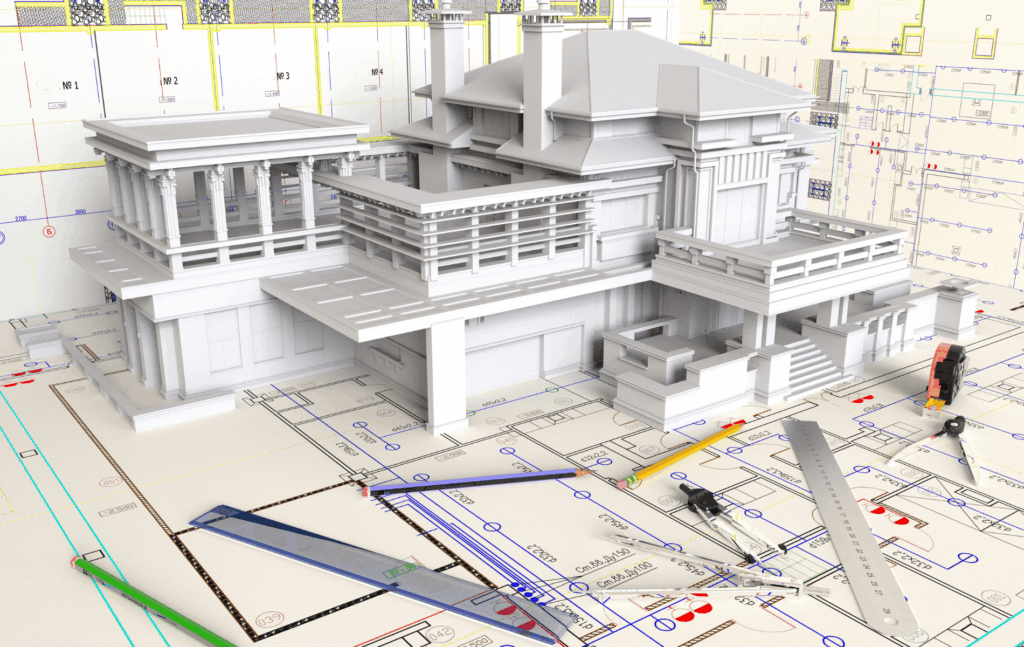
Compounds designed to endure global blackouts follow architectural principles that prioritize livability under prolonged isolation. Layouts include redundant living zones, separated mechanical cores, and protected circulation paths that allow residents to move freely regardless of system status. Bedrooms, workspaces, medical rooms, and wellness areas remain distributed to reduce dependency on single zones. Natural light and ventilation reduce energy load while supporting psychological comfort. Materials favor durability and ease of maintenance over decorative trends. These homes feel calm and residential rather than bunker-like because designers understand that resilience fails if daily life becomes oppressive. Architectural continuity ensures that extended blackouts do not disrupt routines, productivity, or mental well-being. In the Real Estate category, this approach differentiates true resilience from survival aesthetics. The compound supports uninterrupted life rather than temporary refuge, which defines its long-term appeal.
Security Systems That Function Without Public Infrastructure
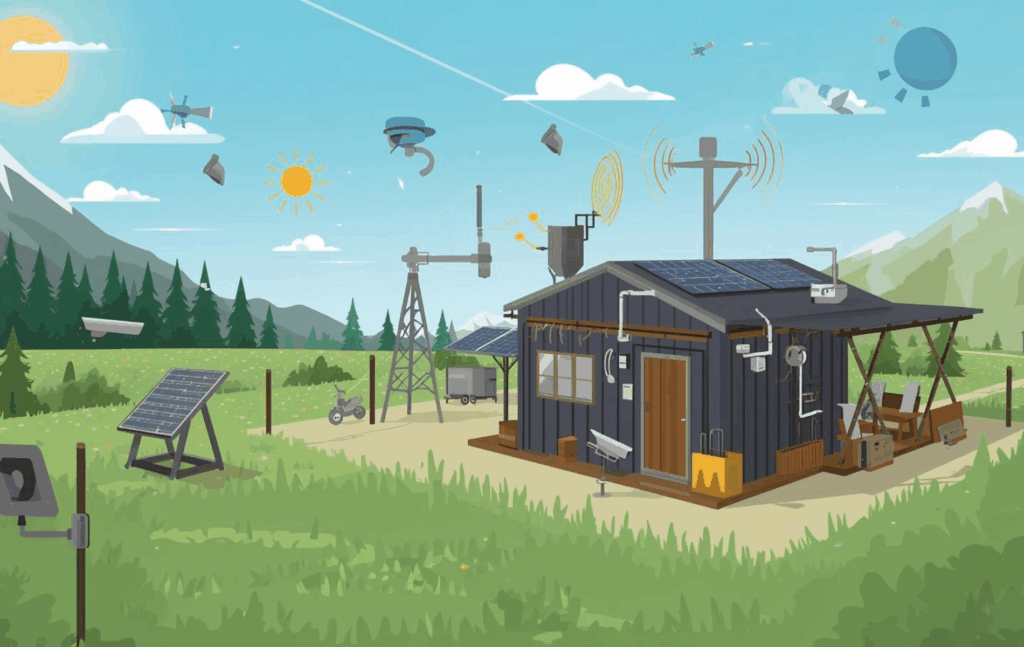
Security infrastructure within blackout-resilient compounds operates independently of public networks. Surveillance, access control, perimeter monitoring, and threat detection systems remain fully functional even when external connectivity fails. These systems rely on private networks, encrypted communication loops, and local processing rather than cloud dependency. Physical security features, such as controlled entry points and layered barriers, complement digital oversight. The result is a self-contained security ecosystem that maintains integrity regardless of external conditions. For ultra-high-net-worth families, this autonomy removes uncertainty during crises. In the context of Security & resilience, uninterrupted protection defines peace of mind. These systems are intentionally discreet, integrated into architecture rather than displayed. Their effectiveness lies in invisibility and reliability rather than intimidation.
Water, Food, and Environmental Self-Sufficiency
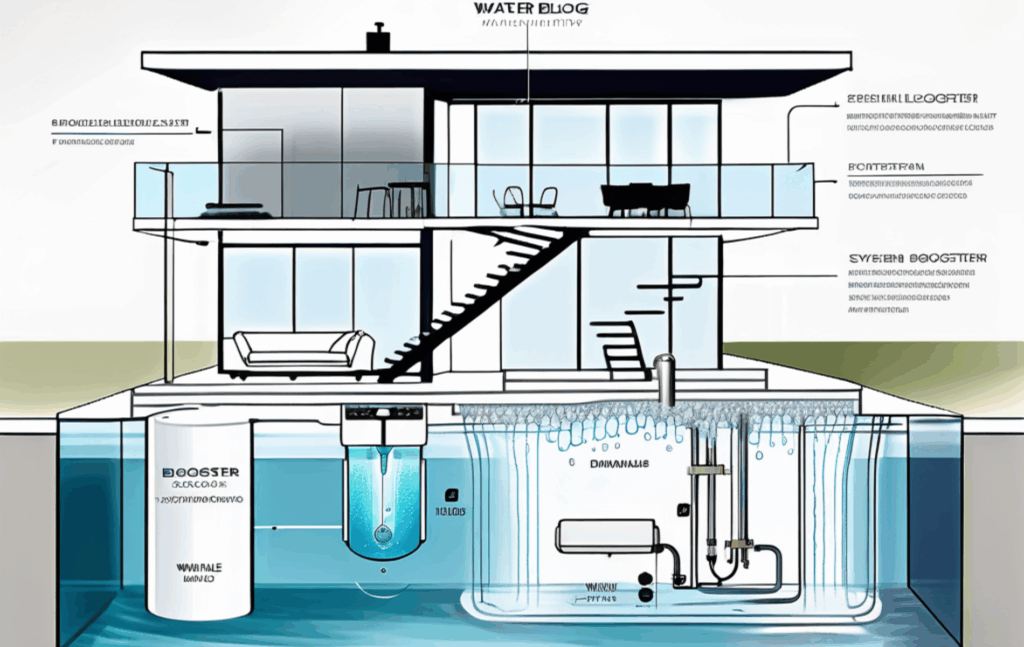
Energy independence alone does not ensure survival during extended blackouts. Billionaire compounds incorporate water purification, storage reserves, and sustainable sourcing to eliminate dependency on municipal supply. Advanced filtration systems treat rainwater, groundwater, or recycled sources to potable standards. Food security follows a similar logic. Climate-controlled storage, greenhouses, and managed supply chains provide continuity without reliance on external logistics. Environmental systems regulate air quality, humidity, and waste management internally. These features transform compounds into closed-loop environments capable of sustaining occupants indefinitely. From a Real Estate standpoint, such infrastructure enhances asset resilience and future desirability. Self-sufficiency reflects long-term planning rather than crisis response, positioning these properties as next-generation residential models.
Technology That Operates Offline by Design
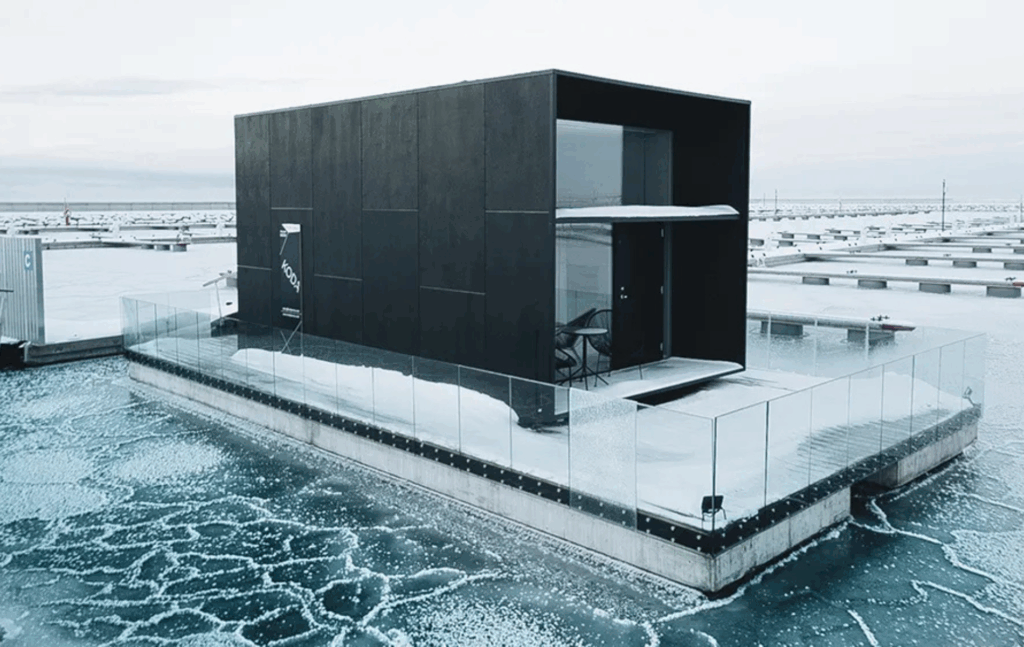
Technology within blackout-ready compounds is designed to operate locally rather than depend on external data centers. Servers, automation systems, and communications remain housed on-site, ensuring continued function regardless of internet outages. Smart systems control energy distribution, security, and environmental conditions without cloud reliance. This approach reduces cyber vulnerability while improving reliability. Owners maintain control over software updates, access protocols, and system integration. In the Security & resilience framework, offline capability defines technological maturity. Rather than pursuing convenience-driven smart homes, billionaires invest in controlled digital environments that perform under stress. This shift represents a broader reevaluation of technology’s role in residential resilience.
Psychological Comfort and Long-Term Habitation
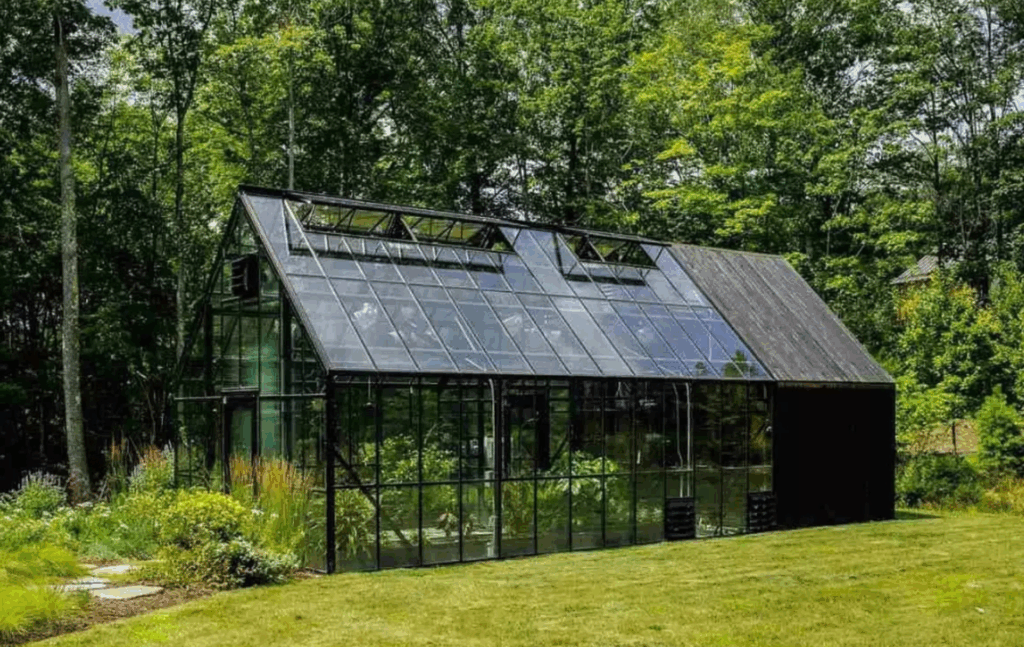
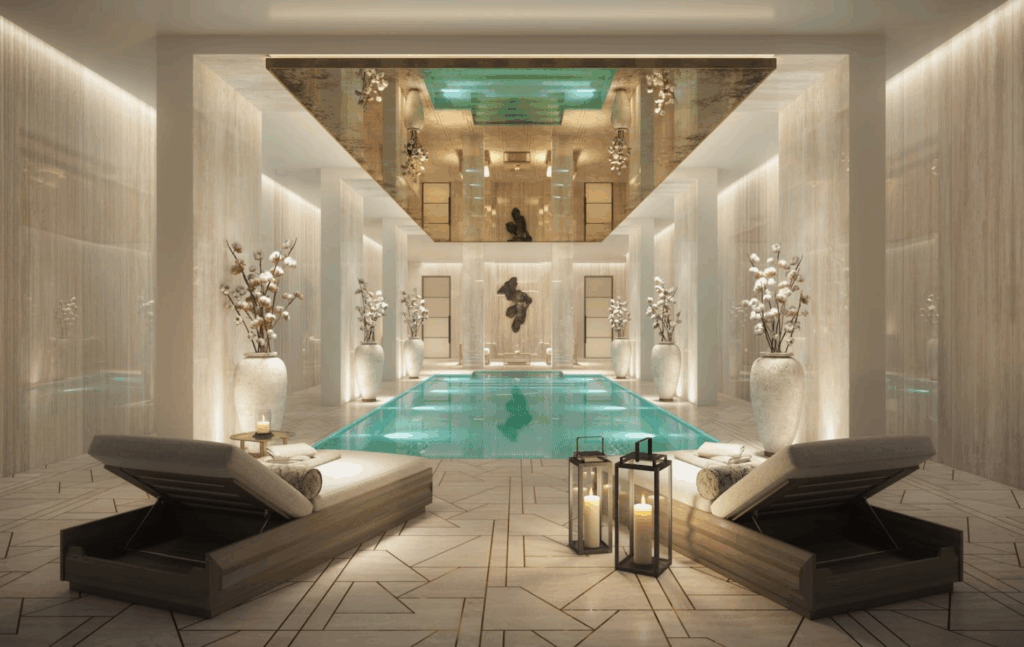
Surviving a blackout involves more than physical systems. Compounds must support mental well-being during isolation. Designers incorporate natural materials, outdoor access, water features, and varied lighting to maintain emotional balance. Spaces encourage routine, productivity, and rest without reminding occupants of external instability. Entertainment, education, and wellness facilities remain integral, ensuring that daily life continues uninterrupted. This emphasis on psychological comfort distinguishes billionaire survival compounds from traditional shelters. The goal involves sustaining quality of life, not merely ensuring survival. In high-end Real Estate, emotional resilience directly influences long-term satisfaction and perceived value.
Investment Logic Behind Blackout-Resilient Compounds
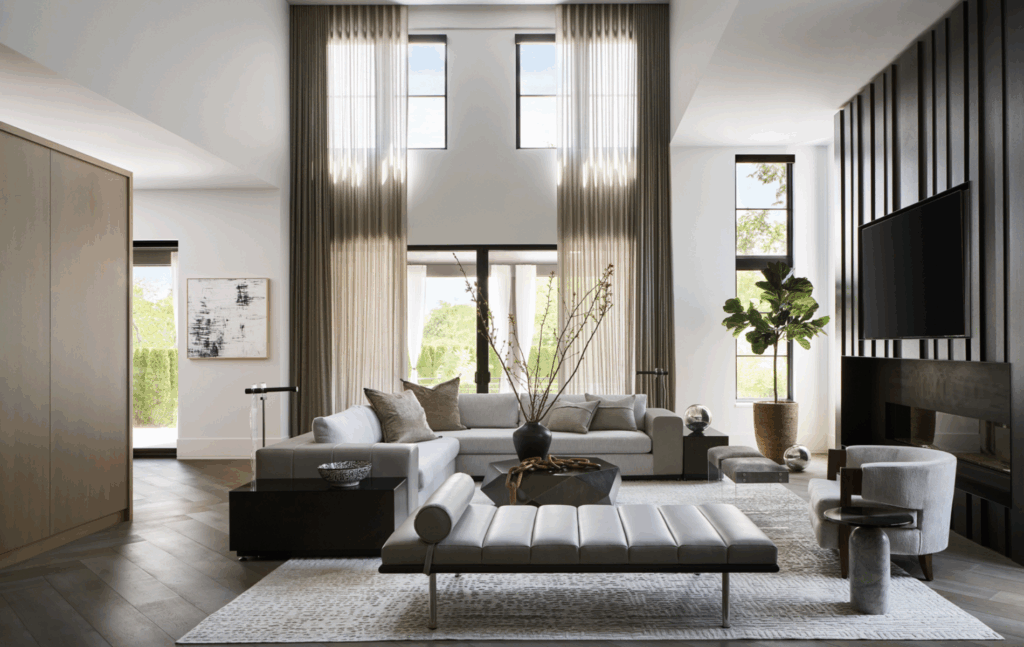
From an investment perspective, blackout-resilient compounds function as defensive assets. They protect lifestyle continuity while insulating owners from infrastructure risk. As energy uncertainty increases, demand for autonomous residences grows among global elites. These properties appeal to a niche but stable buyer segment focused on preservation rather than speculation. Infrastructure resilience enhances long-term valuation by future-proofing the asset. In the Real Estate market, such compounds trade quietly yet confidently because they address fundamental human needs. This investment logic reinforces why resilience now defines premium value.
Power as the Ultimate Form of Security
Billionaire compounds built to survive global blackouts reflect a fundamental shift in luxury real estate priorities. Power independence, operational resilience, and psychological comfort now define the highest tier of residential design. These properties do not prepare for fear-driven scenarios. They prepare for continuity. In an uncertain world, control over energy, resources, and daily life represents the ultimate luxury.