
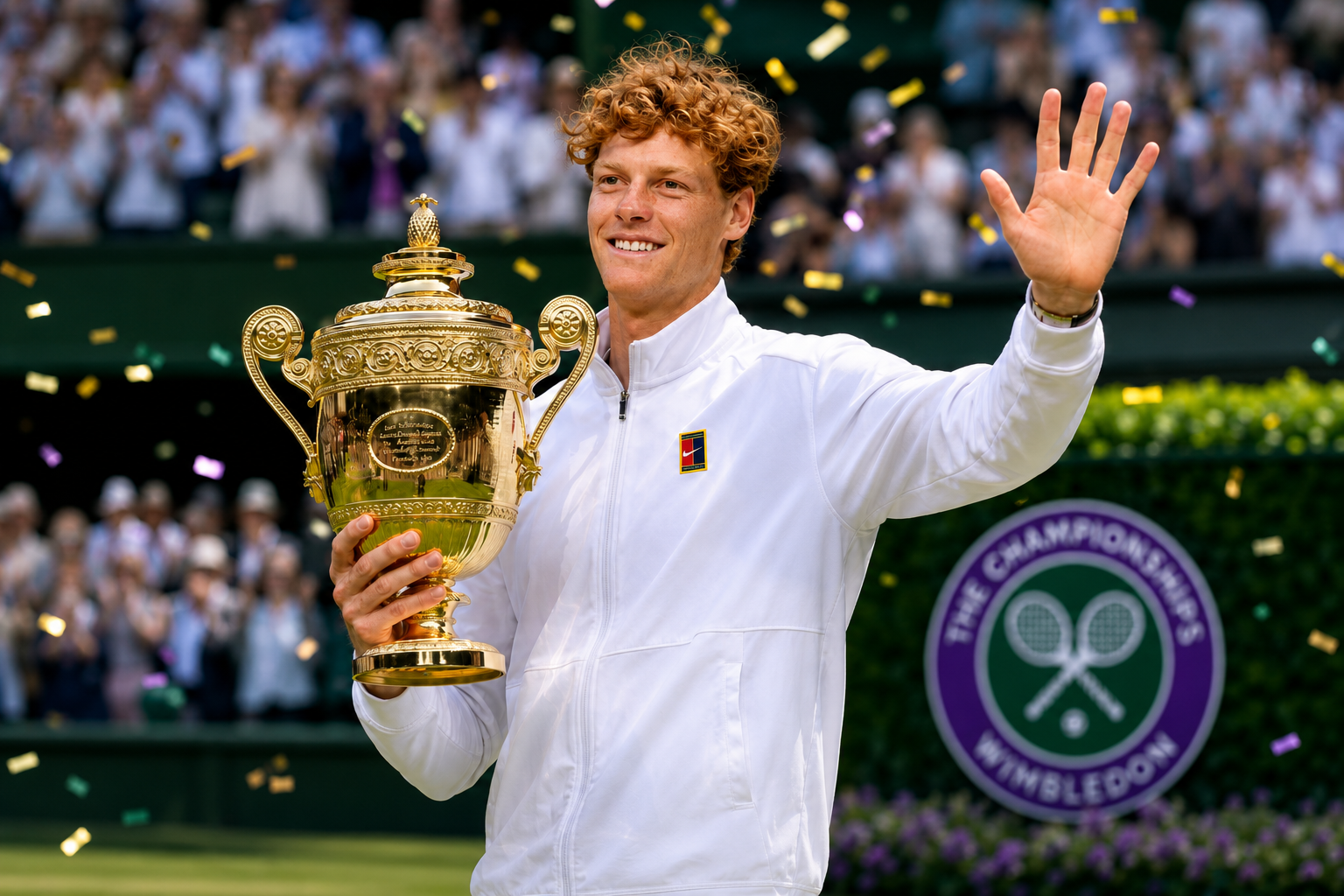
The Quiet Morning Before Tennis Makes Financial History
The first rays of sunlight settle across perfectly trimmed grass while groundskeepers make their final inspection. White lines appear impossibly sharp against the green surface, and Centre Court remains empty for a few more moments before becoming the center of global attention. Tradition still defines every detail, yet the numbers attached to the tournament continue evolving at remarkable speed. The headline Wimbledon announces a record breaking prize pool of $85.7 million represents more than increased player earnings. It reflects the growing financial influence of premium sporting events, luxury partnerships, global broadcasting, and elite athletic performance. Behind every championship point exists an economic ecosystem where heritage, exclusivity, and worldwide demand combine to create one of the most valuable tournaments in professional sport.
Why Wimbledon Remains the Ultimate Luxury Sporting Event
Few competitions blend tradition and prestige with the same confidence as Wimbledon. The all-white dress code, royal attendance, manicured lawns, and carefully preserved rituals create an atmosphere that feels closer to a private members’ club than a global sporting event. Luxury brands, executives, collectors, and international investors continue treating the Championships as an annual social calendar highlight, reinforcing its position far beyond the boundaries of tennis itself.
The Record Prize Pool and What It Represents
The announcement that Wimbledon announces a record breaking financial package signals the continued commercial strength of elite tennis. Prize money reflects expanding media rights, premium sponsorship agreements, hospitality demand, and international audience growth. The numbers attract headlines, yet they also demonstrate how carefully managed prestige can generate extraordinary economic value while maintaining an identity rooted in history rather than spectacle.
How Elite Tennis Became a Billion-Dollar Business
Modern tennis extends beyond competition into luxury travel, global broadcasting, exclusive hospitality, premium fashion partnerships, private sponsorship agreements, and international brand positioning. Every tournament functions as both sporting contest and business platform where players, corporate partners, broadcasters, and luxury clients participate in a highly sophisticated commercial ecosystem that continues expanding every season.
How Wimbledon Generates Extraordinary Revenue
The financial strength behind Wimbledon announces a record breaking prize pool comes from multiple carefully balanced revenue streams rather than ticket sales alone. Premium hospitality packages provide exclusive experiences for global executives and collectors while broadcasting agreements deliver international reach across hundreds of markets. Sponsorship partnerships remain highly selective, preserving brand prestige instead of maximizing quantity. Merchandise, licensing, digital engagement, and long-term strategic planning create a business model where exclusivity supports sustained growth, allowing prize money to increase while maintaining the tournament’s unmistakable identity.
The Financial Impact on Players Beyond the Trophy
Championship success creates opportunities extending well beyond prize money. Luxury endorsements, fashion collaborations, exhibition appearances, investment partnerships, and long-term personal branding often multiply career earnings. Wimbledon therefore functions as both a sporting milestone and a global business platform where exceptional performance can reshape financial trajectories for established champions and emerging stars alike.
Luxury Brands and the Centre Court Connection
Few sporting stages offer the same combination of elegance and international visibility. Watchmakers, automotive manufacturers, financial institutions, hospitality groups, and fashion houses align themselves with Wimbledon because the tournament projects discipline, heritage, and timeless sophistication. These partnerships strengthen brand perception while reinforcing the exclusive atmosphere that distinguishes the Championships from other major sporting events.
Why Record Prize Money Matters for Tennis
Growing prize pools increase the sport’s ability to attract talent, support professional careers, and reward years of technical development. Financial progress also reflects confidence from sponsors, broadcasters, and international audiences who continue investing in elite tennis as premium entertainment. The tournament benefits players while strengthening its own position as the pinnacle of the professional calendar.
The Spectator Experience Has Become a Luxury Product
Attending Wimbledon involves far more than watching tennis. Exclusive lounges, fine dining, private suites, curated hospitality experiences, and carefully managed guest services transform the event into a destination for global business leaders, celebrities, collectors, and high-net-worth travelers. The experience itself becomes part of the tournament’s enduring appeal, blending athletic excellence with understated luxury.
Wimbledon and the Business of Prestige
Unlike events that pursue constant reinvention, Wimbledon protects its traditions while selectively embracing commercial evolution. The balance creates remarkable long-term value because scarcity, consistency, and reputation become assets that appreciate over time. Every carefully preserved ritual strengthens a brand that remains instantly recognizable across generations and international markets.
What This Means for Future Grand Slams
Record financial announcements encourage broader conversations about player compensation, sponsorship strategies, media innovation, luxury hospitality, and tournament economics. Competition between major championships may continue raising commercial standards while encouraging new investments into technology, fan experiences, and global expansion without sacrificing the heritage that makes tennis distinctive.
The Lasting Value of Tradition
Money attracts headlines, yet tradition sustains prestige. Players still walk the same pathways, spectators still respect the same customs, and Centre Court continues rewarding precision over spectacle. Financial growth strengthens the tournament, but heritage remains its greatest competitive advantage. That balance explains why Wimbledon continues commanding extraordinary influence inside both sport and luxury culture.
Grass, Gold, and Global Influence
The announcement that Wimbledon announces a record breaking $85.7 million prize pool captures a remarkable financial milestone, yet the larger story reaches far beyond prize money. It illustrates how disciplined stewardship, selective partnerships, and uncompromising standards create enduring value across generations. Champions will lift trophies, records will eventually fall, and future prize pools may climb even higher. The image most collectors, executives, and tennis enthusiasts will remember remains wonderfully simple: immaculate grass, quiet anticipation, and a tradition that continues increasing in value without ever losing its identity.
FAQ
Why is Wimbledon increasing its prize pool?
Growing international broadcasting rights, premium sponsorships, hospitality revenue, and global demand have strengthened the tournament’s financial position.
How does Wimbledon compare with other Grand Slam tournaments?
Wimbledon remains one of the most prestigious and commercially valuable sporting events, combining tradition with expanding global business opportunities.
Do players earn money beyond prize winnings?
Yes. Sponsorships, luxury partnerships, exhibition events, endorsements, and personal branding often generate significant additional income.
Why is Wimbledon considered a luxury sporting event?
Its heritage, exclusivity, royal connections, premium hospitality experiences, selective partnerships, and timeless presentation create a uniquely sophisticated atmosphere.
What makes Wimbledon financially unique?
The tournament balances tradition with carefully managed commercial growth, allowing prestige, exclusivity, and global demand to reinforce one another over time.