Before Every Moment Needed a Screen
The front door closed behind us after breakfast, and the only instruction was simple: be home before sunset. Hours disappeared between bicycle rides, bookstores, neighborhood cafés, handwritten notes, and conversations that never competed with notifications. Family photographs existed in albums instead of cloud storage, luxury meant time rather than speed, and silence rarely felt uncomfortable. Looking back, those ordinary details now feel remarkably exclusive because they belonged to a version of life that arrived without algorithms or permanent connectivity. The idea that we may have been The Last Generation To Experience Life Like This carries emotional weight not because the past was perfect, but because it offered rhythms that have quietly become rare. Memory turns familiar moments into valuable experiences, and the smallest rituals often become the ones remembered longest.
Growing Up Before Constant Connectivity
There was a quiet confidence in leaving the house without GPS, streaming playlists, or instant messaging. Directions came from memory, recommendations arrived through conversation, and discovering a hidden restaurant or bookstore felt personal rather than optimized by technology. That slower pace created a different relationship with cities, friendships, and travel while allowing curiosity to shape experience naturally. Bold analog childhood, slow living, and timeless lifestyle become defining themes throughout the feature.
When Luxury Was Measured in Time
Luxury once appeared through long dinners, weekend drives, handwritten letters, independent bookstores, and afternoons without schedules. Experiences unfolded without constant documentation, making presence more valuable than performance. The richest moments often involved uninterrupted attention rather than extraordinary expense, demonstrating that exclusivity can exist within ordinary routines when time remains protected.
The Soundtrack of an Unfiltered Life
Music arrived through carefully selected records, radio stations, and recommendations shared between friends. Waiting for a favorite song created anticipation impossible to replicate through unlimited streaming. Physical collections reflected identity while imperfections added character, reminding us that ownership once carried stories instead of unlimited access and endless scrolling.
Why Those Memories Feel Different
Nostalgia is strengthened by the way attention shapes memory. Experiences without continuous digital interruption become more immersive because the mind records details instead of dividing focus across multiple screens. Waiting, observing, reading, and face-to-face conversation naturally deepen emotional engagement, creating memories with greater texture and permanence. Designers of luxury hotels, private clubs, and wellness retreats increasingly understand this principle by intentionally reducing distractions through architecture, lighting, natural materials, and carefully curated environments. The result demonstrates that slower experiences often feel richer because presence itself becomes part of the design rather than an accidental outcome.
Neighborhoods That Functioned Like Communities
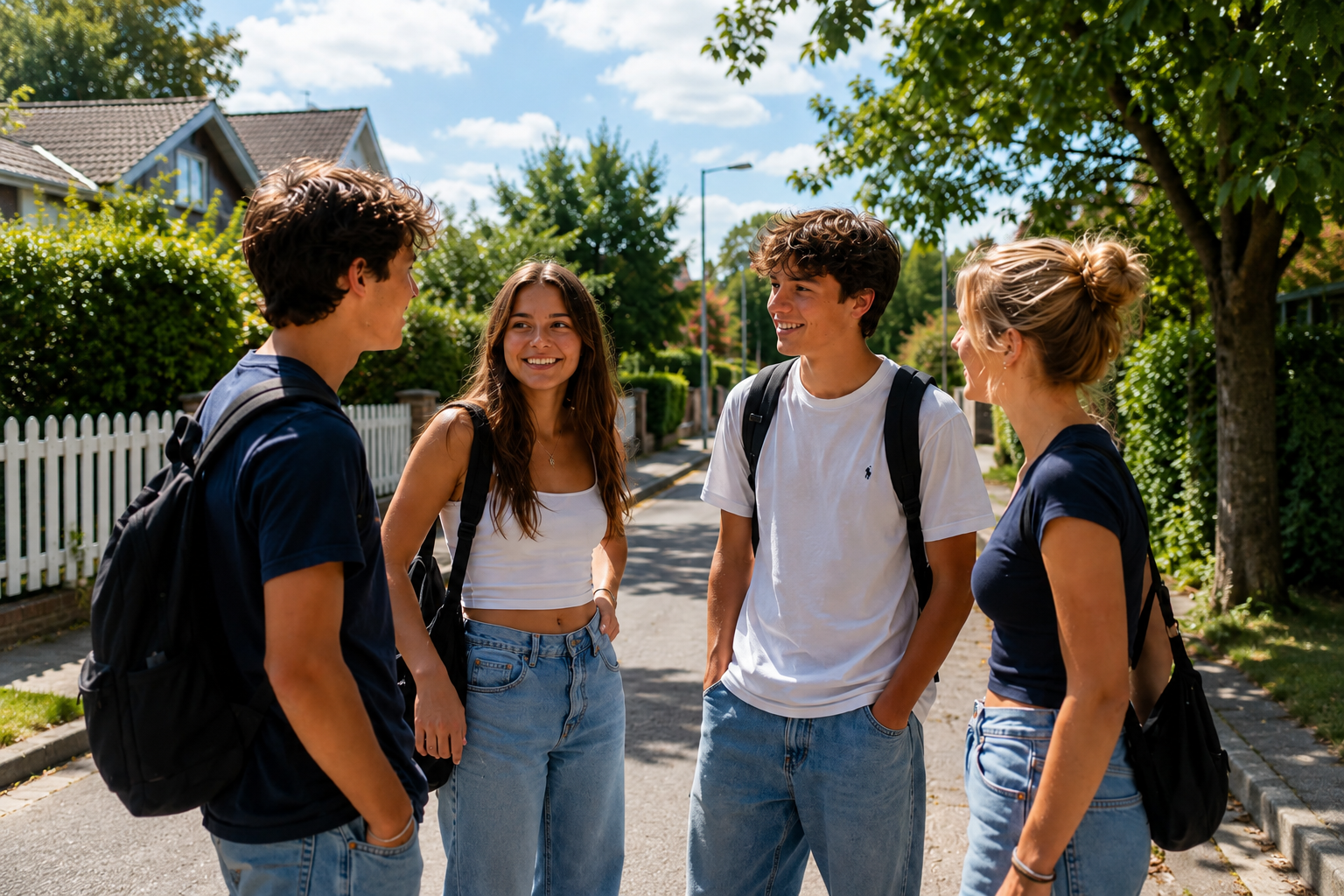
Children knew every shortcut, every local shop owner, and every front porch where conversations stretched into evening. Streets felt like shared spaces rather than transit routes, allowing relationships to develop through repetition instead of digital interaction. Familiarity created belonging, giving neighborhoods a personality that extended far beyond architecture.
Travel Before Every Destination Became Content
Luxury travel once encouraged observation instead of documentation. Travelers lingered in cafés, wandered unfamiliar streets without itineraries, and collected experiences that existed primarily as stories rather than social posts. Discovering hidden places felt rewarding because information arrived gradually, making exploration itself part of the destination rather than simply a route toward photographs.
The Lost Art of Waiting
Waiting for letters, magazine subscriptions, film development, restaurant reservations, or long-distance phone calls introduced patience into everyday life. Anticipation became an experience rather than an inconvenience, adding emotional value to ordinary moments. Instant access has increased efficiency while quietly reducing opportunities for expectation and imagination.
Why Modern Luxury Is Rediscovering Simplicity
Many of today’s finest hotels, residences, and private clubs intentionally recreate slower environments through reading rooms, quiet gardens, analog libraries, vinyl collections, and technology-free spaces. These choices acknowledge that exclusivity increasingly comes from protecting attention rather than displaying excess, reflecting a growing appreciation for experiences that encourage presence over constant stimulation.
The Objects That Carried Meaning
Mechanical watches, hardcover books, fountain pens, cameras, family furniture, and handwritten journals gained character through use rather than software updates. Their imperfections became signatures of ownership, allowing ordinary objects to evolve into personal archives that connected generations through tangible memory instead of digital storage.
Why Nostalgia Resonates Across Generations
Younger audiences increasingly embrace vinyl records, film photography, classic interiors, paper notebooks, and slower travel because authenticity offers relief from endless acceleration. The attraction extends beyond aesthetics into a desire for rituals that encourage concentration, conversation, and permanence within increasingly connected lives.
The Quiet Luxury of Remembering
Perhaps we truly were The Last Generation To Experience Life Like This, or perhaps every generation believes its ordinary moments disappear too quickly. Either way, the appeal remains remarkably consistent. Walking without navigation, reading without interruption, gathering without cameras, and enjoying silence without filling it instantly continue representing a form of luxury that cannot be manufactured or downloaded. Technology will continue reshaping how people live, communicate, and travel, yet the value of uninterrupted presence quietly increases with every passing year. The memories that endure are rarely the loudest ones. They survive because they were fully lived before anyone thought to record them.
FAQ
Why do many people feel they experienced a different childhood?
Growing up with less digital technology often encouraged outdoor activity, face-to-face interaction, and greater independence in everyday life.
Why is analog living becoming popular again?
Many people appreciate slower routines, tangible objects, and uninterrupted experiences that provide balance within highly connected lifestyles.
How does nostalgia influence luxury trends?
Luxury increasingly embraces craftsmanship, permanence, timeless materials, and experiences that encourage mindfulness and authentic human connection.
Why are younger generations attracted to vintage culture?
Vinyl records, film photography, printed books, and classic interiors offer individuality, tactile experiences, and a sense of lasting value.
What is the biggest lesson from slower living?
Protecting attention, valuing relationships, and creating meaningful experiences often leave stronger impressions than constant speed or convenience.