A quiet showroom in Milan opens its doors before noon. A Maserati GranTurismo sits beneath soft lights. The car carries presence. Sculpted lines, deep metallic paint, Italian leather stitched by hand. Yet the room remains still.
Across the continent, a different scene unfolds. At a Porsche Centre in Stuttgart, delivery specialists move briskly between customers signing documents for new vehicles. A Porsche Macan, a Cayenne, two 911 Carreras. Another delivery scheduled before lunch.
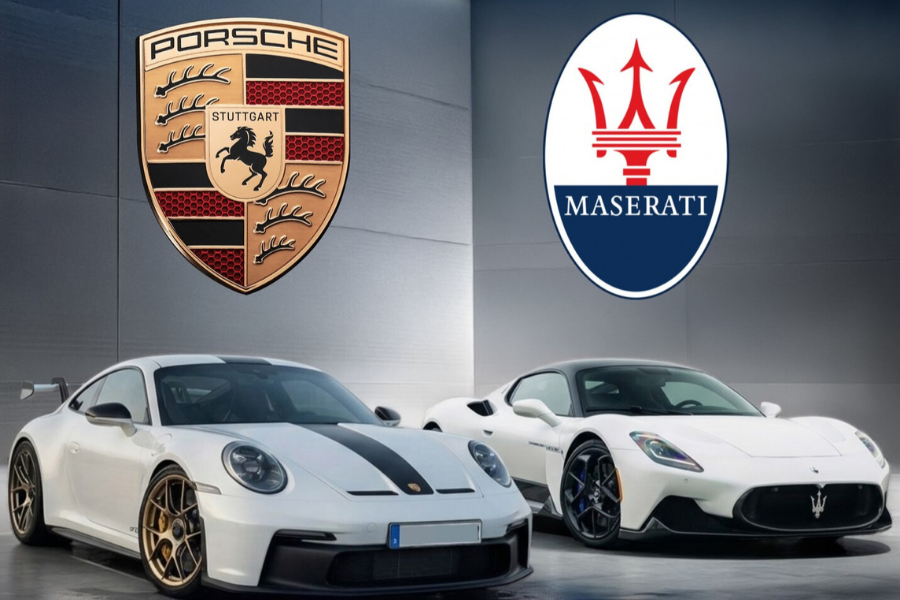
Numbers tell the same story with blunt clarity. In early 2026, Porsche sold more cars in just eleven days than Maserati delivered during the entire year. The comparison highlights a widening gap between two historic European performance brands.
The conversation around Porsche vs Maserati Sales extends beyond headline figures. It reflects contrasting strategies, product portfolios, and approaches to modern luxury mobility.
For investors, collectors, and automotive observers, the numbers reveal how the premium automotive market continues to shift under the pressure of electrification, brand positioning, and global demand.
The Market Reality Behind Porsche vs Maserati Sales
The comparison between the two brands begins with scale. Porsche operates as a global performance manufacturer with an expansive product range. Maserati functions as a niche luxury brand with lower production volumes.
During the first weeks of 2026, Porsche delivered tens of thousands of vehicles across key markets including North America, Europe, and China. Maserati’s annual deliveries, by contrast, remained significantly lower.
This contrast shapes the narrative around Porsche vs Maserati Sales.
Porsche benefits from a product strategy built around multiple segments. The brand offers sports cars, luxury SUVs, and now fully electric performance vehicles. Models such as the 911, Cayenne, Macan, and Taycan appeal to different buyer profiles while maintaining the brand’s performance identity.
Maserati pursues a narrower approach. Its lineup centers on luxury grand tourers and premium sedans, alongside the Maserati Grecale SUV. The vehicles emphasize Italian craftsmanship and emotional design language.
The difference in sales performance therefore reflects a broader structural gap between the brands.
Porsche built a system capable of delivering high volumes without diluting its identity. Maserati continues to operate within a smaller luxury niche that prioritizes exclusivity over scale.
Another element influences the comparison. Porsche’s SUV strategy changed the trajectory of the brand two decades ago.
When the Porsche Cayenne launched, many enthusiasts questioned whether a sports car manufacturer should produce a luxury SUV. The market response delivered the answer quickly.
SUV models became the backbone of Porsche’s sales growth.
Today the Macan and Cayenne represent a large portion of the brand’s global deliveries. These vehicles attract buyers who want performance credentials combined with daily usability.
Maserati entered the SUV market later with the Levante and later the Grecale. While these models strengthened the brand’s lineup, they arrived after Porsche had already secured a strong foothold in the luxury SUV segment.
Timing plays a quiet yet powerful role in automotive success.
What Porsche vs Maserati Sales Reveals About the Luxury Car Market
The widening gap between the brands reflects deeper changes inside the luxury automotive industry.
Consumers increasingly look for vehicles that blend performance with versatility. Sports cars still hold emotional appeal, yet many buyers now prefer luxury SUVs capable of daily commuting, long-distance travel, and family practicality.
Porsche understood this shift early.
The company invested heavily in SUV development, electric performance technology, and global manufacturing efficiency. That strategy allowed Porsche to expand its customer base without abandoning its performance heritage.
The Porsche Taycan, for example, introduced a fully electric performance platform that aligns with the brand’s engineering culture.
Maserati approaches electrification through a different path. The brand has begun introducing electric models under its Folgore program, which represents the company’s move toward fully electric performance vehicles.
However, electrification programs require time to reshape brand perception and product availability.
The comparison in Porsche vs Maserati Sales therefore captures a moment of transition within the luxury automotive sector.
One brand operates with established global scale. The other continues to refine its strategy within a competitive landscape dominated by larger luxury manufacturers.
Another factor shaping the market involves brand positioning.
Porsche built a reputation for engineering precision and consistent performance. Buyers expect reliability alongside speed. This combination appeals strongly to customers who treat their vehicles as both daily transport and personal indulgence.
Maserati communicates a different identity. The brand emphasizes Italian artistry, dramatic design, and emotional character. These qualities resonate with collectors and enthusiasts who value distinctive presence over production volume.
The result is two brands operating within the same luxury tier yet appealing to slightly different audiences.
Investors examining Porsche vs Maserati Sales often interpret the numbers through a business lens. Larger production scale translates into stronger revenue stability and broader global distribution.
Collectors may view the situation differently. Lower production numbers sometimes increase the allure of rare vehicles that stand apart from mainstream luxury models.
The Future Trajectory for Both Brands
The next decade will reshape the global automotive landscape. Electrification, digital platforms, and shifting consumer expectations will influence how luxury car manufacturers operate.
Porsche continues expanding its electric vehicle portfolio while maintaining iconic models such as the 911. The company’s approach balances heritage with technological innovation.
Maserati pursues a transformation built around electrified performance and design-led exclusivity. New vehicles under the Folgore electric lineup aim to reposition the brand within the evolving premium segment.
The current gap highlighted in Porsche vs Maserati Sales may evolve as these strategies unfold.
Luxury automotive markets rarely remain static. Brands adapt, reposition, and occasionally surprise the industry with unexpected momentum.
Inside the Milan showroom, the GranTurismo remains under soft lighting. Across Europe, Porsche dealerships continue preparing vehicles for delivery.
Numbers shift year by year. Brand identity endures much longer.
FAQs
1. Why did Porsche sell more cars in 11 days than Maserati in 2026?
The difference comes from production scale and product strategy. Porsche operates with a larger lineup that includes high-volume models like the Macan and Cayenne, while Maserati focuses on lower-volume luxury vehicles.
2. How many cars does Porsche sell compared to Maserati?
Porsche delivers hundreds of thousands of vehicles annually across global markets. Maserati operates with significantly smaller production numbers, maintaining a more exclusive luxury positioning.
3. What models drive Porsche’s strong sales performance?
Key contributors include the Porsche Macan, Cayenne, 911, and the Taycan electric sports car, which attract a wide range of buyers within the luxury performance market.
4. Why are Maserati sales lower than Porsche?
Maserati produces fewer vehicles and targets a niche luxury segment focused on design and exclusivity rather than high production volume.
5. Will Maserati close the gap with Porsche in future sales?
Maserati’s Folgore electric vehicle program and new model launches aim to strengthen its position in the premium market, although Porsche’s scale advantage remains significant.