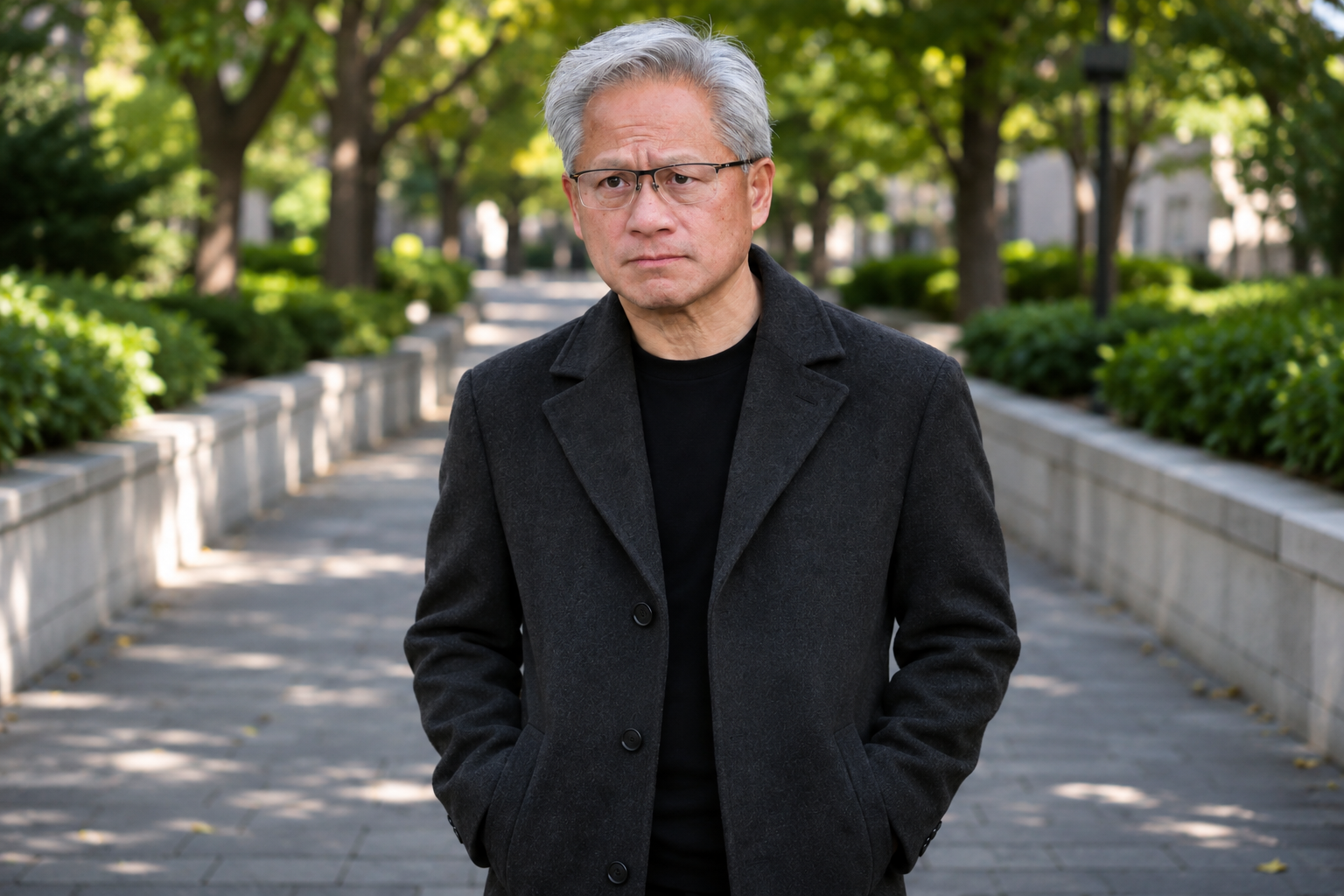

Most meaningful moments do not announce themselves. A slow morning coffee, a laugh with a friend, a parent’s voice on the phone: they feel ordinary until, one day, they become memories. The idea of choosing to never take life for granted is simple, but living it takes intention. Here are ten lessons worth remembering.
1. Time Never Pauses
We often postpone important conversations, personal goals and moments of appreciation because tomorrow seems guaranteed. But time moves on whether we use it well or not. Making space today for what matters, rather than waiting for the “right moment”, is one of the most powerful choices we can make.
2. Relationships Are Life’s Greatest Wealth
Research on happiness repeatedly finds that close relationships are among the strongest predictors of wellbeing, often more than income or status. Money can buy comfort, but it cannot replace the people who know us best. Investing time in family and friendships pays dividends that compound over a lifetime.
3. Health Is Often Appreciated Only After It Changes
Many people only value good health once it is threatened. Simple habits like sleep, movement, nutrition and regular check-ups protect the foundation that makes everything else possible. Gratitude for a healthy body is easier to practise before anything goes wrong.
4. Small Moments Create the Strongest Memories
When people look back on their lives, they rarely remember purchases. They remember shared meals, walks, holidays, jokes and quiet conversations. Paying attention to these small moments, and creating more of them, adds richness to everyday life.
5. Failure Often Teaches More Than Success
Setbacks are painful, but they are also some of our best teachers. Failure reveals what we care about, what we need to change and how resilient we can be. Many successful people credit their hardest moments for shaping who they became.
6. Gratitude Changes Perspective
Gratitude does not change your circumstances, but it changes how you experience them. Psychology research suggests that regularly noting things you are thankful for can improve mood and wellbeing. Writing down three good things each day is a simple place to start.
7. Success Means Different Things at Different Stages
At 20, success might mean independence; at 40, stability; at 70, health and connection. Recognising that goals evolve helps us avoid chasing outdated definitions of success and lets us appreciate what we already have.
8. Kindness Leaves the Longest Legacy
People rarely remember exactly what you said, but they remember how you made them feel. Acts of kindness, often small, ripple outward in ways we cannot always see, and they are frequently what others remember most about us.
9. Change Is One of Life’s Few Constants
Jobs end, people move, children grow up and circumstances shift. Accepting change, rather than resisting it, makes it easier to adapt and to appreciate each chapter while it lasts.
10. Living Fully Requires Presence, Not Perfection
Life will never be perfect. Waiting for everything to be in place before enjoying it means waiting forever. Being present, putting down the phone, listening fully and noticing where you are, turns ordinary days into full ones.
A Reminder That Outlasts Every Headline
In a world obsessed with achievement and wealth, it is easy to overlook what truly matters. Never taking life for granted means treating time, health, relationships and small joys as the real luxuries they are.
FAQ
What does “never take life for granted” mean?
It means consciously appreciating the people, moments and opportunities in your life, rather than assuming they will always be there.
Why is it important to appreciate everyday moments?
Because ordinary moments make up most of our lives, and they often become our most treasured memories.
How can someone practise gratitude daily?
By writing down a few things they are thankful for, expressing appreciation to others and pausing to notice good moments.
Can difficult experiences teach valuable lessons?
Yes. Hardship and failure often build resilience, clarify priorities and encourage growth.
What is the biggest lesson?
That time, health and relationships are life’s most valuable assets, and they deserve attention now, not later.