The Early Morning Queue
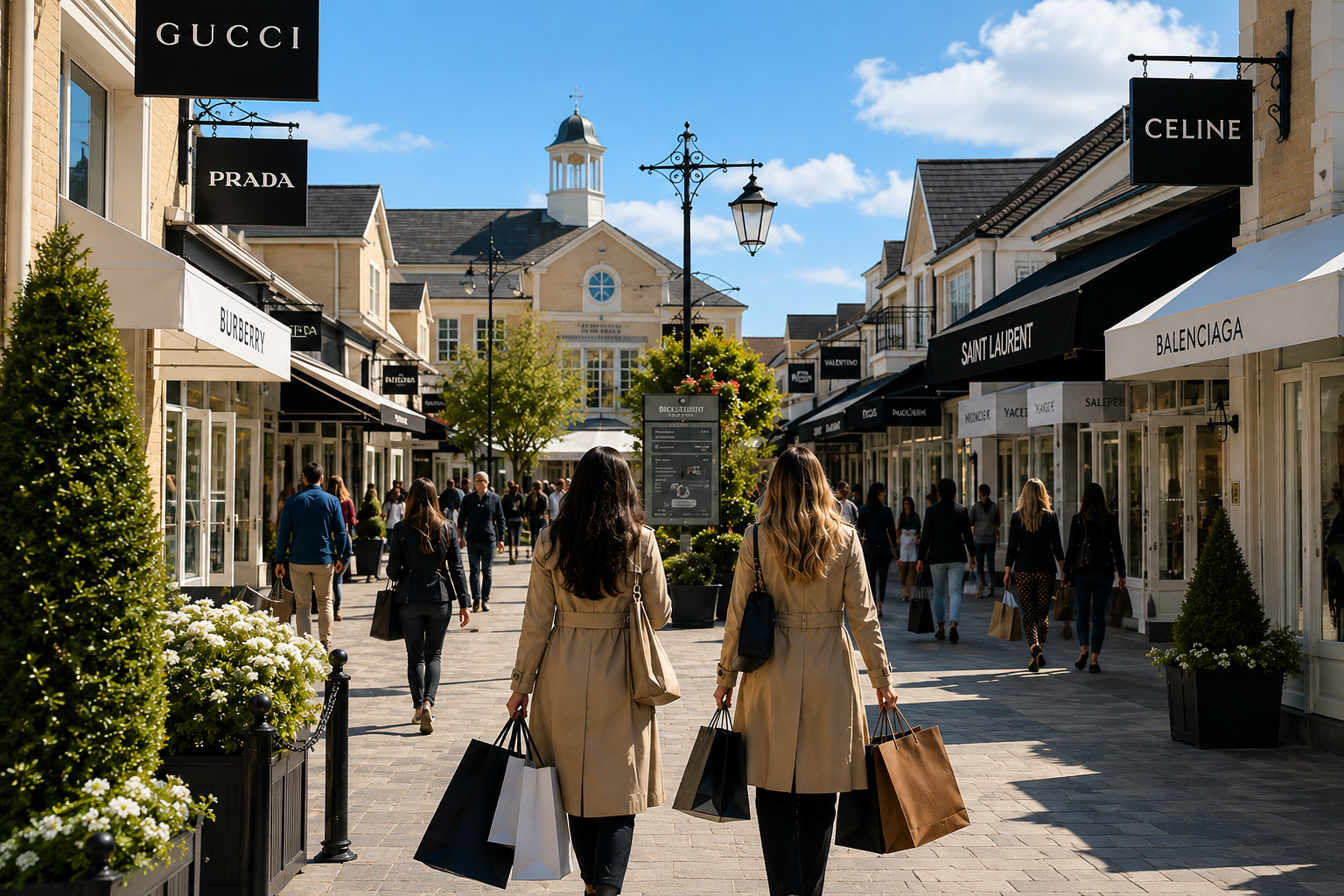
Frost clings to the limestone pavers outside the Gucci boutique. The temperature hovers just above freezing, but the queue stretches forty meters down the pedestrian street. The doors remain locked. Shoppers hold disposable espresso cups, blowing steam into the crisp Oxfordshire air. A private security guard stands at the entrance, holding a radio. The crowd avoids eye contact, checking their phones for stock alerts. At exactly 9:00 AM, the lock disengages. The crowd surges forward, discarding the empty cups on the ground. The hunt for discounted leather goods begins. This is the reality of Luxury Outlet Shopping at the highest level. The scene lacks the serene ambiance of a flagship store. It operates with the urgency of a trading floor. The early arrival secures access to the limited sizes and the specific colorways that rarely survive past the first hour of business. The staff brace themselves behind the glass counters, preparing for the rapid depletion of the inventory.
The Psychology of the Mark-Down
The pursuit of a 40 percent discount on a ready-to-wear garment represents a specific psychological victory for the ultra-wealthy. The acquisition of wealth often correlates with an intense focus on value extraction. Paying full retail price feels like a failure of negotiation, even for individuals with unlimited liquidity. The outlet provides a sanctioned arena for this competitive instinct. The buyer secures a tangible, luxury asset at a reduced price, validating their financial acumen. The transaction delivers a dual reward. The buyer receives the status symbol of the brand, and they receive the intellectual satisfaction of beating the system. The outlet environment strips away the champagne and the caviar of the boutique experience, replacing it with the raw mechanics of supply and demand. The elite shopper treats the outlet visit as a strategic operation, planning the attack around seasonal delivery schedules and end-of-season liquidation events. The bragging rights associated with a deeply discounted purchase often outweigh the prestige of paying full price.
The Cut-Tag Inventory Mechanism
The stock arriving at these locations follows a specific, highly controlled logistical path. Items unsold at full-price retail locations are consolidated at central warehouses. The brand managers then make a determination. Garments destined for the outlet receive a physical alteration. A store manager takes a box cutter and removes a small, angled section of the interior fabric label. This cut-tag process is the defining characteristic of true outlet inventory. It prevents a buyer from purchasing a discounted item and attempting to return it to a full-price boutique for a full refund. The cut physically destroys the ability to process a standard retail return. The missing triangle of fabric acts as a permanent marker of the item’s secondary-market status. The brands maintain strict audits of these tags, ensuring no uncut garments accidentally slip into the outlet supply chain. The presence of the cut tag is the first thing a seasoned outlet shopper checks before approaching the cash register.
Bicester Village Oxfordshire England Typical Discounts 30%-60%
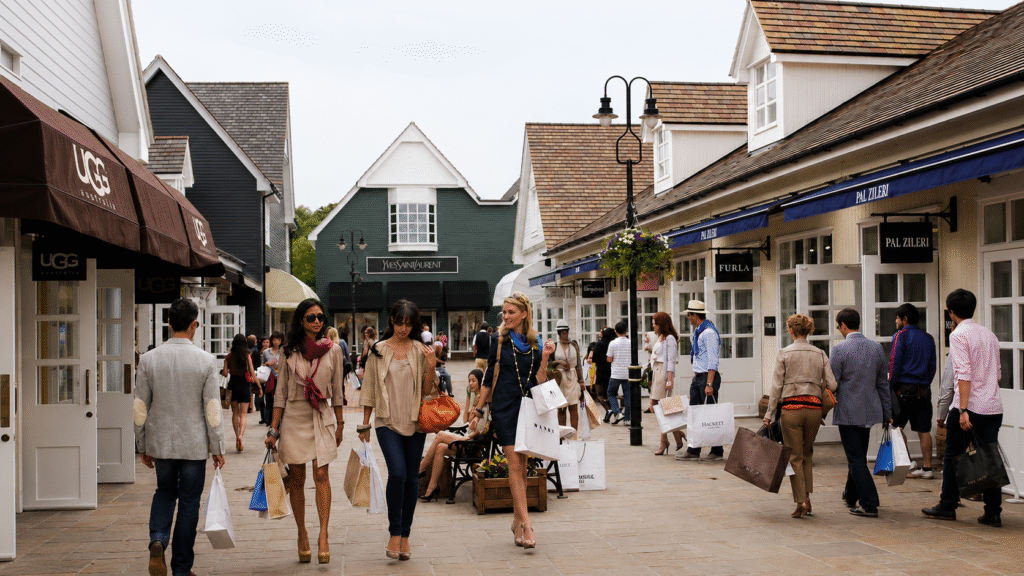
The architecture of Bicester Village mimics a idealized English country town, complete with facades of local stone and manicured hedgerows. The illusion of a quaint village belies the massive commercial infrastructure operating behind the scenes. The typical discounts hover in the 30 to 60 percent range, drawing a crowd that flies in specifically from the Middle East and Asia. The VIP lounge offers private shopping suites where assistants bring pre-pulled racks of discounted Balenciaga and Prada directly to the client. The parking lot fills with chauffeured Range Rovers and Mercedes Sprinter vans acting as mobile dressing rooms for traveling entourages. The staff at Bicester receive specialized training to handle the volume and the intensity of the crowds. The transaction speed at the registers rivals a high-frequency trading desk. Buyers communicate via earpieces, coordinating purchases across multiple boutiques simultaneously to secure specific sizes before the stock disappears. The Bicester Village ecosystem functions as a separate, highly profitable retail channel entirely distinct from the London flagships.
La Vallée Village Paris France Typical Discounts 30%-70%
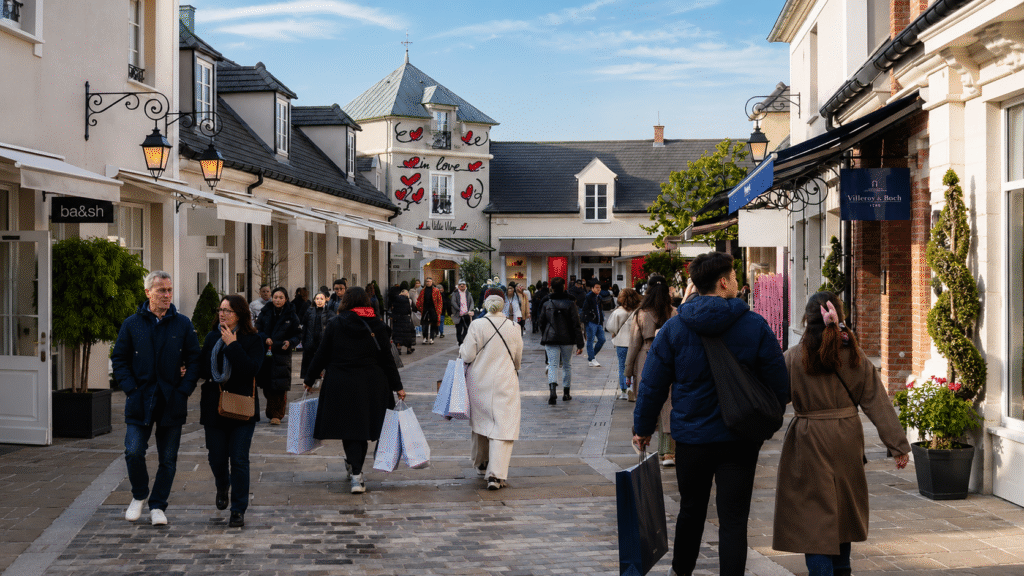
A forty-minute train ride from the center of Paris deposits the shopper directly at the entrance of La Vallée Village. The proximity to the capital makes this destination a day-trip staple for fashion editors and wealthy tourists alike. The discounts here push slightly higher, frequently hitting the 70 percent mark on previous season’s haute couture and heavy winter coats. The open-air mall layout features pedestrian pathways lined with flowering cherry trees. The Chanel boutique consistently generates the longest queues, with shoppers waiting hours for access to discounted quilted handbags. The pricing strategy takes advantage of the international visitor. A Chinese or American buyer calculates the 70 percent outlet discount, then applies the VAT refund process at the airport, effectively reducing the original retail price to a fraction of its value. The La Vallée Village management employs a multilingual staff capable of processing these complex international transactions without breaking the rhythm of the sales floor.
Woodbury Common Premium Outlets New York USA Typical Discounts 30%-70%
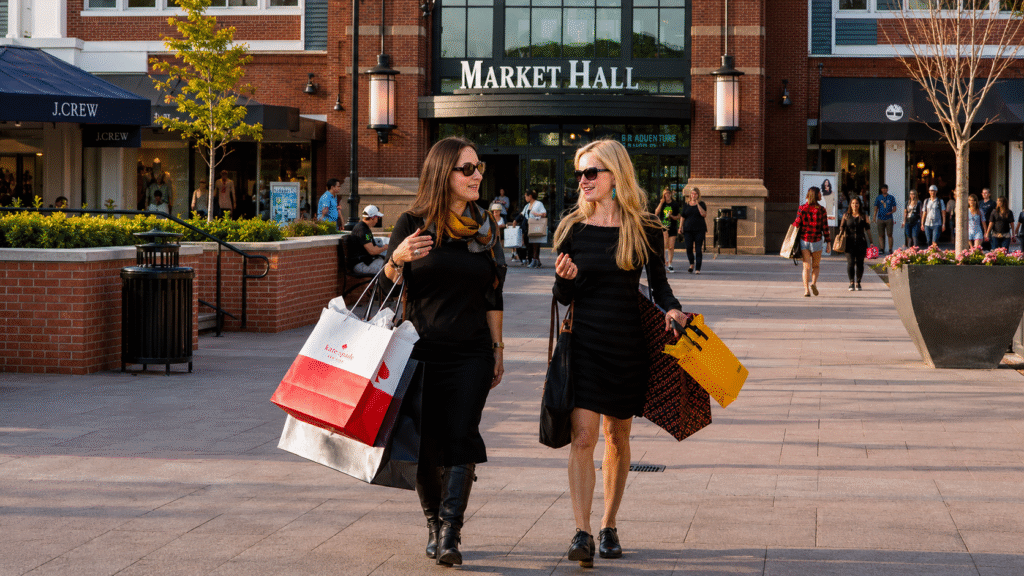
The sheer scale of Woodbury Common sets it apart from the European villages. The sprawling complex contains over 250 stores arranged in a massive, winding maze of strip malls. The typical discounts range from 30 to 70 percent, heavily favoring American sportswear and accessible luxury brands alongside the European fashion houses. Coach buses arrive from Manhattan every thirty minutes, depositing thousands of shoppers into the central courtyard. The Nike and Adidas outlets move massive volume, with shoppers filling garbage bags with discounted sneakers. The European boutiques like Dolce & Gabbana and Versace occupy a quieter, premium section of the complex. The tax-free shopping benefit for international visitors adds another layer of savings on top of the already reduced prices. The food court provides a necessary respite from the chaotic aisles. The Woodbury Common experience is purely transactional, stripped of any architectural pretense, focusing entirely on the volume of discounted inventory moving through the registers.
Desert Hills Premium Outlets California USA Typical Discounts 30%-70%
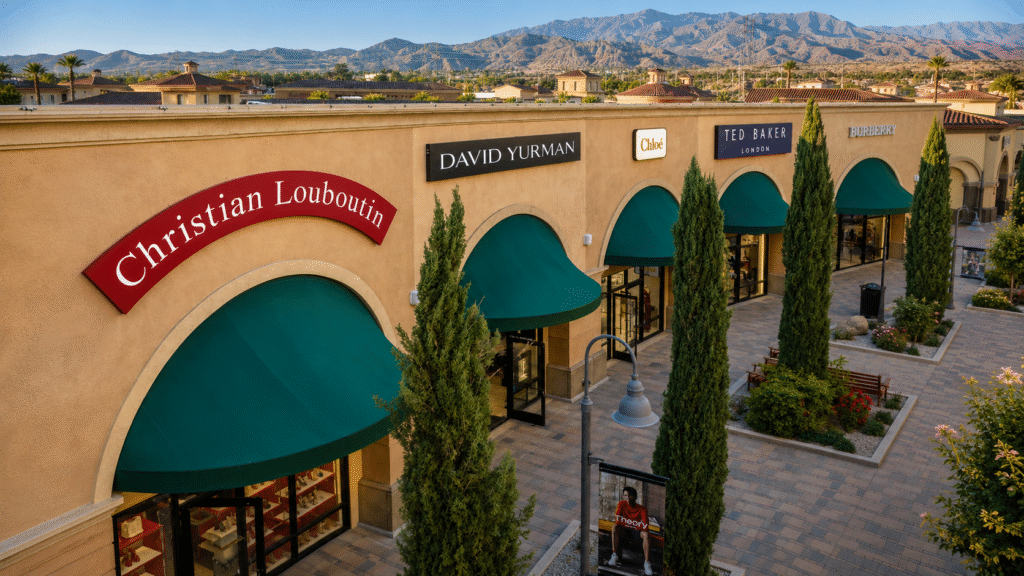
The desert heat reflects off the stucco facades of Desert Hills, creating a shimmering mirage effect above the parking lot. Located near Palm Springs, the outlet caters to the Los Angeles entertainment elite and the wealthy retirees of the Coachella Valley. The discounts hit the standard 30 to 70 percent range, with heavy concentrations of denim, leather goods, and resort wear. The wide, open walkways offer a stark contrast to the dense layout of Woodbury Common. Shoppers navigate the outdoor mall in sunglasses, moving from air-conditioned boutique to air-conditioned boutique to escape the 110-degree heat. The Saks Fifth Avenue Off 5th anchor store provides a massive floor of discounted designer garments, requiring hours of rifling through circular racks. The celebrity presence is a constant variable at Desert Hills. A shopper standing in line at the Gucci outlet might easily find themselves standing next to a recognizable film actor hunting for the same discounted loafers. The Desert Hills location turns the act of buying discounted luxury into a casual, desert lifestyle activity.
Serravalle Designer Outlet Milan Italy Typical Discounts 30%-70%
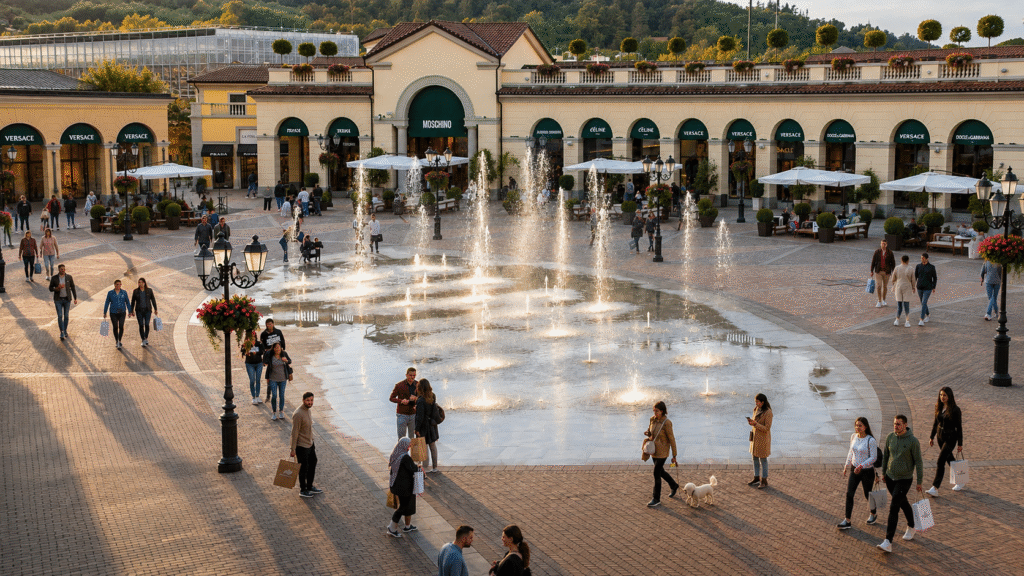
Serravalle holds the title of the largest designer outlet in Europe. The scale of the complex requires a strategic approach. The typical 30 to 70 percent discounts apply to a massive inventory of Italian fashion houses, from Armani to Bottega Veneta. The architecture attempts to replicate a Lombardian village, complete with a central piazza and covered porticoes shielding shoppers from the rain or the intense summer sun. The sheer volume of stores means a full day of walking is mandatory to cover the grounds. The food offerings lean heavily toward authentic Italian espresso bars and gelaterias, providing the necessary fuel for the marathon shopping session. The stock at Serravalle tends to be heavier on menswear and leather accessories than the Parisian outlets. The Serravalle Designer Outlet acts as a massive pressure release valve for the Italian fashion industry, absorbing the overflow of unsold inventory from the Milanese boutiques and routing it directly to the discount channel.
The Mall Firenze Florence Italy Typical Discounts 30%-70%
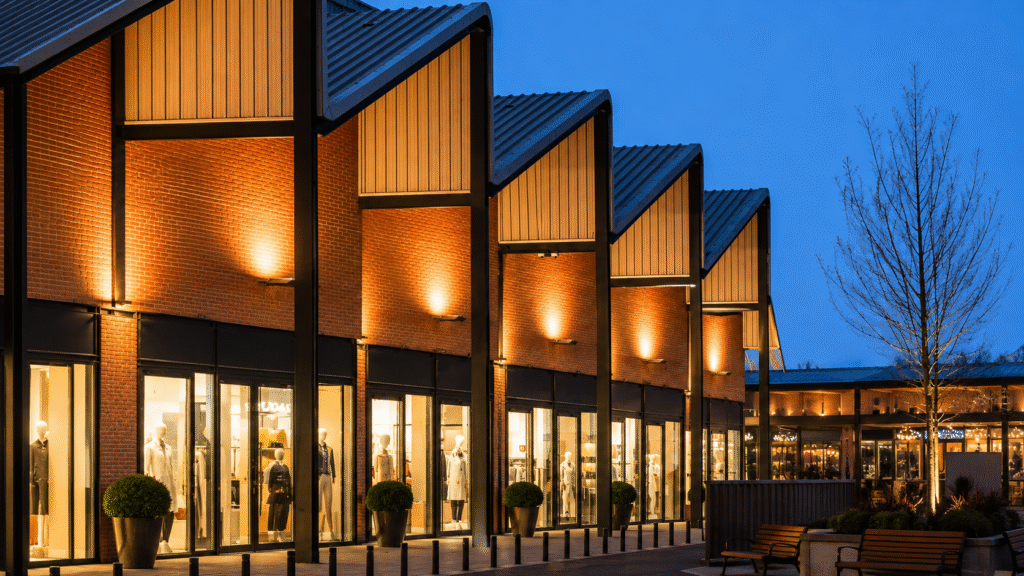
The Mall Firenze sits nestled in the Tuscan hills, offering a starkly different atmosphere from the massive Serravalle complex. The open-air mall features a strict curation of ultra-luxury brands, skipping the accessible luxury tiers entirely. Gucci, Prada, and Valentino dominate the small, intimate courtyard. The discounts here sit firmly in the 30 to 70 percent range, but the starting retail prices are significantly higher, yielding some of the deepest absolute savings in the European outlet network. The tree-lined avenues and the distant views of the Tuscan landscape create a serene backdrop for high-stakes shopping. The VIP services here are exceptionally discreet. A personal shopper will meet a client at a rented Ferrari in the parking lot, guide them through the boutiques, and handle the packing and shipping of the purchased goods directly to the client’s yacht or private jet. The The Mall Firenze experience prioritizes exclusivity and aesthetic beauty over sheer retail volume.
La Roca Village Barcelona Spain Typical Discounts 30%-70%
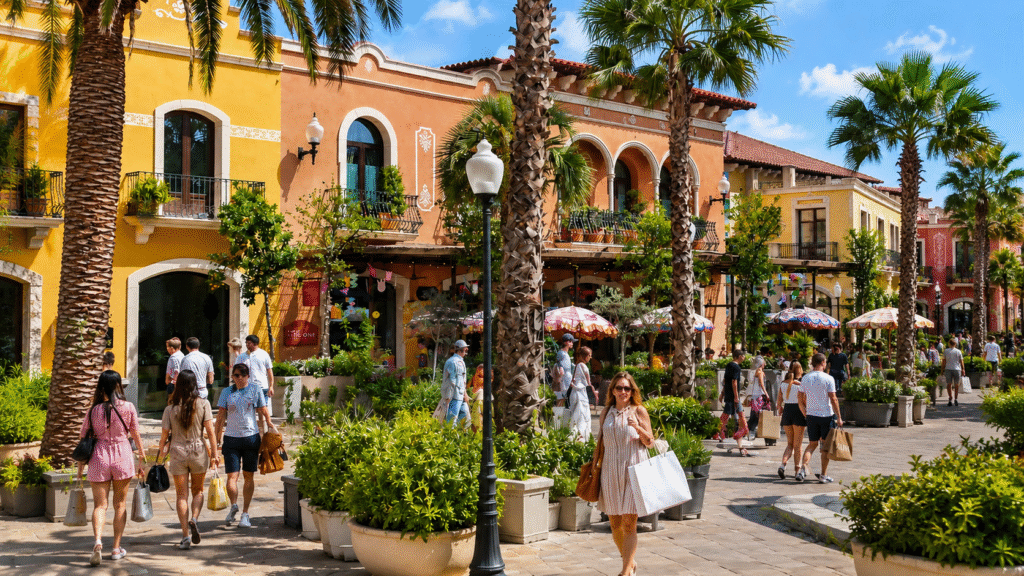
The architecture of La Roca Village draws heavily from Catalan modernism, featuring curved stonework, terracotta roofs, and wrought-iron details. The village sits a short drive from Barcelona, attracting a mix of local elites and international tourists. The typical discounts range from 30 to 70 percent, with a strong emphasis on Spanish brands like Loewe, Balenciaga, and Mango’s premium lines alongside the international fashion houses. The pace of shopping here feels slightly slower than the Italian outlets. Shoppers linger at the outdoor cafes, integrating the outlet visit into a broader leisurely day trip. The landscaped gardens surrounding the boutiques are immaculately maintained, reinforcing the premium atmosphere. The La Roca Village management hosts private events in the central plaza, offering champagne and tapas to high-net-worth clients to encourage spending during the seasonal transitions. The integration of local culture into the retail environment softens the aggressive discount-hunting mentality.
Gotemba Premium Outlets Japan Typical Discounts 20%-70%
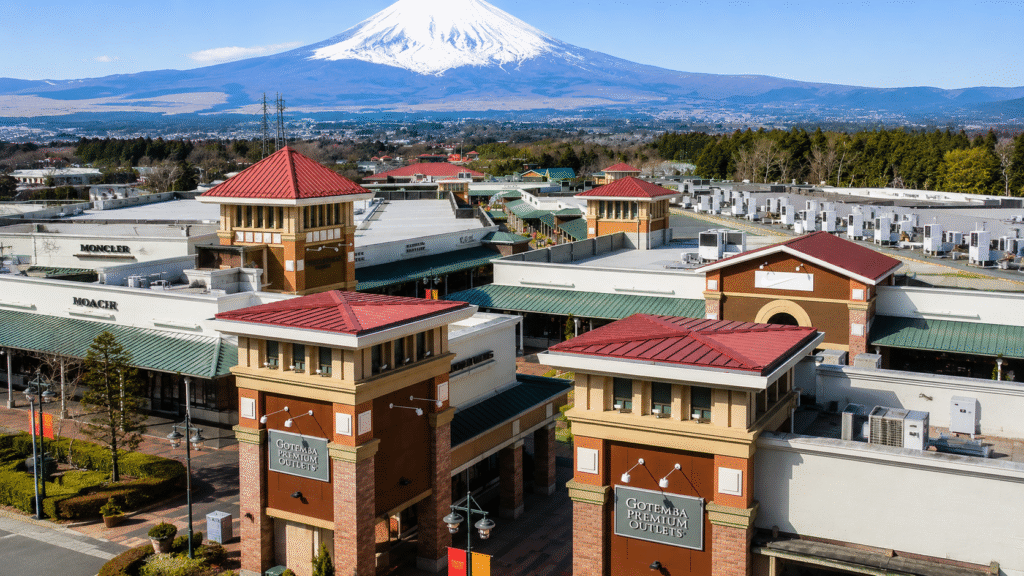
The majestic presence of Mount Fuji dominates the skyline above the Gotemba Premium Outlets. The massive complex features a winding, hillside layout that requires significant physical exertion to navigate completely. The discounts here start slightly lower, ranging from 20 to 70 percent, reflecting the strict pricing strategies of the Japanese luxury market. The Japanese consumer demands pristine condition, meaning the outlet stock often consists of perfect, unsold seasonal items rather than heavily picked-over floor stock. The sizing presents a specific challenge for Western shoppers. The Japanese size runs skew significantly smaller, making larger sizes incredibly scarce and highly sought after. The food village at the base of the hill offers an extensive selection of regional specialties, turning the shopping trip into a culinary tour. The Gotemba Premium Outlets blend the aggressive discount model with the meticulous presentation and service standards expected in the Japanese retail sector.
Yeoju Premium Outlets South Korea Typical Discounts 30%-60%
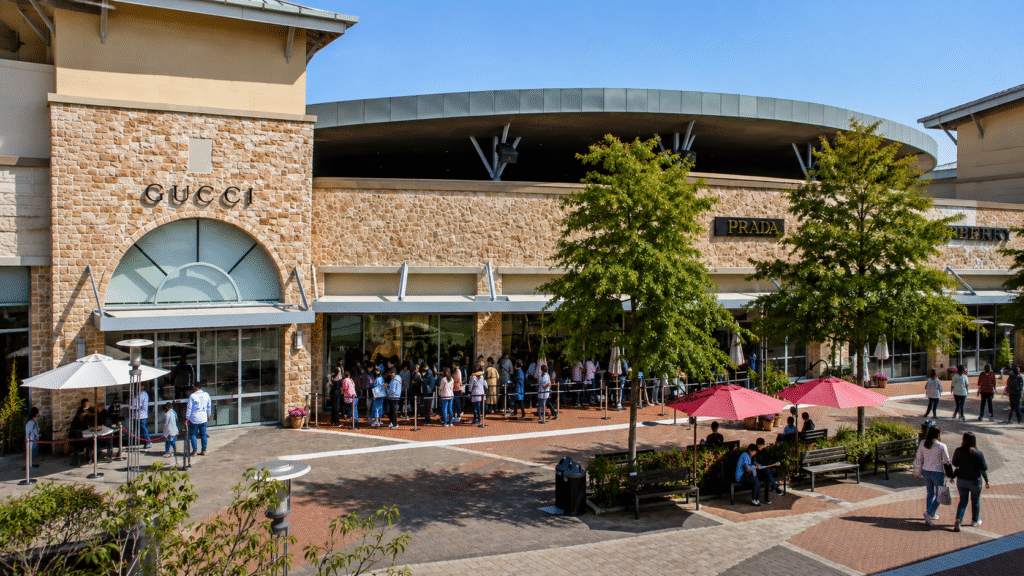
The Yeoju Premium Outlets cater directly to the hyper-trend-conscious Korean consumer. The typical discounts range from 30 to 60 percent, focusing heavily on contemporary luxury brands like Celine, Saint Laurent, and Bottega Veneta. The physical layout is sprawling and modern, designed to accommodate massive crowds during national holidays. The presence of K-pop idols and celebrity stylists clearing the racks creates a localized frenzy that drives massive volume. Korean shoppers approach the outlet with a specific, visual strategy, hunting for the exact pieces seen on television or social media. The VIP lounges offer private fitting rooms where stylists prep entire wardrobes for clients. The Yeoju Premium Outlets reflect the rapid consumption cycles of the Korean fashion market, where last season’s trends are discarded with brutal efficiency, creating a massive, continuous flow of high-quality inventory into the discount channel.
Las Rozas Village Madrid Spain Typical Discounts 30%-60%
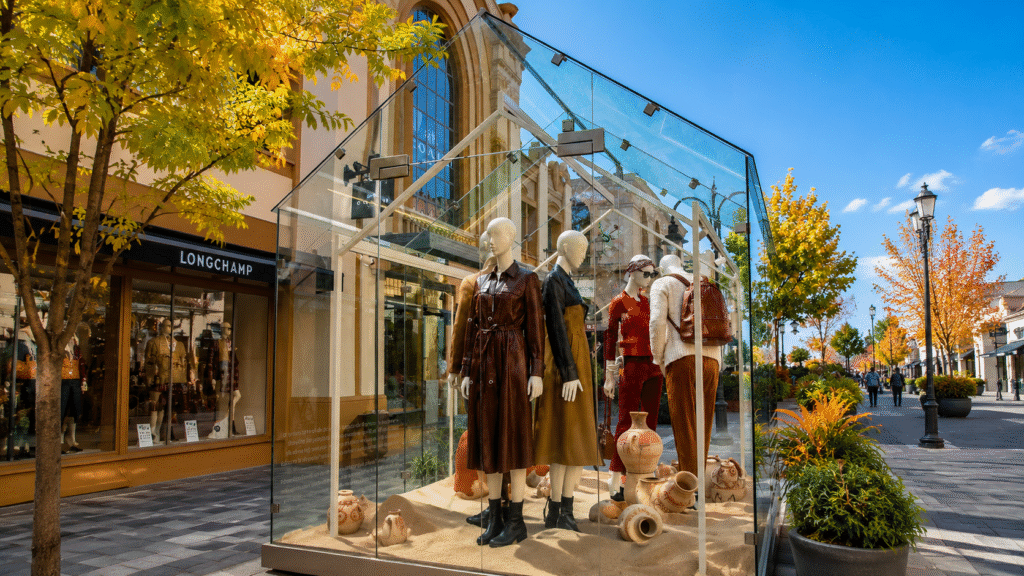
Las Rozas Village serves the wealthy elite of the Spanish capital, located a thirty-minute drive from the center of Madrid. The discounts typically settle in the 30 to 60 percent range. The architectural style mimics a Castilian village, featuring whitewashed walls, terracotta tiles, and shaded arcades. The Spanish luxury shopper prioritizes tailored clothing and high-quality leather goods. The boutiques here stock a deep inventory of suede jackets, tailored wool trousers, and leather riding boots. The pace of the village is deliberately leisurely. Shoppers take extended breaks for long lunches featuring Iberian ham and local wines. The integration of the Spanish siesta culture into the outlet schedule means the most serious shopping occurs in the late afternoon and early evening. The Las Rozas Village provides a physically beautiful, culturally integrated environment for the Spanish elite to exercise their purchasing power at a reduced cost.
Rinku Premium Outlets Osaka Japan Typical Discounts 30%-80%
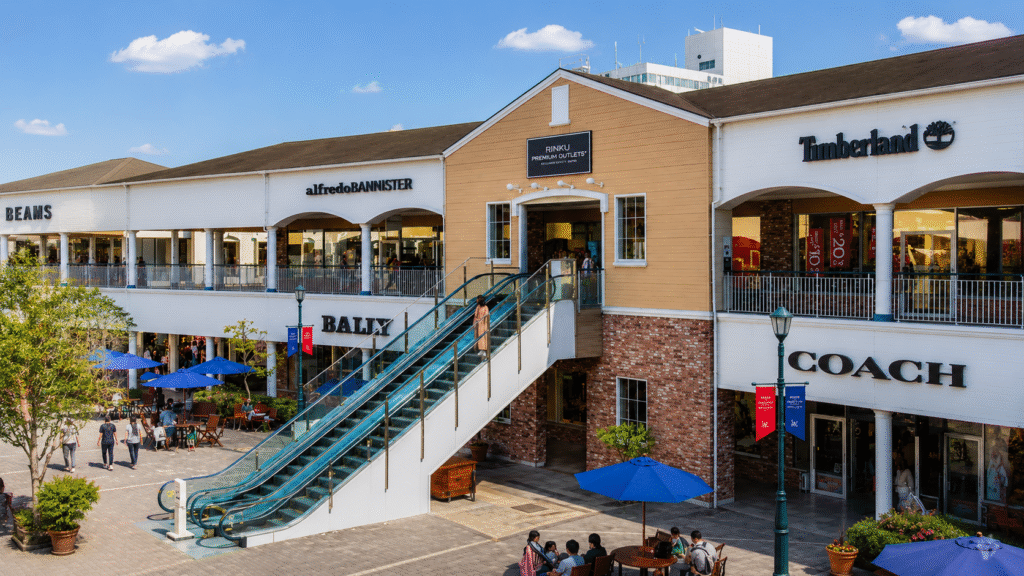
The Rinku Premium Outlets boast the highest potential discount bracket on the global list, reaching up to 80 percent off retail. Located on a artificial island in Osaka Bay, the complex sits directly adjacent to Kansai International Airport. This proximity makes Rinku a mandatory first or last stop for international travelers. The 80 percent discounts usually appear during the extreme end-of-season clearance events, where the brands liquidate aging inventory to make room for new shipments. The sea breeze keeps the outdoor mall cooler than the inland Gotemba location. The layout is dense and compact, maximizing the number of storefronts per square meter. The Rinku Premium Outlets capitalize on the urgency of travel. A shopper with a departing flight in four hours has a limited window to execute their purchasing strategy, forcing rapid decision-making and reducing the time spent deliberating over price points.
Designer Outlet Roermond Roermond Netherlands Typical Discounts 30%-70%
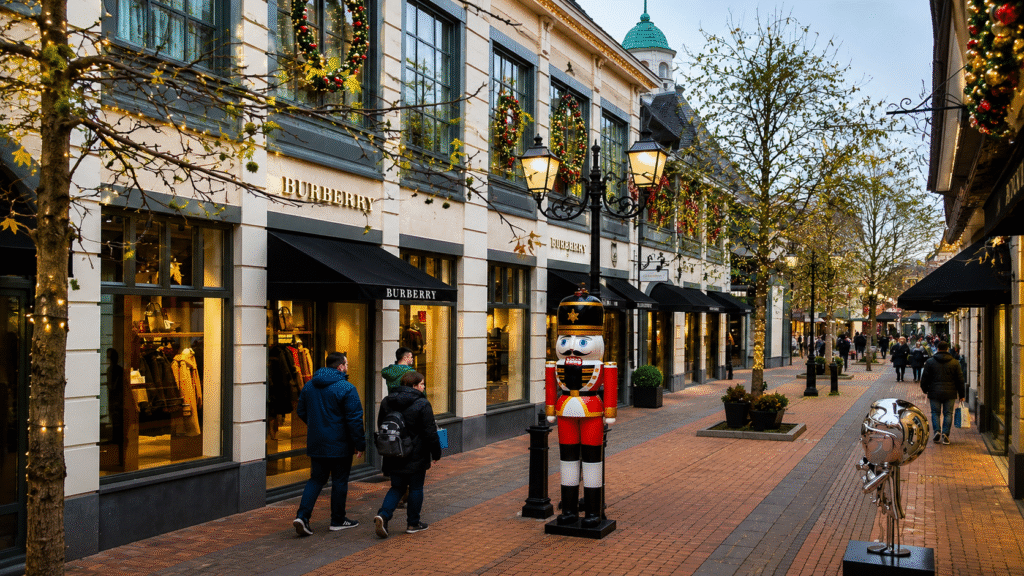
Roermond sits directly on the border between the Netherlands and Germany, positioning the outlet as a cross-border tax haven. The typical discounts range from 30 to 70 percent. German shoppers cross the border to take advantage of the Dutch VAT refund system, which they can process immediately upon returning to Germany. The architectural style is a sanitized version of a traditional Dutch village, featuring brick facades and canal-side walkways. The mix of brands leans heavily toward German and Dutch consumers, featuring strong representation from brands like Hugo Boss, Escada, and MCM alongside the Italian and French houses. The parking lots are filled with cars bearing German license plates. The Designer Outlet Roermond thrives entirely on the geopolitical reality of the European Union’s open borders, turning a geographic anomaly into a highly lucrative retail machine that exploits the slight variations in tax recovery processes.
Wertheim Village Frankfurt Region Germany Typical Discounts 30%-70%
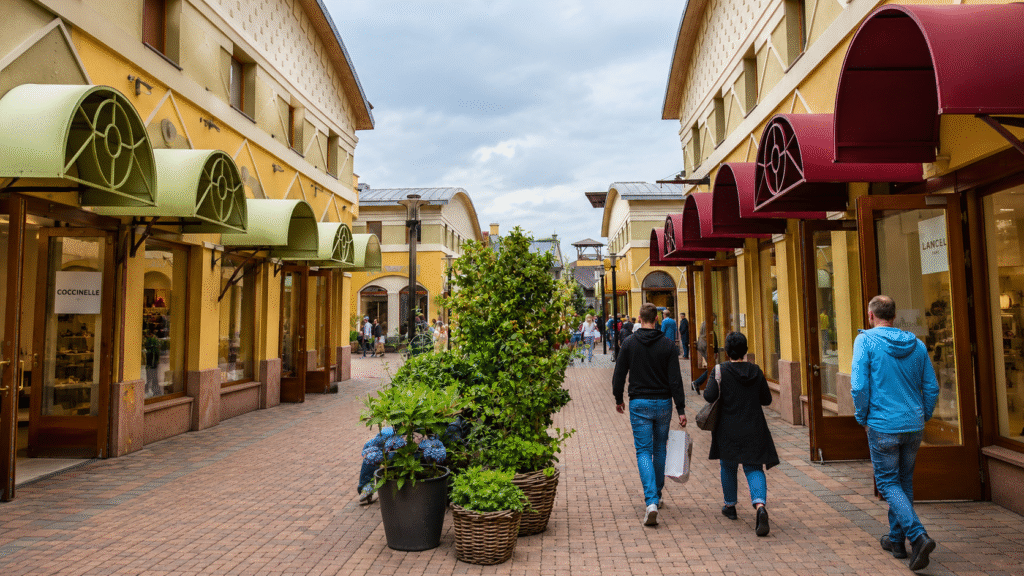
Wertheim Village capitalizes on the wealth generated by the Frankfurt financial industry. The outlet is designed to resemble a traditional Franconian half-timbered village, creating a historical illusion that contrasts sharply with the modern financial hub just an hour south. The typical discounts range from 30 to 70 percent. The target demographic consists of high-earning bankers, corporate executives, and their partners. The shopping patterns here are highly scheduled. Clients arrive on Saturday mornings, execute a precise route through the boutiques, and return to Frankfurt by early afternoon. The demand for classic, conservative luxury is incredibly high. Brands like Brunello Cucinelli, Loro Piana, and Hermes see massive turnover here. The Wertheim Village provides a highly efficient, aesthetically pleasing environment for the German financial elite to acquire their uniform of quiet luxury at a strictly calculated discount, viewing the savings as a form of investment performance.
McArthurGlen Designer Outlet Noventa di Piave Venice Region Italy Typical Discounts 30%-70%
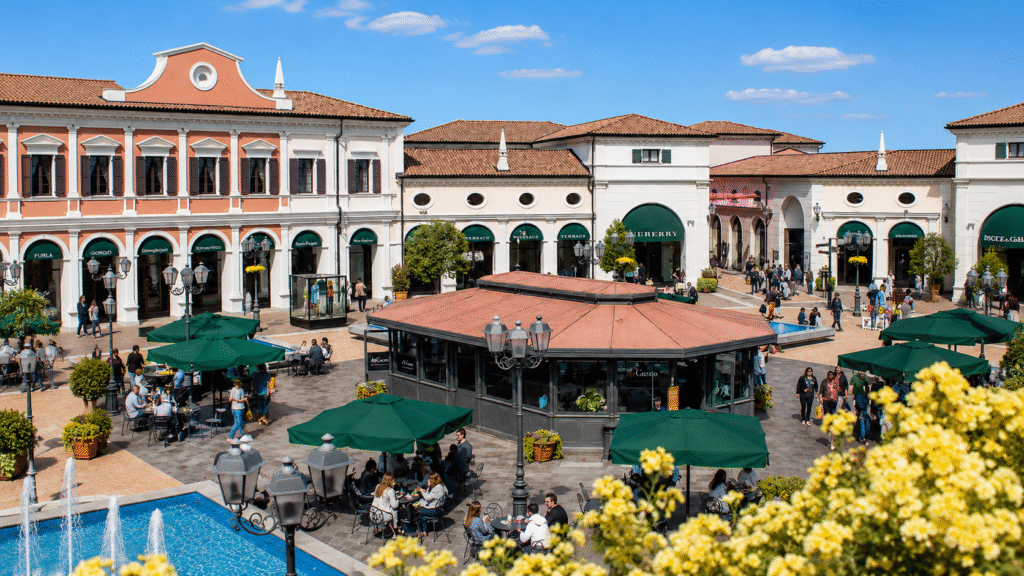
The McArthurGlen outlet in Noventa di Piave serves as the primary discount hub for the millions of tourists visiting Venice. The typical discounts range from 30 to 70 percent. The sheer volume of tourist traffic dictates the layout and the security protocols of the complex. The architecture attempts to evoke a Venetian palazzo style, featuring pastel facades and arched walkways. The boutiques are larger than average to handle the massive daily foot traffic. Tourist buses line the outer perimeter from dawn until dusk. The stock here moves incredibly fast. A rack of discounted Furla handbags can be decimated in minutes by a single tour group. The McArthurGlen Designer Outlet functions as a massive extraction point, capturing the spending power of tourists before they leave the country, offering them a final chance to convert their remaining Euros into tangible luxury goods.
Castel Romano Designer Outlet Rome Region Italy Typical Discounts 30%-70%
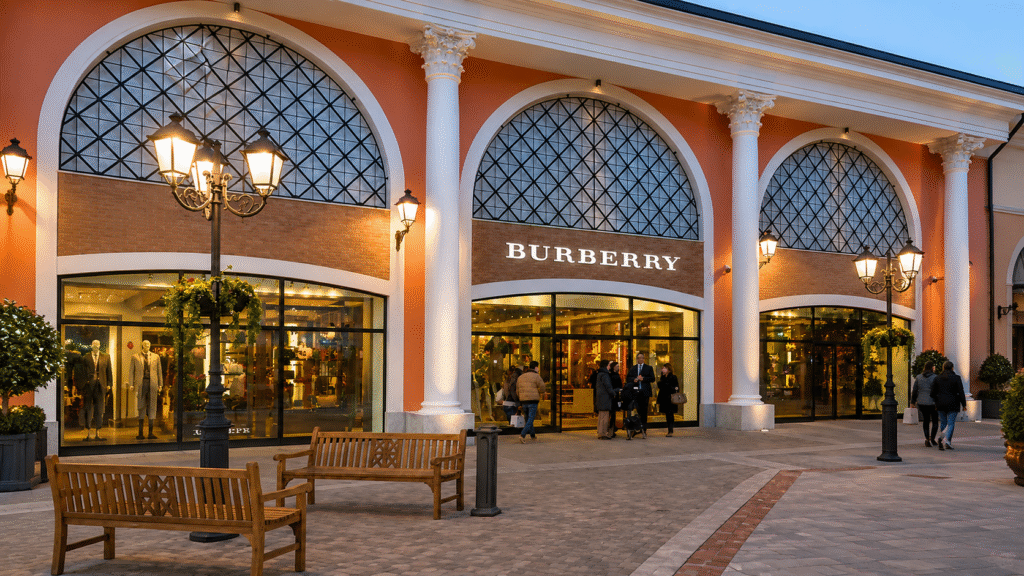
Castel Romano sits on the outskirts of Rome, baking in the intense Mediterranean sun for much of the year. The typical discounts range from 30 to 70 percent. The architectural theme mimics ancient Roman imperial villas, complete with columns, statuary, and sprawling piazzas. The Roman heat forces the complex to rely heavily on powerful air conditioning systems, creating a sharp thermal shock when moving between the indoor boutiques and the outdoor walkways. The clientele skews toward a mix of domestic Italian shoppers and American tourists visiting the capital. The inventory features heavy concentrations of leather goods, sunglasses, and tailored summer wear. The Castel Romano Designer Outlet offers a chaotic, high-energy shopping environment where the ancient history of the surrounding region provides a dramatic backdrop for the very modern act of consuming discounted fast fashion and luxury goods.
Dubai Outlet Mall Dubai UAE Typical Discounts 30%-65%
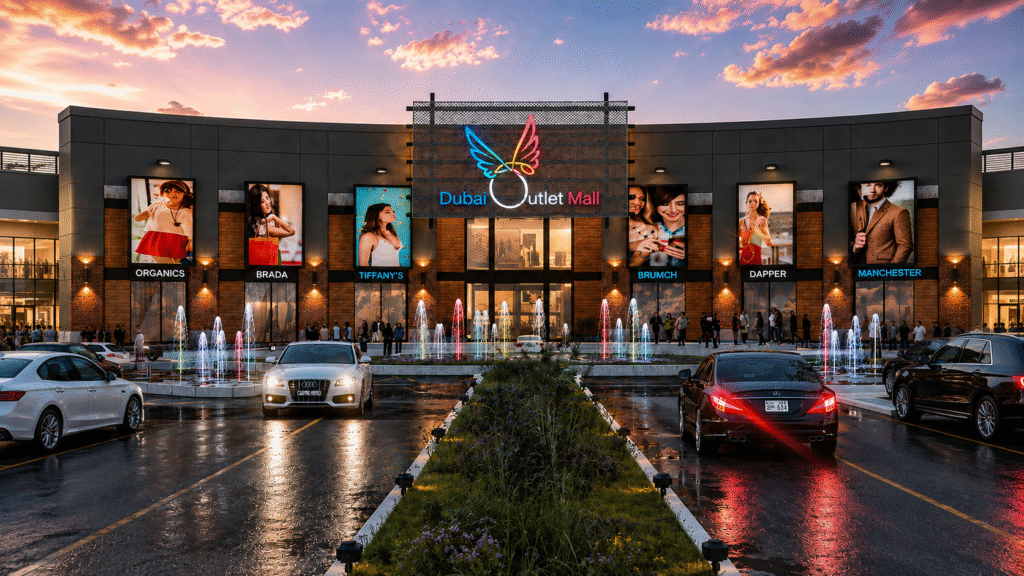
The Dubai Outlet Mall exists in a state of permanent, air-conditioned isolation from the harsh desert climate. The typical discounts range from 30 to 65 percent. The mall is a massive, enclosed structure featuring a massive indoor ski slope as a neighboring attraction. The outlet caters to the massive expatriate population of the UAE, offering a year-round destination for discounted shopping that avoids the extreme summer heat. The architecture is sleek and modern, prioritizing functionality over the faux-village aesthetics of the European outlets. The VIP services include valet parking and personal shoppers who communicate via WhatsApp to send photos of new stock directly to clients. The Dubai Outlet Mall provides a highly controlled, climate-stable environment for the consistent, year-round liquidation of luxury inventory, insulated from the seasonal fluctuations that dictate the European outlet market.
Siam Premium Outlets Bangkok Thailand Typical Discounts 30%-70%
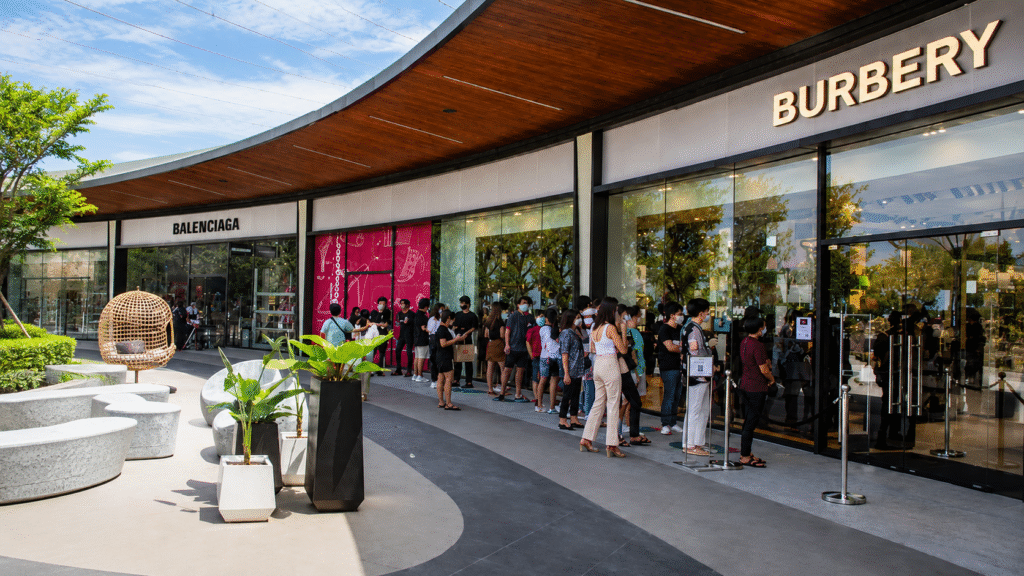
The Siam Premium Outlets bring the open-air village concept to the dense urban sprawl of Bangkok. The typical discounts range from 30 to 70 percent. The challenge of shopping in Bangkok is the oppressive humidity. The covered walkways and powerful fans are essential for maintaining the comfort of the shoppers. The clientele consists heavily of wealthy Thai locals and tourists from neighboring Southeast Asian countries. The sizing presents a specific dynamic. The stock often includes Asian-exclusive sizing and colorways that differ from the European and American outlets. The presence of high-end Japanese brands like Maison Kitsuné and Comme des Garçons alongside the European houses reflects the specific fashion preferences of the Bangkok elite. The Siam Premium Outlets adapt the global outlet model to the specific climatic and cultural nuances of the Southeast Asian luxury market.
The VIP Hands-Free Logistics
The physical act of carrying heavy shopping bags through an expansive outlet complex degrades the experience. The premium outlets have engineered a solution. A shopper hands their first purchase to a concierge. The concierge attaches a tracking tag to the bag and files it in a central holding area. The client continues shopping with empty hands, free to try on garments without dragging coats and shoeboxes into the fitting room. At the end of the day, the client returns to the concierge desk. Every item purchased throughout the day is neatly packaged in branded tissue paper and placed into a single, massive tote bag or transferred directly to the trunk of the waiting car. This hands-free shopping system removes the physical friction of the outlet experience, allowing the wealthy client to maintain a sense of effortless mobility while executing a highly aggressive purchasing strategy across dozens of boutiques.
The Currency Arbitrage Calculation
The true cost of an outlet purchase relies on a complex, multi-variable calculation performed instantly in the buyer’s head. The marked price reflects the local currency and the outlet discount. The buyer then calculates the VAT refund, typically ranging from 10 to 15 percent depending on the country. Finally, the buyer factors in the current exchange rate against their home currency. A 70 percent discount in euros becomes an 80 percent effective discount if the buyer’s home currency is currently strong against the euro. This currency arbitrage transforms the outlet visit from a simple shopping trip into a sophisticated financial transaction. The brands understand this dynamic. They adjust their outlet pricing strategies in different countries to prevent extreme arbitrage opportunities that would cannibalize their full-price sales in other regions.
The End of Season Purge
The standard 30 to 70 percent discounts represent the baseline pricing of the outlet channel. The real value emerges during the end-of-season purge. In late January and late July, the brands need to clear the physical floor space for the incoming seasonal shipments. They authorize an additional discount on top of the existing outlet markdown. A 70 percent off item receives an extra 30 percent off at the register. The mathematical reality is that the item is now selling for 49 percent of its original outlet price, or roughly 15 percent of its original retail price. These events last for a single weekend. The shoppers who understand this calendar treat the purge with the seriousness of a military operation. They arrive before dawn, bypassing the standard inventory to target the items that have sat on the racks for months, waiting for this exact end-of-season purge window.
The Permanence of the Discounted Good
The heavy paper bags sit in the trunk of the SUV, sliding slightly on the leather mat as the car accelerates onto the highway. The adrenaline of the hunt fades. The buyer scrolls through the banking app, noting the total spent. The garments inside the bags will eventually enter the rotation of a massive wardrobe, worn a handful of times before being relegated to storage. The physical items are permanent. The deal, the specific calculation of discount plus VAT refund, is ephemeral. The market will adjust the prices next season. The brands will alter their outlet distribution strategies. The outlets will continue to expand, repurposing the excess inventory of a global luxury machine that produces more goods than the primary market can absorb. The bags in the trunk represent a momentary victory in an endless cycle of consumption. The permanent truth lies in the sheer volume of the discarded labels, a physical measure of the industry’s scale.
What determines the typical discounts at Luxury Outlet Shopping destinations?
The typical discounts at global luxury outlets are dictated by the age of the inventory and the brand’s need to clear physical warehouse space. Items from the previous season usually receive a standard 30 to 50 percent markdown. Older inventory, or items that failed to sell at the primary retail level, will see discounts pushed to the 60 to 70 percent range. The geographical location also influences the pricing. Outlets in tax-free jurisdictions or locations favoring international tourists might adjust their baseline discounts to accommodate the VAT refund calculations. Finally, the specific brand dictates the margin. Accessible luxury brands can offer deeper discounts due to higher production volumes and lower raw material costs, while haute couture houses maintain stricter control over their discount ceilings to protect the perceived value of their primary boutiques.
How does the cut-tag mechanism work in luxury outlet stores?
The cut-tag mechanism is a physical inventory control method used by luxury brands to prevent return fraud. When a brand decides to send unsold inventory from a flagship store to an outlet, the garment undergoes a physical alteration before leaving the warehouse. A manager uses a box cutter or scissors to remove a small, angled section of the interior fabric label, usually near the care instructions or the barcode. This cut physically destroys the label. If a shopper attempts to purchase the discounted item and return it to a full-price boutique for a full refund, the staff will immediately spot the missing section of the label and reject the return. The cut tag permanently marks the garment as an outlet-exclusive item, segregating the secondary market from the primary retail market.
Is the inventory at luxury outlets the same quality as flagship stores?
The physical construction and material quality of the garments are identical. A cashmere sweater from an outlet is made from the same raw cashmere fibers as a sweater from a Milan boutique. The difference lies entirely in the selection and the age of the styles. Outlets receive items that did not sell during the previous season, specific colorways that underperformed, or pieces manufactured specifically for the outlet channel using slightly simpler construction techniques to hit a lower price point. A seasoned shopper can identify outlet-specific lines by examining the interior lining or the hardware finish, which might be slightly less ornate than the flagship counterparts. The core materials, however, remain consistent with the brand’s standard production quality.
Why do ultra-wealthy individuals participate in Luxury Outlet Shopping?
The pursuit of luxury outlet deals by the ultra-wealthy stems from a psychological drive for value extraction and arbitrage. Individuals who have accumulated significant wealth often possess a highly tuned sensitivity to financial efficiency. Paying full retail price feels like a missed opportunity or a failure of negotiation, regardless of their net worth. The outlet environment provides a socially acceptable arena to exercise this competitive instinct. Securing a deeply discounted designer item delivers a dual psychological reward: the acquisition of a status symbol and the intellectual satisfaction of beating the system. The bragging rights associated with acquiring a $5,000 handbag for $1,500 often carry more social weight within certain elite circles than simply paying full price.
What is the VIP experience like at global designer outlet villages?
The VIP experience at high-end outlet villages is designed to remove all physical and logistical friction from the shopping process. Clients access a private lounge featuring complimentary beverages, Wi-Fi, and comfortable seating. A dedicated personal shopper acts as a scout, communicating with the client via text message or earpiece to alert them to specific sizes or newly unboxed inventory. The most critical service is the hands-free shopping logistics. The concierge takes possession of every purchase the moment the transaction is completed. The client continues shopping unencumbered by heavy bags. At the end of the visit, the concierge consolidates all purchases into premium packaging and loads them directly into the client’s vehicle, or arranges for international shipping to bypass airport customs hurdles.