A Leather Appointment Worth More Than a Trading Day
The boutique remains quiet except for the soft sound of orange boxes sliding across polished wood. There is no price tag displayed, no promotional campaign, and certainly no guarantee that today’s visitor will leave with the handbag they came to buy. A sales associate opens the box carefully, revealing hand-stitched leather that required dozens of hours to create. Somewhere else, an investor refreshes a stock portfolio while a collector quietly accepts an offer for a handbag purchased years earlier. The comparison feels unusual until the numbers begin to tell their own story. The debate surrounding Hermes Birkin vs Kelly investment returns has evolved beyond fashion into a conversation about scarcity, craftsmanship, wealth preservation, and the psychology of collecting. These bags have become portable luxury assets that travel effortlessly between wardrobes, auctions, and private collections.
Why Luxury Handbags Have Entered Investment Conversations
Alternative assets have expanded well beyond fine art, classic automobiles, and vintage watches. Exceptional handbags now occupy a unique position because they combine practical function with extraordinary scarcity and global brand recognition. Collectors appreciate craftsmanship while investors recognize consistent demand and limited supply. The result is a market where aesthetic value and financial performance frequently reinforce one another rather than compete.
The Birkin: The Ultimate Symbol of Quiet Exclusivity
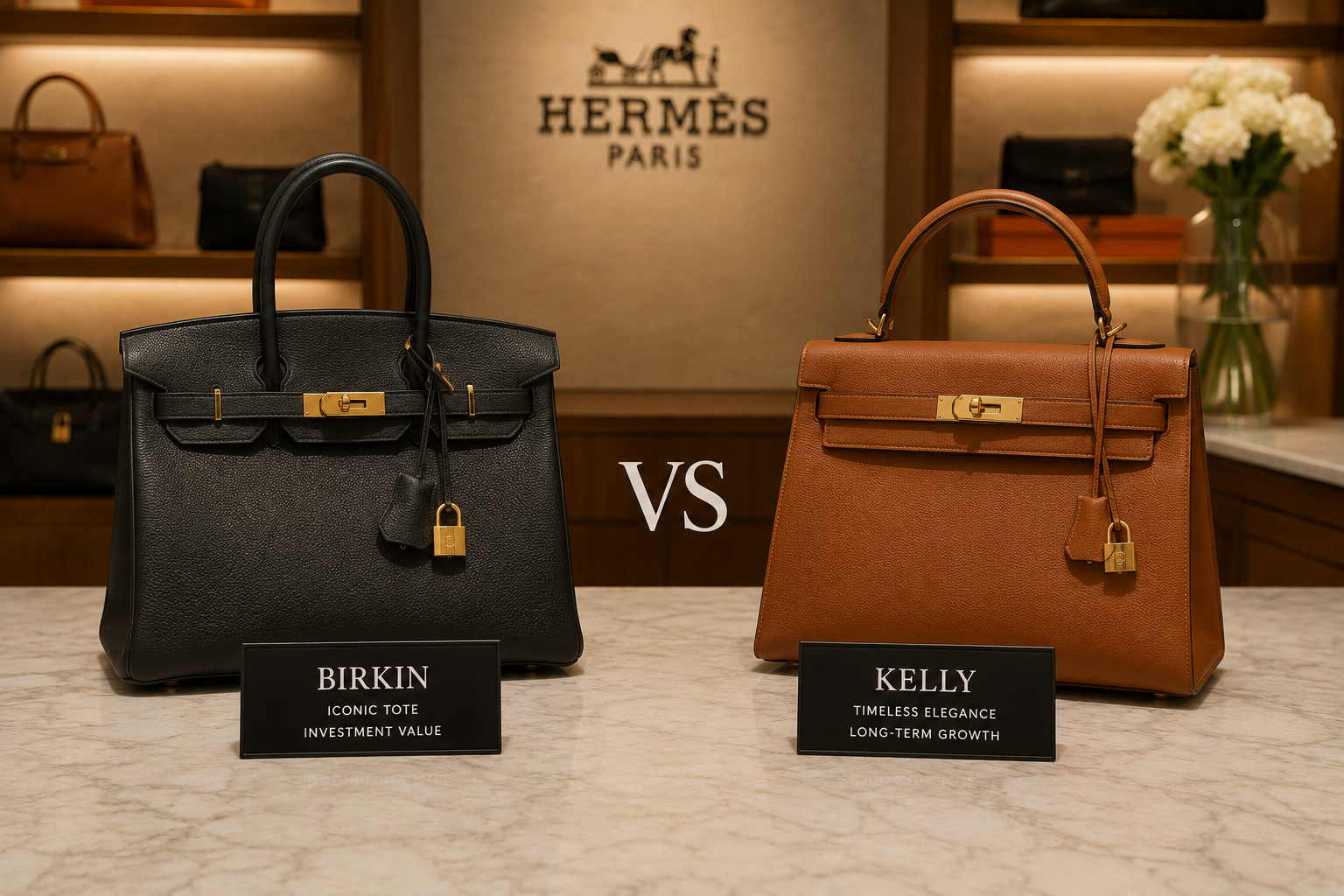
The Birkin has earned its reputation through understated confidence rather than aggressive visibility. Structured proportions, exceptional leather selection, meticulous saddle stitching, and carefully balanced design create a silhouette instantly recognized by collectors across every major luxury market. Ownership often depends upon long-term relationships rather than simple purchasing power, reinforcing an aura of exclusivity that strengthens demand through controlled accessibility.
The Kelly: Architectural Elegance That Never Ages
The Kelly approaches luxury differently. Its refined structure, elegant top handle, and unmistakable closure system communicate precision rather than abundance. Originally associated with timeless sophistication, the design continues attracting collectors who appreciate restraint alongside exceptional craftsmanship. Many investors consider the Kelly remarkably versatile because it transitions effortlessly between contemporary wardrobes and archival collections without sacrificing identity.
Scarcity Creates Desire Before Value
Neither handbag achieves extraordinary status through advertising alone. Controlled production, artisan craftsmanship, carefully selected materials, and highly selective distribution create an environment where demand consistently exceeds availability. Waiting lists, boutique relationships, and limited annual production reinforce exclusivity while encouraging strong secondary market performance. Scarcity therefore becomes a carefully protected characteristic rather than an accidental market condition.
Mechanism Reveal: Why Luxury Handbags Can Appreciate in Value
The foundation of Hermes Birkin vs Kelly investment returns lies in a combination of artisan production, limited availability, global collector demand, exceptional durability, and cultural significance. Every handbag requires highly skilled craftsmanship performed by a single artisan trained through years of experience. Production remains intentionally constrained while international demand continues expanding across generations of collectors. As pristine examples become increasingly difficult to obtain directly, resale markets reward rarity, condition, leather selection, hardware combinations, and documented authenticity, creating a luxury ecosystem where value extends well beyond original retail pricing.
Leather, Hardware, and the Hierarchy of Value
Not every Birkin or Kelly follows identical market performance. Exotic skins, rare colors, limited seasonal releases, precious metal hardware, and boutique-exclusive combinations often generate exceptional collector interest. Small design details can significantly influence desirability, transforming visually similar handbags into dramatically different investment propositions. Knowledge therefore becomes as valuable as acquisition itself.
The Psychology of the Luxury Collector
Collectors rarely describe their handbags as financial instruments alone. Emotional connection, heritage appreciation, craftsmanship, and the satisfaction of completing carefully curated collections remain powerful motivations. Investment performance becomes an added benefit rather than the sole objective. This mindset distinguishes true collecting from short-term speculation and contributes to long-term market resilience.
Birkin vs Kelly: Lifestyle Appeal
The Birkin projects effortless confidence through spacious proportions and relaxed elegance suitable for everyday luxury. The Kelly introduces greater structure, making it equally comfortable at formal events and intimate private gatherings. Buyers often select according to personality rather than market data, yet both designs maintain enduring appeal through exceptional versatility and timeless aesthetics.
Why Family Offices Are Watching Alternative Luxury Assets
Family offices increasingly diversify portfolios across categories capable of preserving value during changing economic cycles. Fine jewelry, collectible watches, contemporary art, vintage automobiles, and iconic handbags all contribute unique characteristics unavailable through traditional financial markets. Luxury objects combine emotional ownership with tangible scarcity, creating assets that can be displayed, enjoyed, and transferred across generations.
Condition Is the New Currency
The highest-performing luxury handbags share one characteristic beyond rarity: exceptional preservation. Original packaging, protective accessories, purchase documentation, and minimal signs of wear significantly strengthen collector confidence. Climate-controlled storage, professional care, and thoughtful handling transform ownership into stewardship, allowing extraordinary pieces to retain both beauty and market desirability over time.
Cultural Influence and Celebrity Visibility
Luxury icons gain additional momentum whenever artists, entrepreneurs, actors, royalty, or influential collectors incorporate them into public life. Yet sustained value depends less on temporary trends and more on enduring design language supported by craftsmanship and heritage. The strongest collectibles remain desirable regardless of changing fashion cycles because they occupy a permanent place within luxury history.
Which Bag Offers Better Long-Term Potential?
The answer depends less upon absolute performance than collecting philosophy. The Birkin rewards buyers drawn toward iconic recognition and effortless exclusivity. The Kelly appeals to those who appreciate architectural elegance and timeless refinement. Both have demonstrated remarkable resilience because each represents a different expression of enduring luxury rather than seasonal fashion.
The Best Investment May Also Be the Most Beautiful
The conversation surrounding Hermes Birkin vs Kelly investment returns ultimately reveals something larger than resale values or appreciation charts. These handbags succeed because they embody patience, craftsmanship, scarcity, and cultural permanence within objects designed to accompany everyday life. Markets fluctuate, trends evolve, and portfolios rebalance. Yet an expertly crafted leather masterpiece carried across generations quietly accumulates stories alongside value. The finest luxury investments rarely announce themselves through numbers alone. They become heirlooms first and exceptional assets almost by consequence.
FAQ
Which performs better as an investment, the Birkin or the Kelly?
Both enjoy exceptional collector demand, although performance often depends on rarity, leather type, hardware, color, condition, and market timing.
Why are Hermès handbags considered alternative assets?
Limited production, artisan craftsmanship, global demand, enduring design, and strong resale markets contribute to their long-term desirability.
What factors influence resale value?
Condition, authenticity, original packaging, documentation, rare materials, exclusive colors, and hardware combinations significantly affect collector interest.
Why is scarcity important for luxury handbags?
Controlled production creates sustained demand while preserving exclusivity, making exceptional examples increasingly difficult to acquire through traditional retail channels.
Are luxury handbags purchased only for investment?
No. Most collectors value craftsmanship, heritage, personal enjoyment, and timeless design, with financial appreciation serving as an additional benefit rather than the primary motivation.