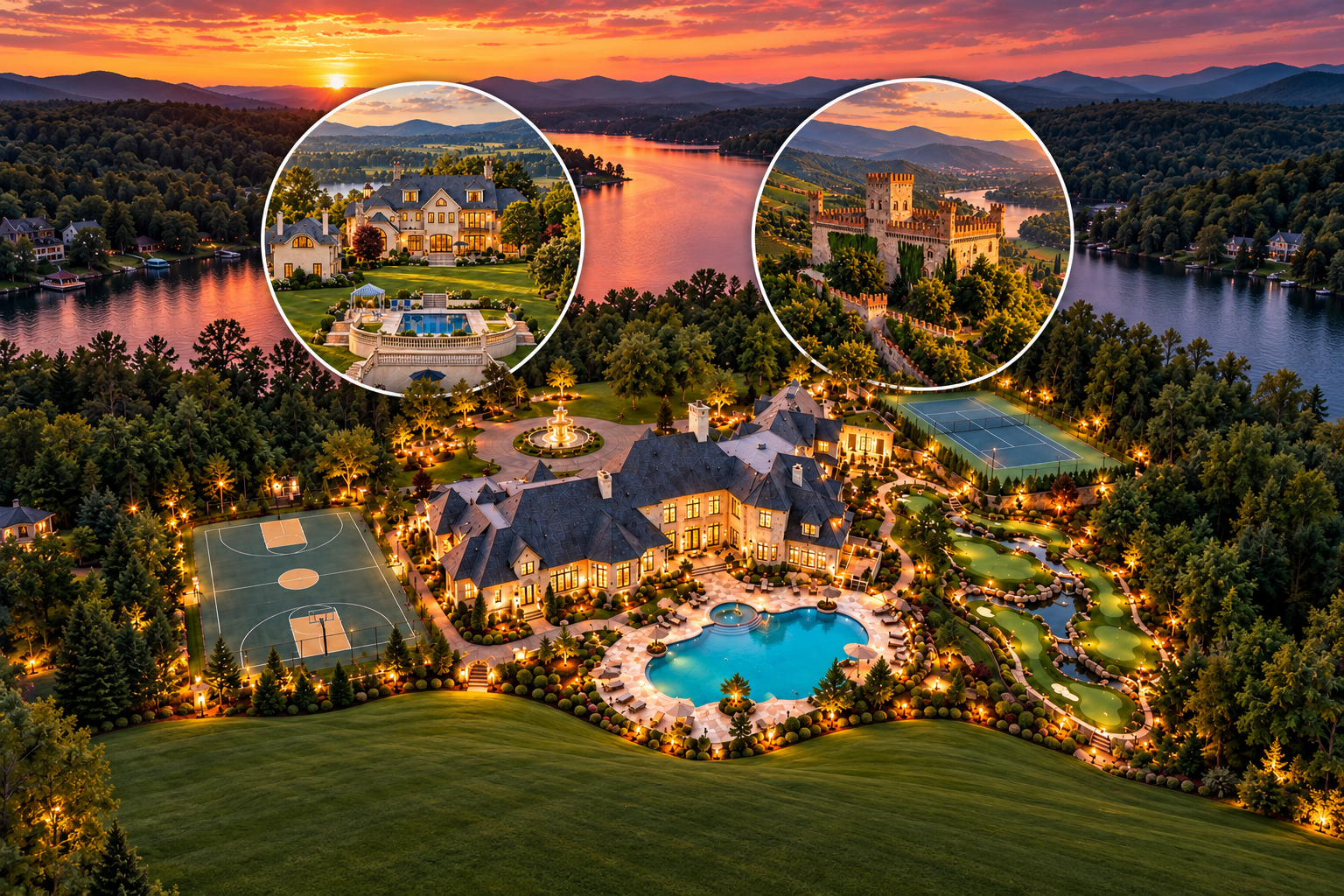

Lake Como, Italy: Homes Starting From Around $2.3 Million
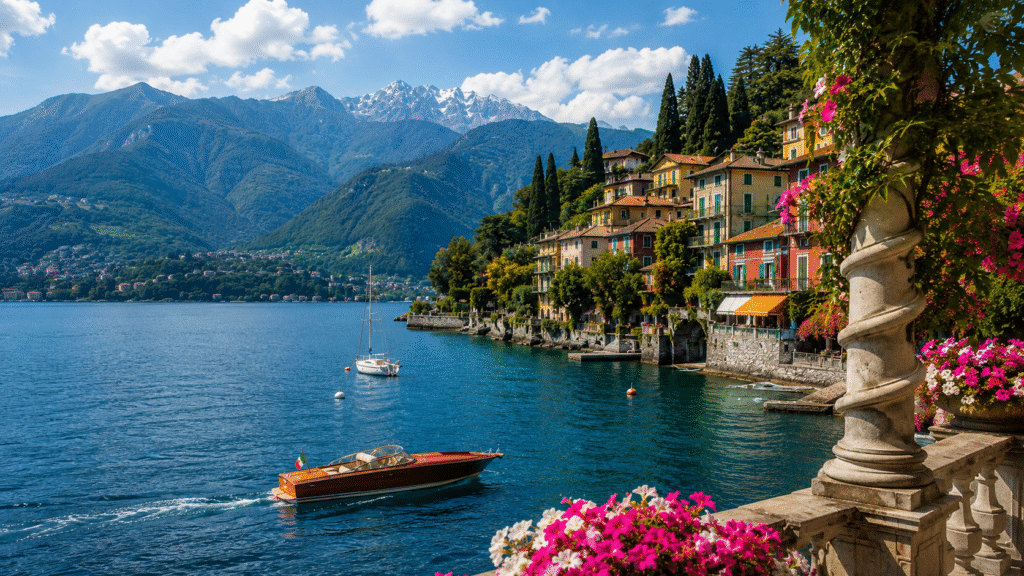
The morning mist burns off the Bellagio shoreline, revealing a rigid geometry of manicured cypress trees and stucco facades that have remained largely unchanged since the 18th century. While the global press focuses on celebrity sightings at the Grand Hotel Tremezzo, the actual Lake Como real estate market operates on a much more clandestine frequency. A starting price of $2.3 million might secure a modest apartment requiring complete structural overhaul, but the true trophy assets along the western branch rarely see a public listing. These properties trade through a whisper network of local notaries and family-held escrow accounts. The mechanism of acquisition here is deliberately opaque, requiring buyers to navigate centuries-old communal water rights and regional historic preservation boards that dictate the exact shade of ochre permitted on exterior walls. Adding a private dock involves a multi-year environmental impact study assessing the disruption to the lake’s fragile thermal layers. The permanence of a Lake Como estate is tied directly to the lake itself. The water levels fluctuate seasonally, meaning these historic foundations are in a constant, silent battle against hydrostatic pressure. Owning here is an exercise in perpetual stewardship, a commitment to maintaining a specific architectural heritage against the slow creep of natural forces and the heavy weight of tourist infrastructure.
Sydney Harbour, Australia: Homes Starting From Around $9.8 Million
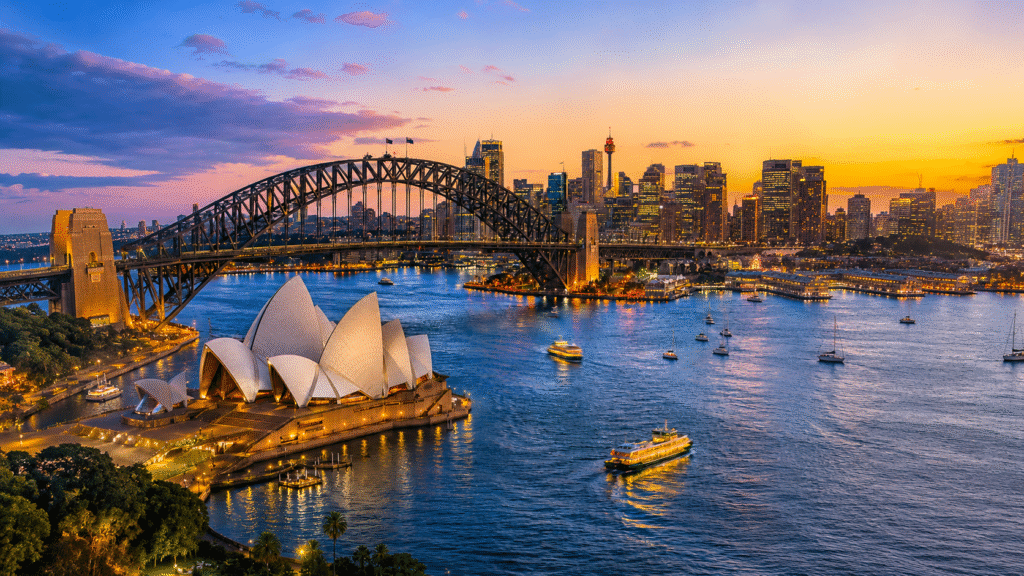
The hum of a seaplane cutting across the water near Point Piper provides the acoustic backdrop to a real estate market defined by absolute geological scarcity. At $9.8 million, entry into the Sydney Harbour waterfront market typically means purchasing a teardown on a narrow parcel of land, paying a premium solely for the legal right to build on the rock. The harbor’s topography leaves no room for expansion, creating a closed loop of inventory where new supply is practically non-existent. The Sydney Harbour Foreshore Authority exerts microscopic control over these properties. A homeowner cannot replace a window, alter a balcony railing, or change the color of a facade without submitting detailed architectural plans proving the changes will not negatively impact the public vista from the water. This bureaucratic friction keeps the architectural character frozen in time, favoring low-slip sandstone and tiered concrete that blends into the cliff faces. The waterline presents a separate set of logistical hurdles. Because the harbor is a working port and a national park, private water access is heavily restricted. Many of these nine-figure homes have boatsheds built a century ago, but updating them to fit modern superyacht tenders requires federal-level maritime approvals. The harbor is an engineered ecosystem, and the homes clinging to its edges are subject to its tidal rhythms and strict conservation mandates.
Palm Beach, Florida: Homes Starting From Around $15 Million
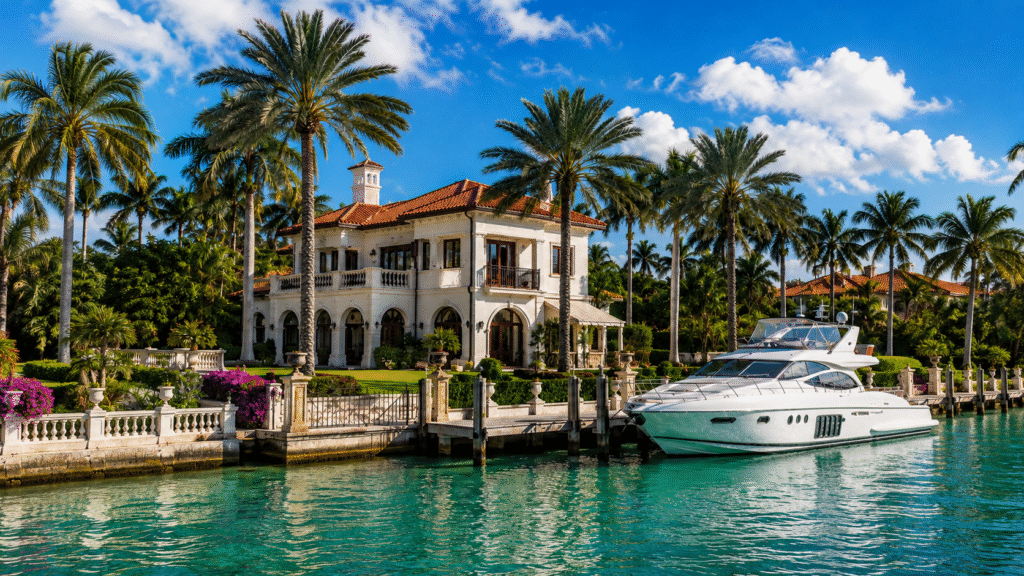
A black SUV turns onto South Ocean Boulevard, passing the stark security checkpoints that separate the public beaches from the private enclaves of the ultra-wealthy property market. Fifteen million dollars is the absolute baseline to secure a dated structure on the inland side of the street, lacking direct ocean access. The true value lies on the eastern lot line, where homes sit on elevated ground with unobstructed views of the Atlantic. Palm Beach operates under some of the most aggressive zoning laws in the United States, specifically designed to prevent high-rise development and preserve the horizontal dominance of the mega-mansions. The architectural mechanism that dictates life here is the flood elevation requirement. Because the barrier island sits barely above sea level, local codes mandate that the ground floor of any new construction must be elevated well above base flood elevation. This engineering necessity has birthed a specific architectural style where grand foyers and living spaces are pushed to the second and third levels, while the ground floor is reserved for garages, utility rooms, and fortified storm shelters. Insurance underwriting acts as a secondary form of gatekeeping. Annual premiums for wind and flood coverage routinely exceed the cost of a luxury sedan, pricing out anyone without significant liquid capital to absorb the carrying costs. The island is a temporary geological feature, slowly migrating westward as the ocean erodes the eastern shore, making these massive concrete investments an exercise in high-stakes coastal defiance.
Amalfi Coast, Italy: Homes Starting From Around $5.8 Million
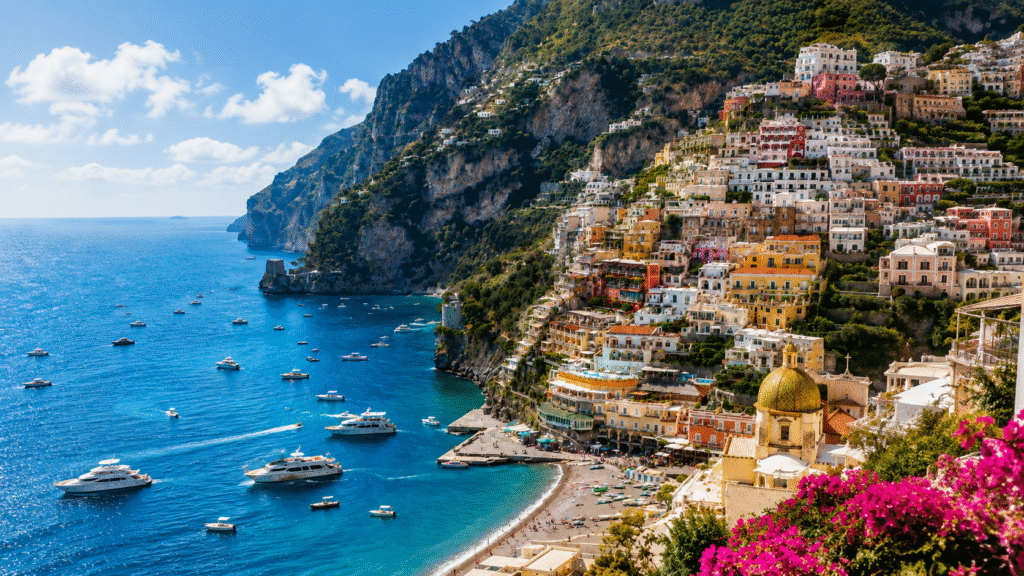
The clatter of a fishing boat pulling into the Positano marina echoes against a sheer cliff face dotted with pastel-colored villas that appear to be glued to the rock. Five point eight million dollars might purchase a modest terrace with a partial view of the Tyrrhenian Sea, but the true Amalfi Coast property market is a masterclass in vertical engineering. Building here is not an act of construction, but an act of excavation and anchoring. The mechanism of creating a home on this coastline involves drilling deep into the limestone mountainide to anchor steel piers, upon which the concrete structure is then suspended. This process is so logistically complex that construction costs per square meter rival those in central London or Manhattan. The delivery of materials presents a daily logistical puzzle. Cement trucks cannot navigate the narrow, switchback roads. Instead, materials are mixed at the base of the mountain and pumped uphill through miles of temporary tubing, or brought in by specialized cargo ships and hoisted up via custom crane systems. The local municipality strictly enforces height restrictions, meaning these homes spread horizontally across precarious ledges, supported by massive retaining walls. The permanence of the Amalfi Coast is deceptive. The volcanic rock is highly porous, and the constant exposure to saltwater and seismic activity means these luxury retreats require continuous, invisible maintenance. A collapsed terrace or a failing retaining wall can trigger a cascade of structural failures down the mountain, making structural engineering the most valuable asset on the property deed.
Malibu, California: Homes Starting From Around $6.5 Million
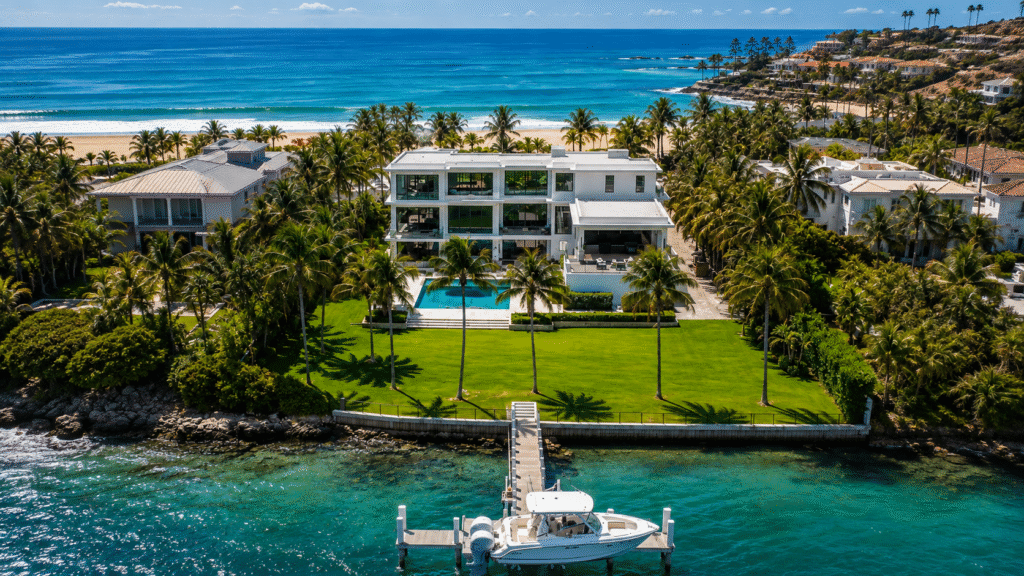
The Pacific Coast Highway traffic backs up near Broad Beach as crews haul in truckloads of sand to combat the winter storm erosion. In the Malibu beachfront property market, $6.5 million typically secures a small, aging cottage that sits directly on the sand, often requiring millions more in foundational repairs. The dynamic that separates Malibu from other global waterfront markets is the California Coastal Commission. This state agency holds veto power over virtually any structural modification along the coast. A billionaire cannot simply build a seawall to protect their living room from the advancing Pacific Ocean without proving the wall will not cause sand to erode from a neighboring public beach. This legal friction has created a bizarre architectural reality where homes are built on massive hydraulic pilings, designed to let storm surges wash directly underneath the structure rather than fighting the water. The concept of private property ends at the mean high tide line. California law guarantees public access to the wet sand, meaning homeowners must legally allow strangers to walk directly in front of their living room windows. This has led to a secondary industry of high-end security firms that specialize in “trespass management,” using infrared cameras and off-duty police officers to patrol the perimeter without violating public access laws. The El Nino weather cycles ensure that the geography of Malibu is never static. A beach that stretches fifty feet wide in September can completely disappear by February, leaving these multi-million dollar structures standing directly in the surf.
Lake Geneva, Switzerland: Homes Starting From Around $5 Million
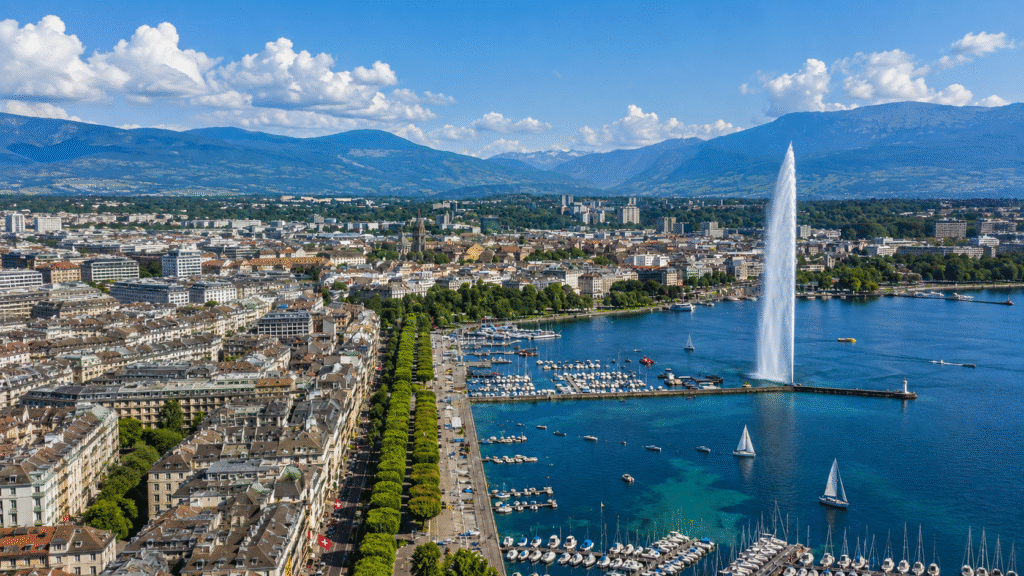
A vintage wooden boat cuts through the glassy surface near Versoix, passing estates that are hidden behind high stone walls and dense, ancient arboretums. Five million dollars opens the door to the Swiss waterfront property market, but it comes with severe legal constraints. Switzerland operates under the Lex Koller, a federal law designed to prevent foreign speculation on residential real estate. Non-residents are strictly prohibited from buying secondary homes in most of the country, and Lake Geneva is heavily protected. The mechanism wealthy foreigners use to bypass this is the creation of a Swiss-based residential company, a complex legal entity that holds the title to the property. Even then, the cantonal authorities dictate exactly who can live in the home, often requiring the primary resident to have strong local business ties. The architecture along the lake reflects a desire for absolute privacy. Homes are set back hundreds of meters from the shoreline, with the lake access managed through private, gated footpaths. The water itself is strictly regulated for environmental purity, meaning private docks are rare, and motorized water sports are heavily restricted in residential zones. The permanence of a Lake Geneva estate is tied to Swiss political stability and strict zoning laws. The shoreline looks exactly as it did a century ago, a frozen aesthetic bought at a premium. Owning here is less about waterfront recreation and more about securing a tangible asset in a jurisdiction known for immutability.
St. Tropez, France: Homes Starting From Around $17.4 Million
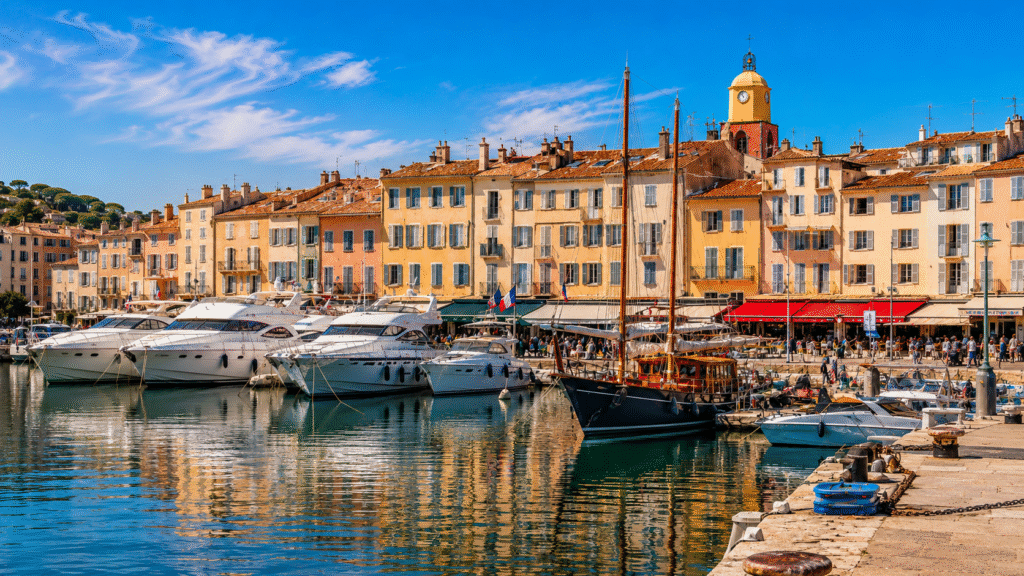
The thump of a yacht bass line drifts across the Pampelonne Bay, a stark contrast to the silent, gated driveways of the Ramatuelle hillside above. Seventeen point four million dollars is the starting point for a St. Tropez luxury villa with a genuine sea view, but the market operates on a highly seasonal rhythm. The mechanism that drives this market is the August rental yield. A properly positioned, newly renovated villa can command upwards of a million euros for a four-week summer lease. This creates a peculiar incentive structure where owners keep the homes shuttered for ten months out of the year, preserving the “freshly discovered” aesthetic for the ultra-wealthy who descend in July and August. The local building codes in Ramatuelle are intensely protective of the Provençal aesthetic. A homeowner is forbidden from using modern synthetic materials on the exterior; roofs must be traditional terracotta, and facades must be finished in local stucco. Getting a permit to build a infinity pool that visually bleeds into the Mediterranean requires a multi-year review process to ensure it does not ruin the natural ridge line. The water infrastructure on the peninsula is highly strained during the summer months. The massive influx of tourists drains the local water table, forcing these mega-villas to rely on privately drilled, deeply regulated subterranean wells. A drought can quickly turn a multi-million dollar landscaping investment into a brown, withered liability, making water rights just as valuable as the square footage of the home itself.
Sentosa Cove, Singapore: Homes Starting From Around $7.8 Million
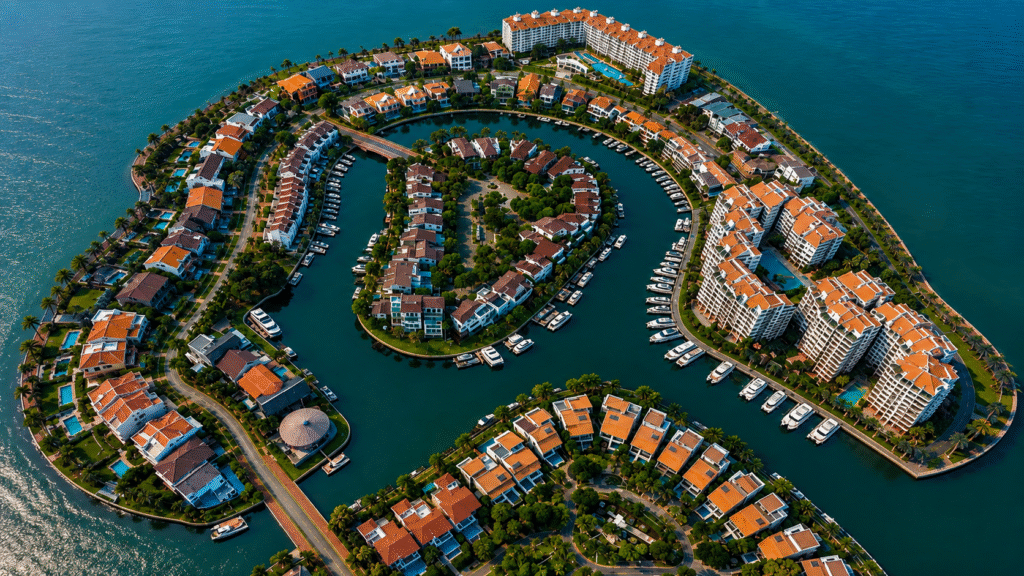
The quiet whir of an electric golf cart on Ocean Drive breaks the humidity of a tropical afternoon in the only enclave in Singapore where foreigners can buy landed property. At $7.8 million, a buyer enters the Singapore waterfront real estate market, specifically within the highly regulated boundaries of Sentosa Cove. The mechanism of ownership here is uniquely tied to immigration policy. While foreigners are generally banned from owning detached houses in Singapore, Sentosa Cove was designated a special economic zone to attract global capital. Buyers must invest a minimum amount in the property and are subject to strict background checks by the Singapore Land Authority. The architectural rules are defined by a rigid “bungalow” zoning code. The government dictates the exact maximum footprint, the height limits, and even the setback requirements from the water’s edge. A homeowner cannot build a multi-story tower to maximize their view; they must adhere to a low-slung, tropical aesthetic. The most critical, often overlooked, detail is the land itself. Sentosa Cove is entirely reclaimed from the ocean. The soil is a mixture of sand and marine clay, which is highly susceptible to differential settling. Owners must engage specialized geotechnical firms to monitor the foundation piles continuously. If one neighbor adds a heavy infinity pool, it can cause the adjacent property’s foundation to shift subtly. The permanence of Sentosa Cove relies entirely on the ongoing maintenance of the surrounding seawalls and the constant, energy-intensive process of keeping the man-made waterways free of tropical sediment.
The Hamptons, New York: Homes Starting From Around $15 Million
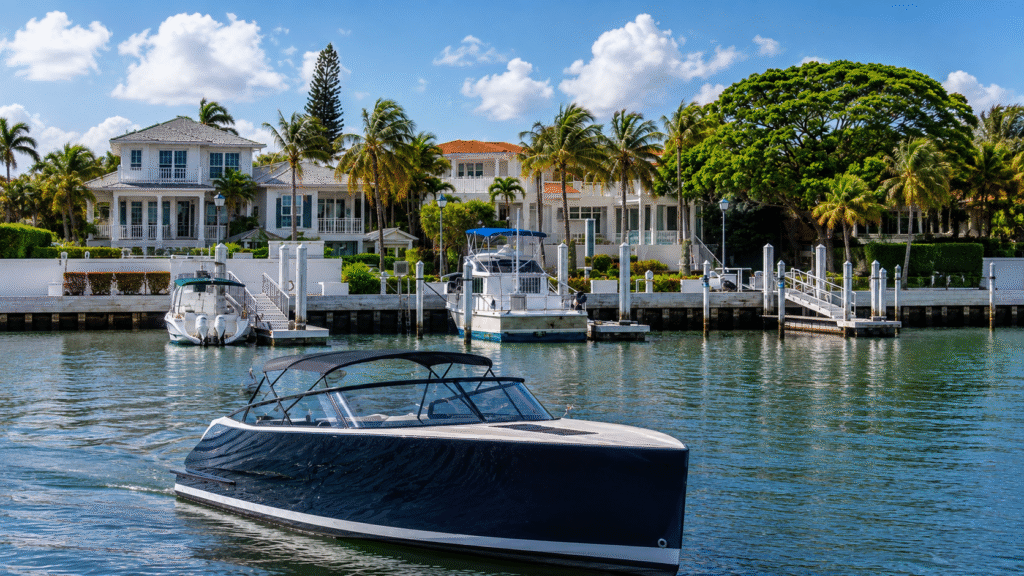
The helicopter blades chop the air above the East Hampton helipad, a necessary transport method for executives escaping Manhattan for the weekend. Fifteen million dollars in the Hamptons oceanfront estates market secures a teardown on a prime dune in Amagansett or a dated structure further inland in Southampton. The market is defined by the coastal erosion battle. The Town of East Hampton enforces a strict Coastal Erosion Hazard Area code. A homeowner whose property sits within this zone cannot build a hardened seawall. The local philosophy dictates that seawalls accelerate the loss of sand on neighboring properties, eventually destroying the beach entirely. Therefore, homes must be built on massive wooden or steel pilings driven deep into the sand, designed to let the ocean pass underneath during a storm surge. The legal structure of ownership is an entirely separate layer of complexity. Homes in the Hamptons are rarely held in individual names. They are wrapped in complex LLCs, dynasty trusts, and offshore corporate structures designed to bypass New York State estate taxes and provide absolute anonymity. The title search for a Hamptons property is a forensic accounting exercise that can take months to complete. The permanence of the Hamptons coastline is an expensive illusion. The Atlantic Ocean claims a measurable amount of shoreline every single year. Homes that were built on solid ground fifty years ago now teeter on the edge of collapsing dunes, forcing owners to spend millions moving their houses backward on specialized rail systems as the beach disappears.
Palm Jumeirah, Dubai: Homes Starting From Around $4.1 Million
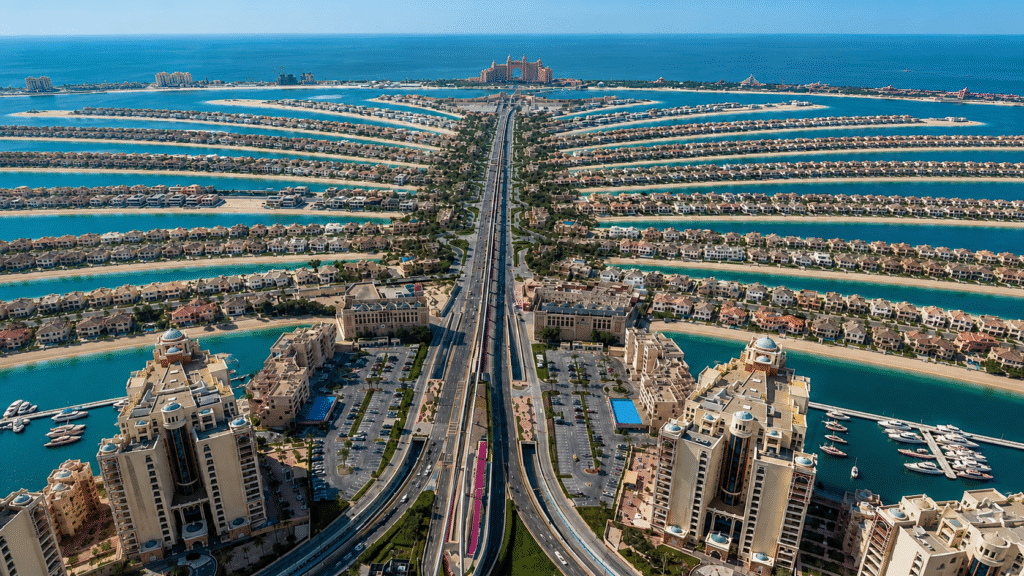
The reflection of the Burj Al Arab shimmers against the artificial lagoons that line the fronds of the island. Four point one million dollars buys entry into the Dubai waterfront mansions market, typically securing a townhouse or a modest villa on the trunk of the Palm Jumeirah. The engineering reality of this location is completely hidden from the casual observer. The entire island is constructed from millions of tons of sand dredged from the seabed and held in place by a massive breakwater made of rock imported from the United Arab Emirates. The mechanism of living here relies on a highly pressurized infrastructure loop. The island does not tap into Dubai’s main municipal sewer or water grid. It operates on a closed-loop vacuum sewer system, and fresh water is provided by a dedicated, on-island desalination plant. Every single villa requires specialized maintenance contracts to manage the reverse-osmosis filtration systems and the high-pressure pumps that push wastewater up to the main trunk lines. The architectural aesthetic is strictly controlled by Nakheel, the state-owned developer. A homeowner cannot alter the exterior facade, change the color of the driveway, or modify the rooftop without explicit written approval, ensuring a uniform, manicured look from the air. The permanence of Palm Jumeirah is a subject of quiet debate among geologists. The island is slowly settling under its own immense weight, sinking at a fraction of a millimeter per year. While this does not pose an immediate threat, it requires the constant, invisible adjustment of the island’s peripheral infrastructure to prevent the artificial canals from draining improperly.
Monaco, French Riviera: Homes Starting From Around $2.3 Million
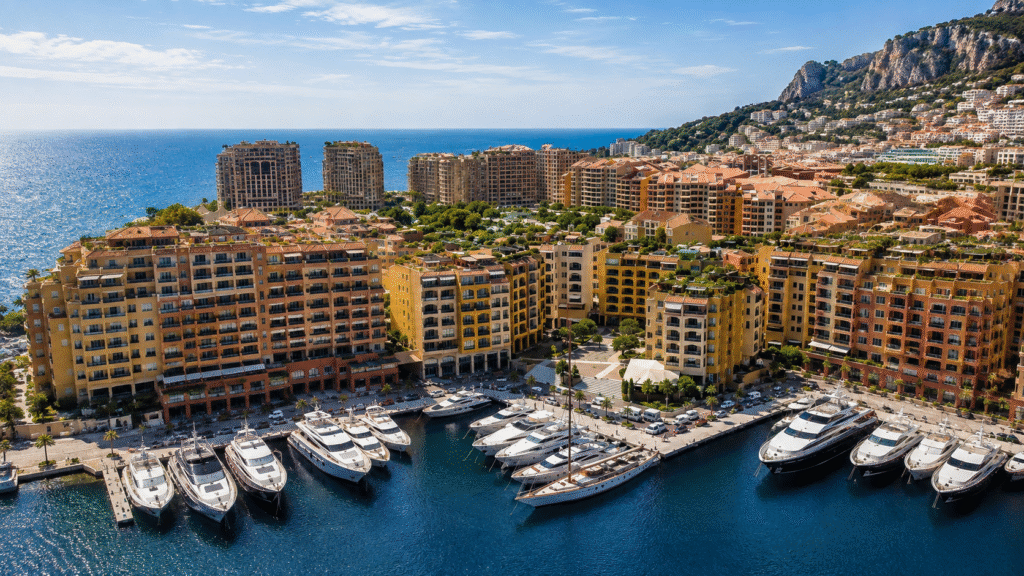
The smell of high-octane fuel mixes with the salt air near Port Hercules, a geographic bottleneck where wealth is measured in square meters rather than acreage. A starting price of $2.3 million in the Monaco real estate market does not buy a home. It buys a small studio apartment, often without a view, or a parking space in a prime building. The true penthouses and garden villas trade for well over a hundred million euros. The mechanism of real estate transactions in the principality is archaic and highly public. To sell a property, the owner must publish a notice in a local newspaper, the Journal de Monaco, for several consecutive weeks. This legal requirement, designed to prevent secret deals and protect creditors, ironically serves as a public signal to the market about who is liquidating assets. A younger generation of buyers might track these legal notices using an World’s Most Exclusive Waterfront Destinations while sitting in their private banker’s office, merging high-speed digital curation with old-world real estate mechanics. Space is so constrained that the government has resorted to reclaiming land from the sea. The Mareterra district is a six-billion-euro extension into the Mediterranean, built on a caisson system, offering a handful of new villas with private pools. The permanence of Monaco is entirely synthetic. The principality has no natural room for growth, meaning its future is literally built on engineered extensions into the ocean, a constant battle against the physical limitations of its rocky coastline.
FAQ
What is the cheapest entry point for waterfront property in ultra-wealthy markets?
Monaco and Lake Como both present entry prices around $2.3 million, but these figures are highly misleading. In Monaco, this amount secures a small parking space or a windowless studio, functioning more as a safe-deposit box than a residence. In Lake Como, $2.3 million buys a dated apartment requiring massive renovations. True waterfront homes in both markets routinely exceed twenty million dollars.
How do foreign buyers bypass strict waterfront property ownership laws?
Foreign buyers utilize complex legal structures tailored to each jurisdiction. In Switzerland, buyers establish Swiss-based residential companies to navigate the Lex Koller regulations. In Singapore’s Sentosa Cove, foreigners rely on the area’s special economic zone status, which grants exemptions to standard landed property bans. These mechanisms require significant legal fees and ongoing local corporate compliance.
Are waterfront mega-mansions actually liquid assets?
Waterfront properties in ultra-prime markets are notoriously illiquid. While the price per square meter is astronomically high, the pool of qualified buyers is incredibly small. Sellers often wait years to close a deal, accepting lower offers if the buyer can provide an all-cash transaction without financing contingencies. These homes are legacy assets, not short-term investments.
What hidden costs erode the value of owning coastal real estate?
The carrying costs of coastal properties often surprise novice ultra-wealthy buyers. Annual flood and wind insurance in places like Palm Beach can exceed a hundred thousand dollars. In Malibu, homeowners face mandatory geological surveys and the potential need to hire specialized contractors to move their houses backward due to coastal erosion. In Dubai, maintaining private desalination and vacuum sewer systems adds massive, ongoing operational expenses.
Why do billionaires prefer off-market transactions for waterfront homes?
Off-market transactions provide absolute privacy and prevent price anchoring. When a trophy waterfront home lists publicly, it sets a benchmark that affects the perceived value of the entire neighborhood. By trading through whisper networks and private wealth managers, billionaires can negotiate terms without public scrutiny, avoiding the spectacle that often accompanies high-profile real estate deals.