
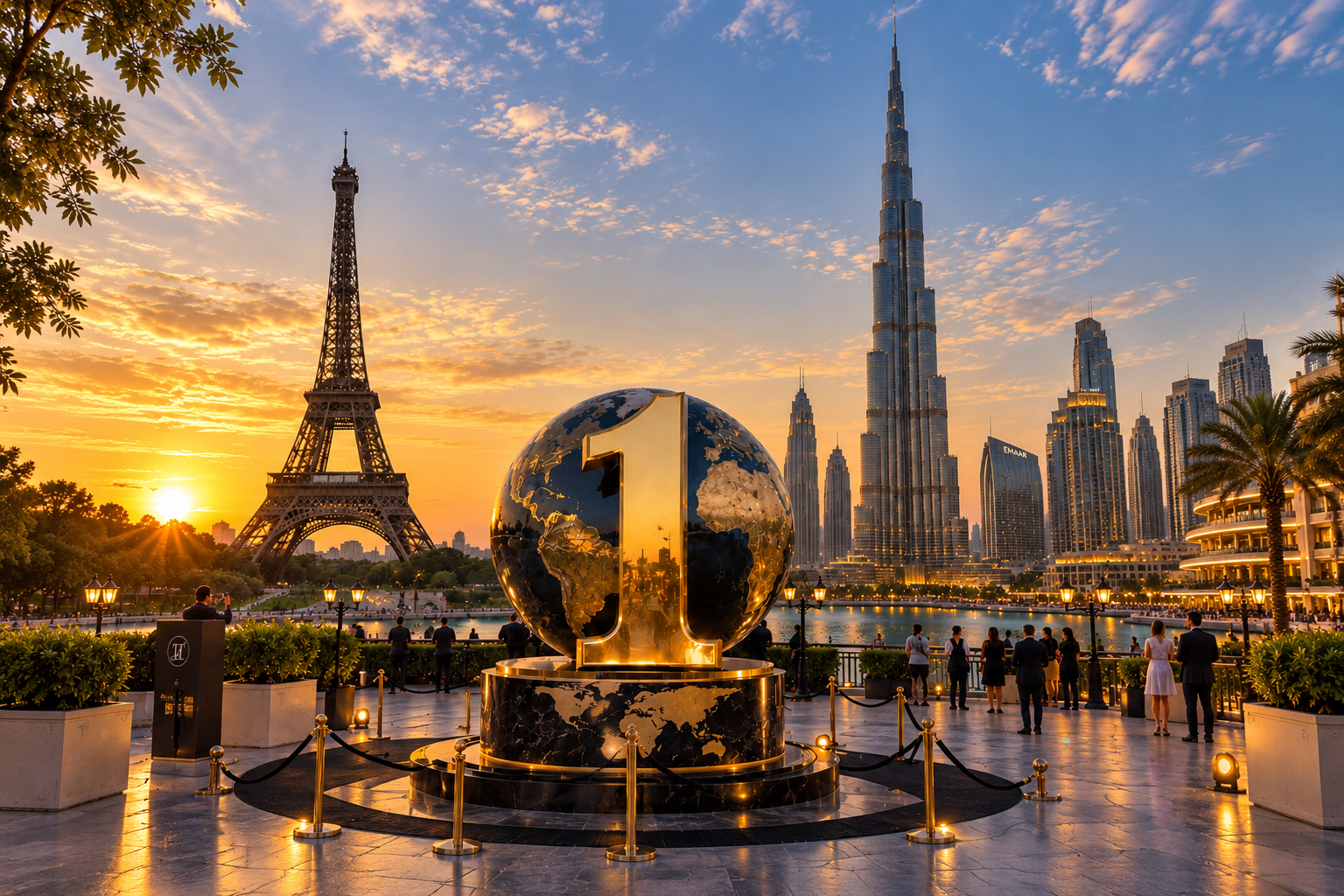
Mexico: The Volumetric Dominance of the Great Pyramid of Cholula

Standing inside the narrow, lamp-lit tunnels burrowed into the core of the Great Pyramid of Cholula, the air remains at a constant, cool temperature. The walls feature compacted earth mixed with crushed volcanic rock. Mexico holds the title for housing the world’s largest pyramid by volume. The structure measures 400 meters per side and reaches 66 meters in height. The total volume exceeds 4.5 million cubic meters. The mechanism of its construction involved a continuous architectural overlay. Successive civilizations built new structures over existing pyramids. They utilized a specific composite of adobe and tezontle. Tezontle is a porous volcanic stone. The builders crushed this stone and mixed it with local clay and lime. This composite provided extreme structural compressive strength. It also offered a unique moisture wicking property. The porosity of the tezontle allows the structure to breathe. It prevents the accumulation of water during the heavy rainy seasons. The core remains structurally sound because of this specific material science. The physical mass of the pyramid anchors the site. It dictates the topography of the surrounding town. The construction technique outlasted the civilizations that built it. The material integrity ensures the structure remains dominant.
Sweden: The Geological Architecture of the Archipelago

Navigating a rigid inflatable boat through the Stockholm archipelago at dawn, the granite outcrops glisten with residual frost. Sweden possesses more islands than any other nation globally. The count exceeds 267,000. The mechanism behind this geographic density is post-glacial isostatic rebound. The immense weight of the Pleistocene ice sheet depressed the Baltic crust. The ice melted approximately 10,000 years ago. The lithosphere began lifting. Sweden rises out of the sea at a rate of 8 millimeters per year. This geological mechanism creates a continuous emergence of new landmass. The bedrock consists of extremely hard Precambrian granite. The ice sheets scraped away the softer sedimentary layers. They left a highly fractured topography. The fractures allowed the sea to flood the low-lying valleys. This created the thousands of distinct islands. The wealthy residents here navigate these waterways in bespoke wooden vessels. They bypass the typical commercial circuits of European capitals. They completely ignore the predictable draw of Luxury Outlet Shopping. They invest in custom fiberglass hulls and hand-cast bronze hardware. The geological permanence of the bedrock ensures the archipelago will expand. The physical reality of the landscape dictates the maritime culture of the nation.
Australia: The Biological Mechanics of the Great Barrier Reef

Descending 18 meters below the surface of the Coral Sea, the acoustic profile of the ocean shifts completely. The clicking of pistol shrimp dominates the soundscape. Australia secures its position among the Countries That Rank No. 1 by hosting the world’s largest coral reef system. The Great Barrier Reef stretches over 2,300 kilometers. The mechanism of this massive biological structure relies on a symbiotic relationship between polyps and zooxanthellae. The coral polyps secrete calcium carbonate. They build the physical architecture of the reef. The zooxanthellae are algae living inside the polyp tissue. They photosynthesize. They provide the polyp with glucose and amino acids. This biological engine requires a specific thermal window. The water temperature must remain between 24 and 29 degrees Celsius. The reef features a massive genetic diversity. This diversity provides resilience against thermal bleaching events. The Australian government utilizes satellite imagery to monitor sea surface temperatures. They enforce strict zoning laws. They limit agricultural runoff that damages the water quality. The sheer scale of the biological infrastructure dictates the local economy. It forces a highly specialized maritime logistics network to support the research stations.
India: The Economic Engine of Maximum Film Production

Sitting in a soundproofed dubbing studio in Mumbai, the acoustic isolation reveals the exact frequency of a synthesized tabla beat. India produces more movies than any other nation globally. The output exceeds 2,000 films annually across multiple languages. The mechanism of this volume relies on a highly decentralized production model. Bollywood represents only a fraction of the output. The Tamil and Telugu industries operate massive independent studios. The financial structure bypasses traditional banking. Producers utilize a system of pre-selling distribution rights. They auction the territorial rights to different distributors before principal photography begins. This mechanism mitigates the financial risk. It allows continuous capital flow. The theaters operate on a strict tiered pricing model. They charge a premium for the first three days of release. The studios utilize a continuous production pipeline. They shoot films in 60-day schedules. The post-production facilities feature advanced digital intermediate color grading suites. The colorists manipulate the cyan and magenta channels to enhance the visual saturation. The output volume dictates the cultural export of the nation. The permanence of this industry relies on the continuous demand for localized narrative content.
Japan: The Hydronic Continuity of the Oldest Operating Hotel
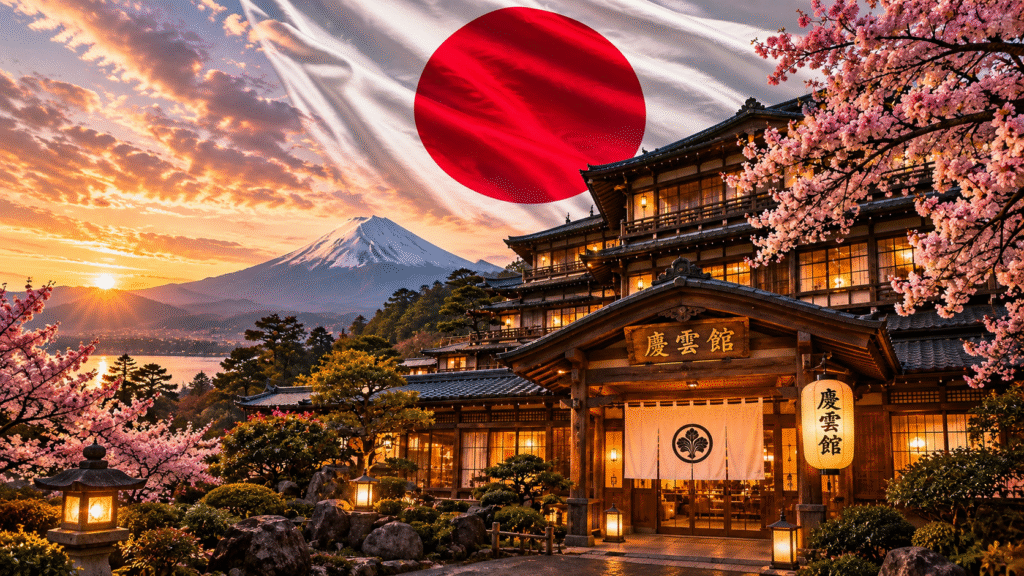
Stepping into the stone bath at Nishiyama Onsen Keiunkan, the sulfuric smell hits immediately. Japan holds the record for the world’s oldest continuously operating hotel. The inn has operated for over 1,300 years. The mechanism of this longevity is entirely geological. The hotel sits on a specific tectonic fault line. The water flows from a subterranean aquifer heated by magma. The hotel pipes this water directly into the baths. The plumbing utilizes gravity-fed pressure. The water flows through hand-hewn Hinoki cypress pipes. The wood contains specific natural oils that prevent bacterial growth. The family operates the hotel using a strict inheritance protocol. The ownership transfers to the next generation. The physical structure undergoes continuous renewal. The carpenters replace the wooden beams and the tatami mats on a strict schedule. The stone foundation remains untouched. The mechanism of the business model relies on the absolute consistency of the water source. The geothermal heat provides the core utility of the business. The permanence of the hotel is tied to the tectonic stability of the region. The physical reality of the geology dictates the 52 generations of continuous operation.
Norway: The Grid Integration of the 2025 EV Dominance

Standing in a subterranean parking facility in Oslo, the acoustic profile is unnervingly quiet. Norway achieved the world’s highest share of electric vehicles in new car sales in 2025. The market share exceeded 95 percent. The mechanism behind this transition is a specific economic architecture. The government levied massive taxes on internal combustion engines. They simultaneously exempted EVs from these taxes. They allowed EVs to use bus lanes. They eliminated toll charges. The grid infrastructure handles the load through a specialized vehicle-to-grid integration protocol. The charging stations feature bidirectional inverters. The cars charge during off-peak hours. The grid draws power back from the batteries during peak evening demand. The EVs act as a decentralized battery storage network. The Norwegian electrical grid relies entirely on hydropower. The water flows through massive Francis turbines. The power is completely renewable. The fast-charging network utilizes liquid-cooled cables. The cooling allows a higher continuous amperage. The charging time drops to 18 minutes. The structural reality of the grid allows this massive adoption. The permanence of this shift dictates the complete elimination of local retail fuel infrastructure.
South Africa: The Altitude Physiology of Rugby Supremacy

Standing on the pitch at Ellis Park in Johannesburg, the air feels notably thin. South Africa holds the most Men’s Rugby World Cup titles. The mechanism of this physiological advantage is altitude. Johannesburg sits at 1,750 meters above sea level. The reduced oxygen pressure forces the human body to adapt. The players who train at this altitude experience an increase in erythropoietin production. Their kidneys release this hormone. The bone marrow produces more red blood cells. The hemoglobin concentration increases. The blood carries more oxygen to the muscle tissue. This provides a distinct cardiovascular advantage during the 80 minutes of play. The national team features massive forwards. The genetics of the local population combined with the altitude training creates a specific physical archetype. The scrum requires massive localized force. The forwards generate a combined force of 8,000 Newtons. The physiological adaptation allows them to sustain this force without accumulating lactic acid. The permanence of this biological advantage is geographically fixed. The highveld altitude dictates the physical conditioning of the team. The physiology of the players secures the national dominance in the sport.
Colombia: The Speciation Engine of Avian Diversity
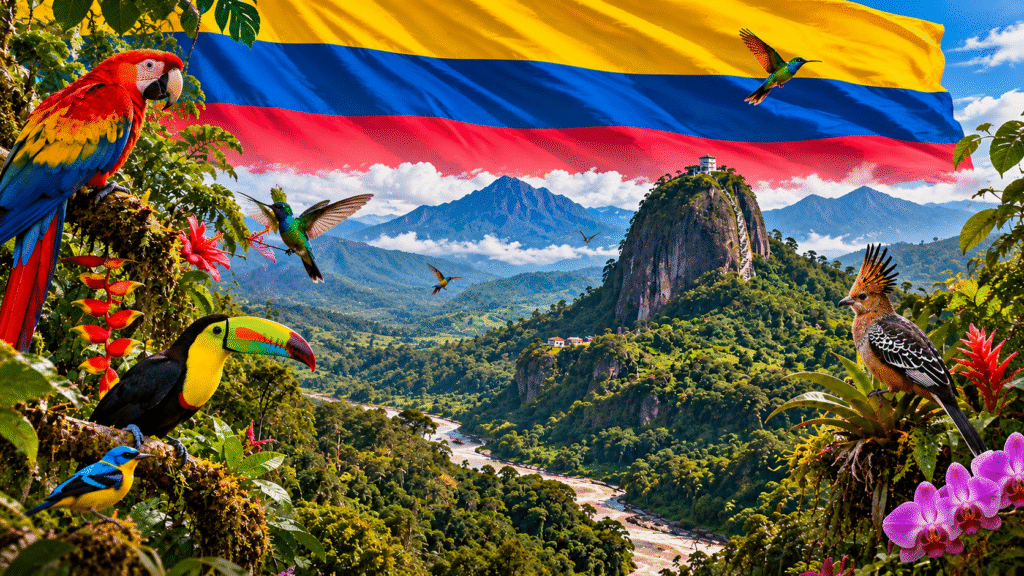
Walking a narrow ridge in the Andes in Colombia, the dense fog breaks to reveal a quetzal. Colombia ranks number one globally in bird species. The country hosts over 1,900 distinct species. The mechanism of this density is altitudinal speciation. The Andes mountain range creates a series of isolated ecological niches. The mountains rise sharply. They create distinct thermal zones. The sea level jungle transitions into cloud forest. The cloud forest transitions into paramo. Each zone features a specific temperature and humidity profile. The birds adapt to these specific microclimates. The rugged topography prevents cross-breeding. The populations diverge over thousands of years. The geological uplift of the Andes created this biological engine. The Colombian government enforces strict anti-logging protocols in these zones. The conservationists utilize acoustic monitors to track the mating calls of rare species. The sheer density of the vertical habitat dictates the evolutionary divergence. The physical geography forces the species to specialize. The biological diversity is a direct result of the tectonic uplift that created the mountains.
China: The Tensile Stress of the Longest High-Speed Rail

Riding in a CR400AF train at 350 kilometers per hour, the water in a glass on the tray table remains perfectly still. China possesses the world’s longest high-speed rail network. The tracks span over 45,000 kilometers. The mechanism of this infrastructure is continuous welded rail. The steel rails are welded together. They form a single continuous piece of metal. The engineering challenge is thermal expansion. The engineers tension the rails. They subject the steel to a specific tensile stress. They anchor the rails to heavy concrete sleepers. The sleepers sit on a massive vibration-dampening layer of crushed stone. The trains utilize an advanced active suspension system. The system features accelerometers on the bogies. The sensors detect microscopic track irregularities. The hydraulic actuators adjust the suspension in milliseconds. This isolates the passenger cabin from the track vibration. The electrical infrastructure features an overhead catenary system. The pantograph maintains a constant pressure of 120 Newtons on the wire. The engineering ensures zero power arcing at high speed. The rail network alters the economic geography of the nation. It forces a continuous concentration of capital along the track corridors.
Brazil: The Spatial Compression of Futsal Development

Standing on the hardcourt of a futsal facility in Sao Paulo, the sound of the ball echoes sharply off the surrounding walls. Brazil holds the most Men’s FIFA World Cup titles. The mechanism of this skill development is futsal. The youth players train exclusively on small courts. The ball is heavier and has a reduced bounce coefficient. The reduced space forces the players to process spatial data faster. The ball moves in tight trajectories. The players must execute passes in fractions of a second. The cognitive processing speed of the Brazilian players develops at an accelerated rate. The dense urban environment of Brazil lacks large grass pitches. The concrete courts are everywhere. The continuous repetition in a compressed environment hardwires specific motor skills. The players develop a unique proprioception. They sense the exact position of their teammates without looking. The physical constraints of the urban environment dictate the style of play. The permanence of this talent pipeline relies on the ubiquity of the hardcourt. The architecture of the city creates the cognitive architecture of the player.
Bolivia: The Solar Evaporation Mechanics of the Largest Salt Flat

Standing on the surface of the Salar de Uyuni in Bolivia, the blinding white crust stretches to the horizon. Bolivia possesses the world’s largest salt flat. The flat covers 10,000 square kilometers. The mechanism of its formation is geological. The Andes mountain range cut off the drainage of a massive prehistoric lake. The water evaporated. It left behind a layer of halite up to 120 meters thick. The surface remains perfectly flat. It acts as a massive geographic mirror during the rainy season. A thin layer of water covers the salt. The engineering value of this flat extends beyond tourism. The crust contains a massive reserve of lithium brine. The extraction mechanism involves pumping the brine into massive evaporation ponds. The intense solar radiation at 3,600 meters altitude accelerates the evaporation. The water evaporates. The lithium concentration increases. The physical reality of the salt flat provides the raw material for the global battery supply chain. The geological permanence of the salt flat dictates its economic importance. The sheer scale of the evaporite mineral deposit ensures Bolivia remains a critical node in the global economy.
Egypt: The Argon Microclimates of the Grand Egyptian Museum
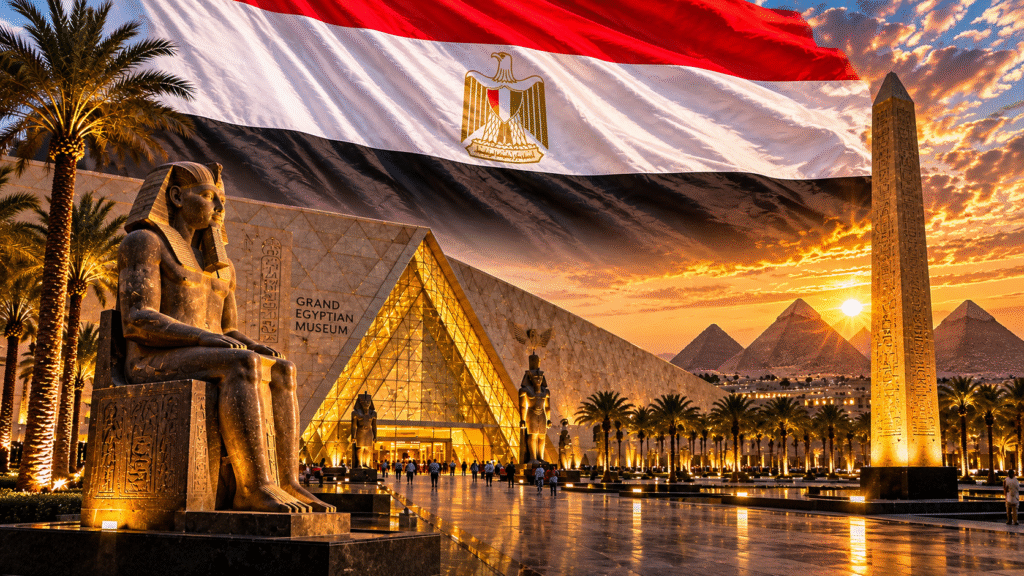
Standing in the conservation lab of the Grand Egyptian Museum, the technicians handle a 3,000-year-old golden funerary mask with nitrile gloves. Egypt is home to the world’s largest museum dedicated to a single civilization. The mechanism of the preservation is advanced environmental engineering. The display cases feature argon gas displacement. The technicians purge the sealed cases with argon. The heavy inert gas displaces the oxygen. This prevents the oxidation of the ancient organic pigments. It halts the degradation of the papyrus fibers. The museum utilizes a massive displacement ventilation system. The conditioned air enters the galleries through low-level floor grilles. The air rises naturally. It absorbs the heat generated by the visitors. It exits through high-level exhaust louvers. This eliminates the need for forced-air ductwork. The lighting system features specialized LEDs. The diodes emit zero ultraviolet radiation. They operate at a specific color temperature of 3000 Kelvin. This enhances the visual warmth of the gold artifacts without causing photochemical damage. The structural engineering of the museum isolates the exhibits from the seismic activity of the region. The foundation features specialized base isolators. These mechanical bearings absorb the horizontal acceleration of an earthquake. The physical architecture of the museum ensures the permanence of the artifacts. The engineering guarantees the historical record survives the next millennium.
FAQ
What defines the Countries That Rank No. 1 in specific metrics?
The nations securing top global rankings rely on highly engineered physical infrastructure or specific unalterable geographic advantages. The mechanism behind their supremacy involves extreme capital concentration, specialized legal frameworks, and continuous technological adaptation that bypasses standard global supply chain friction.
How does geographic scale impact a country ability to rank first globally?
Smaller nations often achieve top rankings in per capita metrics due to a concentrated specialization in high yield sectors. Norway and Sweden utilize specific geographic and geological realities to drive massive adoption of advanced technology and sustainable maritime infrastructure.
Why do Countries That Rank No. 1 in biological diversity often have extreme topographies?
Nations like Colombia and Australia achieve top rankings in biological diversity because their specific extreme topographies preserve isolated ecological niches. The rapid elevation gain of the Andes creates distinct thermal zones, forcing rapid evolutionary divergence and speciation among local fauna.
How do nations maintain their number one ranking in massive infrastructure projects?
Maintaining a top ranking in technological infrastructure requires a continuous capital expenditure cycle. China and Egypt bypass standard maintenance models, completely replacing their physical infrastructure on a continuous timeline to ensure zero operational latency in their high-speed rail networks and museum conservation systems.
What role does material science play in the longevity of historical structures?
The longevity of historical structures like the Great Pyramid of Cholula and the Nishiyama Onsen Keiunkan relies entirely on specific material science and geological placement. The use of porous volcanic tezontle in Mexico wicks moisture away from the core, while the geothermal fault line in Japan provides a continuous utility source for over a millennium.