A Glass Building Beside the Bois de Boulogne
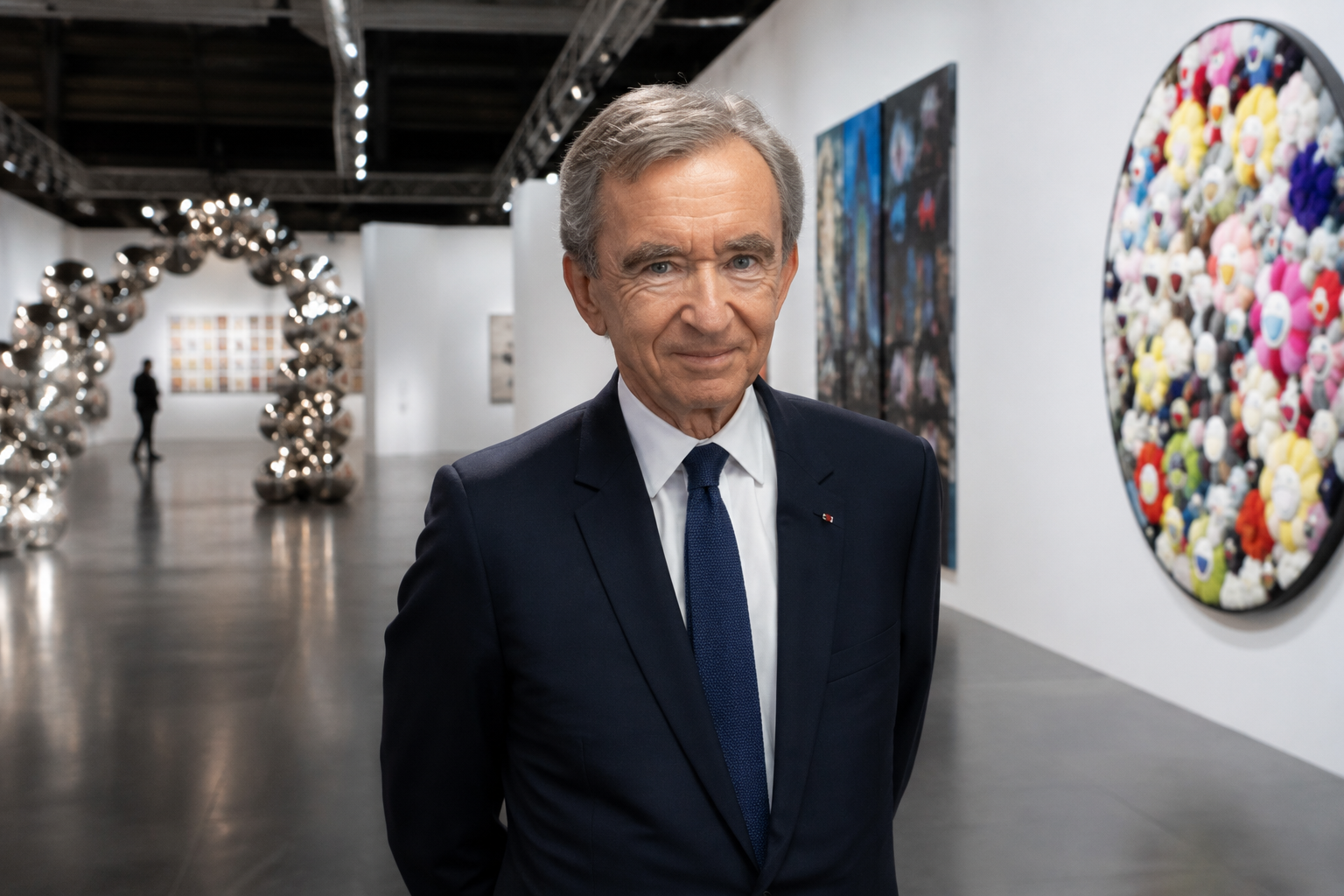
The morning light moves across curved glass panels while visitors drift through galleries that feel closer to contemporary cathedrals than museums. Outside, Paris continues its rhythm. Inside, paintings, sculptures, installations, and architectural spaces create a different conversation about luxury. The collection does not announce itself through auction headlines or private vault rumors. It exists through institutions, patronage, architecture, and carefully curated experiences. This approach defines the Bernard Arnault art empire LVMH collection, a cultural strategy that extends far beyond personal collecting. Rather than building visibility through record-breaking purchases alone, Bernard Arnault has gradually connected art, fashion, architecture, philanthropy, and brand identity into one of the most influential cultural ecosystems in modern luxury. The empire functions quietly, yet its influence reaches museums, global artists, luxury maisons, and the broader definition of contemporary prestige.
Why Art Became a Strategic Luxury Asset
Luxury has always maintained a relationship with art, although Bernard Arnault elevated that relationship into a long-term business philosophy. Paintings and sculptures are not treated merely as investments or decoration. They become expressions of creativity that reinforce the values luxury brands seek to communicate. Exceptional craftsmanship, originality, heritage, and cultural influence exist equally in fine art and high fashion. By integrating artistic thinking throughout the LVMH ecosystem, Arnault positioned culture as a strategic asset rather than a supporting activity. This approach transformed collecting into something significantly broader than ownership. It became an ongoing conversation about innovation, identity, and permanence.
The Collector Who Rarely Performs Collecting
Many prominent collectors build public identities around acquisitions and auction appearances. Bernard Arnault follows a noticeably different path. His collecting style emphasizes discretion, institutional engagement, and long-term cultural impact rather than public spectacle. Significant works often appear within carefully curated exhibitions rather than private headlines. Architectural projects receive as much attention as individual artworks. This understated approach mirrors broader luxury principles where influence grows through consistency instead of constant visibility. The collection therefore acquires authority through quiet accumulation rather than dramatic moments of acquisition.
The Foundation That Changed Paris
No discussion of the Bernard Arnault art empire LVMH collection can begin anywhere other than the extraordinary cultural institution designed to house contemporary creativity. The building itself functions as an artwork, redefining expectations for private cultural investment. Visitors arrive expecting a museum and discover an immersive architectural experience where light, scale, and landscape become part of the exhibition. This decision reveals an important philosophy. Art deserves environments capable of expanding its meaning rather than simply displaying objects. Architecture becomes the first collection guests encounter before seeing a single painting or sculpture.
Beyond Paintings: Building a Cultural Ecosystem
The most fascinating aspect of Arnault’s approach lies in its breadth. The collection extends beyond canvases into architecture, installations, design collaborations, fashion exhibitions, performance spaces, and educational initiatives. This multidisciplinary strategy reflects a contemporary understanding of culture where artistic disciplines constantly influence one another. Fashion inspires architecture. Sculpture informs product design. Contemporary installations reshape retail experiences. The result is an interconnected ecosystem rather than an isolated collection. Every acquisition strengthens a broader narrative centered on creativity and craftsmanship.
Mechanism Reveal: How Art Strengthens Luxury Brands
The relationship between art and luxury operates through subtle mechanisms often overlooked by casual observers. Museums create cultural credibility. Architectural landmarks generate global recognition. Artist collaborations introduce fresh creative perspectives. Exhibitions attract audiences that extend beyond traditional luxury consumers. The Bernard Arnault art empire LVMH collection functions as an intellectual infrastructure supporting multiple maisons without relying on direct commercial messaging. Rather than advertising products, the ecosystem reinforces values such as originality, excellence, innovation, and long-term vision. Culture quietly enhances brand equity through association rather than promotion.
Contemporary Artists and the Language of Modern Prestige
Arnault’s collecting philosophy consistently demonstrates interest in artists shaping contemporary conversations rather than simply preserving historical narratives. Contemporary works introduce experimentation, challenge assumptions, and encourage dialogue. They align naturally with luxury brands seeking continual reinvention while maintaining heritage. By supporting living artists alongside established masters, the collection remains dynamic rather than archival. This balance ensures ongoing cultural relevance and positions LVMH within broader creative communities extending far beyond fashion.
Architecture as the Most Valuable Artwork
Some collectors acquire buildings to protect collections. Arnault appears equally interested in buildings as cultural statements themselves. Architectural commissions receive extraordinary attention because they shape visitor experiences before artworks are encountered. Glass, steel, landscape, circulation, and natural light all become curatorial tools. The building participates in the collection rather than simply containing it. This philosophy distinguishes the broader art empire from many private collections focused exclusively on objects. Space itself becomes part of the artistic narrative.
Why Luxury and Art Share the Same Audience
Collectors, fashion clients, designers, entrepreneurs, and cultural institutions increasingly overlap. They appreciate craftsmanship, rarity, originality, and long-term significance across multiple disciplines. Arnault recognized these connections early and developed a strategy reflecting shared values rather than separate markets. Visitors who experience exhibitions often deepen their understanding of luxury through artistic context. Luxury clients encounter contemporary creativity within environments designed to inspire rather than sell. The relationship feels natural because both worlds celebrate exceptional human creativity.
Influence Without Auction Headlines
Public attention frequently focuses on record-breaking auction prices, yet lasting cultural influence often develops through quieter decisions. Supporting institutions, commissioning architecture, funding exhibitions, and providing platforms for artists create long-term impact extending beyond individual transactions. Arnault’s cultural strategy demonstrates that influence does not require constant public visibility. Instead, sustained investment in creative infrastructure gradually reshapes conversations around art, design, and luxury. The collection grows through continuity rather than spectacle.
The Investment Philosophy Behind the Collection
Although individual artworks may appreciate significantly, the broader strategy appears remarkably patient. Cultural relevance compounds over decades rather than financial quarters. Institutions gain authority through consistent programming. Architectural landmarks become destinations through repeated visitation. Relationships with artists evolve over time. This perspective aligns closely with luxury brand building itself. Enduring value emerges through disciplined long-term commitment rather than rapid acquisition cycles. The art empire therefore functions as a multigenerational investment in cultural capital.
How LVMH Benefits From Cultural Leadership
The connection between artistic patronage and luxury leadership extends beyond image. Creative environments attract exceptional talent. Collaborations generate innovation. Cultural institutions strengthen global reputation. Clients increasingly seek brands participating meaningfully within broader creative conversations. By embedding art deeply into the identity of the group, LVMH reinforces its position as more than a collection of luxury labels. It becomes a cultural institution operating across fashion, design, architecture, and contemporary creativity.
The Future of the Bernard Arnault Art Empire LVMH Collection
The next chapter will likely emphasize expanding dialogue rather than simply increasing size. Digital experiences, immersive exhibitions, emerging artists, sustainable architecture, and interdisciplinary collaborations may reshape how audiences engage with collections. Younger generations increasingly value participation over ownership and experiences over exclusivity. The art empire appears well positioned to evolve alongside those preferences while maintaining its commitment to craftsmanship and cultural excellence. Growth may become less visible yet even more influential.
The Quiet Collection That Changed Luxury
The most remarkable aspect of the Bernard Arnault art empire LVMH collection is not the number of artworks or the scale of investment. It is the realization that collecting can become a cultural strategy rather than a private hobby. Architecture, exhibitions, contemporary artists, and luxury maisons combine to create an ecosystem where creativity reinforces influence without relying on constant publicity. Long after market valuations shift and trends evolve, institutions remain. Buildings continue welcoming visitors. Art continues generating conversation. That permanence may ultimately represent the most valuable masterpiece within the entire collection.
FAQ
What is the Bernard Arnault art empire?
It refers to Bernard Arnault’s extensive cultural influence through private collecting, institutional support, architectural projects, and artistic initiatives connected to the broader LVMH ecosystem.
Why is the LVMH art collection significant?
The collection integrates contemporary art, architecture, design, and cultural programming into a long-term strategy that strengthens luxury brand identity and global cultural influence.
Does Bernard Arnault collect contemporary art?
Yes. His collecting philosophy is widely associated with supporting contemporary artists, innovative exhibitions, and institutions that encourage ongoing creative dialogue.
How does art benefit luxury brands?
Art reinforces craftsmanship, originality, creativity, and cultural relevance while creating meaningful experiences that extend beyond traditional product marketing.
Why is Bernard Arnault considered an influential art patron?
His long-term investment in museums, architecture, exhibitions, artists, and cultural institutions has helped shape conversations around contemporary art and luxury on an international scale.