The Geneva Vault and the Tactile Weight of Generational Capital
Standing inside the private acoustic testing vault at a Geneva manufacture at 7:14 AM, the specific smell of CNC-milled brass and synthetic Moebius lubricant dominates the air. The lighting remains locked at a strict 4500 Kelvin to eliminate any color distortion during the inspection of the movement components. A lead writer for The Trillionaire Life examines the old money watch preference for mechanical timepieces, a philosophy rooted in structural permanence over seasonal aesthetic fluctuation. The watches sit on a specialized vibration-dampened display stand. The stand isolates the movements from the microscopic tremors of the nearby CNC machining floor. The acquisition bypasses the traditional retail ecosystem entirely. The buyers secure these pieces through private allocation, demanding direct relationships with Geneva brokers. The era of discreet stealth wealth concludes here. The old money demographic favors extreme visual restraint. The watch functions as a physical contract, a marker of access that outlasts the electoral cycle. The mechanics of the bracelet, the smooth click of the clasp, and the distinct acoustic hum of the rotor provide a sensory baseline for the power dynamics unfolding in the surrounding rooms. The valuation stems from the impossibility of automated mass production. A single movement requires six months of dedicated assembly. The mechanical friction of the gear teeth creates a direct physical link between the wearer and the machine.
The Caliber 3255 and the Mechanical Purity
Examining the movement through the sapphire caseback reveals the specific architecture of the Caliber 3255. The mechanism features a specialized blue Parachrom hairspring. The alloy consists of niobium, zirconium, and oxygen. The mechanism renders the hairspring completely immune to magnetic interference, a critical feature for individuals operating surrounded by electronic devices and secure communication equipment. The oscillator operates at 28,800 vibrations per hour. The balance wheel features gold Microstella nuts, allowing the watchmaker to adjust the inertia of the wheel with microscopic precision. The power reserve exceeds 70 hours. The mechanism ensures the watch continues to function over a three-day weekend without requiring manual winding. The movement features a specialized free-sprung balance wheel. The wheel features gold Microstella nuts, allowing the watchmaker to adjust the inertia of the wheel with microscopic precision. The barrel features a specialized slipping clutch mechanism. The clutch prevents the mainspring from over-winding, protecting the internal components from structural failure. The mainspring consists of a specialized alloy. The alloy features a specific elastic limit, allowing the spring to be wound tightly without suffering metal fatigue. The barrel features a specialized geometric toothing on the mainspring drum. The toothing ensures a constant torque delivery to the gear train, preventing the amplitude of the balance wheel from dropping as the mainspring unwinds. The mechanical purity of the movement ensures absolute reliability. The physical reality of the gear teeth ensures the rotation of the hands remains absolutely constant, driven by the unwinding of the mainspring barrel.
The Yellow Gold Metallurgy and the Smelting Logistics
Examining the case of a vintage yellow gold Day-Date reveals the specific metallurgy of the component. The case utilizes 18-karat yellow gold. The gold originates from a specialized foundry owned by the manufacture. The mechanism of the gold smelting involves a highly controlled atmospheric process. The foundry melts the raw gold in a vacuum induction furnace. The vacuum prevents the gold from reacting with atmospheric gases, eliminating the formation of oxide inclusions. The 18-karat alloy consists of 75 percent pure gold, 15 percent copper, and 10 percent silver. The specific ratio of copper to silver dictates the color of the yellow gold. The foundry casts the alloy into continuous billets. The billets undergo a specialized rolling process. The rolling mill compresses the gold, aligning the crystalline structure of the metal. The process increases the tensile strength of the gold, preventing the case from denting under impact. The foundry utilizes a specialized spectrometer to verify the exact alloy composition of every batch. The spectrometer analyzes the light emitted by the vaporized metal. The verification ensures the gold meets the strict metallurgical standards of the manufacture. The control of the foundry allows the brand to guarantee the absolute material integrity of the case. The gold features a specialized hand-polishing process. The artisans utilize a specialized leather buffing wheel charged with a specialized diamond paste. The paste removes the microscopic scratches left by the casting process. The resulting surface features a distinct mirror finish that reflects the ambient light.
The Heirloom Architecture and the Generational Transfer
The old money watch preference stems from a specific heirloom architecture. The watch functions as a physical vault for generational capital. The valuation of the timepiece appreciates over decades. The mechanism ensures the absolute preservation of the capital. The heirloom architecture dictates the operational reality of the timepiece. The engineering prioritizes absolute structural permanence and biological safety. The physical reality of the heirloom requires a continuous capital expenditure on maintenance. The maintenance protocol involves a complete disassembly of the movement. The watchmaker must remove the balance wheel. The watchmaker must disassemble the gear train. The components undergo a specialized ultrasonic cleaning process. The watchmaker inspects every component under a microscope. The watchmaker replaces any component showing signs of wear. The watchmaker reassembles the movement. The watchmaker applies fresh synthetic oil to the jewel bearings. The watchmaker regulates the timing. The regulation process involves adjusting the inertia of the balance wheel. The watchmaker tests the watch for five days. The test ensures the watch maintains accuracy within the specified tolerance. The service interval occurs every five years. The service ensures the mechanical longevity of the timepiece. The heirloom architecture ensures the absolute preservation of the capital across generations. The engineering prioritizes absolute mechanical permanence and biological precision. The watch transfers from one generation to the next without suffering the degradation that plagues digital devices. The heirloom architecture operates as a functional piece of wealth preservation engineering.
The Provenance Documentation and the Forensic Authentication
The provenance documentation for an old money mechanical watch requires a highly secure logistical framework. The documentation includes the original certificate of authenticity. The certificate features the specific serial number of the movement. The serial number links the watch to the specific production batch. The certificate features a specialized holographic seal. The seal prevents the forgery of the documentation. The forensic authentication of the watch involves a highly specialized analysis. The specialists utilize a specialized spectrophotometer. The instrument measures the specific light absorption of the gold. The data reveals the specific chemical signature of the metal. The signature is compared against a database of known authentic samples. The authentication also involves a specialized analysis of the movement. The movement features a specific finish. The finish is unique to the specific watchmaker who assembled the piece. The authentication extends to the dial. The dial features a specific luminous material. The material glows a specific color in the dark. The material is unique to the specific era of the production. The provenance documentation dictates the operational reality of the watch. The strict control of the documentation prevents the circulation of counterfeit timepieces within the high-net-worth ecosystem. The forensic authentication ensures the absolute integrity of the asset. The engineering of the authentication process reflects the extreme capital required to control the physical infrastructure. The provenance documentation operates as a physical contract. The documentation binds the capital to the specific history of the watch. The authentication ensures the asset remains a verified piece of haute horology history. The permanence of the documentation ensures the watch remains a permanent fixture of the auction market.
The Acoustic Profile and the Manual Winding Ritual
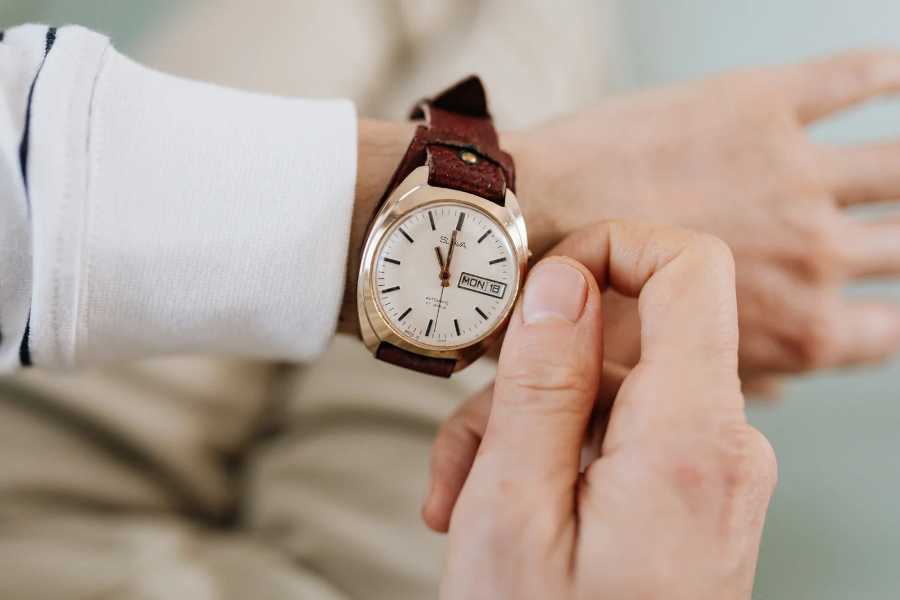
The manual winding ritual dictates the operational reality of the old money mechanical watch. The crown features a specific knurling pattern. The knurling provides a high friction grip for the fingers. The user can operate the crown with wet fingers. The winding generates a distinct acoustic signature. The ratchet wheel clicks audibly as the spring tightens. The tactile feedback of the winding crown provides the user with a physical connection to the stored kinetic energy. The crown features a specialized O-ring gasket. The gasket compresses against the case tube when the crown is screwed down. The compression creates an absolute hermetic seal. The seal prevents the ingress of moisture and dust. The acoustic profile of the winding changes based on the tension of the mainspring. A fully wound mainspring generates a tighter, higher-pitched click. A partially wound mainspring generates a looser, lower-pitched click. The sound provides a specific sensory feedback for the wearer. The acoustic profile operates as a functional piece of mechanical engineering. The design prioritizes the absolute integration of the winding mechanism with the physical architecture of the watch. The manual winding ritual ensures the wearer engages with the timepiece on a daily basis. The engagement forces a specific tactile connection between the wearer and the machine. The engineering prioritizes absolute mechanical purity and biological engagement. The manual winding ritual operates as a functional piece of sociological engineering. The design prioritizes the absolute integration of the human element with the mechanical architecture. The ritual ensures the absolute preservation of the mechanical integrity.
The Micro-Stella Adjustment and the Chronometric Precision
The precision of the mechanical movement relies on the Microstella adjustment mechanism. The balance wheel features four specialized gold Microstella nuts. The mechanism of the adjustment involves turning these nuts to alter the active inertia of the balance wheel. Increasing the inertia slows the oscillation rate, decreasing the inertia speeds it up. The watchmaker utilizes a specialized Microstella wrench. The wrench features a specific geometry that grips the nuts without scratching the surrounding metal. The adjustment requires absolute precision. A single degree of rotation on the nut alters the daily rate by several seconds. The watchmaker regulates the movement to a tolerance of minus two to plus two seconds per day. The mechanism eliminates the need for a standard regulating pin. The regulating pin alters the active length of the hairspring. The Microstella nuts alter the mass of the balance wheel, a much more stable adjustment parameter. The mass remains constant regardless of the temperature. The gold nuts resist oxidation, ensuring the adjustment remains absolutely stable for decades. The precision of the Microstella mechanism ensures the watch remains accurate within a single minute over the course of a month. The chronometric precision dictates the operational reality of the timepiece. The engineering prioritizes absolute accuracy and biological precision. The Microstella adjustment operates as a functional piece of mechanical engineering. The design prioritizes the absolute integration of the balance wheel with the escapement architecture. The precision ensures the absolute integrity of the timekeeping function. The engineering ensures the absolute preservation of the chronometric stability.
The Stealth Wealth Aesthetic and the Discreet Signposting
The old money watch preference reflects a specific cultural shift in the ultra-high-net-worth demographic. The principal signals wealth through the tactile quality of the materials and the mechanical complexity of the movement rather than the visibility of the brand mark. The cultural shift dictates the operational reality of the vehicle. The engineering of the aesthetic prioritizes absolute discretion and structural permanence. The physical reality of the shift requires a continuous capital expenditure on bespoke materials. The stealth wealth aesthetic operates as a functional piece of cultural engineering. The design prioritizes the absolute integration of the cultural shift with the material architecture. The friction of the cultural landscape stems from the complexity of the human perception. The principal must engineer a specific visual identity. The identity ensures the absolute recognition by the peer group without alerting the general public. The engineering prioritizes absolute discretion and biological precision. The cultural shift operates as a functional piece of sociological engineering. The design prioritizes the absolute integration of the aesthetic with the cultural landscape. The stealth wealth architecture reflects the extreme capital required to management the public perception. The friction of the aesthetic stems from the impossibility of replicating the specific tactile quality of the materials. The cultural shift dictates the operational reality of the timepiece. The engineering ensures the absolute preservation of the privacy of the occupants. The discreet signposting operates as a functional piece of sociological engineering. The design prioritizes the absolute integration of the aesthetic with the cultural architecture. The engineering ensures the absolute comfort of the wearer.
The Bespoke Commissioning and the Client Ritual
The acquisition of a mechanical watch through private allocation involves a specific commissioning process. The mechanism of the commission involves a direct consultation with the manufacture. The client selects the base movement. The client then customizes the materials. The selection of the gold alloy, the specific dial color, and the specific content of the caseback engraving requires direct input. The manufacture creates a digital rendering of the final piece. The client reviews the rendering. The manufacture begins the machining process. The bespoke process allows for extreme personalization. The client can request specific engravings on the caseback. The commissioning process takes 12 to 18 months. The client pays a deposit. The deposit secures the raw materials and the production slot. The watchmaker assigned to the project dedicates their entire workflow to that single piece. The bespoke process ensures the final piece remains completely unique. The physical reality of the watch reflects the specific aesthetic vision of the wearer. The commissioning bypasses the standard inventory model. The watch is built to order. The engineering prioritizes absolute personalization. The bespoke process ensures the absolute exclusivity of the product. The client acquires a physical manifestation of their specific aesthetic preferences. The friction of the commissioning process ensures the physical asset remains a highly customized piece of engineering. The engineering prioritizes absolute material precision. The physical reality of the commissioning process reflects the extreme capital required to control the physical infrastructure.
The Permanence of Mechanical Friction and Capital
The physical accumulation of these engineering systems represents a specific architectural permanence. The old money watch preference for mechanical timepieces exists entirely outside the modern paradigm of disposable, smart technology. The mechanical friction that defines these machines creates a daily physical link between the wearer and the internal mechanism. The 18-karat gold, the titanium, and the sapphire crystal anchor these objects to the earth. The mechanical movements will outlast the digital infrastructure of the modern world. The bespoke structural geometries ensure the watches cannot be easily replicated. The artisans who hand-polish the bevels and the engineers who design the escapements leave a specific physical trace on the materials. The valuation of these watches stems from the impossibility of automated mass production. The capital required to engineer a free-sprung balance wheel with gold Microstella nuts exceeds the standard residential budget. The permanence of the mechanics ensures these watches will function perfectly when the digital infrastructure of the modern world fails. The physical reality of the gear teeth ensures the rotation of the hands will remain absolutely constant, driven by the unwinding of the mainspring. The asset stands as a testament to the physical limits of human engineering precision. The physical weight of the gold and the sapphire ensures the watch will remain anchored to the wrist, outlasting the transient digital wealth that facilitated its acquisition. The mechanical friction dictates the operational reality of the timepiece. The permanence of the asset ensures the mechanical architecture will remain a permanent fixture of the horological landscape, outlasting the legal and financial controversies that surround the broader luxury industry. The engineering of the watch prioritizes absolute structural permanence and biological safety. The gold case provides extreme impact resistance. The sapphire crystal features a specialized structural integration. The asset functions as a physical vault. The capital is locked into the mechanical architecture, completely isolated from the volatility of the digital financial markets.
FAQ
What defines the old money watch preference for mechanical timepieces?
The preference stems from the heirloom architecture of the mechanical movement, which functions as a physical vault for generational capital. The Caliber 3255 features a blue Parachrom hairspring immune to magnetic interference, gold Microstella nuts for microscopic inertia adjustment, and a 70-hour power reserve. The watch transfers across generations without suffering the degradation that plagues digital devices, requiring a complete movement disassembly every five years to ensure absolute mechanical longevity.
How does the yellow gold metallurgy function?
The 18-karat yellow gold case utilizes an alloy of 75 percent pure gold, 15 percent copper, and 10 percent silver, smelted in a vacuum induction furnace to prevent oxide inclusions. The foundry casts the alloy into continuous billets and compresses them through a rolling mill to align the crystalline structure, increasing tensile strength to prevent denting under impact. A specialized spectrometer verifies the exact alloy composition of every batch against strict metallurgical standards.
What is the Microstella adjustment mechanism?
The balance wheel features four specialized gold Microstella nuts. Turning these nuts alters the active inertia of the balance wheel, with a single degree of rotation altering the daily rate by several seconds. The watchmaker utilizes a specialized Microstella wrench to regulate the movement to a tolerance of minus two to plus two seconds per day. The gold nuts resist oxidation, ensuring the adjustment remains absolutely stable for decades without requiring a standard regulating pin.
How does the provenance documentation function?
The documentation includes the original certificate of authenticity featuring the specific serial number of the movement, linking the watch to the specific production batch. The certificate features a specialized holographic seal preventing forgery. Forensic authentication utilizes a specialized spectrophotometer to measure the light absorption of the gold, revealing the chemical signature. The analysis extends to the movement finish, which is unique to the specific watchmaker who assembled the piece, and the dial luminous material unique to the specific era of production.
Why does the old money preference favor manual winding?
The manual winding ritual forces a daily tactile connection between the wearer and the machine. The crown features a specific knurling pattern providing high friction grip, and the ratchet wheel clicks audibly as the mainspring tightens, providing acoustic feedback on the stored kinetic energy. A fully wound mainspring generates a tighter, higher-pitched click than a partially wound one. The ritual ensures the wearer engages with the timepiece daily, prioritizing absolute mechanical purity and biological engagement over the convenience of digital automation.