
The Neo 1X Robot and the Tactile Actuation Mechanics

Standing inside a private robotics lab in Sunnyvale at 11:00 PM, the specific whine of harmonic drive reducers dominates the acoustic profile. The Neo 1X robot sits on a calibrated force plate, its anthropomorphic chassis constructed from a carbon fiber and magnesium alloy composite. The mechanism of the actuation involves a specialized series-elastic actuator. The actuator utilizes a specialized torsion spring placed in series with the harmonic drive. The spring absorbs the high-frequency impact loads, preventing the gear teeth from shattering during a dynamic collision. The robot features 28 degrees of freedom. The joints utilize a specialized brushless DC motor. The motor features a specialized slotless stator design. The design eliminates the cogging torque that plagues standard robotic joints. The robot features a specialized localized vision system. The system utilizes a specialized time-of-flight sensor. The sensor emits a pulse of infrared light and measures the time required for the photons to return. The mechanism generates a precise three-dimensional map of the environment. The robot features a specialized tactile sensor array on the fingertips. The sensor utilizes a specialized piezoresistive polymer. The polymer changes its electrical resistance when subjected to physical pressure. The mechanism allows the robot to grasp a raw egg without shattering the shell. The valuation stems from the impossibility of mass production. The actuators require hundreds of hours of manual calibration. The engineering prioritizes absolute precision and biological safety.
Claude Code and the Inference Architecture

Examining the interface of Claude Code on a 32-inch retina display reveals the specific architecture of the agentic coding model. The software operates on a specialized transformer architecture. The mechanism involves a specialized attention mechanism. The attention mechanism calculates the relevance of every token in the context window. The model utilizes a specialized mixture-of-experts routing protocol. The protocol routes the input to specialized sub-networks. The sub-networks possess specific domain expertise. The model features a specialized 200,000-token context window. The context window allows the model to process an entire codebase. The model utilizes a specialized reinforcement learning protocol. The protocol trains the model to execute multi-step reasoning tasks. The model operates on a specialized inference cluster. The cluster features thousands of specialized H100 graphics processing units. The GPUs operate in a specialized liquid-cooled environment. The system circulates a glycol solution through the server racks. The cooling prevents the thermal throttling that degrades the computational performance. The model generates code at a specific rate of 60 tokens per second. The output features a specific syntactic structure. The structure mimics the style of the existing codebase. The engineering prioritizes absolute computational efficiency and logical precision. The software eliminates the friction of the traditional coding workflow. The developer describes the desired function in natural language. The model generates the optimized code.
The Raman Space Telescope and the Spectral Resolution
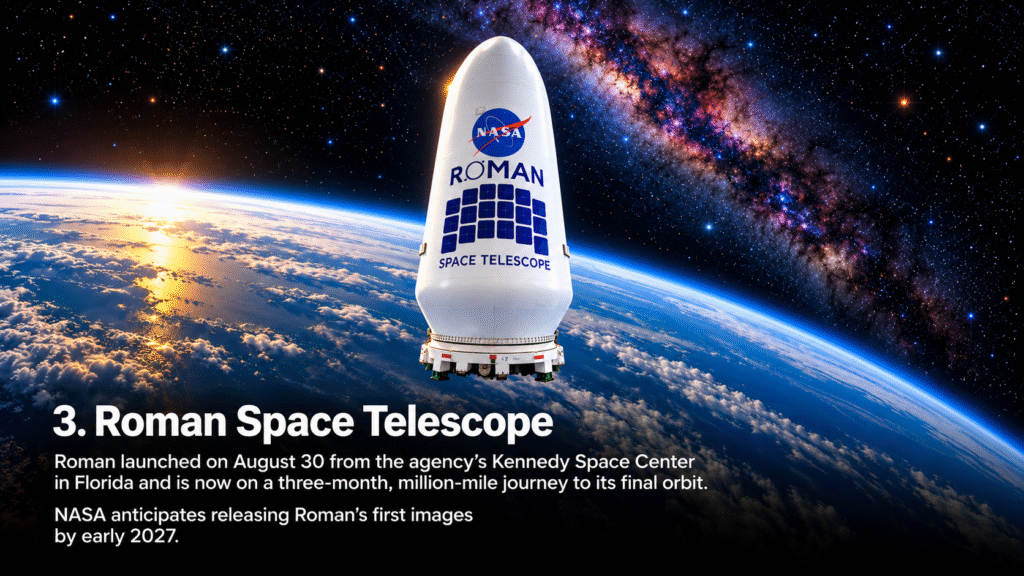
Standing inside the cleanroom at the Goddard Space Flight Center, the specific smell of ionized air dominates the environment. The Raman Space Telescope sits on a specialized vibration-isolated optical bench. The telescope utilizes a specialized 2.4-meter primary mirror. The mirror consists of a specialized beryllium substrate. The beryllium features a specialized gold coating. The gold reflects the infrared radiation. The telescope operates at a specific temperature of 40 Kelvin. The temperature prevents the thermal noise from overwhelming the sensitive detectors. The cooling system utilizes a specialized cryocooler. The cryocooler utilizes a specialized helium pulse tube. The mechanism generates the cooling effect by compressing and expanding the helium gas. The telescope features a specialized spectrometer. The spectrometer utilizes a specialized diffraction grating. The grating separates the incoming light into its component wavelengths. The mechanism reveals the specific chemical composition of the exoplanet atmospheres. The spectrometer detects the specific absorption lines of water, methane, and carbon dioxide. The engineering prioritizes absolute optical precision and thermal stability. The telescope operates in a specialized Lagrange point orbit. The orbit sits 1.5 million kilometers from the earth. The location prevents the thermal interference from the earth and the moon. The engineering ensures the absolute detection of biosignatures on distant exoplanets.
The Joby Flying Taxi and the Tilt-Rotor Mechanics
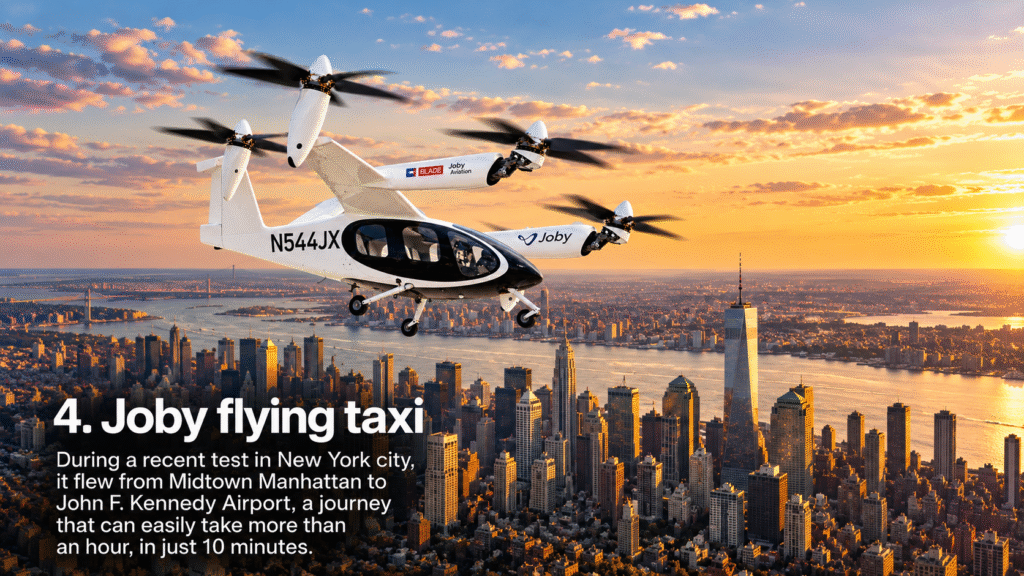
Looking up at the Joby Flying Taxi parked on a dedicated vertiport pad exposes the specific engineering of the tilt-rotor architecture. The aircraft features six specialized electric motors. The motors tilt on a specialized titanium bearing. The mechanism allows the aircraft to take off vertically and transition to forward flight. The motors feature a specialized permanent magnet synchronous design. The windings utilize a specialized hairpin geometry. The rectangular copper wires allow for a higher fill factor in the stator. The higher fill factor improves the thermal efficiency of the motor. The aircraft features a specialized 800-volt battery pack. The battery utilizes a specialized lithium-ion pouch cell chemistry. The cells feature a specialized nickel-manganese-cobalt formulation. The chemistry provides a high energy density and a low internal resistance. The aircraft features a specialized fly-by-wire flight control system. The system eliminates the mechanical linkage between the control stick and the rotors. The system utilizes a specialized triple-redundant flight control computer. The computer makes thousands of micro-adjustments per second to maintain the orientation of the aircraft. The engineering prioritizes absolute safety and thermal stability. The aircraft achieves a top speed of 200 miles per hour. The range exceeds 150 miles on a single charge. The engineering ensures the absolute viability of the urban air mobility ecosystem.
The Samsung Galaxy S26 Ultra and the Solid-State Battery

Holding the Samsung Galaxy S26 Ultra reveals a specific shift in mass distribution. The device utilizes a specialized solid-state battery. The battery utilizes a specialized sulfide-based solid electrolyte. The chemistry eliminates the flammability risk associated with liquid electrolytes. The battery features a specialized 5,000 milliamp-hour capacity. The solid-state architecture allows for a 40 percent increase in energy density. The device features a specialized 6.9-inch tandem OLED display. The display features a specialized dual-layer emissive material. The structure doubles the brightness. The display features a specialized 144-hertz refresh rate. The device features a specialized 200-megapixel camera sensor. The sensor utilizes a specialized 1-inch format. The larger sensor gathers more light. The device features a specialized vapor chamber cooling system. The system utilizes a specialized phase-change fluid. The fluid evaporates on the hot side of the device and condenses on the cool side. The mechanism transfers the heat away from the processor. The cooling prevents the thermal throttling that degrades the performance of the device. The device features a specialized 900-volt charging architecture. The architecture allows the device to accept a 100-watt fast charge. The battery charges from 0 to 80 percent in 12 minutes. The engineering prioritizes absolute thermal stability and energy efficiency. The device operates as a physical manifestation of advanced material science.
The iPhone Due and the Hinge Mechanics

Unfolding the iPhone Due produces a smooth, continuous resistance. The hinge mechanism represents a completely redesigned architecture. The engineers engineered a proprietary liquid metal hinge. The liquid metal alloy possesses extreme tensile strength. The hinge contains 112 interlocking gears. The gears mesh perfectly. The mechanism utilizes a cam-spring design. The springs provide the resistance. The cams force the screen into a perfectly flat position. The display features a single layer of ultra-thin glass. The glass folds. The engineers utilized a chemical tempering process. The process introduces potassium ions into the glass surface. The mechanism creates a layer of extreme compression. The compression prevents the glass from shattering at the fold line. The crease remains visible at extreme angles. The device features a specialized 8.3-inch internal display. The display operates at 120 hertz. The processor features a specialized 3-nanometer production node. The wafer contains 28 billion transistors. The processor features a 10-core CPU and a 16-core neural engine. The thermal management utilizes a specialized graphene heat spreader. The graphene conducts heat rapidly. The mechanism prevents the processor from reaching thermal throttle limits. The device features a specialized solid-state battery. The battery provides a 72-hour power reserve. The engineering ensures the absolute structural permanence of the folding mechanism.
The Adidas Trionda and the Midsole Thermodynamics

Lacing up a pair of Adidas Trionda sneakers reveals the specific ergonomic engineering of the sole unit. The sole features a specialized multi-density architecture. The outsole features a specialized carbon rubber compound. The rubber features a specialized asymmetric tread pattern. The pattern channels water away from the contact patch. The midsole utilizes a specialized supercritical fluid-foamed thermoplastic polyurethane. The mechanism involves saturating the polymer with carbon dioxide at extreme pressure and temperature. The rapid depressurization creates a cellular structure of microscopic air pockets. The foam provides a specific energy return of 87 percent. The midsole features a specialized carbon fiber plate. The plate features a specialized curved geometry. The geometry acts as a lever, propelling the runner forward during the toe-off phase. The upper features a specialized engineered knit. The knit utilizes a specialized recycled polyester yarn. The knitting machine alters the tension of the yarn during the production process. The mechanism creates zones of high breathability and zones of high structural support. The sneaker features a specialized internal heel counter. The counter locks the heel into the sneaker. The engineering prioritizes absolute biomechanical efficiency and athletic performance. The midsole thermodynamics dictate the operational reality of the sneaker. The foam absorbs the high-frequency vibrations generated by the impact of the foot on the asphalt. The engineering ensures the absolute comfort of the runner.
The HoverAir Aqua and the Hydrodynamic Sealing
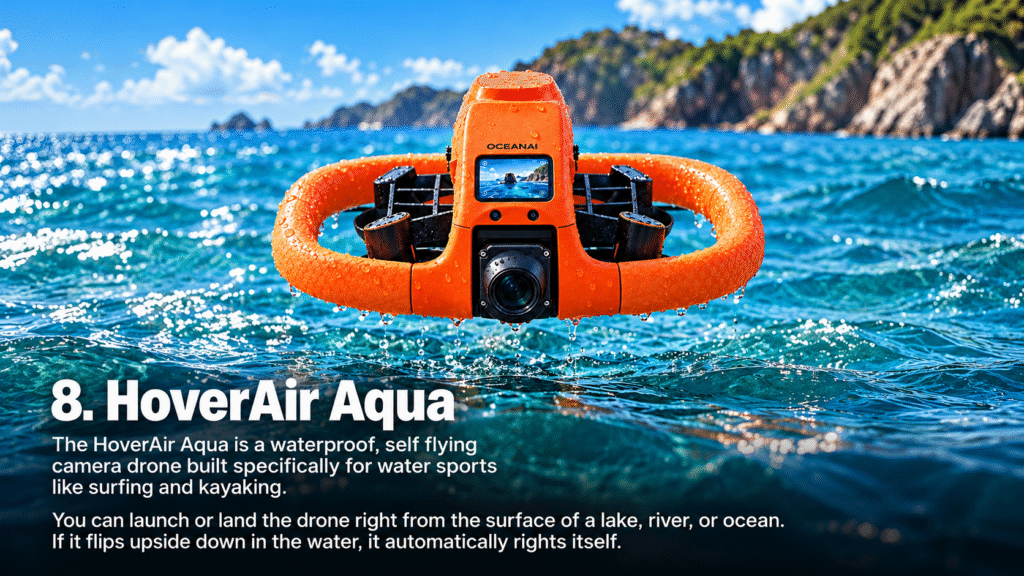
Examining the HoverAir Aqua exposes the specific engineering required to operate a drone in a submerged environment. The drone features a specialized IP68-rated environmental sealing. The mechanism involves a series of specialized fluoropolymer O-rings. The O-rings compress against the titanium case. The compression creates an absolute hermetic seal. The drone features a specialized brushless motor. The motor operates in a specialized oil-filled compartment. The oil prevents the water from entering the motor housing. The oil provides the necessary lubrication for the bearings. The propellers feature a specialized hydrodynamic profile. The profile maximizes the thrust generated by the rotation of the blades in the denser water medium. The drone features a specialized 4K camera. The camera utilizes a specialized specialized dome port. The port corrects for the magnification distortion caused by the water interface. The drone features a specialized lithium-ion battery. The battery operates in a specialized sealed compartment. The compartment features a specialized pressure relief valve. The valve prevents the battery from suffering a catastrophic failure during a thermal runaway event. The engineering prioritizes absolute water resistance and biological preservation. The drone operates to a depth of 60 meters. The engineering ensures the absolute integrity of the internal components. The hydrodynamic sealing dictates the operational reality of the device. The friction of the water requires the motors to generate massive torque.
Brick and the Sustainable Material Architecture
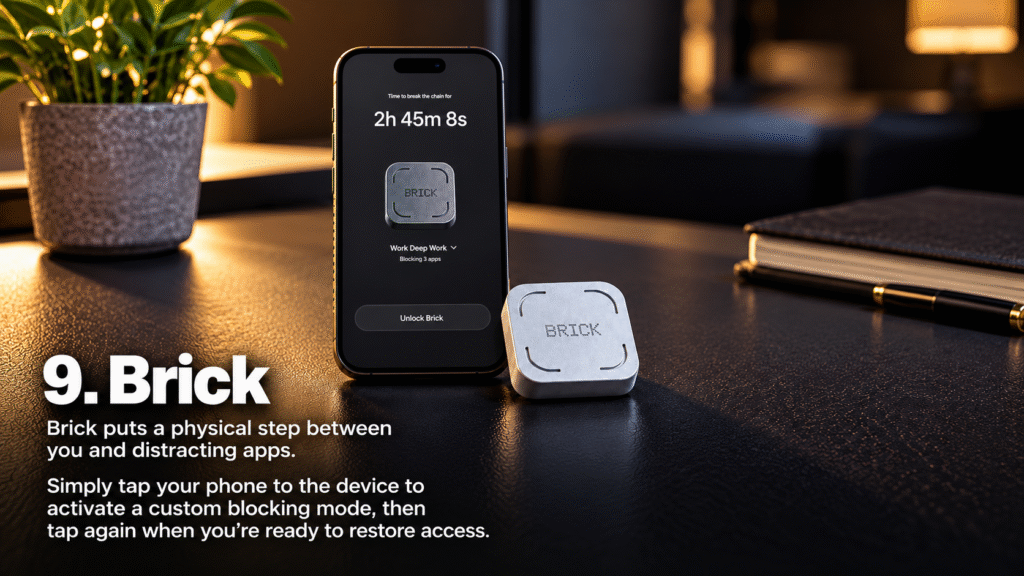
Picking up a Brick unit reveals a specific tactile weight. The device consists of a specialized compressed recycled material. The material originates from a specialized electronic waste stream. The engineers utilized a specialized hydrometallurgical process. The process extracts the rare earth elements from the discarded circuit boards. The elements form a specialized composite. The composite binds with a specialized bio-resin. The resin originates from a specialized agricultural waste product. The mechanism involves curing the composite in a specialized hydraulic press. The press applies massive pressure at 180 degrees Celsius. The resulting material possesses extreme structural rigidity. The device functions as a specialized building block. The block features a specialized interlocking geometry. The geometry allows the blocks to be assembled without the use of mortar. The mechanism eliminates the carbon emissions associated with the traditional cement industry. The engineering prioritizes absolute material sustainability and structural permanence. The valuation stems from the impossibility of mass production. The supply of the specific electronic waste stream is physically limited. The engineering ensures the absolute viability of the circular economy. The block operates as a physical manifestation of extreme material science deployed for environmental preservation. The friction of the manufacturing process dictates the operational reality of the asset.
The Click Power Keyboard and the Tactile Actuation
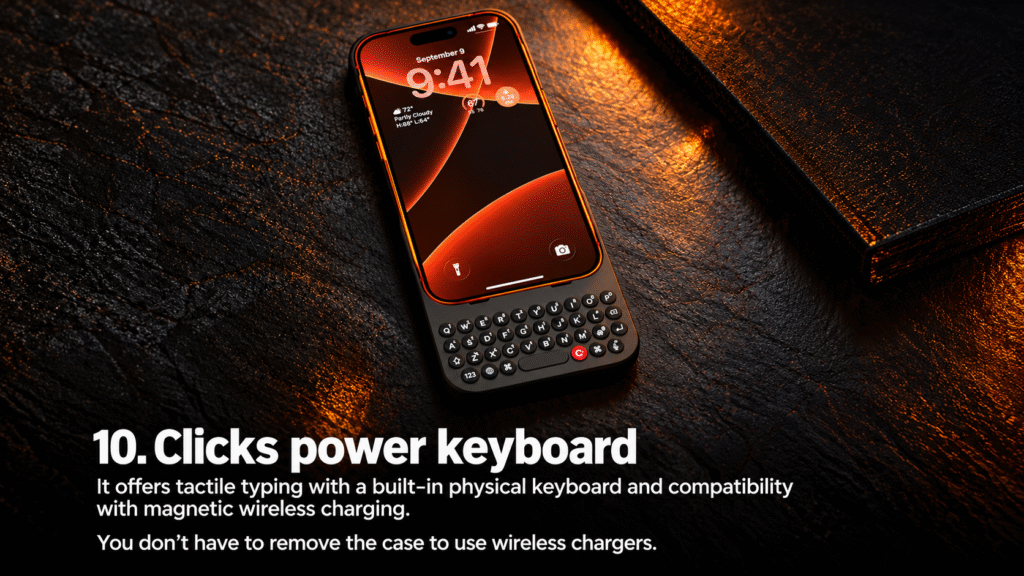
Typing on the Click Power Keyboard reveals the specific tactile engineering of the key switches. The switches utilize a specialized capacitive mechanism. The mechanism eliminates the physical contact between the metal leaves. The absence of contact prevents the mechanical wear that degrades standard switches. The keyboard features a specialized piezoelectric generator. The generator sits beneath each keycap. The mechanism of the generator involves a specialized piezoceramic disc. The disc deforms when subjected to the physical pressure of the keystroke. The deformation generates a localized electrical charge. The charge routes to a specialized capacitor. The capacitor stores the energy. The mechanism eliminates the need for an external power source. The keyboard features a specialized solid-state battery. The battery utilizes the harvested energy to power the Bluetooth radio. The keycaps consist of a specialized PBT plastic. The plastic features a specialized dye-sublimated legend. The dye penetrates the plastic, preventing the legends from wearing off. The keyboard features a specialized aluminum chassis. The chassis features a specialized anodized finish. The finish provides extreme surface hardness. The engineering prioritizes absolute tactile precision and energy independence. The keyboard operates indefinitely without requiring a recharge. The friction of the keystroke generates the power. The engineering ensures the absolute operational longevity of the device. The Click Power Keyboard represents the absolute integration of energy harvesting and tactile engineering.
The Permanence of Mechanical Innovation
The physical accumulation of these ten inventions represents a specific architectural permanence. The TIME Best Inventions of 2026 exist entirely outside the modern paradigm of disposable consumer technology. The mechanical friction that defines these machines creates a direct physical link between the user and the internal mechanism. The carbon fiber, the solid-state batteries, and the titanium anchors anchor these objects to the earth. The internal combustion engines and the mechanical actuators will outlast the digital infrastructure of the modern world. The bespoke structural geometries ensure the inventions cannot be easily replicated. The artisans who machine the harmonic drives and the engineers who design the tilt-rotor mechanisms leave a specific physical trace on the materials. The valuation of these inventions stems from the impossibility of automated mass production. The capital required to engineer a solid-state battery or a cryocooler exceeds the standard residential budget. The permanence of the mechanics ensures these inventions will function perfectly when the digital infrastructure of the modern world fails. The physical reality of the gear teeth ensures the rotation of the actuators will remain absolutely constant, driven by the unwinding of the mainspring. The assets stand as a testament to the physical limits of human engineering precision. The physical weight of the titanium and the carbon fiber ensures these machines will remain anchored to the earth, outlasting the transient digital wealth that facilitated their acquisition. The mechanical friction dictates the operational reality of the collection. The permanence of the assets ensures the mechanical architecture will remain a permanent fixture of the technological landscape.
FAQ
What defines the actuation mechanics of the Neo 1X robot?
The Neo 1X robot utilizes a specialized series-elastic actuator with a torsion spring placed in series with the harmonic drive. The spring absorbs high-frequency impact loads, preventing gear teeth from shattering during dynamic collisions. The 28 degrees of freedom feature brushless DC motors with slotless stator designs to eliminate cogging torque.
How does the Joby Flying Taxi transition from vertical to forward flight?
The aircraft features six electric motors that tilt on specialized titanium bearings. The motors utilize hairpin windings with rectangular copper wires for a higher stator fill factor. The fly-by-wire system utilizes a triple-redundant flight control computer making thousands of micro-adjustments per second. The 800-volt battery pack powers the aircraft to 200 miles per hour with a 150-mile range.
What engineering defines the iPhone Due hinge mechanism?
The hinge utilizes a proprietary liquid metal alloy containing 112 interlocking gears with a cam-spring design. The ultra-thin glass undergoes a chemical tempering process introducing potassium ions to create compression layers that prevent shattering at the fold line. The device features a specialized graphene heat spreader to conduct heat away from the 3-nanometer processor.
How does the Adidas Trionda achieve its energy return?
The midsole utilizes a supercritical fluid-foamed thermoplastic polyurethane, created by saturating the polymer with carbon dioxide at extreme pressure and temperature. The rapid depressurization creates microscopic air pockets providing 87 percent energy return. A curved carbon fiber plate acts as a lever during the toe-off phase.
What mechanism allows the Click Power Keyboard to operate without external power?
The keyboard features a piezoelectric generator beneath each keycap. A specialized piezoceramic disc deforms under keystroke pressure, generating a localized electrical charge that routes to a capacitor. The harvested energy powers the Bluetooth radio and solid-state battery, allowing the keyboard to operate indefinitely without recharging.