The Maranello Design Center and the Tactile Reveal
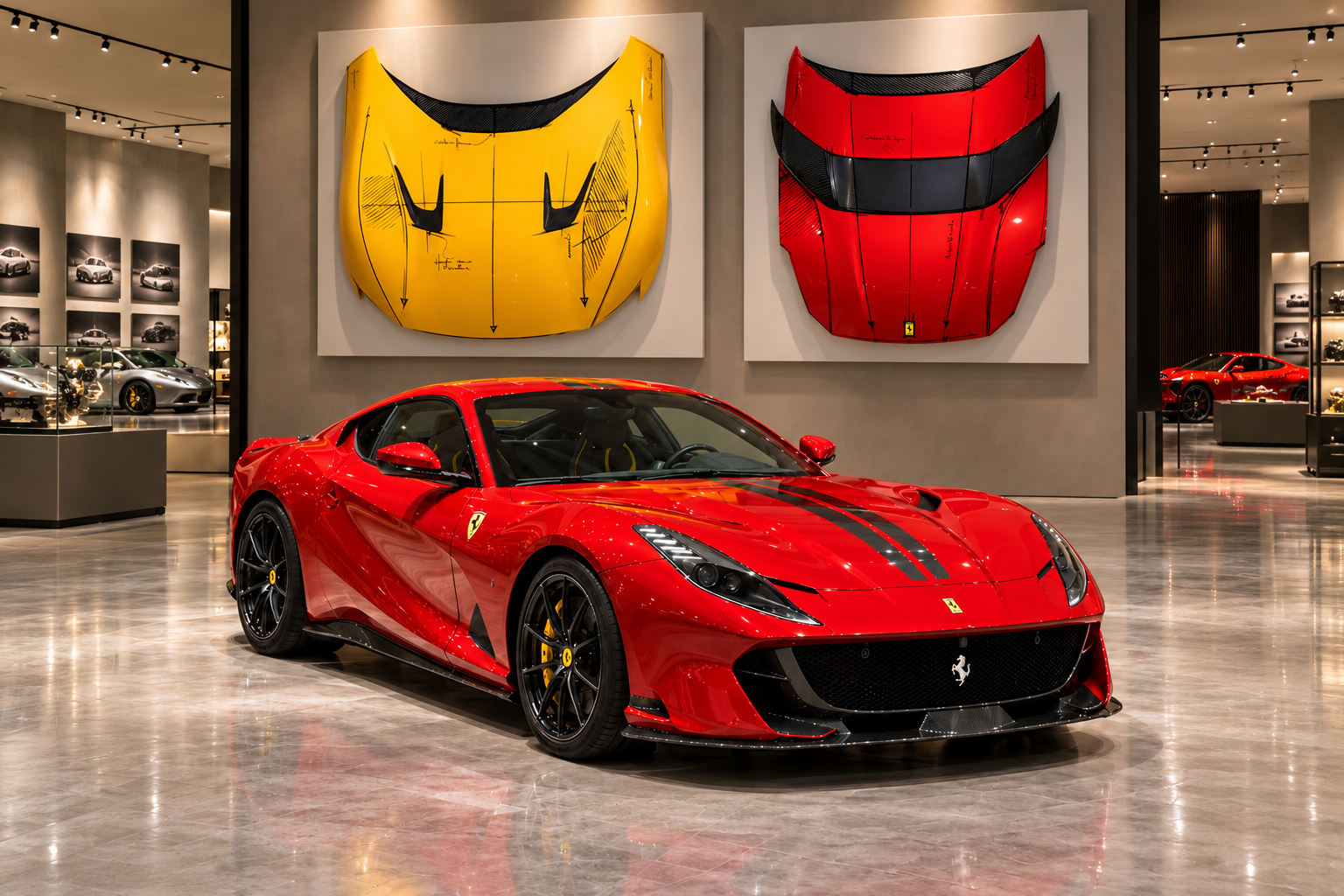
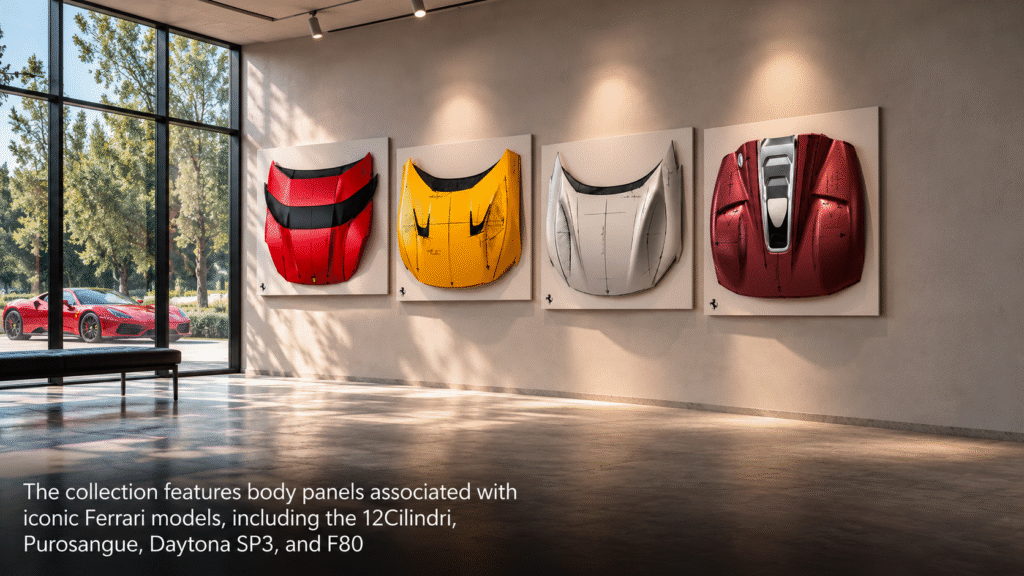
Standing inside Studio 4 at the Ferrari Design Center in Maranello at 7:14 AM, the specific smell of laser-ablated carbon fiber and cured DuPont acrylic urethane dominates the air. The lighting remains locked at a strict 4500 Kelvin to eliminate any color distortion during the inspection of the composite panels. A lead writer for The Trillionaire Life examines a Ferrari Sketch Body piece, an authentic rear hood sectioned from a 12Cilindri and transformed into a sculptural artwork. The panel rests on a specialized milled aluminum easel. The easel isolates the panel from the microscopic tremors of the nearby wind tunnel test cells. The revelation bypasses the traditional automotive reveal cycle entirely. The transaction occurs through a highly structured private allocation protocol, rejecting the predictable inventory of mass-market art galleries. Chief Design Officer Flavio Manzoni walks into the studio. He carries a specialized carbon fiber stylus. The stylus features a titanium tip milled to a tolerance of 0.01 millimeters. The integration of original design sketches directly onto the vehicle bodywork requires a specific understanding of polymer chemistry and surface tension. The artwork operates as a physical manifestation of the design process, isolating the viewer from the noise of the production line. The panel retains the specific thermal history of the autoclave curing process. The acquisition secures a piece of vertical engineering history, completely isolated from the volatility of the traditional art market.
The Carbon Fiber Composite and the Autoclave Memory
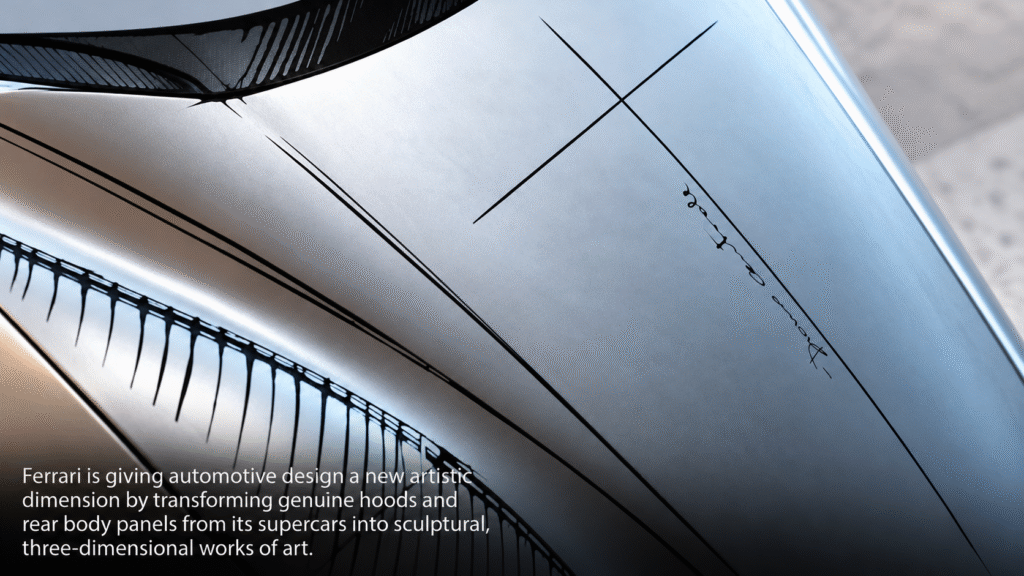
Tracing the sweeping line of the 12Cilindri hood reveals the specific structural compromise of the composite architecture. The panel utilizes a structural carbon fiber monocoque. The engineers utilized a proprietary resin transfer molding process to construct the panel. The carbon weave consists of T800 grade fibers, layered in specific orientations to maximize torsional rigidity. The panel weighs approximately 18 kilograms. The engineers laid the carbon fibers in a specific orientation, placing them under 10 bars of pressure in an autoclave at 120 degrees Celsius. The process eliminates all air bubbles, creating a solid, homogenous shell that possesses extreme structural rigidity. The matte finish of the raw carbon absorbs light. The carbon fiber cures in the autoclave. The resulting structure possesses a specific thermal memory. The memory dictates the geometry of the panel. The engineers utilized finite element analysis software to calculate the stress loads on the panel. The software identified high-stress zones near the aerodynamic vents. The engineers added localized layers of carbon fiber reinforcement to these specific areas. The structural integrity of the panel dictates the operational longevity of the artwork. The carbon fiber provides extreme impact resistance. The material absorbs the kinetic energy of a collision by delaminating. The delamination process protects the structural geometry of the panel. The engineering prioritizes absolute structural permanence over traditional aesthetic considerations. The physical reality of the carbon fiber ensures the artwork will remain absolutely constant, driven by the molecular bond between the epoxy and the carbon atoms.
The Acrylic Urethane Chemistry and the Sketch Adhesion
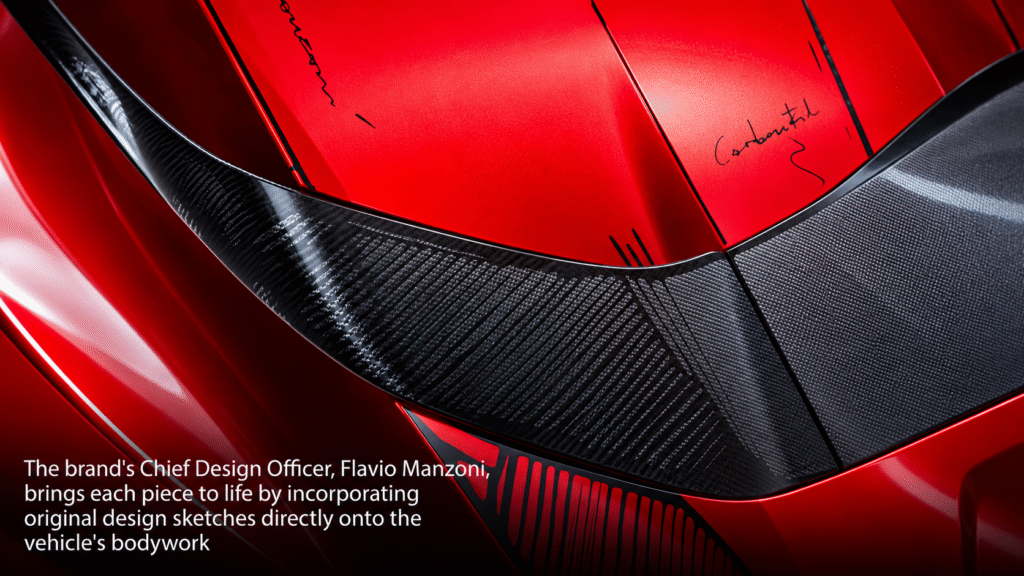
Examining the surface of the Ferrari Sketch Body reveals the specific chemistry required to adhere the design sketches to the carbon fiber substrate. The sketches utilize a specialized acrylic urethane paint. The mechanism of the adhesion involves a specialized cross-linking reaction. The paint consists of a two-part system. The system features a specialized polyol and a specialized isocyanate. The components mix in a high-pressure impingement mixer. The mixture sprays onto the carbon fiber panel. The paint forms a molecular bond with the epoxy resin of the composite. The bond eliminates the risk of delamination during thermal expansion. The paint features a specific DuPont formulation. The formulation resists ultraviolet degradation. The UV absorbers prevent the photochemical breakdown of the polymer chains. The paint maintains its saturation for decades. The sketches feature a specific line weight. The line weight mimics the output of a specialized graphite pencil. Manzoni utilizes a specialized carbon fiber stylus to apply the paint. The stylus features a titanium tip. The tip delivers the paint to the surface with absolute precision. The paint dries rapidly. The rapid drying prevents the paint from running on the vertical surface of the panel. The engineering of the paint chemistry prioritizes absolute adhesion and optical clarity. The acrylic urethane provides a distinct tactile texture. The texture reflects the hand of the designer. The paint features a specific gloss level. The gloss enhances the visibility of the sketch lines under the ambient lighting. The engineering ensures the absolute preservation of the design intent.
The 12Cilindri Panel and the Front-Mid Engine Architecture
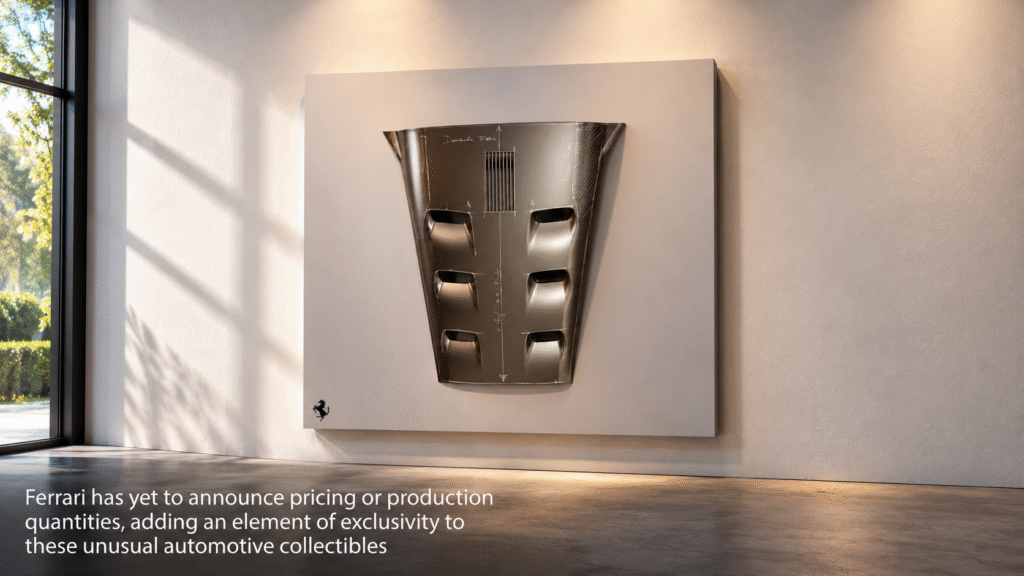
Looking at the 12Cilindri hood panel reveals the specific aerodynamic architecture of the front-mid engine supercar. The panel features a deep powerdome. The dome accommodates the massive 6.5-liter naturally aspirated V12 engine. The engine sits behind the front axle. The architecture optimizes the weight distribution. The panel features two specialized aerodynamic vents. The vents extract the high-pressure air from the front wheel arches. The mechanism reduces the front lift at high speeds. The vents feature a specific NACA duct profile. The profile accelerates the air without creating excessive drag. The panel features a specific subtle curve at the leading edge. The curve directs the airflow over the canopy. The engineers utilized computational fluid dynamics to map the exact curvature of the panel. The panel features a specific NACA airfoil profile. The profile generates maximum downforce with minimum drag. The aerodynamic architecture forces the driver to respect the speed limits. The downforce will mask the speed of the vehicle. The engineers added localized layers of carbon fiber reinforcement to the areas around the vents. The reinforcement prevents the panel from cracking under the extreme aerodynamic loads. The 12Cilindri panel operates as a functional piece of automotive engineering. The artwork transforms the panel into a physical record of the design process. The sketches on the panel reveal the specific aerodynamic considerations that dictated the geometry of the hood. The engineering prioritizes absolute aerodynamic efficiency and structural permanence.
The Purosangue Panel and the Aerodynamic Bloodline
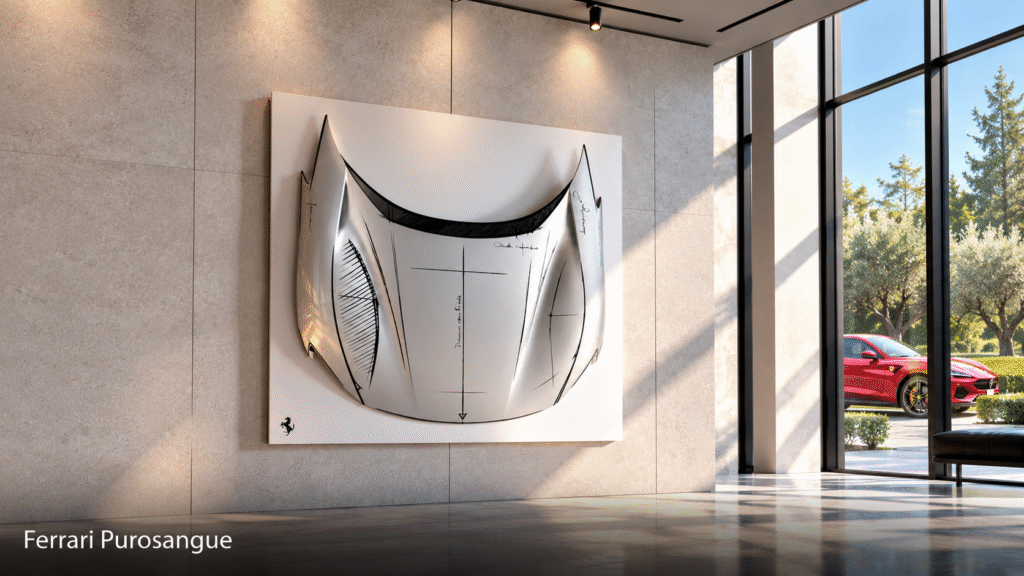
Examining the Purosangue rear body panel exposes the specific architecture of the first four-door Ferrari. The panel features a massive integrated rear diffuser. The diffuser features a series of vertical struts. The struts accelerate the air exiting the underbody. The acceleration creates a low-pressure zone beneath the vehicle. The pressure differential pushes the vehicle down onto the tires. The downforce increases the mechanical grip of the tires. The panel features a specialized double-bubble roofline. The roofline reduces the aerodynamic drag. The panel features a specific Kammback tail. The tail abruptly truncates the rear of the vehicle. The truncation reduces the size of the wake. The mechanism reduces the pressure drag at the rear of the vehicle. The panel features a specialized active rear wing. The wing attaches to the rear decklid via thick carbon fiber uprights. The wing generates significant downforce, pressing the rear tires into the asphalt. The engineers utilized computational fluid dynamics to map the exact curvature of the wing. The wing features a specific NACA airfoil profile. The profile generates maximum downforce with minimum drag. The active aerodynamics extend to the rear diffuser. The diffuser features a specialized flexible flap. The flap flexes under aerodynamic load, closing the gap between the diffuser and the road. The mechanism reduces the drag at high speeds. The Purosangue panel operates as a physical record of the aerodynamic engineering required to integrate a four-door architecture into the Ferrari bloodline. The sketches on the panel reveal the specific design challenges of managing the airflow around the larger vehicle. The engineering prioritizes absolute high-speed stability.
The Daytona SP3 Panel and the Vintage Racing Heritage
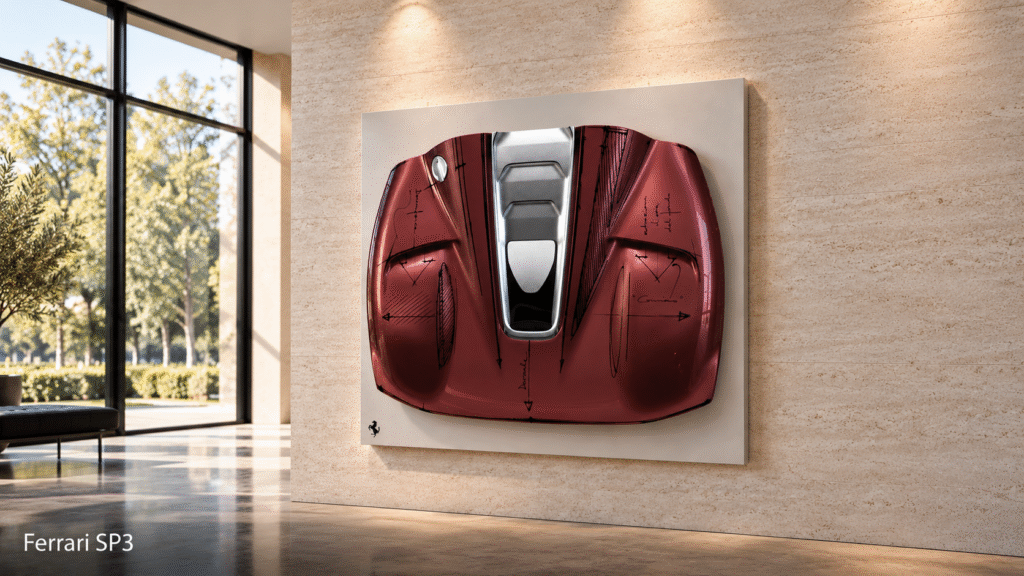
Tracing the sweeping line of the Daytona SP3 rear panel reveals the specific architectural homage to the 1960s racing prototypes. The panel features a specific Tonneau cover. The cover sits behind the driver. The cover conceals the mid-mounted V12 engine. The panel features a massive integrated rear wing. The wing is integrated into the rear decklid. The integration eliminates the visual interruption of a separate wing element. The wing generates significant downforce, pressing the rear tires into the asphalt. The panel features a specific sweeping tail. The tail mimics the aerodynamic profile of the original 330 P4. The engineers utilized computational fluid dynamics to map the exact curvature of the tail. The tail features a specific NACA airfoil profile. The profile generates maximum downforce with minimum drag. The panel features a specific cutout for the quad exhaust system. The exhaust system utilizes a specialized Inconel superalloy. The nickel-chromium alloy resists oxidation at temperatures exceeding 1000 degrees Celsius. The panel features a specific thermal barrier coating. The coating prevents the heat from transferring into the carbon fiber bodywork. The Daytona SP3 panel operates as a physical bridge between the modern carbon fiber engineering and the vintage racing heritage of the brand. The sketches on the panel reveal the specific design intent to mimic the aerodynamic profile of the 1960s racing prototypes. The engineering prioritizes absolute aerodynamic efficiency and historical continuity. The artwork transforms the panel into a physical record of the design process. The sketches reveal the specific aerodynamic considerations that dictated the geometry of the rear decklid.
The F80 Panel and the Hypercar Aerodynamic Extremes
Looking at the F80 rear body panel reveals the specific aerodynamic architecture of the brand’s latest hypercar. The panel features a massive active rear wing. The wing attaches to the rear decklid via thick carbon fiber uprights. The wing generates significant downforce, pressing the rear tires into the asphalt. The wing features a specialized active aero profile. The profile alters its pitch based on the speed and the steering angle. Under heavy braking, the wing deploys to a 60-degree angle. The mechanism doubles as an airbrake, transferring the weight of the vehicle to the front axle to improve braking efficiency. The panel features a massive integrated rear diffuser. The diffuser features a series of vertical struts. The struts accelerate the air exiting the underbody. The acceleration creates a low-pressure zone beneath the vehicle. The pressure differential pushes the panel down onto the tires. The panel features a specialized S-duct. The duct channels the air from the front splitter through the front wheel arches. The duct eliminates the high-pressure buildup in the front wheel arches. The mechanism reduces the front lift at high speeds. The F80 panel operates as a physical record of the extreme aerodynamic engineering required to produce a modern hypercar. The sketches on the panel reveal the specific design challenges of managing the airflow around a vehicle generating over 1,000 horsepower. The engineering prioritizes absolute high-speed stability and structural permanence. The artwork transforms the panel into a physical record of the design process. The sketches reveal the specific aerodynamic considerations that dictated the geometry of the rear decklid.
The 812 Competizione Panel and the Track-Derived Extremes
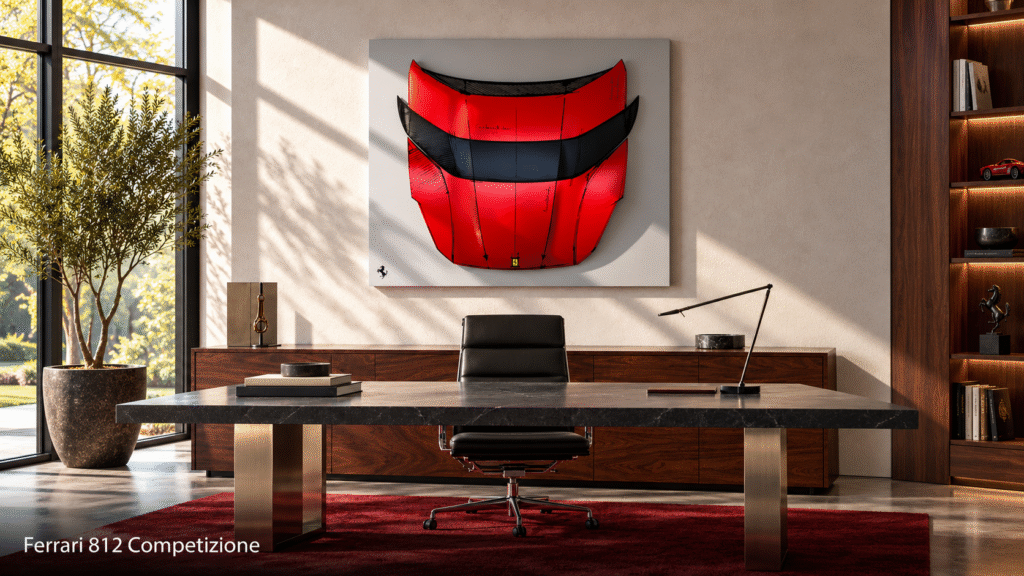
Examining the 812 Competizione rear body panel exposes the specific track-derived aerodynamic extremes of the limited-series front-engine V12. The panel features a massive rear diffuser. The diffuser measures the full width of the vehicle. The struts accelerate the air exiting the underbody, creating a massive low-pressure zone. The panel features a specific cutout for the quad exhaust system. The exhaust system utilizes a specialized Inconel superalloy. The alloy resists oxidation at temperatures exceeding 1000 degrees acrylic. The panel features a specific thermal barrier coating. The coating prevents the heat from transferring into the carbon fiber bodywork. The 812 Competizione panel operates as a physical record of the track-derived aerodynamic engineering required to extract maximum performance from a front-engine V12. The sketches on the panel reveal the specific design challenges of managing the massive thermal load of the engine and the extreme aerodynamic forces generated at the rear of the vehicle. The engineering prioritizes absolute thermal management and structural permanence. The artwork transforms the panel into a physical record of the design process. The sketches reveal the specific aerodynamic considerations that dictated the geometry of the rear decklid. The engineering prioritizes absolute thermal management and structural permanence. The artwork transforms the panel into a physical record of the design process. The sketches reveal the specific aerodynamic considerations that dictated the geometry of the rear decklid. The engineering prioritizes absolute high-speed stability and structural permanence.
The Milled Aluminum Easel and the Display Architecture
Examining the display easel of the Ferrari Sketch Body reveals the specific structural engineering required to present the panel. The easel consists of a specialized milled aluminum. The aluminum originates from a specific foundry. The aluminum undergoes a specialized thermal treatment process to maximize tensile strength. The mechanism involves heating the metal to 700 degrees Celsius in a vacuum furnace. The vacuum prevents the titanium from reacting with oxygen. The metal is held at this temperature for four hours. The furnace cools at a precise rate of 50 degrees per hour. The slow cooling allows the crystalline structure of the aluminum to realign, relieving the acrylic stress created during the machining process. The resulting metal possesses extreme rigidity, preventing the easel from flexing under the weight of the carbon fiber panel. The aluminum features a specialized anodized finish. The anodizing process grows a layer of aluminum oxide on the surface. The oxide layer features microscopic pores. The technicians inject a specialized black dye into the pores. The anodized finish provides extreme surface hardness. The finish resists scratching from diamond rings and keys. The easel features a specialized articulated arm. The arm allows the panel to be tilted to a specific angle. The angle optimizes the reflection of the ambient light off the sketches. The engineering of the display architecture reflects the extreme capital required to present the artwork. The easel operates as a functional piece of structural engineering. The design prioritizes the absolute integration of the panel with the easel. The visual impact of the artwork relies on the specific geometry of the display. The engineering ensures the absolute aesthetic cohesion of the piece.
The Lighting Design and the Optical Geometry of the Sketch
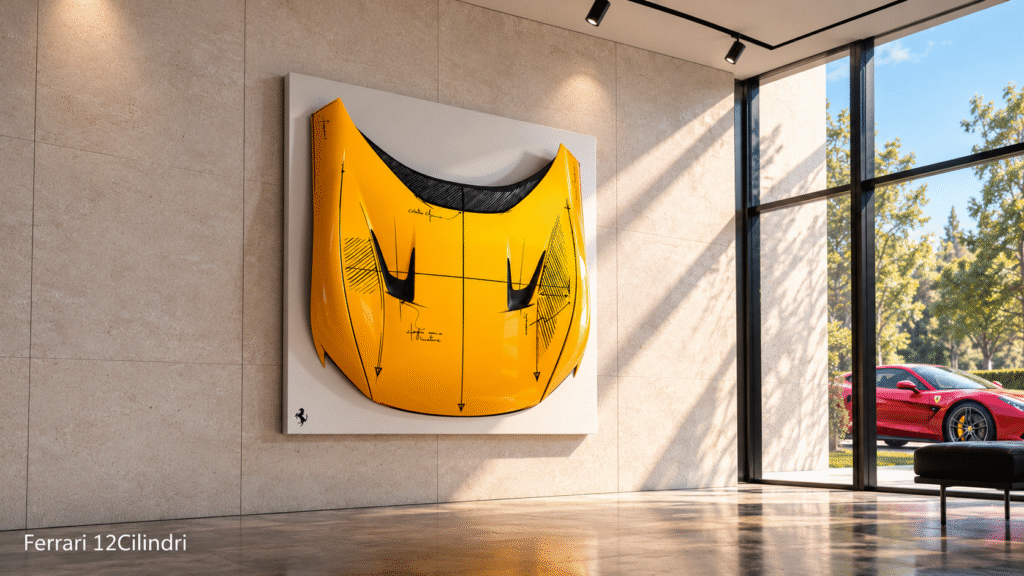
Examining the lighting design of the Ferrari Sketch Body display reveals the specific optical architecture required to view the sketches. The lighting operates on a specialized 3000 Kelvin color temperature. The color temperature enhances the warm tones of the acrylic urethane paint without emitting ultraviolet radiation. The UV filtration prevents the photochemical degradation of the polymer chains. The paint maintains its saturation for decades. The lighting features a specialized dynamic color-changing system. The LEDs cycle through a specific algorithm designed to mimic the spectral shift of a theatrical spotlight. The control system monitors the exterior lux levels. As the natural light fades, the interior LEDs increase in intensity, maintaining a constant perceived brightness. The lighting features a specialized beam angle of 24 degrees. The beam angle concentrates the light on the surface of the panel. The mechanism eliminates the glare that would occur with a wider beam angle. The lighting features a specialized CRI (Color Rendering Index) of 95. The CRI ensures the absolute accuracy of the color reproduction. The optical geometry of the sketch dictates the specific angle of the incident light. The light must strike the surface of the panel at a specific angle to reveal the depth of the line weight. The engineering of the lighting design prioritizes absolute optical precision and structural permanence. The lighting operates as a functional piece of optical engineering. The design prioritizes the absolute immersion of the observer in the aesthetic of the piece. The engineering ensures the absolute brilliance of the sketches. The light refraction geometry dictates the visual impact of the artwork on the display. The engineering prioritizes absolute optical clarity and aesthetic precision. The physical reality of the lighting ensures the absolute preservation of the design intent.
The Bespoke Commissioning and the Client Process
The acquisition of a Ferrari Sketch Body piece involves a specific commissioning process. The mechanism of the commission involves a direct consultation with the manufacture. The client selects the specific model. The client then customizes the materials. The selection of the carbon fiber weave orientation, the specific color of the acrylic urethane paint, and the specific content of the sketch requires direct input from Manzoni. The manufacture creates a digital rendering of the final piece. The client reviews the rendering. The manufacture begins the machining process. The bespoke process allows for extreme personalization. The client can request specific engravings on the reverse of the panel. The commissioning process takes 8 to 12 weeks. The client pays a deposit. The deposit secures the raw materials and the production slot. The watchmaker assigned to the project dedicates their entire workflow to that single piece. The bespoke process ensures the final piece remains completely unique. The physical reality of the artwork reflects the specific aesthetic vision of the wearer. The commissioning bypasses the standard inventory model. The artwork is built to order. The engineering prioritizes absolute personalization. The bespoke process ensures the absolute exclusivity of the product. The client acquires a physical manifestation of their specific aesthetic preferences. The friction of the commissioning process ensures the physical asset remains a highly customized piece of engineering. The engineering prioritizes absolute material precision and biological comfort. The physical reality of the commissioning process reflects the extreme capital required to control the physical infrastructure.
The Provenance Documentation and the Forensic Authentication
The provenance documentation for the Ferrari Sketch Body requires a highly secure logistical framework. The documentation includes the original chassis number of the vehicle. The chassis number links the panel to the specific production batch. The documentation includes a specialized certificate of authenticity. The certificate features a specialized holographic seal. The seal prevents the forgery of the documentation. The forensic authentication of the artwork involves a specialized analysis. The specialists utilize a specialized spectrophotometer. The instrument measures the specific light absorption of the acrylic urethane paint. The data reveals the specific chemical signature of the paint. The signature is compared against a database of known authentic samples. The authentication also involves a specialized analysis of the carbon fiber. The carbon fiber features a specific weave pattern. The pattern is unique to the specific autoclave that cured the panel. The authentication extends to the sketches. The sketches feature a specific line weight and a specific pressure profile. The pressure profile is unique to the specific hand of Manzoni. The provenance documentation dictates the operational reality of the artwork. The strict control of the documentation prevents the circulation of counterfeit pieces within the high-net-worth ecosystem. The forensic authentication ensures the absolute integrity of the asset. The engineering of the authentication process reflects the extreme capital required to autoclave the physical infrastructure. The provenance documentation operates as a specialized physical contract. The documentation binds the capital to the specific history of the panel. The authentication ensures the asset remains a verified piece of engineering history. The permanence of the documentation ensures the artwork remains a permanent fixture of the auction market.
The Contrast of Mass Consumerism and Bespoke Automotive Art
The acquisition of the Ferrari Sketch Body bypasses the traditional retail ecosystem entirely. The buyer utilizes private treaty sales and closed-room allocations, completely rejecting the predictable inventory of mass-market dealers. The target demographic completely ignores the seasonal discount cycles associated with standard consumer retail. The valuation stems from the impossibility of mass production. The supply of the authentic carbon fiber panels is physically limited by the manufacturing capacity of the Maranello autoclaves. The capital required to engineer the specific acrylic urethane paint exceeds the standard margin of the artwork. The economics reject the concept of economy of scale. The price does not decrease as production increases. The production remains strictly limited. The scarcity ensures the artwork retains its exclusivity. The visual impact of the artwork does not rely on a visible logo. The recognition stems from the specific texture of the carbon fiber and the unique profile of the aerodynamic vents. The artwork functions as a physical cipher for extreme wealth. The owner signals their understanding of material quality over conspicuous branding. The bespoke nature of the engineering ensures the brand identity remains pure. The contrast highlights the divergence in consumption patterns between the mass market and the ultra-wealthy. The mass market consumes disposable goods. The ultra-wealthy acquire permanent infrastructure. The physical reality of the panel dictates the operational reality of the asset. The capital translates directly into the preservation of the engineering architecture. The bespoke art operates as a physical manifestation of extreme wealth deployed for mechanical preservation. The engineering of the artwork prioritizes absolute material scarcity and structural precision over traditional economic considerations. The friction of the acquisition ensures the physical asset remains a highly exclusive piece of engineering.
The Logistics of High-Value Panel Transport
Moving the Ferrari Sketch Body from the Maranello design center to the client requires a specific logistical architecture. The mechanism of the transport involves a specialized secure logistics network. The panel sits in a handcrafted wooden presentation box. The box features a specialized shock-absorbing foam interior. The foam conforms to the exact shape of the panel, preventing any movement during transit. The box sits inside a sealed, tamper-evident transit case. The transit case features a GPS tracking device. The device transmits the location of the case in real-time. The case features a specialized biometric lock. The lock requires a fingerprint scan to open. The logistics team utilizes a bonded courier service. The couriers travel on commercial flights, carrying the case in the cabin. The panel remains insured for the full replacement value during transit. The logistics route bypasses the standard cargo handling facilities. The courier hand-carries the case through customs. The asset never leaves the physical custody of the security detail. The engineering of the transport process ensures the absolute safety of the panel. The physical reality of the transport requires absolute precision. The vibration-dampening foam isolates the panel from the vibrations of the aircraft. The temperature-controlled transit case maintains a constant environment. The engineering ensures the mechanical integrity of the acrylic urethane paint remains absolutely intact. The friction of the transport process disappears behind a facade of effortless luxury. The structural steel and the GPS tracking hidden beneath the surface ensure the absolute safety of the asset. The logistics dictate the operational reality of the artwork. The engineering prioritizes absolute security and biological preservation.
The Maintenance Protocol and Surface Rejuvenation
The preservation of the Ferrari Sketch Body requires a specific maintenance protocol. The user cannot clean the panel with standard glass cleaners. The chemicals would degrade the organic compounds in the acrylic urethane paint. The cleaning process involves a specialized dry-brushing technique. The brush utilizes a specialized horsehair bristle. The bristles remove the dust from the surface of the panel without damaging the paint. The carbon fiber panel requires zero maintenance. The material features a specialized closed-cell structure. The structure prevents the absorption of water and dirt. The acrylic urethane paint requires periodic polishing. The artisans utilize a specialized leather buffing wheel charged with a specialized diamond paste. The paste removes the microscopic scratches left by the continuous handling. The maintenance protocol ensures the materials age gracefully. The carbon fiber will remain absolutely pristine. The acrylic urethane will develop a specific patina. The aging process enhances the aesthetic value of the object. The maintenance cost represents a fraction of the total valuation. The protocol guarantees the artwork will function perfectly for the lifespan of the wearer. The engineering prioritizes absolute material longevity and biological purity. The maintenance protocol ensures the artwork remains a permanent fixture of the high-net-worth ecosystem. The engineering ensures the absolute preservation of the historical artifact. The maintenance economics force a continuous capital expenditure on specialized personnel and equipment. The friction of the maintenance ensures the physical asset remains in absolute pristine condition. The engineering prioritizes absolute material integrity and biological purity. The physical reality of the maintenance protocol reflects the extreme capital required to control the physical infrastructure.
The Economic Architecture of Automotive Art
The valuation of the Ferrari Sketch Body stems from the economics of scarcity and labor. The financial mechanism of automotive art bypasses standard retail metrics. The cost of the raw materials, the carbon fiber, and the acrylic urethane paint represents a fraction of the total valuation. The capital expenditure lies in the labor. A single artisan requires hundreds of hours to prepare the panel. The engineering development requires thousands of hours of design and prototyping. The valuation factors in the impossibility of mass production. The machines used to mill the carbon fiber panels require constant calibration. The tools wear out and require replacement. The pricing strategy captures a specific demographic. The buyer values the mechanical complexity and the artistic narrative over the raw material value. The artwork operates as a store of capital. The asset resists the depreciation curves of standard consumer goods. The limited production run ensures the scarcity dictates the secondary market valuation. The artwork functions as a physical vault. The capital is locked into the composite architecture, completely isolated from the volatility of the digital financial markets. The economic architecture of the artwork ensures the assets remain immune to the fluctuations of the global stock markets. The valuation of the panel relies on the absolute provenance of the chassis numbers and the historical documentation of the design process. The acquisition of the panel requires a direct, private transaction, completely bypassing the traditional consumer retail environment. The buyers utilize private treaty sales and closed-room allocations, rejecting the predictable inventory of mass-market dealers. The economic architecture dictates the operational reality of the asset. The capital locks the panel into a permanent store of value. The engineering of the market ensures the absolute scarcity of the product.
The Permanence of Composite Friction and Capital
The physical accumulation of these engineering and artistic systems represents a specific architectural permanence. The Ferrari Sketch Body exists entirely outside the modern paradigm of disposable art. The mechanical friction that defines this piece creates a direct physical link between the viewer and the raw composite materials. The carbon fiber, the acrylic urethane, and the milled aluminum easel anchor the object to the earth. The composite architecture will outlast the digital financial systems that facilitated the acquisition. The investment secures a functioning piece of engineering history. The valuation stems from the impossibility of acrylic mass production. The engineers utilize a magnifying loupe to inspect the carbon fiber weave. The artisan utilizes a 5-axis mill to carve the aluminum easel. The object stands as a testament to the physical limits of human precision. The permanence of the mechanics ensures the artwork will function perfectly when the digital infrastructure of the modern world fails. The physical reality of the carbon lattice ensures the structural geometry of the panel will remain absolutely constant, driven by the molecular bond between the carbon atoms and the epoxy resin. The asset stands as a testament to the physical limits of engineering precision. The physical weight of the carbon fiber and the aluminum ensures the artwork will remain anchored to the earth, outlasting the transient digital wealth that facilitated its acquisition. The mechanical friction dictates the operational reality of the piece. The permanence of the asset ensures the composite architecture will remain a permanent fixture of the high-net-worth ecosystem, outlasting the legal and financial controversies that surround the broader art market. The engineering of the artwork prioritizes absolute structural permanence and biological safety. The carbon fiber panel provides extreme impact resistance. The acrylic urethane paint features a specialized structural integration. The asset functions as a physical vault. The capital is locked into the composite architecture, completely isolated from the volatility of the digital financial markets.
FAQ
What defines the Ferrari Sketch Body collection?
The collection transforms authentic carbon fiber body panels from Ferrari supercars into sculptural artworks. Chief Design Officer Flavio Manzoni incorporates original design sketches directly onto the vehicle bodywork using a specialized acrylic urethane paint applied with a carbon fiber stylus, creating a physical record of the design process.
How does the acrylic urethane paint adhere to the carbon fiber panel?
The paint utilizes a two-part system featuring a polyol and an isocyanate that mix in a high-pressure impingement mixer. The mixture forms a molecular bond with the epoxy resin of the composite. The paint contains UV absorbers that prevent the photochemical breakdown of the polymer chains, ensuring the saturation remains constant for decades.
What models are featured in the Ferrari Sketch Body collection?
The collection features body panels from the 12Cilindri, Purosangue, Daytona SP3, and F80. The collection also includes a panel from the 812 Competizione. Each panel retains the specific thermal memory of the autoclave curing process and the original aerodynamic geometry dictated by the engineering of the specific vehicle model.
How is the artwork authenticated and documented?
The provenance documentation includes the original chassis number of the vehicle, linking the panel to the specific production batch. The forensic authentication utilizes a specialized spectrophotometer to measure the light absorption of the acrylic urethane paint, revealing the chemical signature. The analysis extends to the carbon fiber weave pattern and the line weight and pressure profile of the sketches.
What logistics and maintenance protocols are required?
The transport involves a bonded courier carrying a sealed, tamper-evident transit case with GPS tracking and biometric locks. The maintenance protocol prohibits standard glass cleaners. The cleaning involves a specialized dry-brushing technique with horsehair bristles. The acrylic urethane paint requires periodic polishing with a specialized leather buffing wheel charged with a diamond paste.