
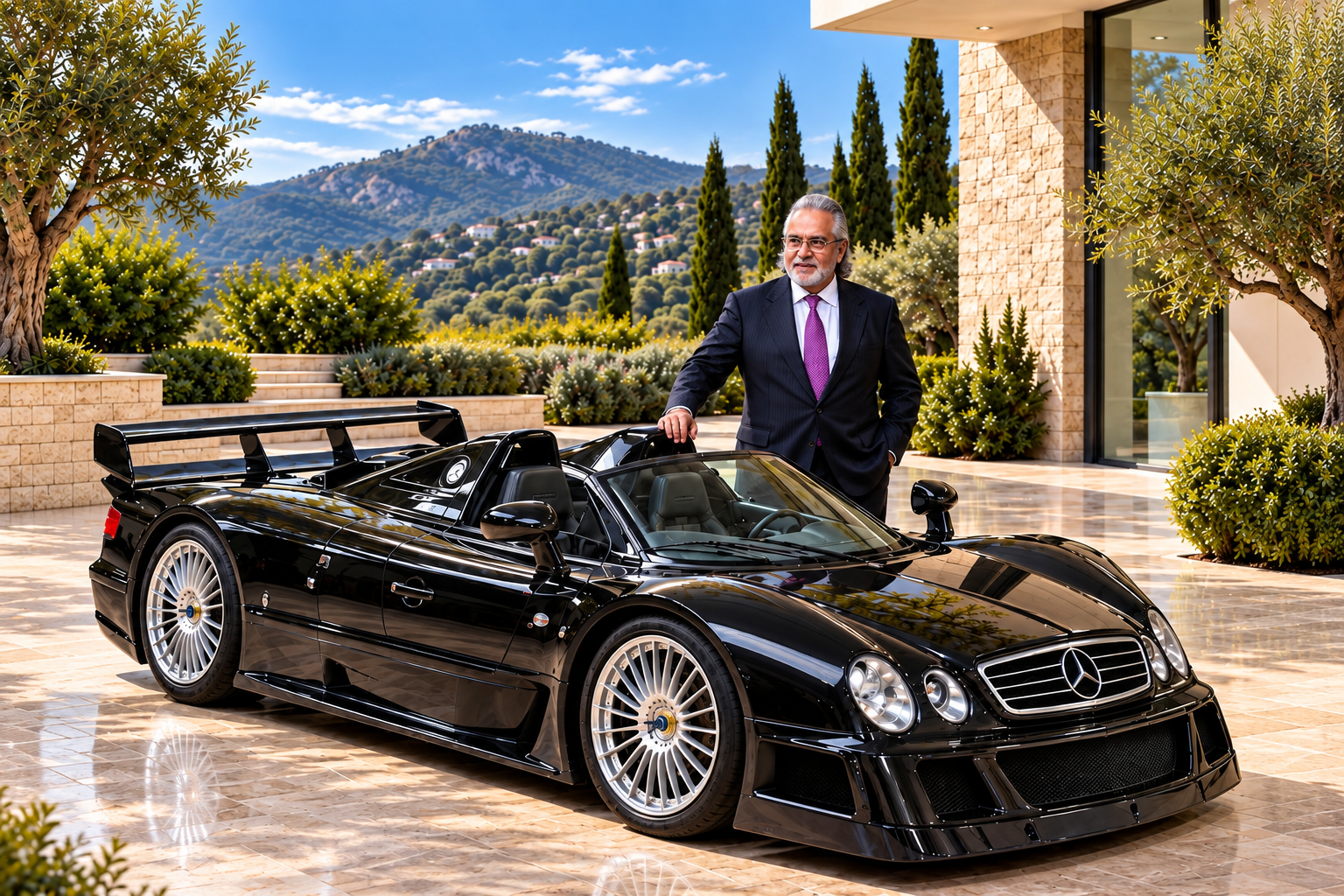
The Vault Architecture and the $200 Million Valuation
Standing inside a subterranean, climate-controlled storage facility in the English countryside, the immediate olfactory sensation is a mix of preserved leather, vintage gasoline, and specialized dehumidification chemicals. The room maintains a strict 40 percent humidity to prevent the microscopic expansion of the 1920s aluminum body panels. This facility houses a portion of the Vijay Mallya Car Collection, an assembly of rolling stock valued at roughly $200 million. The valuation reflects the absolute scarcity of the mechanical components. A single carburetor from a 1950s Ferrari racing prototype commands a seven-figure sum. The acquisition of these assets bypasses the standard consumer retail ecosystem entirely. The buyers utilize private treaty sales and closed-room auctions, completely rejecting the predictable inventory of mass-market dealers. The cars sit on specialized rubber pads that prevent the deflection of the thin-spoke wire wheels. The lighting operates on a strict 3000 Kelvin color temperature to prevent the photochemical degradation of the original paint pigments. The structural engineering of the vault features two-meter-thick reinforced concrete walls designed to withstand a localized explosive breach. The physical weight of the lead-acid batteries and the cast iron engine blocks anchors the collection to the bedrock. The capital investment secures a physical timeline of automotive engineering history. The permanence of the mechanical friction, the gear teeth, and the camshaft profiles ensures these assets will outlast the digital financial systems that facilitated their acquisition.
Ferrari 512M and Ferrari 328 GT.S.
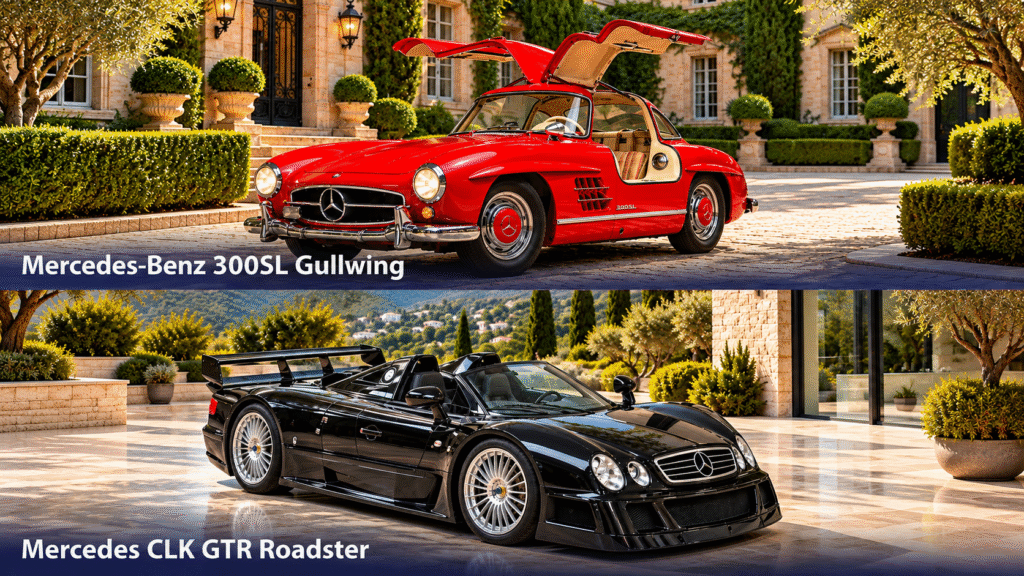
Examining the rear quarter panel of the Ferrari 512M reveals the extreme thermodynamic engineering required to manage the flat-twelve engine architecture. The Ferrari 512M utilizes a 5-liter flat-12 engine. The flat configuration lowers the center of gravity, improving the high-speed cornering dynamics. The engine block consists of a light alloy with dry sump lubrication. The dry sump system pumps oil from a remote reservoir directly into the engine block, eliminating the windage losses associated with traditional oil pans. The camshafts feature a specific overlap duration that dictates the volumetric efficiency of the combustion cycle. The intake velocity stacks route the atomized fuel directly into the combustion chamber. The 512M features a Kevlar and carbon fiber composite body panel. The composite reduces the overall mass of the vehicle, improving the power-to-weight ratio. The Ferrari 328 GT.S. represents a different architectural philosophy. The 328 features a 3.2-liter transverse V8 engine. The transverse mounting shortens the wheelbase, creating a highly responsive steering geometry. The 328 utilizes a tubular steel spaceframe. The spaceframe features specialized triangulated nodes that distribute the torsional loads across the chassis. The 328 features a Magneti Marelli Digiplex electronic ignition system. The system replaces the traditional mechanical contact points, providing a more precise spark timing. The precise timing maximizes the combustion pressure, increasing the power output. The 328 features a five-speed manual transaxle. The transaxle integrates the differential and the gearbox into a single housing, optimizing the weight distribution. The 328 utilizes a specialized Bosch K-Jetronic mechanical fuel injection system. The system utilizes a continuous flow of fuel, controlled by the position of a sensor plate in the intake airstream.
Mercedes-Benz 300SL Gullwing and Mercedes CLK GTR Roadster
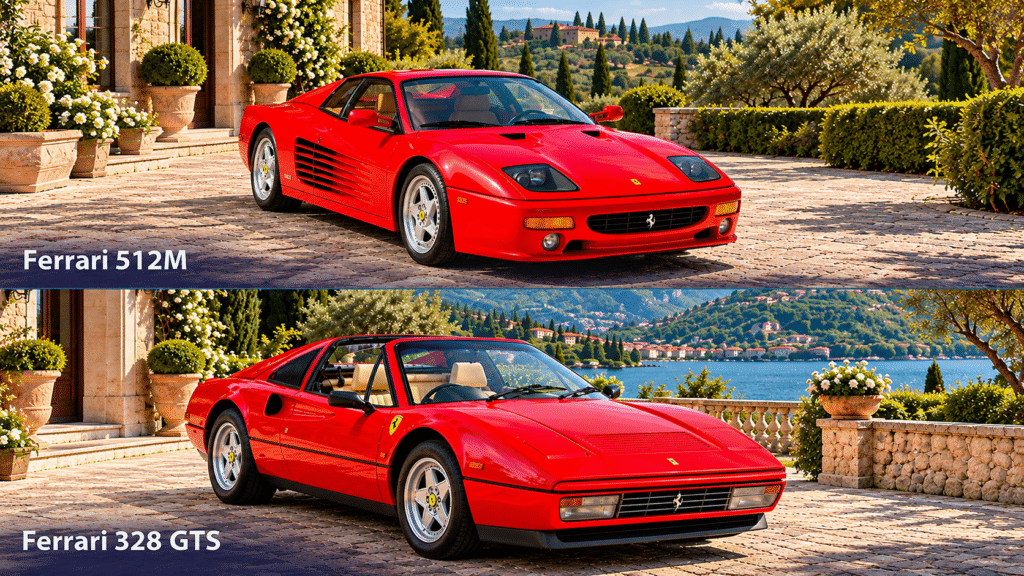
Opening the iconic upward-tilting door of the Mercedes-Benz 300SL Gullwing exposes a structural engineering necessity. The Mercedes-Benz 300SL Gullwing features a tubular spaceframe chassis. The frame incorporates tall sills to provide the necessary torsional rigidity. The high sills prevent the use of traditional doors. The engineers designed the gullwing mechanism to allow entry into the cabin. The mechanism relies on a heavy steel hinge at the roofline. The door drops into a specialized locking mechanism at the base of the A-pillar. The 300SL features a 3.0-liter inline-six engine. The engine utilizes a direct fuel injection system. The system replaces the traditional carburetor, increasing the thermal efficiency of the combustion process. The injection system utilizes a mechanical plunger pump driven by the camshaft. The pump delivers fuel to the nozzles at a specific pressure. The Mercedes CLK GTR Roadster represents the absolute pinnacle of modern motorsport engineering. The CLK GTR features a 6.9-liter V12 engine. The engine produces over 600 horsepower. The chassis consists of a carbon fiber monocoque. The engineers utilized a proprietary resin transfer molding process to construct the chassis. The carbon weave consists of T800 grade fibers. The front splitter features a specialized flexible wing. The wing flexes under aerodynamic load, closing the gap between the splitter and the road. The mechanism reduces the drag at high speeds. The rear wing features a massive airfoil. The wing generates immense downforce, pressing the rear tires into the asphalt. The CLK GTR features a sequential racing gearbox. The gearbox utilizes a specialized dog-ring engagement. The engagement allows for clutchless upshifts, reducing the shift time to 50 milliseconds.
1948 Fiat Rocco Corsa and 1925 Sunbeam Tiger
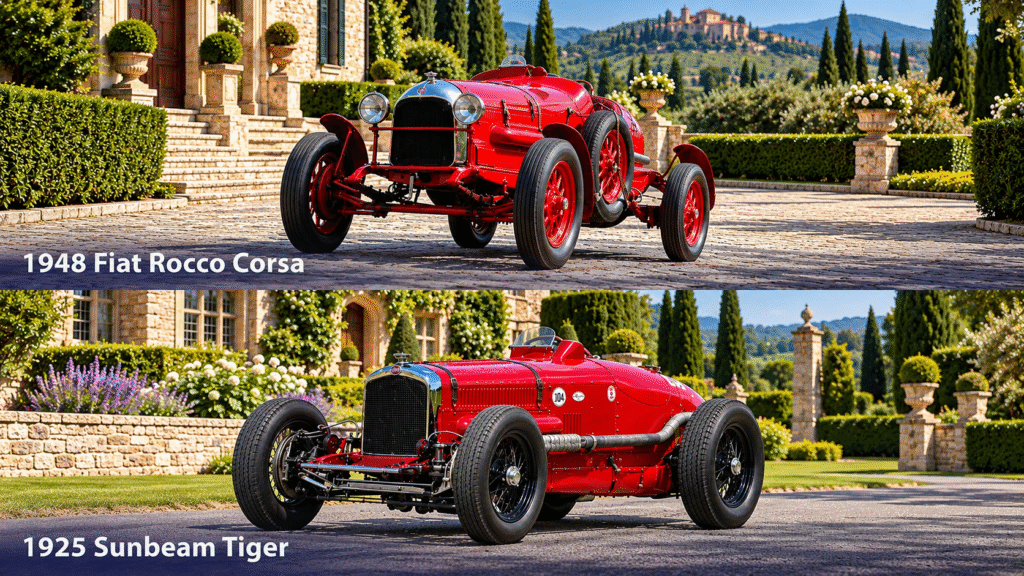
Tracing the exposed aluminum rivets of the 1948 Fiat Rocco Corsa reveals the foundational architecture of post-war Italian racing. The 1948 Fiat Rocco Corsa utilizes a Fiat 1100 four-cylinder engine. The engine features a specialized Siata overhead valve conversion. The conversion replaces the original side-valve architecture, increasing the volumetric efficiency of the combustion chamber. The engine utilizes a specialized Weber carburetor. The carburetor features a twin-choke design that forces the air through a venturi, creating a localized low-pressure zone that draws the fuel into the airstream. The bodywork consists of hand-beaten aluminum panels. The artisans utilized a specialized English wheel to stretch the aluminum over a wooden buck. The chassis features a massive box-section frame. The frame provides the necessary rigidity to handle the torque of the engine. The 1925 Sunbeam Tiger represents the brute force of early land-speed-record engineering. The Sunbeam Tiger features a massive 12-cylinder aircraft engine. The engine displaces 22.4 liters. The engine lacks a traditional transmission. The power routes directly to the rear axle via a specialized clutch. The clutch features a multi-plate design. The plates are bathed in oil to prevent the friction from destroying the metal. The Sunbeam features a massive chain-drive system. The system requires continuous lubrication. The tires consist of a specialized woven cotton fabric. The fabric lacks the structural rigidity of modern synthetic rubber. The driver must manage the massive torque to prevent the tires from disintegrating. The brakes consist of massive external contracting drums. The drums expand against the inner surface of the wheel. The braking system requires immense physical force to operate.
Jaguar E-Type and Jaguar C-Type
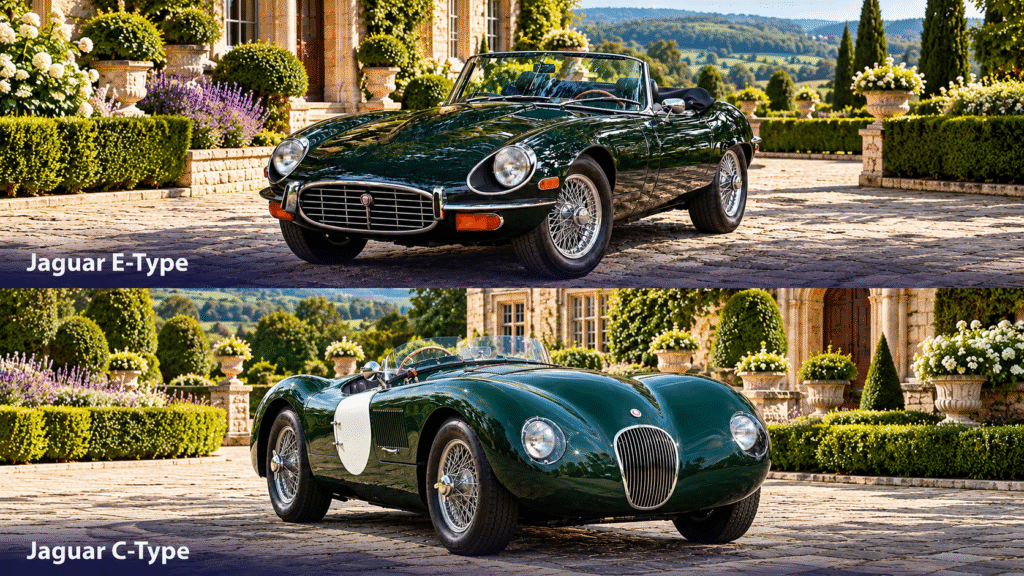
Looking at the sweeping front fender of the Jaguar E-Type reveals the specific aerodynamic architecture that revolutionized 1960s automotive design. The Jaguar E-Type features a 3.8-liter inline-six engine. The engine utilizes a specialized twin-overhead camshaft design. The cylinder head features a hemispherical combustion chamber. The chamber shape creates a specific turbulent swirl, maximizing the fuel-air mixture combustion. The E-Type features a monocoque chassis. The monocoque integrates the body and the frame into a single structural unit. The front subframe bolts directly to the monocoque. The subframe carries the engine and the front suspension. The E-Type features a specialized independent rear suspension. The suspension utilizes a coil spring and a shock absorber. The Jaguar C-Type represents the foundational motorsport engineering of the brand. The C-Type features a tubular steel spaceframe. The spaceframe features specialized triangulated nodes that distribute the torsional loads. The C-Type features the same 3.4-liter inline-six engine. The engine features a specialized set of Weber carburetors. The carburetors increase the fuel flow, raising the power output to 200 horsepower. The C-Type features a lightweight aluminum body. The body panels attach to the spaceframe. The C-Type features massive drum brakes. The brakes utilize a specialized cooling duct to channel air over the friction surface, preventing the thermal fade that plagued earlier designs. The C-Type established the absolute dominance of the brand at the 24 Hours of Le Mans.
1972 Ferrari Dino and Ferrari 365 California Spyder
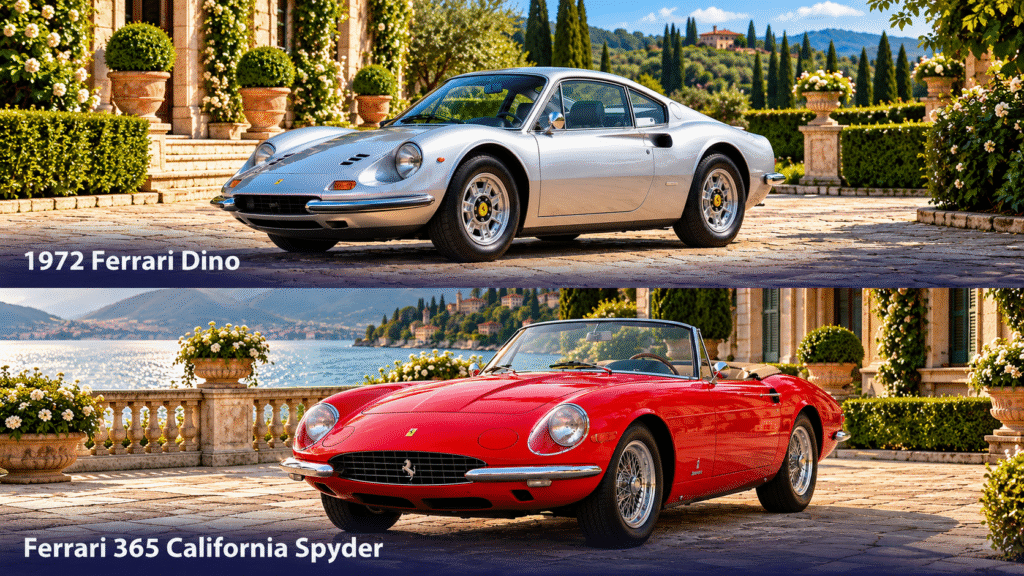
Sitting inside the leather-wrapped cabin of the 1972 Ferrari Dino exposes the specific ergonomic philosophy of the mid-engine layout. The 1972 Ferrari Dino features a 2.4-liter V6 engine. The engine sits transversely behind the driver. The transverse mounting shortens the wheelbase, creating a highly responsive steering geometry. The Dino lacks a traditional Ferrari radiator in the front. The cooling system features a massive radiator in the rear. The radiator draws air through specialized side intakes. The Dino features a specialized independent suspension system. The suspension utilizes unequal-length A-arms. The geometry minimizes the camber change during cornering. The Dino features a five-speed manual transaxle. The transaxle integrates the differential and the gearbox. The Ferrari 365 California Spyder represents the grand touring architecture of the era. The 365 features a 4.4-liter V12 engine. The engine utilizes a specialized six-carburetor setup. The synchronization of the six carburetors requires absolute precision. The 365 features a massive steel tube chassis. The chassis features a specialized X-member frame. The X-member increases the torsional rigidity of the chassis. The 365 features a specialized torque tube drive. The tube encloses the driveshaft, preventing the rotational vibration from transferring into the cabin. The 365 features a massive rear axle. The axle utilizes a specialized leaf spring design. The leaf spring provides the necessary load-carrying capacity for the grand touring luggage.
Rolls-Royce Phantom III and Mercedes-Benz 170 V Roadster
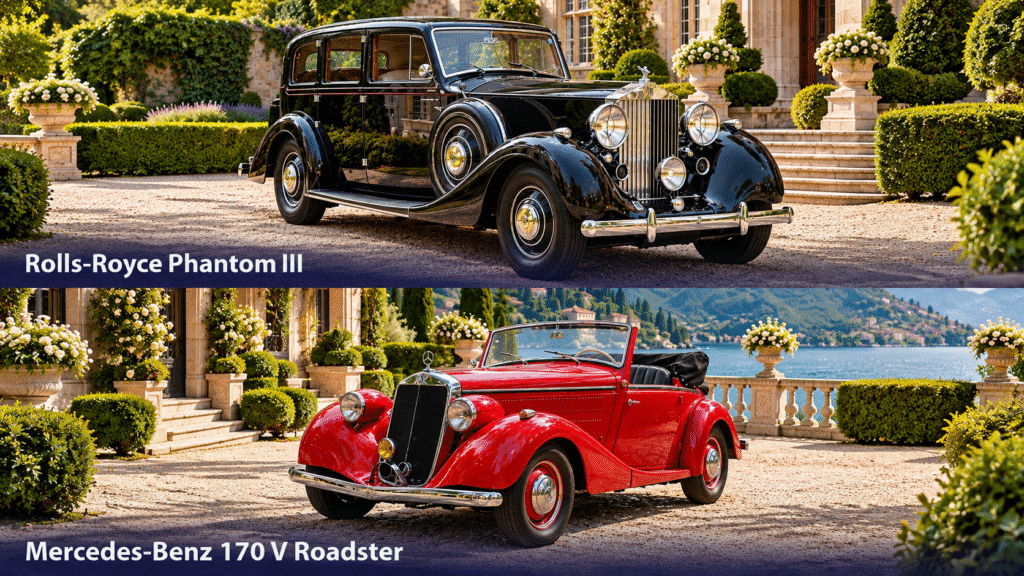
Opening the heavy coach door of the Rolls-Royce Phantom III reveals the extreme engineering density of pre-war luxury architecture. The Rolls-Royce Phantom III features a 7.3-liter V12 engine. The engine features a specialized overhead valve design. The valves operate via a pushrod and rocker arm mechanism. The pushrods run through a specialized passage in the engine block. The engine utilizes a massive dual ignition system. The system features two spark plugs per cylinder. The dual ignition ensures complete combustion of the fuel-air mixture. The Phantom III features a specialized independent front suspension. The suspension utilizes a coil spring and a shock absorber. The suspension eliminates the harshness of the traditional beam axle. The Mercedes-Benz 170 V Roadster represents the absolute precision of German engineering. The 170 V features a 1.7-liter four-cylinder engine. The engine features a specialized side-valve design. The side-valve architecture is simple and reliable. The 170 V features a massive X-shaped oval tube chassis. The chassis provides the necessary rigidity for the independent suspension. The 170 V features a specialized swing-axle rear suspension. The suspension utilizes two half-shafts. The half-shafts act as the control arms. The suspension provides a smooth ride, but the geometry causes severe camber changes during cornering. The 170 V features a specialized all-synchromesh gearbox. The gearbox allows the driver to shift gears without double-clutching.
Jaguar D-Type and Jaguar XJ220
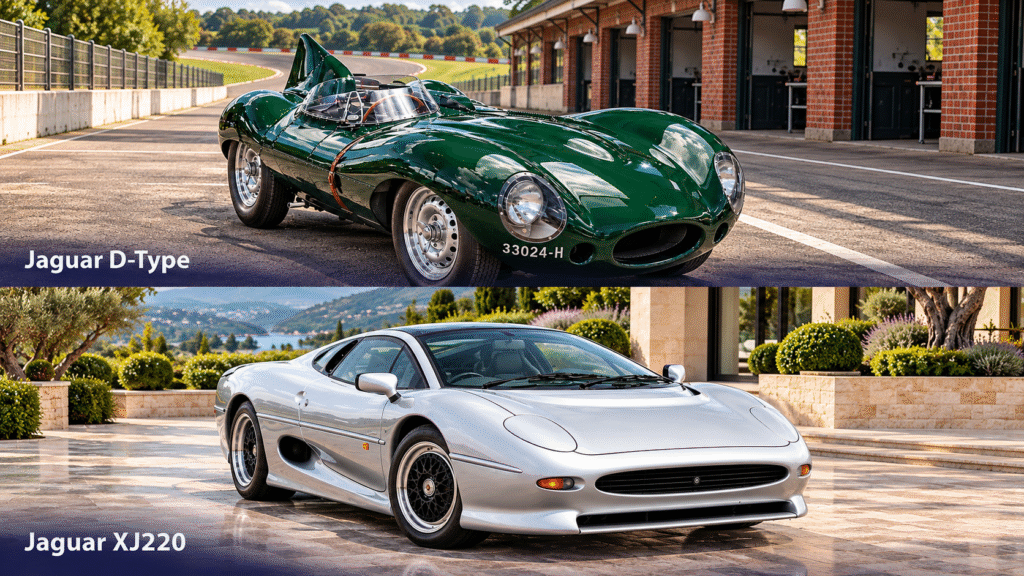
Examining the front fin of the Jaguar D-Type exposes the specific aerodynamic architecture that dominated the 24 Hours of Le Mans. The Jaguar D-Type features a specialized monocoque chassis. The monocoque utilizes an aircraft-inspired stressed-skin design. The body panels carry the structural loads. The D-Type features a massive vertical fin behind the driver. The fin stabilizes the car at high speeds, preventing the rear end from oscillating in the slipstream. The D-Type features a 3.8-liter inline-six engine. The engine utilizes a specialized dry sump lubrication system. The system lowers the engine height, allowing the engineers to design a lower hood line. The Jaguar XJ220 represents the absolute pinnacle of 1990s hypercar engineering. The XJ220 features a 3.5-liter twin-turbocharged V6 engine. The engine produces 542 horsepower. The chassis consists of an aluminum honeycomb monocoque. The honeycomb structure provides extreme torsional rigidity. The body panels feature a specialized aluminum skin. The engineers utilized a specialized adhesive bonding process to attach the skin to the chassis. The XJ220 features a massive rear wing. The wing features a specialized active aero profile. The profile alters its pitch based on the speed, reducing the drag at high speeds and increasing the downforce during cornering. The XJ220 features a five-speed manual transaxle. The transaxle features a specialized syncromesh system. The system allows the driver to engage the gears smoothly at high RPM.
1977 Ensign F1 and March 73A F5000
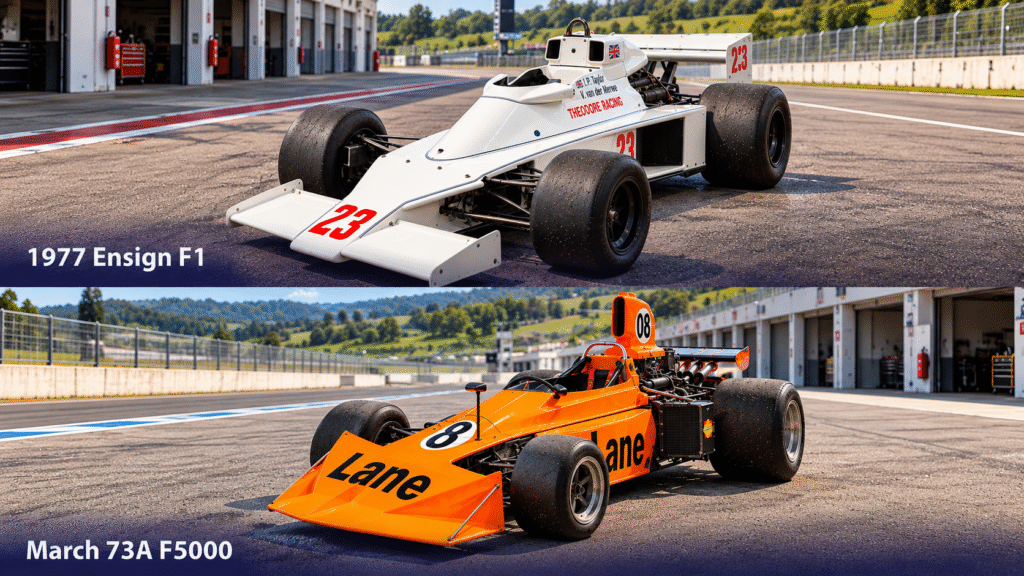
Looking at the exposed suspension of the 1977 Ensign F1 car reveals the extreme engineering of the ground-effect era. The 1977 Ensign F1 features a specialized Cosworth DFV V8 engine. The engine produces 500 horsepower. The engine bolts directly to the aluminum monocoque, acting as a stressed member of the chassis. The Ensign features a specialized inboard suspension system. The system routes the suspension components inside the bodywork to reduce the aerodynamic drag. The Ensign features a specialized front wing. The wing features a multi-element design. The elements maximize the downforce on the front axle. The March 73A F5000 represents the brute force of the Formula 5000 category. The March 73A features a massive 5-liter Chevrolet V8 engine. The engine produces 600 horsepower. The March 73A features a specialized tubular steel spaceframe. The spaceframe features specialized triangulated nodes. The 73A features massive rear slick tires. The tires provide the necessary traction to handle the immense torque of the V8 engine. The 73A features a specialized Hewland gearbox. The gearbox features a specialized dog-ring engagement. The engagement allows the driver to change gears without using the clutch. The 73A features a specialized rear wing. The wing features a massive single-element airfoil. The airfoil generates the downforce required to keep the rear end stable under heavy braking. The engineering prioritizes absolute power and structural durability over the aerodynamic efficiency of the contemporary F1 cars.
Mercedes-Benz 300SL Gullwing and Mercedes 630K Supercharged
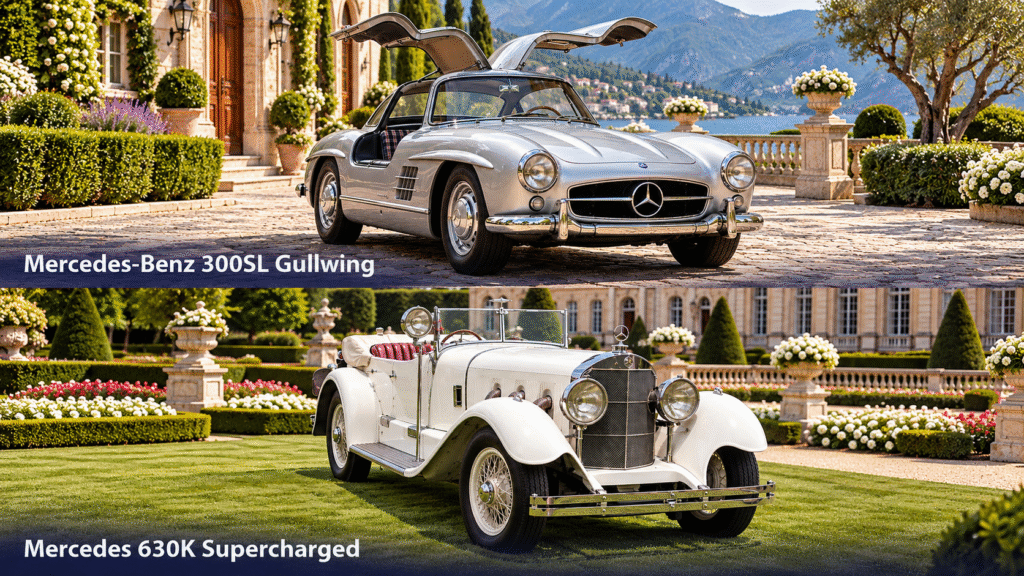
Lifting the heavy hood of the Mercedes 630K Supercharged exposes the massive mechanical complexity of the pre-war supercharged architecture. The Mercedes 630K Supercharged features a 6.3-liter inline-six engine. The engine utilizes a specialized Roots-type supercharger. The supercharger sits between the engine and the firewall. The supercharger engages via a specialized magnetic clutch. The clutch activates when the driver floors the throttle. The supercharger forces massive volumes of air into the carburetor, increasing the power output by 50 percent. The 630K features a massive channel-section steel chassis. The chassis features a rigid beam axle. The axle utilizes massive semi-elliptic leaf springs. The 630K features a massive 4-speed gearbox. The gearbox features specialized sliding spur gears. The gears require the driver to double-clutch to synchronize the rotational speeds. The Mercedes-Benz 300SL Gullwing represents a different era of engineering. The 300SL features a 3.0-liter inline-six engine. The engine utilizes a specialized direct fuel injection system. The injection system replaces the traditional carburetor. The system utilizes a mechanical plunger pump driven by the camshaft. The pump delivers fuel to the nozzles at a specific pressure. The 300SL features a tubular spaceframe chassis. The frame incorporates tall sills to provide the necessary torsional rigidity. The high sills prevent the use of traditional doors, forcing the engineers to design the gullwing mechanism. The 300SL features a specialized independent suspension system. The suspension utilizes a swing-axle design. The swing-axle provides a smooth ride, but the geometry causes severe camber changes during aggressive cornering.
Ferrari 612 and Lamborghini Countach
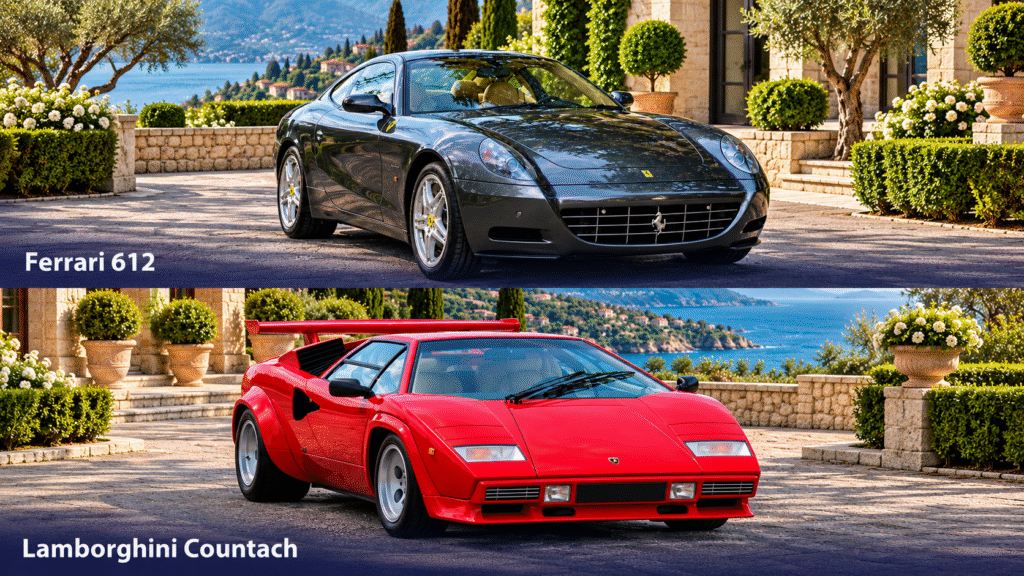
Opening the scissor door of the Lamborghini Countach exposes the extreme geometric architecture of the 1970s wedge design. The Lamborghini Countach features a 3.9-liter V12 engine. The engine sits longitudinally behind the driver. The engine features a specialized six-carburetor setup. The synchronization of the six carburetors requires absolute precision. The Countach features a tubular steel spaceframe. The spaceframe features specialized triangulated nodes. The Countach features a specialized scissor door hinge. The hinge relies on a massive hydraulic gas damper that forces the 80-pound door panel upward. The driver must step over the massive carbon fiber sill to enter the cabin. The Ferrari 612 represents the grand touring architecture of the modern era. The 612 features a 5.7-liter V12 engine. The engine utilizes a specialized variable valve timing system. The system adjusts the camshaft overlap based on the engine speed, maximizing the torque output. The 612 features an aluminum chassis. The chassis utilizes a specialized welded aluminum structure. The 612 features a specialized automated manual gearbox. The gearbox utilizes a specialized dual-clutch system. The system pre-selects the next gear, allowing for instantaneous shifts. The 612 features a specialized adaptive suspension system. The system utilizes magnetic fluid in the dampers. The fluid changes viscosity in milliseconds, adjusting the damping force based on the road surface scan. The 612 represents the absolute integration of digital electronics and mechanical engineering, while the Countach represents the pure, analog brutality of the 1970s.
Alfa Romeo 2500S Bucci Special and Maserati OSCA Tipo S Le Mans Car
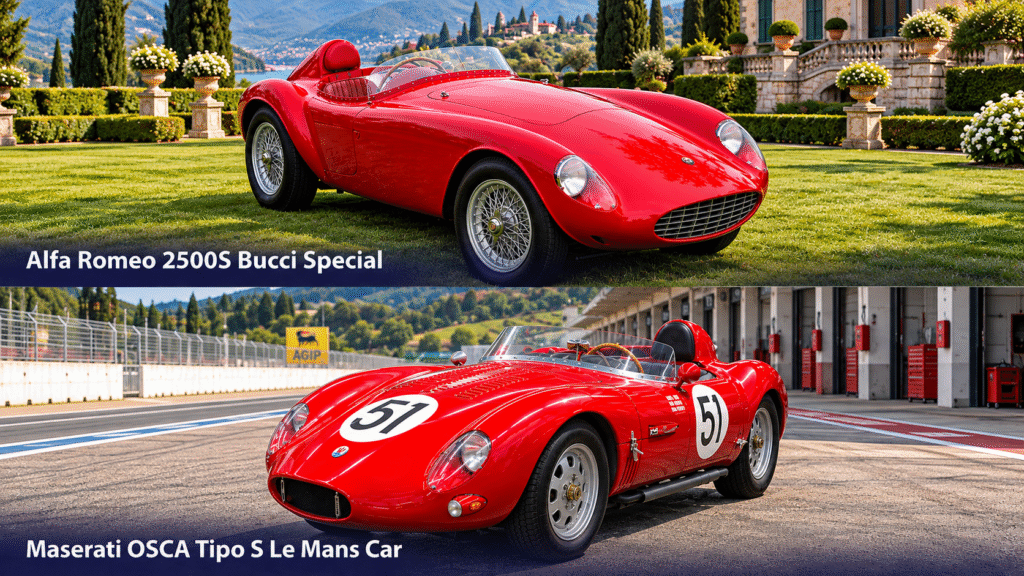
Examining the hand-formed aluminum body of the Alfa Romeo 2500S Bucci Special reveals the absolute artistry of the Italian coachbuilding tradition. The Alfa Romeo 2500S Bucci Special features a 2.5-liter inline-six engine. The engine features a specialized double-overhead camshaft design. The cylinder head features a hemispherical combustion chamber. The Bucci Special features a specialized bespoke chassis. The chassis utilizes a massive box-section frame. The Maserati OSCA Tipo S Le Mans Car represents the absolute pinnacle of 1950s sports racing engineering. The OSCA features a 1.5-liter inline-four engine. The engine features a specialized twin-spark ignition system. The twin-spark system ensures complete combustion of the fuel-air mixture. The OSCA features a specialized tubular steel spaceframe. The spaceframe features specialized triangulated nodes. The OSCA features a lightweight aluminum body. The body panels attach to the spaceframe via specialized Dzus fasteners. The Dzus fasteners allow the mechanics to remove the body panels rapidly during a pit stop. The OSCA features a specialized drum brake system. The brakes utilize a specialized cooling duct to channel air over the friction surface. The OSCA features a specialized five-speed manual transaxle. The transaxle integrates the differential and the gearbox into a single housing, optimizing the weight distribution. The OSCA represents the absolute dominance of the Italian small-capacity racing cars at the 24 Hours of Le Mans.
Mercedes-Benz S-Class and Ferrari 275 GTB
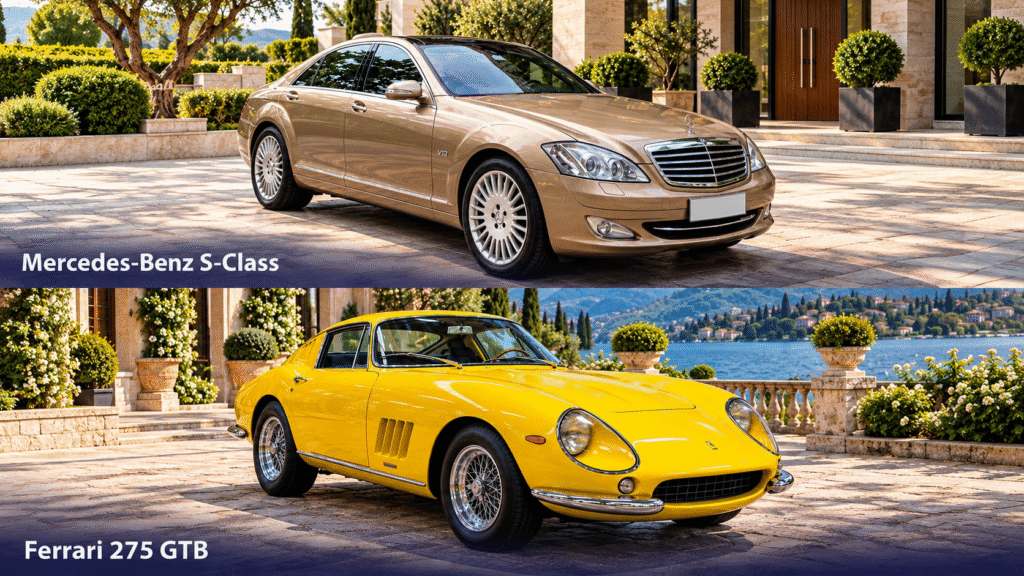
Sitting inside the cabin of the Mercedes-Benz S-Class exposes the specific architectural philosophy of German luxury engineering. The Mercedes-Benz S-Class features a 6.0-liter V12 engine. The engine features a specialized twin-turbocharger setup. The turbochargers force massive volumes of air into the combustion chamber, increasing the power output to over 500 horsepower. The S-Class features a specialized Active Body Control system. The system utilizes specialized hydraulic rams on each wheel. The rams counteract the body roll during cornering, keeping the chassis perfectly level. The S-Class features a specialized double-pane acoustic glass. The glass features a specialized PVB interlayer that blocks specific frequency ranges, eliminating the tire roar and the wind noise. The Ferrari 275 GTB represents the absolute pinnacle of 1960s front-engine V12 engineering. The 275 features a 3.3-liter V12 engine. The engine utilizes a specialized six-carburetor setup. The 275 features a specialized tubular steel chassis. The chassis features a specialized independent rear suspension. The suspension utilizes unequal-length A-arms. The 275 features a specialized five-speed manual transaxle. The transaxle integrates the differential and the gearbox into a single housing, optimizing the weight distribution. The 275 features a specialized dry sump lubrication system. The system pumps oil from a remote reservoir directly into the engine block, eliminating the windage losses associated with a traditional oil pan. The 275 represents the absolute integration of racing engineering into a road-going grand tourer.
Jaguar XJR-15 and 1913 Rolls-Royce Silver Ghost
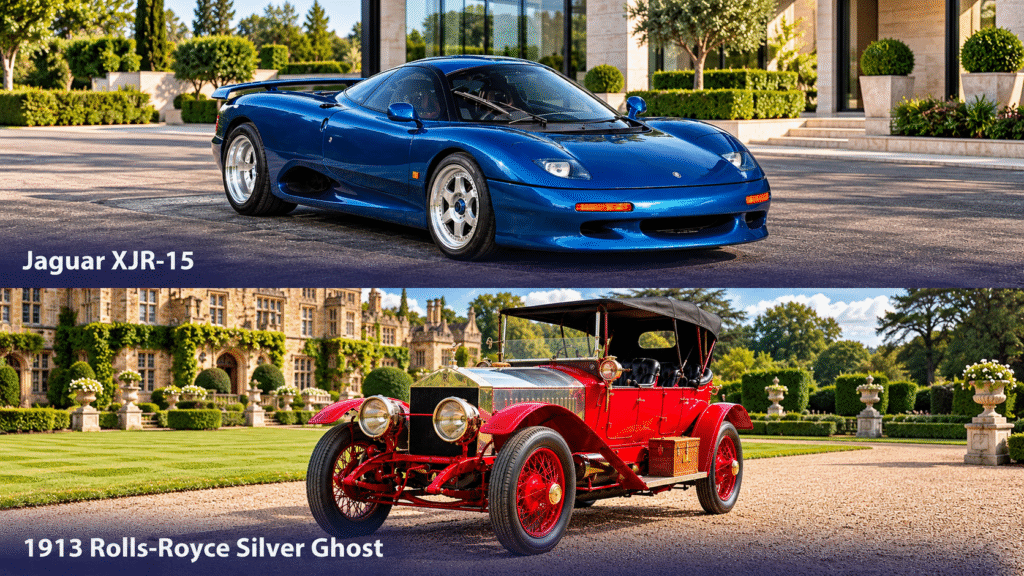
Opening the lightweight carbon fiber door of the Jaguar XJR-15 exposes the extreme material science of the 1990s hypercar era. The Jaguar XJR-15 features a 6.0-liter V12 engine. The engine produces 450 horsepower. The chassis consists of a carbon fiber and Kevlar composite monocoque. The engineers utilized a proprietary resin transfer molding process to construct the chassis. The carbon weave consists of T800 grade fibers. The XJR-15 features a specialized active suspension system. The system utilizes a specialized hydraulic ram on each wheel. The XJR-15 features a massive rear wing. The wing generates immense downforce, pressing the rear tires into the asphalt. The 1913 Rolls-Royce Silver Ghost represents the absolute pinnacle of Edwardian engineering. The Silver Ghost features a 7.4-liter inline-six engine. The engine features a specialized side-valve design. The engine utilizes a specialized dual ignition system. The system features two spark plugs per cylinder. The Silver Ghost features a massive channel-section steel chassis. The chassis features a rigid beam axle. The axle utilizes massive semi-elliptic leaf springs. The Silver Ghost features a specialized 4-speed gearbox. The gearbox features specialized sliding spur gears. The Silver Ghost features a specialized rear axle. The axle utilizes a specialized worm and wheel design. The design provides a smooth and quiet power delivery. The Silver Ghost established the absolute standard for reliability and silence in the early automotive industry.
Porsche 550 Spyder and Allard J2
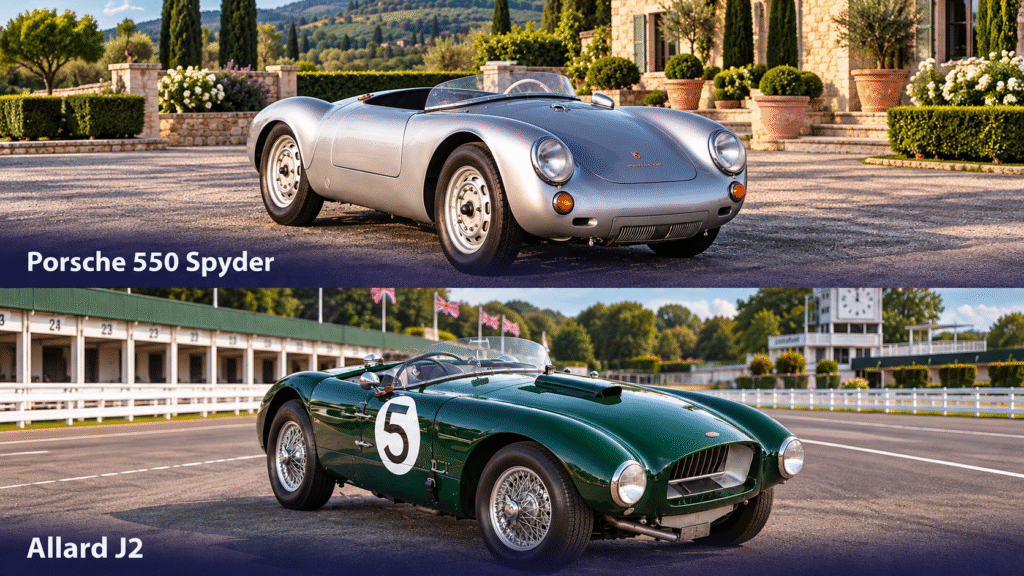
Examining the aluminum body of the Porsche 550 Spyder reveals the specific mid-engine architecture that revolutionized 1950s sports car racing. The Porsche 550 Spyder features a 1.5-liter flat-four engine. The engine sits behind the driver. The flat configuration lowers the center of gravity, improving the high-speed cornering dynamics. The engine features a specialized dual-overhead camshaft design. The cylinder head features a hemispherical combustion chamber. The 550 features a specialized tubular steel spaceframe. The spaceframe features specialized triangulated nodes. The 550 features a specialized 4-speed manual transaxle. The transaxle integrates the differential and the gearbox into a single housing. The 550 features a specialized drum brake system. The brakes utilize a specialized cooling duct to channel air over the friction surface. The Allard J2 represents the brute force of American-British hybrid engineering. The J2 features a massive 5.4-liter Cadillac V8 engine. The engine produces 300 horsepower. The J2 features a specialized split-axle front suspension. The suspension utilizes a specialized swing-axle design. The suspension provides a smooth ride, but the geometry causes severe camber changes during aggressive cornering. The J2 features a specialized massive rear axle. The axle utilizes a specialized de Dion tube design. The de Dion tube locates the rear axle, preventing the camber changes associated with the swing-axle design. The J2 represents the absolute integration of massive American V8 power into a lightweight British chassis.
1929 Ford Model A and Shelby Cobra 427
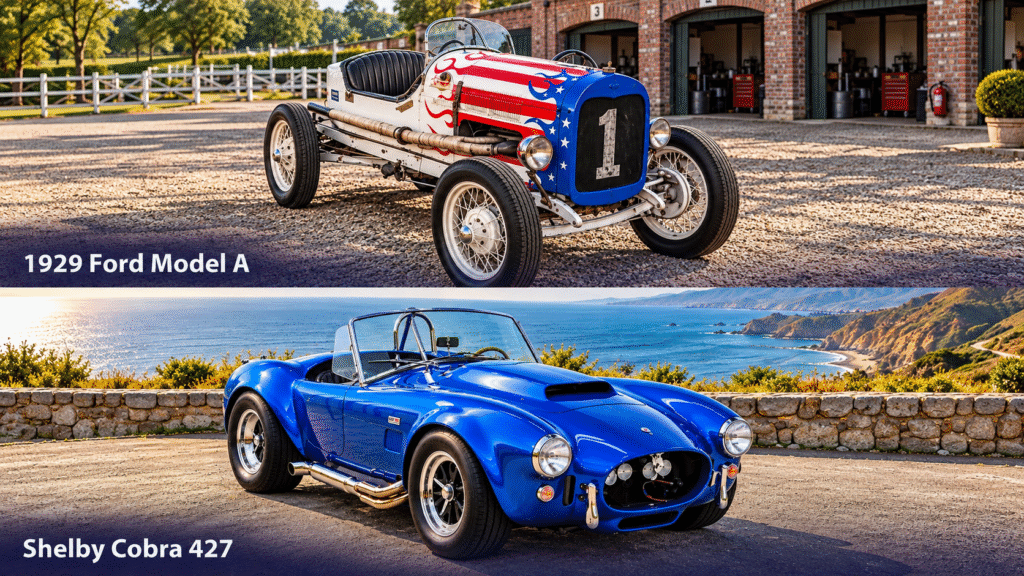
Looking at the exposed chassis of the 1929 Ford Model A reveals the foundational architecture of the early automotive industry. The 1929 Ford Model A features a 3.3-liter inline-four engine. The engine features a specialized L-head design. The engine utilizes a specialized updraft carburetor. The carburetor features a single-choke design. The Model A features a massive channel-section steel chassis. The chassis features a rigid beam axle. The axle utilizes massive transverse semi-elliptic leaf springs. The Model A features a specialized 3-speed sliding-mesh gearbox. The gearbox requires the driver to double-clutch to synchronize the rotational speeds. The Shelby Cobra 427 represents the absolute pinnacle of American muscle car engineering. The Cobra features a massive 7.0-liter V8 engine. The engine produces 425 horsepower. The Cobra features a specialized tubular steel spaceframe. The spaceframe features specialized triangulated nodes. The Cobra features a specialized independent front suspension. The suspension utilizes unequal-length A-arms. The Cobra features a massive rear axle. The axle utilizes a specialized leaf spring design. The Cobra features massive 4-wheel disc brakes. The brakes utilize a specialized vacuum assist system to reduce the pedal effort required to stop the massive vehicle. The Cobra represents the absolute integration of massive American V8 power into a lightweight British roadster chassis, creating a machine that dominated the 1960s sports car racing scene.
Plymouth Prowler and McLaren M10A F5000
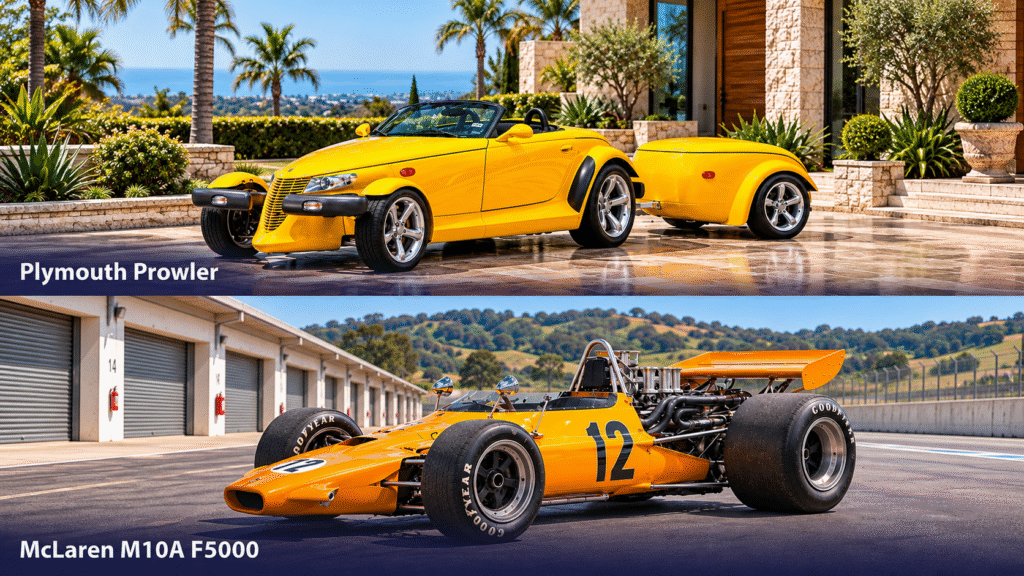
Examining the exposed front wheels of the Plymouth Prowler reveals the specific retro-styled engineering of the 1990s American market. The Plymouth Prowler features a 3.5-liter V6 engine. The engine produces 253 horsepower. The Prowler features a specialized aluminum body. The body panels utilize a specialized extrusion process. The Prowler features a specialized independent front suspension. The suspension utilizes unequal-length A-arms. The Prowler features a specialized 4-speed automatic transaxle. The transaxle features a specialized electronic control unit. The McLaren M10A F5000 represents the absolute pinnacle of 1970s open-wheel racing engineering. The McLaren features a massive 5-liter Chevrolet V8 engine. The engine produces 500 horsepower. The McLaren features a specialized aluminum monocoque chassis. The monocoque utilizes a specialized stressed-skin design. The body panels carry the structural loads. The McLaren features a specialized inboard suspension system. The system routes the suspension components inside the bodywork to reduce the aerodynamic drag. The McLaren features a specialized Hewland gearbox. The gearbox features a specialized dog-ring engagement. The engagement allows the driver to change gears without using the clutch. The McLaren features massive rear slick tires. The tires provide the necessary traction to handle the immense torque of the V8 engine. The engineering prioritizes absolute power and structural durability over the aesthetic considerations of the contemporary road cars.
BMW M1 and Porsche Boxster
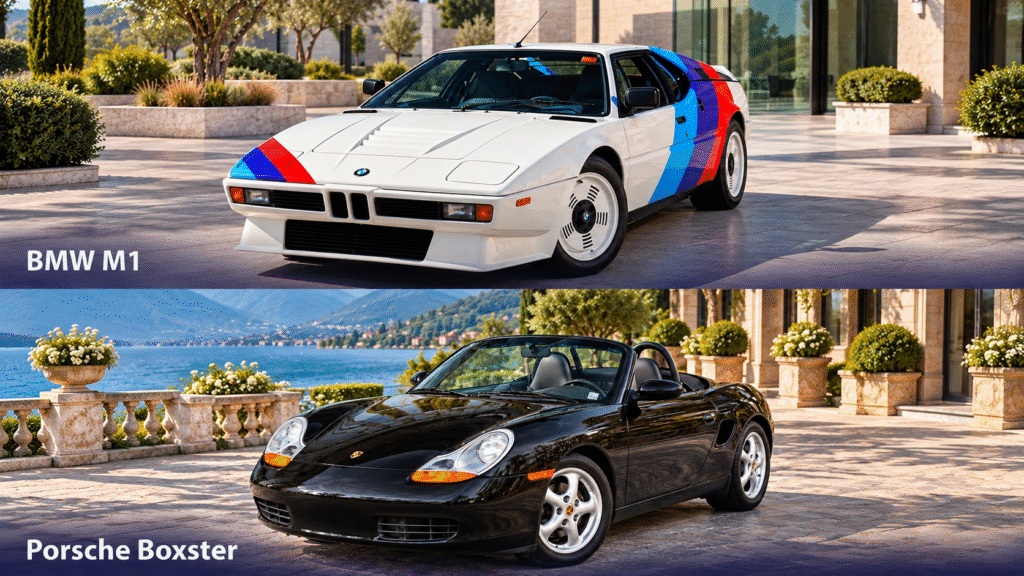
Opening the doors of the BMW M1 exposes the specific mid-engine architecture of the 1970s German supercar. The BMW M1 features a 3.5-liter inline-six engine. The engine produces 273 horsepower. The engine sits longitudinally behind the driver. The engine features a specialized single-overhead camshaft design. The cylinder head features a hemispherical combustion chamber. The M1 features a specialized tubular steel spaceframe. The spaceframe features specialized triangulated nodes. The M1 features a specialized independent suspension system. The suspension utilizes unequal-length A-arms. The M1 features a specialized 5-speed manual transaxle. The transaxle integrates the differential and the gearbox into a single housing. The Porsche Boxster represents the modern iteration of the mid-engine layout. The Boxster features a 2.7-liter flat-six engine. The engine sits horizontally behind the driver. The flat configuration lowers the center of gravity. The Boxster features a specialized water-cooled cylinder head. The head utilizes a specialized cross-flow design. The Boxster features a specialized aluminum chassis. The chassis utilizes a specialized welded aluminum structure. The Boxster features a specialized 5-speed manual transaxle. The transaxle features a specialized syncromesh system. The Boxster features a specialized active suspension system. The system utilizes a specialized variable damping control. The M1 and the Boxster represent the continuous evolution of the mid-engine layout, prioritizing balance and agility over the brute force of the front-engine V12 architecture.
Mercedes-Benz 220 SE and Maybach 62
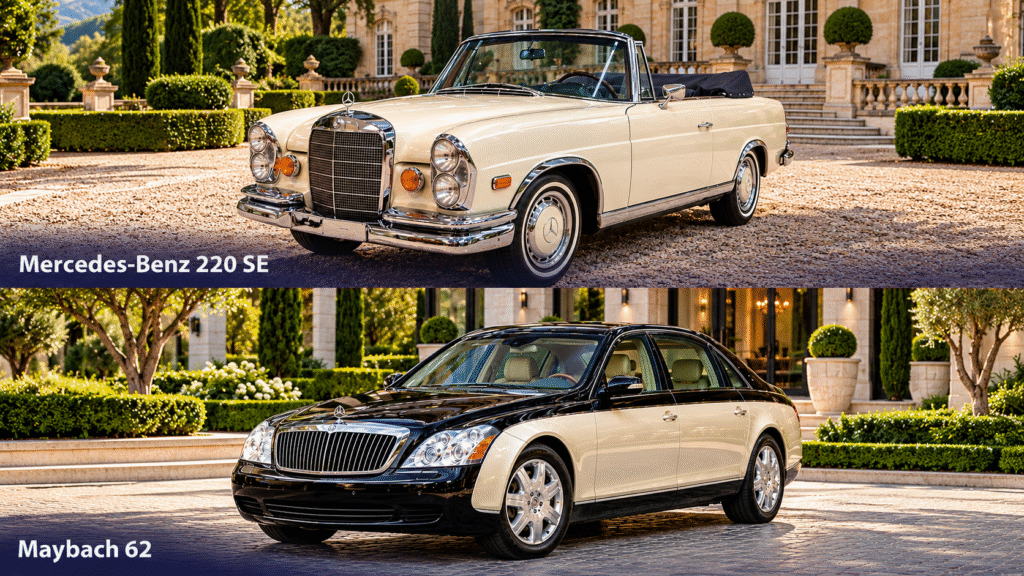
Sitting inside the cabin of the Mercedes-Benz 220 SE exposes the specific architectural philosophy of 1950s German luxury engineering. The Mercedes-Benz 220 SE features a 2.2-liter inline-six engine. The engine utilizes a specialized fuel injection system. The system replaces the traditional carburetor, increasing the thermal efficiency of the combustion process. The 220 SE features a specialized ponton body design. The body features a massive single-piece fender. The 220 SE features a specialized 4-speed manual gearbox. The gearbox features specialized sliding spur gears. The Maybach 62 represents the absolute pinnacle of modern ultra-luxury engineering. The Maybach 62 features a 5.5-liter twin-turbocharged V12 engine. The engine produces 550 horsepower. The Maybach 62 features a specialized long wheelbase architecture. The wheelbase measures 3.8 meters. The Maybach 62 features a specialized rear seat architecture. The rear seats feature a specialized reclining mechanism. The seats utilize a specialized pneumatic lumbar support system. The Maybach 62 features a specialized double-pane acoustic glass. The glass features a specialized PVB interlayer that blocks specific frequency ranges, eliminating the tire roar and the wind noise. The Maybach 62 features a specialized air suspension system. The system utilizes a specialized compressor to adjust the ride height. The Maybach 62 represents the absolute integration of digital electronics and mechanical engineering, creating a completely isolated environment for the ultra-wealthy occupants.
The Economic Architecture of the Vijay Mallya Car Collection
The valuation of the Vijay Mallya Car Collection stems from the economics of scarcity and labor. The financial mechanism of haute horology bypasses standard retail metrics. The cost of the raw materials, the aluminum, and the steel, represents a fraction of the total valuation. The capital expenditure lies in the labor. A single mechanic requires hundreds of hours to assemble the engine. The engineering development requires thousands of hours of design and prototyping. The valuation factors in the impossibility of mass production. The machines used to mill the cylinder heads require constant calibration. The tools wear out and require replacement. The pricing strategy captures a specific demographic. The buyer values the mechanical complexity over the raw material value. The collection operates as a store of capital. The asset resists the depreciation curves of standard consumer goods. The limited production run ensures the scarcity dictates the secondary market valuation. The collection functions as a physical vault. The capital is locked into the mechanical architecture, completely isolated from the volatility of the digital financial markets. The economic architecture of the collection ensures the assets remain immune to the fluctuations of the global stock markets. The valuation of the cars relies on the absolute provenance of the chassis numbers and the historical documentation of the racing victories. The acquisition of the cars requires a direct, private transaction, completely bypassing the traditional consumer retail environment. The buyers utilize private treaty sales and closed-room auctions, rejecting the predictable inventory of mass-market dealers.
The Thermodynamics of Preservation and Climate Control
The preservation of the Vijay Mallya Car Collection requires a highly specific environmental protocol. The storage facility utilizes a specialized climate control system that monitors the humidity levels within the storage bays. The mechanism involves a dehumidification unit that draws moisture from the air, channeling it out through a specialized condensate drain. The humidity remains locked at 40 percent to prevent the microscopic expansion of the 1920s aluminum body panels. The facility maintains a constant temperature of 18 degrees Celsius. The temperature prevents the degradation of the organic compounds in the leather seats and the rubber seals. The facility features a specialized ventilation system. The system utilizes a specialized energy recovery ventilator. The ventilator exchanges the internal air with fresh exterior air every two hours, capturing the thermal energy from the exhaust air to precondition the incoming air. The facility features a specialized UV filtration system. The system blocks 99 percent of the ultraviolet radiation from the lighting. The UV filtration prevents the photochemical degradation of the original paint pigments. The facility features a specialized fire suppression system. The system utilizes a specialized argon gas deployment. The gas displaces the oxygen, preventing the combustion of the flammable materials. The argon gas does not leave any residue, preventing the damage to the sensitive electronic components in the modern hypercars. The thermodynamics of the preservation dictate the operational longevity of the assets. The physical reality of the storage facility ensures the mechanical components remain absolutely pristine. The environmental control system prevents the formation of corrosion on the bare metal surfaces. The engineering of the storage facility reflects the same attention to material science applied to the construction of the cars themselves. The preservation ensures the mechanical friction of the gear teeth and the camshaft profiles remains absolutely constant.
The Logistics of Moving Rolling Art
Moving the assets of the Vijay Mallya Car Collection from the storage facility to the concourse lawn requires a specific logistical architecture. The mechanism of the transport involves a specialized enclosed trailer. The trailer features a specialized climate control system. The system maintains a constant temperature and humidity during transit. The trailer features a specialized air ride suspension system. The system utilizes a specialized electronic control unit to monitor the road conditions. The system adjusts the air pressure in the suspension bags in milliseconds, isolating the vintage chassis from the vibrations of the highway. The vehicles sit in specialized wheel chocks. The chocks prevent the tires from rotating. The vehicles utilize specialized soft webbing straps. The straps loop through the structural suspension components. The mechanism avoids the use of metal hooks that could shatter the carbon fiber bodywork. The logistics team utilizes a specialized route planning software. The software analyzes the road conditions and the bridge heights. The team avoids routes with rough pavement or steep inclines. The vehicles remain insured for the full replacement value during transit. The insurance underwriting requires a specialized security escort. The escort vehicles monitor the transport trailer via a localized radio frequency. The logistics of moving the rolling art dictate the operational reality of the collection. The physical reality of the transport requires absolute precision. The engineering of the transport process ensures the mechanical integrity of the vehicles remains absolutely intact. The friction of the transport process disappears behind a facade of effortless luxury, anchored entirely by the structural steel and the air ride suspension hidden beneath the surface.
The Legal Framework of Asset Seizure and Transfer
The legal architecture surrounding the Vijay Mallya Car Collection involves a complex framework of international law. The mechanism of the asset transfer involves a specialized legal structure. The vehicles are held by a specialized offshore corporate entity. The corporate structure provides a layer of legal anonymity. The legal framework complicates the process of asset seizure by international regulators. The legal team utilizes a specialized web of cross-border trusts. The trusts isolate the physical assets from the personal liability of the original owner. The legal mechanics dictate the operational reality of the collection. The regulators must navigate the complex legal framework to establish the beneficial ownership of the vehicles. The legal process involves extensive discovery and international litigation. The regulators must prove the vehicles were acquired with the proceeds of illicit activity. The legal framework ensures the assets remain isolated from the volatility of the personal financial status of the owner. The physical reality of the cars dictates the legal strategy. The regulators cannot easily seize a vintage Ferrari without specialized knowledge of the transport and the storage requirements. The legal architecture of the collection reflects the extreme capital required to control the physical infrastructure. The legal mechanics of the asset transfer ensure the collection remains a highly contested piece of international financial litigation. The friction of the legal process ensures the physical assets remain stationary while the digital title flows through the global financial system. The permanence of the legal architecture outlasts the political fluctuations, ensuring the capital remains anchored to the specific geographic coordinates of the storage facility.
The Contrast of Mass Consumption and Bespoke Engineering
The acquisition of the vehicles in the Vijay Mallya Car Collection bypasses the traditional retail ecosystem entirely. The buyers utilize private treaty sales and closed-room auctions, completely rejecting the predictable inventory of mass-market dealers. The target demographic completely ignores the seasonal discount cycles associated with Luxury Outlet Shopping. The valuation stems from the impossibility of mass production. The supply of the vintage Ferrari cylinder heads is physically limited by the manufacturing capacity of the 1960s foundries. The capital required to engineer a one-off carburetor exceeds the standard margin of the vehicle. The economics reject the concept of economy of scale. The price does not decrease as production increases. The production remains strictly limited. The scarcity ensures the vehicles retain their exclusivity. The visual impact of the cars on the road does not rely on a visible logo. The recognition stems from the specific texture of the hand-beaten aluminum body panels and the unique profile of the aerodynamic wings. The collection functions as a physical cipher for extreme wealth. The owner signals their understanding of material quality over conspicuous branding. The bespoke nature of the engineering ensures the brand identity remains pure. The contrast highlights the divergence in consumption patterns between the mass market and the ultra-wealthy. The mass market consumes disposable goods. The ultra-wealthy acquire permanent infrastructure. The physical reality of the rolling stock dictates the operational reality of the collection. The capital translates directly into physical safety for the occupants and the preservation of the mechanical architecture. The bespoke engineering operates as a physical manifestation of extreme wealth deployed for mechanical preservation.
The Permanence of Mechanical Friction and Capital
The physical accumulation of these vehicles represents a specific architectural permanence. The Vijay Mallya Car Collection exists entirely outside the modern paradigm of disposable, software-driven transportation. The mechanical friction that defines these machines creates a direct physical link between the driver and the internal combustion process. The 18-karat gold, the carbon fiber monocoque, and the magnesium wheels anchor these objects to the earth. The internal combustion engines will outlast the lithium-ion battery arrays that power the modern automotive fleet. The bespoke structural geometries ensure the vehicles cannot be easily replicated. The artisans who hand-stitch the leather and hand-polish the aluminum leave a specific physical trace on the materials. The valuation of the cars stems from the impossibility of automated mass production. The capital required to engineer a one-off cooling manifold exceeds the total development budget of a standard production sedan. The permanence of the mechanics ensures these vehicles will function perfectly when the digital infrastructure of the modern world fails. The physical reality of the gear teeth ensures the rotation of the wheels will remain absolutely constant, driven by the mechanical expansion of combusting gases. The assets stand as a testament to the physical limits of human engineering precision. The physical weight of the platinum and titanium ensures these machines will remain anchored to the earth, outlasting the transient digital wealth that facilitated their acquisition. The mechanical friction dictates the operational reality of the collection. The permanence of the assets ensures the mechanical architecture will remain a permanent fixture of the automotive landscape, outlasting the legal and financial controversies that surround the collection.
FAQ
What defines the engineering of the Vijay Mallya Car Collection?
The collection relies on extreme material science and mechanical complexity, featuring vehicles with carbon fiber monocoques, dry sump lubrication systems, and specialized aerodynamic profiles engineered for high-speed stability and thermal management.
How does the Mercedes-Benz 300SL Gullwing door mechanism work?
The gullwing door mechanism is a structural necessity dictated by the tubular spaceframe chassis. The high sills required for torsional rigidity prevent traditional doors, requiring heavy steel hinges at the roofline and a specialized locking mechanism at the base of the A-pillar.
What is the significance of the dry sump lubrication system in the Jaguar D-Type?
The dry sump system pumps oil from a remote reservoir directly into the engine block, eliminating windage losses and lowering the engine height, which allows for a lower hood line and improved aerodynamic efficiency.
How does the Ferrari 365 California Spyder manage the synchronization of its carburetors?
The 365 California Spyder features a 4.4-liter V12 engine with a specialized six-carburetor setup. The synchronization requires absolute precision in the mechanical linkage to ensure the airflow and fuel delivery are balanced across all twelve cylinders.
What preservation protocols are required for the Vijay Mallya Car Collection?
The collection requires a subterranean, climate-controlled storage facility with 40 percent humidity and 18 degrees Celsius temperature. The facility utilizes argon gas fire suppression, UV filtration, and energy recovery ventilation to prevent the degradation of the vintage materials.