
The Vault and the Canopy Reveal
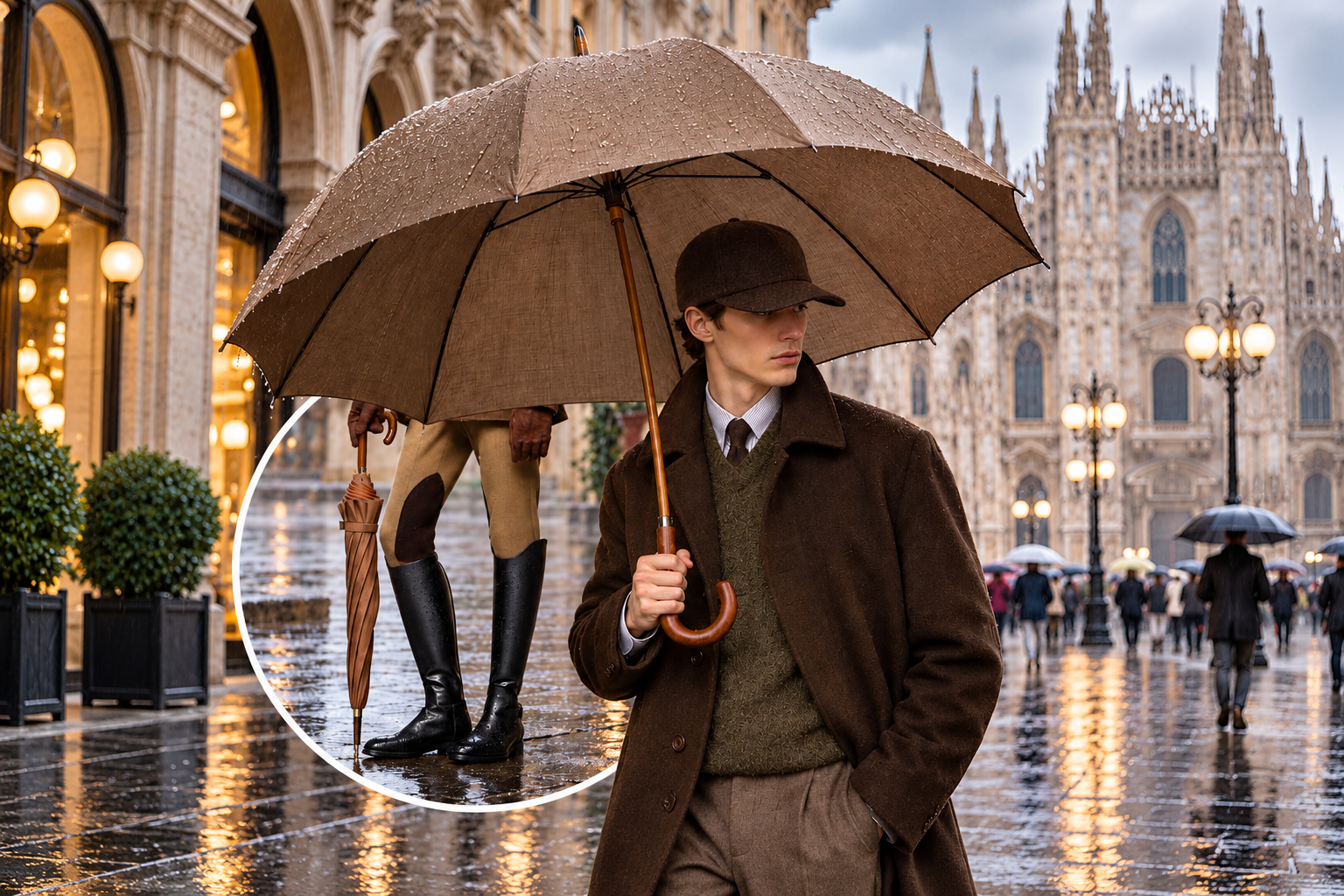
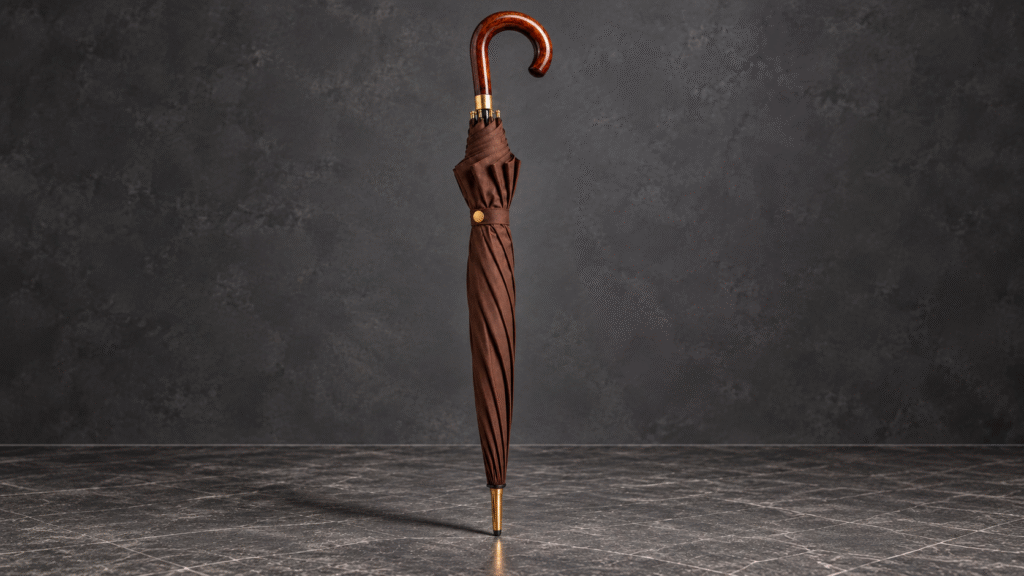
Standing inside the private subterranean viewing suite beneath the Loro Piana flagship in Milan, the air remains completely still, conditioned to a strict 45 percent humidity to preserve the tactile properties of the raw fibers stored in the adjacent archives. A secured wooden vitrine sits on a polished obsidian table. Inside rests the Loro Piana Cashmere Umbrella, an object priced at $1,750. The visual weight of the canopy contradicts the structural expectation of a rain shield. The fabric features a dense, brushed finish that absorbs the ambient light rather than reflecting it. Picking up the umbrella reveals a specific mass distribution. The center of gravity sits exactly four inches above the handle, balancing perfectly on the index finger. The canopy material does not snap taut like standard nylon. It unfurls with a muted, heavy drape. The engineering required to transform a highly absorbent animal fiber into a hydrophobic barrier dictates the price. The mechanism is completely invisible to the observer. The visual presentation bypasses the traditional retail environment. It completely ignores the seasonal discount cycles associated with Luxury Outlet Shopping. The acquisition of this specific piece requires a direct consultation with the tailor, ensuring the client understands the material limitations and the specific maintenance protocols required to sustain the integrity of the cashmere.
The Mongolian Micron Metric and Fiber Sourcing
The structural foundation of the canopy relies on raw fiber sourced exclusively from the Alashan Plateau in Inner Mongolia. The specific environmental conditions of this high-altitude desert, where winter temperatures plummet to minus 40 degrees Celsius, force the Capra hircus goat to develop an exceptionally dense under-fleece. The baby cashmere utilized for this umbrella measures exactly 13.5 microns in diameter. The human eye cannot perceive a single fiber of this thickness. The micron count directly dictates the softness and the drape of the final woven fabric. The combing process occurs only once a year, during the spring molting season. The yield per goat amounts to less than 30 grams of usable fiber. The sourcing protocol requires the buyers to visit the specific nomadic herders, bypassing the central commodity markets. The fiber is sorted by hand under specific lighting conditions to eliminate any darker guard hairs. The uniformity of the color is absolute. The raw white fiber allows for deeper dye penetration without chemical bleaching. The specific length of the staple, measuring 36 millimeters, ensures the spun yarn possesses the necessary tensile strength to withstand the tension of the umbrella frame. The biological reality of the goat dictates the scarcity of the raw material. The extreme cold forces the biological adaptation. The extreme capital expenditure required to secure this specific micron count anchors the valuation of the final object.
The Hydrophobic Membrane Lamination Process
The transformation of this highly absorbent fiber into a rainproof canopy relies on a specialized sub-micronic thermoplastic polyurethane membrane. The mechanism involves a vacuum lamination process. The artisans lay the woven cashmere fabric flat on a massive steel table. They position the microscopic polyurethane film over the fabric. The table utilizes a vacuum suction system. The system draws the air out from beneath the fabric, forcing the polyurethane to bond with the cashmere at a molecular level. The heat remains strictly controlled at 85 degrees Celsius. Higher temperatures would scorch the cashmere fibers. Lower temperatures would prevent the polyurethane from achieving the necessary flow to penetrate the weave. The resulting membrane measures exactly 12 microns thick. The membrane creates an absolute hydrostatic barrier. The water pressure resistance rating exceeds 10,000 millimeters. The fabric can withstand a torrential downpour without any moisture penetrating to the interior. The membrane features a specific porosity. The microscopic pores measure 0.2 microns in diameter. Water vapor molecules, generated by the ambient humidity, measure 0.0004 microns and pass freely through the membrane. This ensures the canopy remains breathable, preventing the buildup of condensation on the underside. The lamination process adds zero perceptible weight to the cashmere. The hand-feel remains completely unchanged.
The Carbon Fiber Parabolic Rib Architecture
The structural skeleton of the umbrella utilizes a pultruded carbon fiber composite. The engineers selected a specific high-tensile carbon tow. The tow consists of 24,000 individual filaments. The filaments run continuously through a resin bath. The resin utilizes a specialized epoxy matrix. The matrix cures under extreme heat. The resulting rib profile features a parabolic curve. The curve is mathematically calculated to distribute the wind load evenly across the entire canopy. The parabolic shape forces the fabric to remain taut. The tension eliminates any sagging that could pool rainwater. The ribs feature a specialized taper. The base of the rib measures 3.5 millimeters in thickness. The tip tapers to exactly 1.2 millimeters. This specific taper allows the rib to flex under extreme wind pressure without snapping. The pivot points utilize a specialized Delrin acetal resin. The resin features a low friction coefficient. The pivot points will not wear down over thousands of opening cycles. The metal joints, traditionally made of steel, are replaced with machined titanium. The titanium prevents any oxidation from the acidic rainwater. The overall weight of the frame is reduced by 60 percent compared to a traditional steel frame. The lightweight structure ensures the user can hold the umbrella for extended periods without experiencing wrist fatigue. The engineering prioritizes structural rigidity and weight reduction simultaneously.
The Acoustic Dampening of Cashmere Under Rain
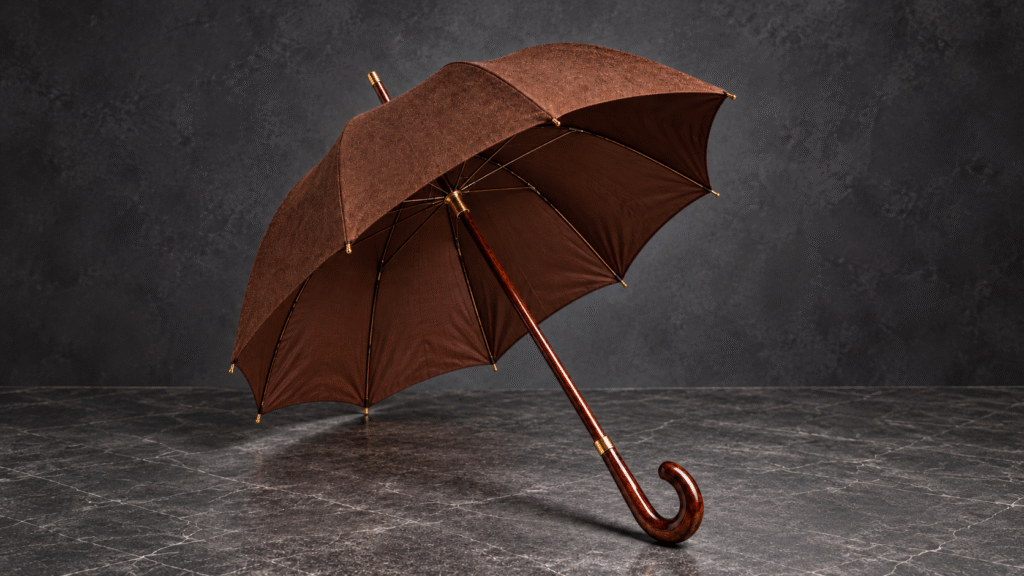
Standing under a standard nylon umbrella during a heavy storm creates a harsh, high-frequency drumming noise. The acoustic profile of the Loro Piana canopy operates differently. The dense, brushed finish of the cashmere weave acts as a massive acoustic dampener. The mechanism involves the microscopic air gaps trapped between the individual fibers. The air gaps act as a specialized sound-absorbing foam. The kinetic energy of the falling raindrops strikes the canopy. The cashmere fibers absorb the impact. The sound waves dissipate as heat energy within the microscopic air pockets. The acoustic frequency drops significantly. The resulting sound resembles a muted, soft tapping on a felt board. The acoustic dampening creates a specific sensory environment for the user. The harshness of the storm is eliminated. The interior of the canopy provides an acoustic isolation chamber. The engineers tested the acoustic profile in a specialized anechoic chamber. They simulated various rainfall intensities. The data confirmed a 14-decibel reduction in acoustic energy compared to standard synthetic canopies. The tactile and acoustic realities of the object merge to create a specific sensory experience. The user pays for the silence as much as the rain protection. The acoustic engineering remains a byproduct of the material selection. The inherent physical properties of the animal fiber provide the dampening mechanism. The structural density of the weave dictates the acoustic absorption rate.
The Tensile Geometry of the Canopy
The cutting pattern of the canopy panels requires absolute mathematical precision. The canopy consists of eight distinct panels. The engineers cut each panel on a strict bias. The bias cut ensures the fabric stretches diagonally. The tension from the carbon fiber ribs pulls the fabric taut. The bias cut prevents the seams from tearing under wind load. The radius of the canopy measures exactly 50 inches. The geometry creates a deep dome. The deep dome forces the rainwater to run off the edges cleanly. The water does not drip onto the user’s shoulders. The engineers utilized finite element analysis software to map the stress distribution across the canopy. The software identified high-stress zones near the rib tips. The artisans reinforced these specific zones with a secondary layer of cashmere. The reinforcement is invisible from the exterior. The perimeter of the canopy features a specialized rolled edge. The edge prevents the water from wicking down the fabric. The wicking mechanism is eliminated by a specialized hydrophobic stitching thread. The thread consists of a bonded polyester core. The thread repels water. The seams remain completely watertight. The tensile geometry ensures the canopy maintains its shape after thousands of deployments. The fabric does not stretch permanently. The dimensional stability of the cashmere weave is engineered to withstand continuous tension without distortion.
The Machined Titanium Runner and Catch Mechanism
The sliding mechanism that deploys the canopy operates on a milled titanium runner. The mechanism of the runner involves a spring-loaded ball bearing. The ball bearing clicks into a specific detent machined into the central shaft. The detent locks the canopy in the open position. The specific force required to trigger the release mechanism is calibrated to 4.5 Newtons. This calibration ensures the canopy does not collapse accidentally under wind pressure. The force is also low enough to allow the user to close the umbrella with a single hand. The shaft features a specialized H7 tolerance fit. The fit eliminates any lateral play in the runner. The runner moves strictly on a vertical axis. The interior of the shaft features a solid lubricant. The lubricant prevents the metal components from galling under friction. The spring mechanism utilizes a specialized music wire. The wire features a specific tensile strength to ensure the canopy opens with enough force to fully extend the ribs, yet remains controlled enough to prevent violent snapping. The mechanical engineering of the deployment system ensures absolute reliability. The mechanism will not jam. The titanium components will not corrode. The physical reality of the opening mechanism provides a distinct tactile click. The sound confirms the structural lock. The engineering prioritizes mechanical permanence over ease of manufacturing.
The Horn Handle Ergonomics and Weight Distribution
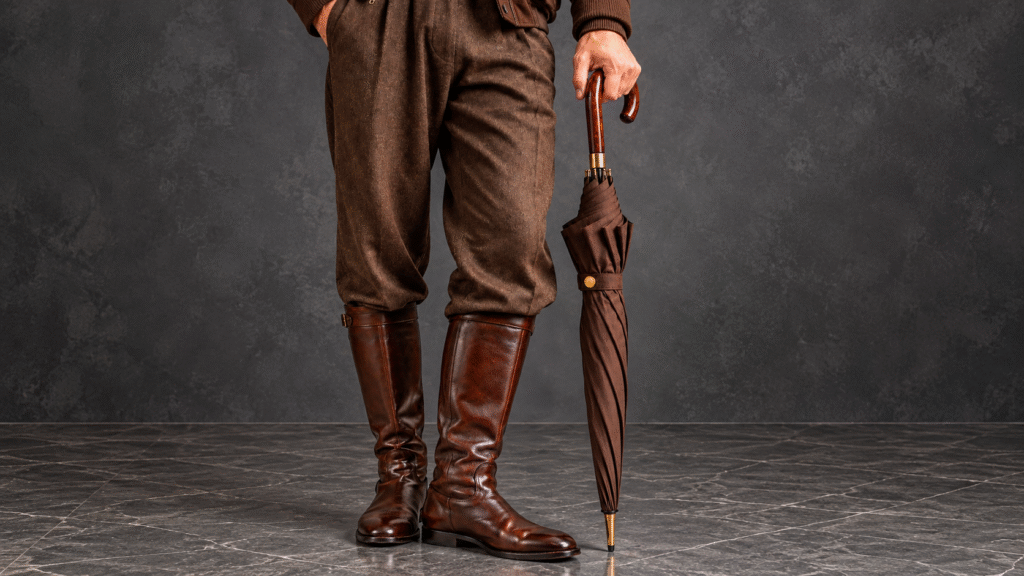
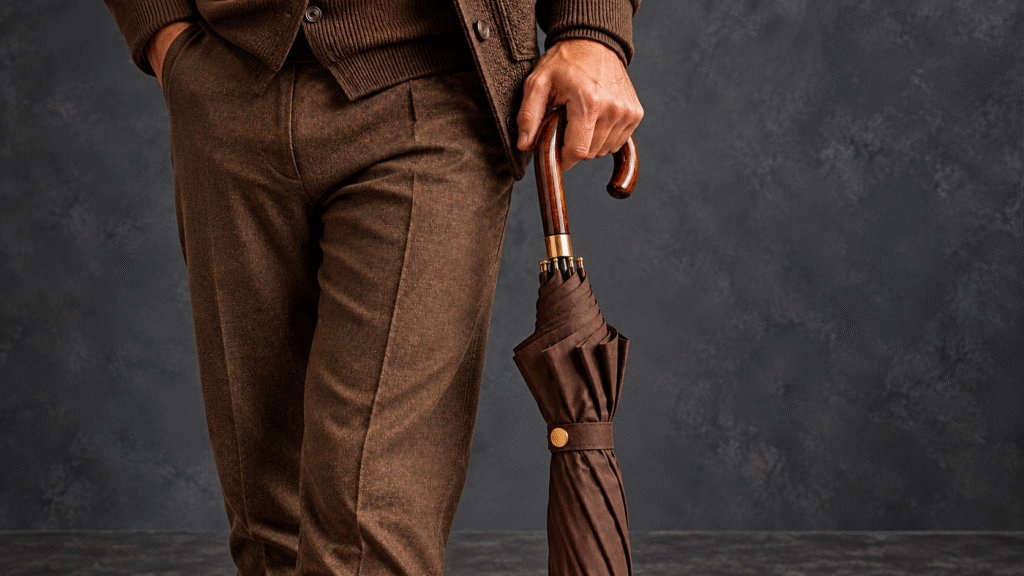
The handle of the umbrella is carved from a solid block of Asian water buffalo horn. The horn is sourced from a specific region in Vietnam. The material is selected for its extreme density and unique grain structure. The mechanism of the carving involves a 5-axis CNC mill. The mill removes the bulk of the material. An artisan then hand-shapes the handle using specialized rasps and files. The horn undergoes a specialized polishing process. The artisan utilizes a buffer wheel charged with a specific compound of aluminum oxide. The friction generates heat. The heat melts the microscopic layers of the horn, creating a deep, glass-like finish. The handle features a specific ergonomic curve. The curve mimics the natural resting angle of the human wrist. The weight of the horn acts as a counterbalance to the carbon fiber canopy. The center of gravity shifts directly over the user’s hand. The handle feels dense and substantial. The horn will not crack or splinter. The material possesses a natural moisture resistance. The sweat from the user’s hand will not degrade the surface. The handle features a laser-etched serial number. The number links the umbrella to the specific batch of raw materials. The ergonomics ensure the user can maintain a secure grip during high winds without exerting excessive muscle tension.
The Ultrasonic Welding of the Seam Architecture
The seams joining the eight cashmere panels utilize a specialized ultrasonic welding process. Traditional sewing machines create needle holes. The needle holes compromise the hydrostatic membrane. The mechanism of the ultrasonic welding involves a specialized horn. The horn vibrates at a frequency of 20,000 Hertz. The horn presses the overlapping cashmere panels together. The vibration generates localized frictional heat. The thermoplastic polyurethane membrane melts at the seam. The membrane fuses the two panels together. The process occurs in 0.3 seconds. The heat does not affect the cashmere fibers. The resulting seam is completely watertight. The seam features a specific tensile strength. The weld is stronger than the base fabric. The overlap width measures exactly 4 millimeters. The narrow overlap reduces the bulk of the seam. The canopy folds flat without creating thick ridges. The ultrasonic welding eliminates the need for seam tape. The interior of the canopy remains completely smooth. The water has zero opportunity to penetrate the structure. The engineering of the seam architecture ensures the canopy functions as a single, continuous waterproof surface. The physical reality of the construction eliminates the weak points found in traditional umbrella manufacturing. The welding process requires highly specialized machinery operated by trained technicians. The capital expenditure required to acquire this machinery dictates the limited production volume.
The Dyeing Process and UV Stabilization
The specific color of the canopy requires a specialized piece dyeing process. The woven cashmere fabric enters a massive stainless steel dye bath. The bath utilizes a specialized aniline dye. The dye is selected for its ability to penetrate the core of the cashmere fiber. The mechanism of the dyeing involves a continuous circulation system. The fluid circulates at a specific temperature of 85 degrees Celsius. The fluid forces the dye molecules into the fiber structure. The process takes 45 minutes. The fabric is rinsed in soft water. The rinsing removes the unfixed dye particles. The colorfastness is absolute. The dye will not bleed during a rainstorm. The dye bath includes a specialized UV inhibitor. The inhibitor consists of a microscopic titanium dioxide suspension. The titanium dioxide particles bond to the surface of the cashmere fibers. The particles absorb the ultraviolet radiation from the sun. The absorption prevents the cashmere from fading. The color remains true after years of continuous solar exposure. The dyeing process alters the hand-feel of the fabric. The fabric undergoes a specialized softening process. The fabric is tumbled in a large wooden drum with natural steam. The steam relaxes the fibers, restoring the original softness. The UV stabilization ensures the canopy retains its structural integrity. Ultraviolet radiation degrades the molecular bonds in animal fibers. The titanium dioxide particles prevent this degradation, ensuring the canopy remains structurally sound for decades.
The Spring-Loaded Deployment Physics
The opening mechanism of the umbrella relies on a highly calibrated torsion spring. The spring is housed within the central shaft. The mechanism involves a specific torque curve. The user presses the button on the handle. The spring releases its stored potential energy. The runner accelerates upward. The acceleration occurs over a distance of 120 millimeters. The ribs deploy. The canopy unfurls. The specific engineering challenge involves the final 10 degrees of deployment. The spring exerts maximum force at the beginning of the cycle. The force drops as the spring uncoils. The engineers installed a specialized hydraulic dampener. The dampener engages during the final 10 degrees. The dampener slows the movement of the runner. The canopy opens smoothly. The violent snapping motion associated with standard umbrellas is eliminated. The smooth deployment prevents the carbon fiber ribs from experiencing a sudden shock load. The shock load could cause the ribs to shatter. The physics of the deployment ensure the mechanism operates silently. The acoustic profile of the opening sequence consists of a soft click from the titanium catch, followed by the muted whisper of the cashmere fabric snapping into tension. The mechanical engineering prioritizes controlled kinetic energy transfer. The user experiences a sense of absolute precision. The deployment physics reflect the overarching philosophy of the object. Every movement is calculated and controlled.
The Wind Tunnel Telemetry and Inversion Resistance
The structural integrity of the umbrella was verified in a specialized wind tunnel facility. The engineers subjected the open canopy to wind speeds exceeding 80 kilometers per hour. The mechanism of the wind resistance relies on the specific porosity of the cashmere weave. The weave is not entirely airtight. The fabric allows a microscopic amount of air to pass through. The porosity reduces the pressure differential between the interior and the exterior of the canopy. The pressure reduction prevents the wind from inverting the ribs. The carbon fiber ribs feature a specific flexibility. The ribs bend backward under extreme wind load. The bending allows the wind to spill over the edges. The ribs do not snap. The ribs return to their original parabolic shape when the wind drops. The wind tunnel telemetry provided the data necessary to calculate the specific tip attachment angle. The tips of the ribs attach to the canopy using a specialized flexible pocket. The pocket allows the rib to rotate 15 degrees. The rotation prevents the fabric from tearing under extreme tension. The engineering ensures the umbrella survives a sudden gust of wind. The inversion resistance is a structural feature, not a material limitation. The canopy will withstand urban wind tunnels created by high-rise buildings. The physical reality of the aerodynamic engineering ensures the umbrella remains functional in extreme weather conditions.
The Micro-Climate of the Canopy Interior
The space beneath the canopy operates as a specific micro-climate. The breathability of the thermoplastic polyurethane membrane regulates the humidity. The moisture vapor transmission rate of the membrane allows the heat radiated by the human body to escape. The mechanism prevents the buildup of condensation on the underside of the cashmere. The cashmere fabric absorbs the residual moisture vapor. The fibers trap the moisture without feeling wet. The specific thermal mass of the animal fiber provides a secondary function. The cashmere acts as an insulator. The canopy blocks the cold air of the storm. The trapped air beneath the canopy remains warmer than the ambient exterior air. The user experiences a localized thermal bubble. The temperature differential between the interior and the exterior of the canopy can reach 3 degrees Celsius. The micro-climate regulation eliminates the clammy sensation associated with synthetic umbrellas. The synthetic materials trap the heat and the moisture, creating a greenhouse effect. The cashmere canopy breathes. The tactile sensation of the fabric from beneath is soft. The brushed finish eliminates any harsh reflections. The visual environment beneath the canopy is muted and warm. The micro-climate engineering ensures the physical comfort of the user is prioritized equally with the rain protection. The structural design of the umbrella extends beyond the physical fabric.
The Biometric Weight and Tactile Feedback
The total weight of the umbrella measures exactly 340 grams. The biometric reality of this specific weight distribution alters the physical experience of carrying the object. The density of the horn handle anchors the object to the human hand. The carbon fiber canopy provides zero perceivable weight at the extremity. The mechanism of the tactile feedback involves the specific surface temperature of the horn. The horn feels warm to the touch. The thermal conductivity of the horn is extremely low. The horn does not absorb the heat from the user’s hand. The tactile feedback of the deployment button provides a specific detent feel. The button features a knurled titanium surface. The knurling provides a high friction grip. The user can operate the mechanism with wet fingers. The balance point of the object allows the user to hook the handle over the forearm. The weight rests on the radius bone. The user can carry the umbrella for hours without experiencing muscle fatigue in the forearm. The biometric engineering of the object ensures it integrates seamlessly with the human anatomy. The physical presence of the umbrella does not impede the movement of the user. The tactile feedback of the materials, the warm horn, the smooth titanium, and the soft cashmere, creates a multi-sensory experience. The object feels like an extension of the human body.
The Sleeve Architecture and Moisture Management
The storage and transport of the wet umbrella relies on a specialized carrying sleeve. The sleeve features a dual-layer architecture. The exterior consists of a tightly woven silk. The interior features a specialized micro-perforated synthetic mesh. The mechanism of the moisture management involves capillary action. The wet cashmere canopy touches the interior mesh. The mesh wicks the moisture away from the cashmere. The moisture transfers to the silk exterior. The silk features a high surface area. The moisture evaporates rapidly through the silk. The sleeve prevents the growth of mildew on the cashmere. The sleeve features a specialized magnetic closure. The magnets hold the sleeve securely closed during transport. The sleeve fits the folded umbrella precisely. The folded diameter measures exactly 45 millimeters. The tight fit prevents the canopy from shifting. The sleeve features a discrete leather loop. The loop allows the user to hang the umbrella in a closet. The architecture of the sleeve ensures the umbrella can be stored immediately after use. The user does not need to leave the umbrella open to dry. The moisture management system operates as a passive evaporative cooler. The continuous airflow through the mesh prevents the development of trapped moisture. The engineering of the sleeve reflects the same attention to material science applied to the canopy itself.
The Bespoke Monogramming and Laser Etching
The personalization of the umbrella involves a specialized laser etching process applied to the horn handle. The mechanism of the etching involves a focused carbon dioxide laser. The laser beam vaporizes the organic material. The heat burns a specific depth into the horn. The depth measures exactly 0.5 millimeters. The process creates a permanent, three-dimensional monogram. The etching cannot be worn off. The font utilized for the monogram is a specific sans-serif typeface. The kerning of the letters is mathematically perfect. The laser operates at a specific wavelength that does not discolor the surrounding horn. The etched letters feature a slightly darker hue. The contrast provides the visual legibility of the monogram. The laser etching replaces traditional engraving. Engraving removes large chunks of material. Engraving weakens the structural integrity of the handle. The laser etching removes microscopic layers. The structural integrity of the horn remains absolute. The bespoke monogramming allows the client to personalize the object. The personalization integrates seamlessly with the aesthetic of the umbrella. The laser etching process requires the operator to input the exact vector coordinates of the monogram. The laser traces the coordinates. The precision of the process ensures every monogram is identical. The bespoke personalization elevates the object from a luxury commodity to a personal artifact. The monogram becomes a physical signature of the owner.
The Contrast with Mass Market Retail Economics
The economic reality of the Loro Piana Cashmere Umbrella positions it entirely outside the mass market retail ecosystem. The $1,750 price tag reflects the material scarcity and the manual labor required to assemble the object. The target demographic bypasses the traditional retail channels. These clients do not engage in the seasonal discount cycles associated with Luxury Outlet Shopping. The acquisition of this umbrella occurs through a direct consultation with the brand. The client understands the material limitations. The client accepts the maintenance requirements. The valuation stems from the impossibility of mass production. The supply of the 13.5-micron baby cashmere is physically limited by the biology of the goats. The hand-finishing of the horn handles limits the daily production capacity. The specialized ultrasonic welding machines require highly trained operators. The economics of the object reject the concept of economy of scale. The price does not decrease as production increases. The production cannot increase. The object remains scarce. The scarcity ensures the object retains its exclusivity. The visual impact of the umbrella on the street does not rely on a visible logo. The recognition stems from the specific texture of the cashmere and the unique profile of the horn handle. The umbrella functions as a physical cipher for extreme wealth. The owner signals their understanding of material quality over conspicuous branding. The economic architecture of the object guarantees its position as a permanent fixture in the ultra-wealthy wardrobe.
The Maintenance Protocol and Fabric Rejuvenation
The preservation of the cashmere canopy requires a specific maintenance protocol. The user cannot place the umbrella in a standard washing machine. The agitation would destroy the ultrasonic welds. The cleaning process involves a specialized dry-cleaning solvent. The solvent utilizes a perchloroethylene base. The solvent removes the dirt without degrading the hydrophobic membrane. The Durable Water Repellent coating requires reapplication every two years. The process involves spraying a specialized fluorocarbon-free polymer onto the surface of the canopy. The polymer bonds to the cashmere fibers. The polymer restores the beading effect of the rainwater. The horn handle requires periodic oiling. The user applies a specialized mineral oil. The oil prevents the horn from drying out and cracking. The oil is rubbed into the surface using a soft cloth. The carbon fiber ribs require zero maintenance. The titanium hardware requires zero maintenance. The maintenance protocol ensures the materials age gracefully. The cashmere will develop a specific patina. The fibers will soften further. The horn will deepen in color. The aging process enhances the aesthetic value of the object. The maintenance cost represents a fraction of the total valuation. The protocol guarantees the umbrella will function perfectly for decades. The structural integrity of the object outlasts the fluctuations of the fashion cycle.
The Supply Chain Logistics of Extreme Raw Materials
The logistics of moving the raw materials from the Mongolian plateau to the manufacturing facility in Italy requires a highly controlled supply chain. The mechanism of the logistics involves a temperature-controlled transport network. The raw cashmere fibers are packed into specialized breathable containers. The containers prevent the accumulation of moisture. The moisture would cause the fibers to felt during transit. The containers are flown via dedicated cargo aircraft. The flight time is minimized to prevent exposure to ambient humidity. The horn requires a separate logistics chain. The raw horn is sourced from the water buffalo. The horn is transported in specialized crates. The horn undergoes an initial stabilization process at the source. The process involves boiling the horn to remove the internal bone structure. The boiling prevents the decomposition of the organic material. The horn is then dried for six months. The drying process prevents the horn from warping. The supply chain logistics dictate the production timeline. A delay in the arrival of the cashmere halts the entire manufacturing process. The strict quality control eliminates any fibers that do not meet the 13.5-micron specification. The rejected fibers are downcycled into standard knitwear. The logistics network ensures the absolute traceability of the raw materials. The traceability guarantees the ethical sourcing of the fibers. The supply chain architecture reflects the extreme capital expenditure required to maintain the quality of the final object.
The Corporate Wardrobe Integration Strategy
The design of the umbrella considers its integration into the corporate wardrobe of the ultra-wealthy. The specific color palette of the canopy avoids bright, saturated tones. The dyeing process utilizes muted, complex shades. The shades complement the bespoke tailoring of the user. The charcoal, navy, and camel tones match the specific worsted wools used by Savile Row tailors. The umbrella functions as an accessory. The accessory does not clash with the overall aesthetic of the suit. The specific weight distribution allows the user to carry the umbrella comfortably while wearing a heavy overcoat. The horn handle matches the leather of the user’s briefcase. The tactile transition from the leather to the horn is seamless. The visual integration of the object into the daily attire of the user elevates the perceived value of the entire ensemble. The umbrella acts as a grounding element. The object communicates a specific understanding of material quality. The integration strategy rejects the concept of matching sets. The strategy relies on the harmonic convergence of natural materials. The wool of the suit, the leather of the shoes, and the cashmere of the umbrella share a specific material language. The language speaks of permanence, tactile pleasure, and extreme biological engineering.
The Thermodynamic Insulation of Animal Fibers
The utilization of cashmere for a rain shield provides an unexpected thermodynamic benefit. Animal fibers possess a specific thermal mass. The cashmere canopy traps a layer of dead air between the user and the exterior environment. The mechanism of the thermal insulation involves the crimp of the individual fibers. The crimp creates microscopic air pockets within the weave. The air pockets prevent the transfer of thermal energy. During a cold winter storm, the ambient air temperature drops. The cashmere canopy prevents the cold air from reaching the user. The user’s body heat radiates upward. The cashmere reflects a portion of the heat back toward the user. The thermal efficiency of the canopy exceeds that of a standard nylon umbrella. The nylon fabric conducts heat away from the user. The cashmere fabric acts as an insulator. The thermodynamic reality of the material alters the physical experience of standing in the rain. The user remains warmer. The localized thermal comfort ensures the user does not experience the chill associated with wet weather. The engineering leverages the biological properties of the goat. The goat evolved the cashmere to survive extreme cold. The user harnesses this biological adaptation for personal comfort. The thermal insulation demonstrates the functional superiority of natural materials over synthetic alternatives.
The Hardware Metallurgy and Corrosion Resistance
The metal components of the umbrella feature a specific metallurgy designed to resist the corrosive nature of acid rain. The central shaft and the runner consist of grade 5 titanium. The mechanism of the corrosion resistance involves the formation of a passive oxide layer. The titanium reacts with the oxygen in the atmosphere. The reaction creates a microscopic layer of titanium dioxide on the surface of the metal. The layer is completely inert. The acid in the rainwater cannot penetrate the oxide layer. The metal will not rust or pit. The deployment button features a specialized rhodium plating over a brass core. The rhodium provides extreme surface hardness. The rhodium resists the wear from the user’s finger. The brass core provides the necessary density to give the button a substantial tactile feel. The spring mechanism utilizes a specialized 17-7 stainless steel. The steel features a specific precipitation hardening process. The process increases the yield strength of the steel. The steel will not deform under the continuous stress of the spring tension. The metallurgy ensures the hardware outlasts the fabric. The metal components are engineered to function flawlessly for centuries. The corrosion resistance guarantees the structural integrity of the opening mechanism remains absolute. The engineering of the hardware reflects the same commitment to permanence applied to the canopy and the handle.
The Closure Mechanism and Magnetic Locking
The process of closing the umbrella involves a specialized magnetic locking system. The user pulls the runner down the shaft. The canopy folds. The mechanism of the closure involves a specialized neodymium magnet embedded in the tip of the shaft. The runner features a corresponding steel ring. As the runner approaches the bottom of the shaft, the magnet attracts the steel ring. The magnetic force snaps the runner into the locked position. The magnetic lock eliminates the need for a mechanical latch. The mechanical latch can wear out or jam. The magnetic lock operates silently. The force required to open the umbrella overcomes the magnetic attraction. The magnetic field does not degrade over time. The neodymium magnet retains its strength for decades. The closure mechanism ensures the canopy remains securely folded during transport. The fabric does not flap in the wind. The magnetic lock provides a distinct tactile click when engaged. The user feels the mechanism lock into place. The engineering of the closure system prioritizes simplicity and reliability. The absence of complex moving parts reduces the potential for mechanical failure. The magnetic locking system represents a specific application of advanced material science to a traditional utility. The physical reality of the closure mechanism ensures the umbrella remains compact and manageable when not in use.
The Hand-Stitching of the Perimeter Border
The perimeter of the cashmere canopy features a hand-stitched border. The border consists of a specialized silk thread. The mechanism of the stitching involves a traditional saddle stitch. The artisan passes a needle through the fabric from both sides. The saddle stitch locks the thread in place. The stitch cannot unravel if the thread breaks. The artisan utilizes a specialized beeswax to coat the silk thread. The wax prevents the thread from fraying. The wax provides a specific friction coefficient. The thread sits flush with the surface of the cashmere. The border reinforces the edge of the canopy. The border prevents the fabric from stretching under tension. The silk thread features a specific color match to the cashmere. The stitching is invisible from a distance. The border requires 40 minutes of manual labor per umbrella. The hand-stitching elevates the manufacturing process from mass production to bespoke tailoring. The border provides a distinct tactile ridge along the edge of the canopy. The ridge allows the user to grip the edge of the umbrella without stretching the fabric. The hand-stitching represents the physical signature of the artisan. The presence of the hand-stitching confirms the object was assembled by a human, not a machine. The physical reality of the border reflects the overarching philosophy of the brand. The philosophy prioritizes manual craftsmanship over automated efficiency.
The Permanence of Textile Engineering
The Loro Piana Cashmere Umbrella establishes a permanent shift in the architecture of luxury accessories. The $1,750 valuation reflects the extreme engineering required to manipulate raw biological materials into functional hydrophobic barriers. The mechanism of the canopy relies on sub-micronic lamination and ultrasonic welding. The permanence of the object lies in the structural integrity of the titanium, the carbon fiber, and the horn. The umbrella will outlast the digital financial systems that facilitated its acquisition. The engineering rejects the concept of disposable fashion. The canopy will require maintenance, the DWR coating will require reapplication, but the structural geometry of the object will remain perfectly intact. The investment secures a functioning piece of textile engineering history. The valuation stems from the impossibility of automated mass production. The artisan utilizes a magnifying loupe to align the cashmere panels. The technician utilizes a 5-axis mill to carve the horn handle. The object stands as a testament to the physical limits of human precision. The permanence of the mechanics ensures the umbrella will function perfectly when the digital infrastructure of the modern world fails. The physical reality of the cashmere weave ensures the canopy will remain absolutely constant, driven by the molecular bond between the polyurethane and the protein fibers. The object operates as a permanent fixture of extreme wealth, outlasting the transient trends of the fashion cycle.
FAQ
What makes the Loro Piana Cashmere Umbrella rainproof?
The umbrella utilizes a 13.5-micron woven cashmere fabric laminated to a 12-micron thermoplastic polyurethane membrane via a vacuum process, creating a 10,000mm hydrostatic barrier.
How does the acoustic profile of the cashmere canopy differ from nylon?
The microscopic air gaps within the cashmere fibers absorb the kinetic energy of raindrops, reducing the acoustic drumming noise by 14 decibels compared to standard synthetic umbrellas.
What materials are used for the umbrella frame and handle?
The frame consists of pultruded carbon fiber ribs with machined titanium pivot points, and the handle is hand-carved from solid Asian water buffalo horn with a laser-etched monogram.
How is the cashmere canopy secured without leaking at the seams?
The eight cashmere panels are joined using ultrasonic welding, which vibrates the thermoplastic membrane at 20,000 Hertz to fuse the fabric together without creating needle holes.
What is the maintenance protocol for the Loro Piana Cashmere Umbrella?
The canopy requires specialized dry cleaning with perchloroethylene, and the Durable Water Repellent coating must be reapplied every two years using a specialized fluorocarbon-free polymer.