The Subterranean Geneva Vault and the Architecture of Extreme Wealth
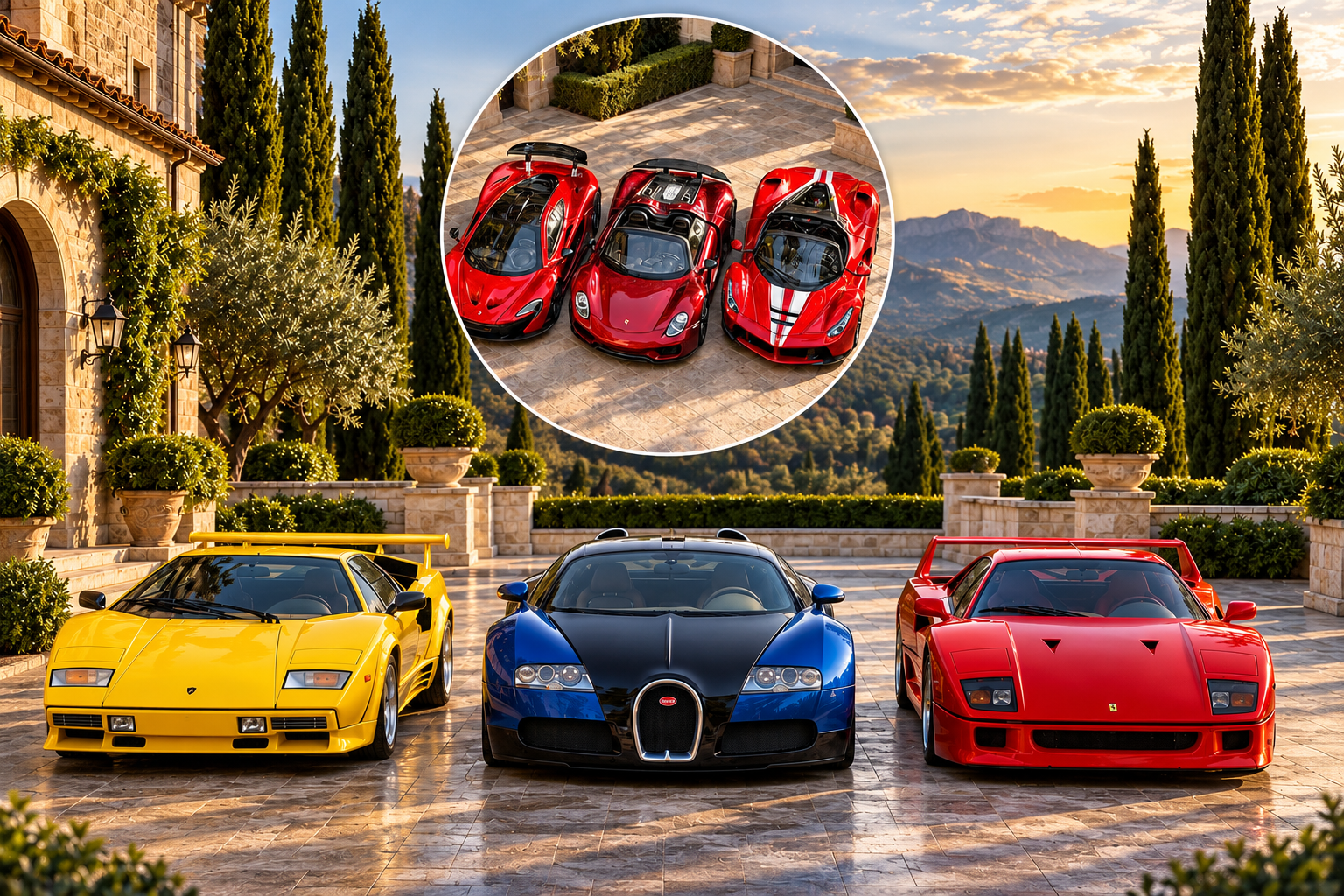
Stepping off the private elevator into the subterranean viewing bunker beneath the Geneva airstrip, the air pressure shifts noticeably. The humidity remains locked at 43 percent to prevent the microscopic expansion of the carbon fiber composites and the warping of the bespoke mahogany veneers stored within this facility. Security relies on a localized mesh network of terahertz scanners rather than optical cameras, penetrating the chassis of the vehicles to map the density of the titanium and gold components. This facility houses the physical assets that define the Most Expensive Cars in the World 2026. These vehicles bypass the traditional automotive retail ecosystem entirely. Buyers acquire these machines through private allocation, bypassing the showroom floor and the standard consumer financing mechanisms. The engineering of these cars prioritizes material scarcity and mechanical complexity over mass production efficiency. A single carbon fiber panel requires 400 hours of hand-lamination and autoclave curing. The engines feature billet-machined internal components with tolerances measured in microns. The acoustic signatures of the exhaust systems are tuned using anechoic chambers to eliminate specific harmonic frequencies. The valuation of these automobiles stems from the impossibility of replication. The capital required to engineer a one-off cooling manifold exceeds the total development budget of a standard production vehicle. The physical density of the platinum, titanium, and carbon ceramic materials anchors these objects to the earth. The mechanical permanence of these assets ensures they will outlast the digital financial systems that facilitated their acquisition.
Pagani Huayra Imola Roadster: The $6 Million Aerodynamic Anchor

Lifting the front clamshell of the Pagani Huayra Imola Roadster reveals the intricate architecture of its carbo-titanium HP62 chassis. The chassis consists of a proprietary composite material where titanium insets reinforce the load-bearing nodes of the carbon fiber monocoque. This engineering prevents torsional flex under the extreme downforce generated by the massive rear wing. The Imola Roadster produces 850 horsepower from its Mercedes-AMG 5.9-liter twin-turbo V12 engine. The engine utilizes a dry sump lubrication system. The system pumps oil from a remote reservoir directly into the engine block, eliminating the windage losses associated with a traditional oil pan. This mechanism allows the engine to maintain oil pressure during high lateral G-force cornering. The suspension features an active electro-hydraulic system. The system utilizes actuators that adjust the ride height and the damper stiffness in real time based on the telemetry data fed from the four corner sensors. The front active aero flaps operate independently. The mechanism relies on pneumatic actuators that deploy the flaps to create drag on the inside wheel during cornering, inducing a yawing moment that pivots the car into the apex. The braking system utilizes carbon ceramic discs. The discs feature a specialized drilled pattern designed to channel water away from the friction surface in wet conditions. The exhaust system utilizes Inconel superalloy piping. The metal resists thermal fatigue at temperatures exceeding 1000 degrees Celsius. The acoustic resonance of the V12 engine exits through a quad-pipe configuration specifically tuned to produce a harmonic frequency that mimics a jet engine spooling up. The physical reality of the Roadster centers on the elimination of the roof structure. The engineers reinforced the sills and the A-pillars to maintain a torsional rigidity of 26,000 Newton meters per degree. The weight reduction from the removal of the roof alters the center of gravity, improving the turn-in response. The vehicle operates as a sensory isolation chamber, isolating the driver from the road imperfections while transmitting the exact steering geometry through the steering column.
Pagani Huayra Codalunga: The $7.4 Million Longtail Thermodynamics

Walking around the elongated rear deck of the Pagani Huayra Codalunga exposes the specific aerodynamic philosophy of the longtail design. The vehicle measures 360 millimeters longer than the standard Huayra. The elongated tail reduces the pressure drag at the rear of the vehicle, allowing the air to detach cleanly from the bodywork. The twin-turbo V12 engine generates 840 horsepower. The cooling requirements of this power plant dictate the entire rear architecture. The engine sits exposed beneath a massive transparent clamshell. The cooling system utilizes two intercoolers mounted longitudinally behind the cylinder heads. The positioning of the intercoolers eliminates the need for bulky side air intakes, preserving the clean visual line of the longtail. The exhaust system features a specialized ceramic coating. The coating reflects radiant heat back into the exhaust gas, maintaining the exhaust gas velocity and improving turbocharger spool times. The suspension geometry features a specific kinematic setup designed for high-speed stability. The toe links feature a specialized dual-shear mounting design. The design eliminates the lateral movement of the rear wheels under heavy acceleration, ensuring the vehicle tracks perfectly straight at speeds exceeding 300 kilometers per hour. The interior features a machined aluminum switchgear. The buttons feature a specific knurled pattern designed to provide tactile feedback through racing gloves. The transmission utilizes a seven-speed automated manual gearbox. The gear clusters feature straight-cut dog engagement. The mechanism allows for clutchless upshifts. The gearbox utilizes a specialized hydraulic accumulator. The accumulator stores hydraulic pressure to execute gear changes in 130 milliseconds. The Codalunga represents a specific engineering exercise in managing the thermodynamic load of a massive engine within a highly aerodynamically restricted body. The physical length of the vehicle alters the polar moment of inertia. The mass concentrates toward the center of the chassis, making the car highly resistant to rotational forces. The engineering ensures the vehicle remains stable during high-speed direction changes.
Mercedes-Maybach Exelero: The $8 Million Acoustic Isolation Chamber
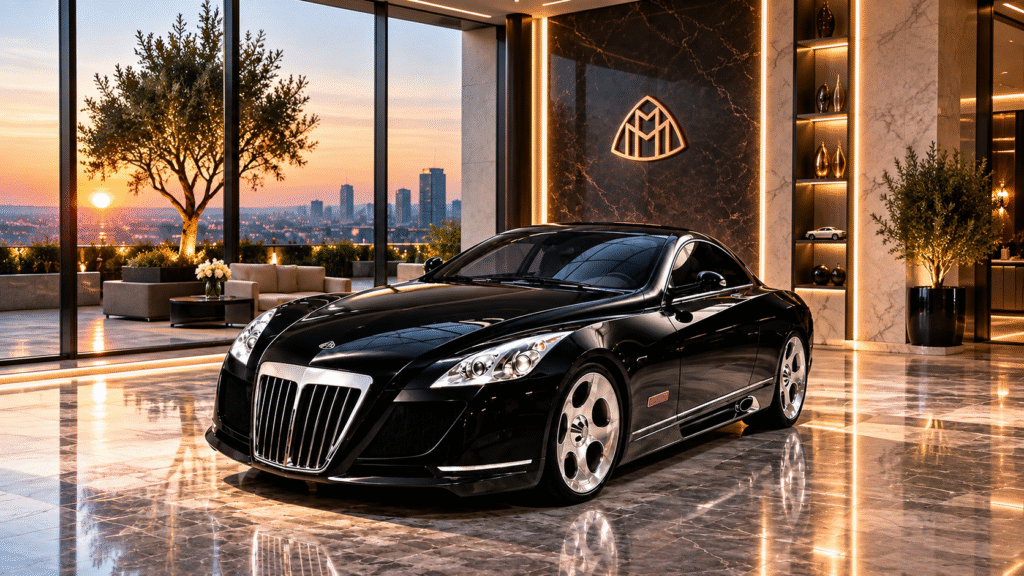
Standing next to the massive rear haunches of the Mercedes-Maybach Exelero reveals the sheer physical scale of the vehicle. The car measures 5.9 meters in length. The mass exceeds 2.6 tons. The Exelero operates as a one-off engineering prototype designed to test high-load tires. The twin-turbo V12 engine produces 690 horsepower. The engine block features a specialized thermal coating. The coating reduces the internal friction of the cylinder walls, improving the thermal efficiency of the combustion process. The cooling system features a massive front-mounted radiator. The radiator core measures 1.2 square meters. The system utilizes a specialized high-flow water pump capable of circulating 400 liters of coolant per minute. The tire architecture represents the core engineering challenge of the vehicle. The 23-inch wheels require tires capable of supporting the massive weight of the vehicle while maintaining a speed rating of 350 kilometers per hour. The tires feature a specialized reinforced sidewall. The sidewall utilizes a composite of nylon and aramid fibers. The fibers prevent the tire from deforming under the extreme centrifugal forces generated at high speeds. The interior functions as an acoustic isolation chamber. The engineers utilized 40 kilograms of sound-deadening material in the floor pan. The glass features a specialized laminate interlayer. The interlayer blocks specific frequency ranges, eliminating the tire roar and the wind noise from the cabin. The suspension features a specialized hydraulic self-leveling system. The system utilizes a dedicated pump to pressurize the rear suspension struts, maintaining a constant ride height regardless of the payload. The braking system features massive 15-inch carbon ceramic discs. The discs require a specialized high-friction pad compound. The compound transfers a thin layer of friction material to the disc surface during braking, creating a boundary layer that prevents the discs from glazing over. The Exelero stands as a monument to structural mass. The weight of the vehicle dictates the engineering parameters of every component. The permanence of the car lies in the over-engineered nature of its mechanical systems.
Bugatti Centodieci: The $9 Million 3D-Printed Thermal Management

Examining the machined aluminum active rear wing of the Bugatti Centodieci exposes the extreme thermal management required for the quad-turbo W16 engine. The engine produces 1600 horsepower. The cooling system features a complex network of 3D-printed titanium cooling channels integrated directly into the engine block. The additive manufacturing process allows the engineers to create internal geometries impossible to machine traditionally. The channels route coolant to the specific thermal hotspots of the cylinder heads, eliminating localized boiling. The intercoolers feature a massive core volume. The system utilizes a specialized water-to-air cooling architecture. The low-temperature circuit utilizes a dedicated radiator in the front splitter. The system chills the intake air to 80 degrees Celsius, increasing the oxygen density and the combustion efficiency. The Centodieci features a specific aero profile designed to optimize the airflow over the massive engine. The roofline drops sharply behind the driver. The mechanism channels the air directly onto the rear wing. The wing features an active hydraulically actuated flap. The flap alters its pitch based on the speed and the steering angle. Under heavy braking, the wing deploys to a 60-degree angle. The mechanism doubles as an airbrake, transferring the weight of the vehicle to the front axle to improve the braking efficiency. The exhaust system features a six-pipe configuration. The pipes utilize a specialized ceramic thermal barrier coating. The coating keeps the exhaust gas temperature high, improving the velocity of the gas exiting the turbocharger turbines. The suspension features a dedicated sport mode. The mode lowers the ride height by 20 millimeters and stiffens the dampers. The springs feature a specialized progressive winding. The winding provides a soft initial compliance for urban driving and a stiff resistance during high-speed cornering. The braking system utilizes carbon silicon carbide discs. The discs feature a specialized internal vane design. The vanes act as centrifugal pumps, drawing air through the center of the disc and expelling it out the rim, maximizing the convective cooling.
Rolls-Royce Sweptail: The $13 Million Bespoke Architecture

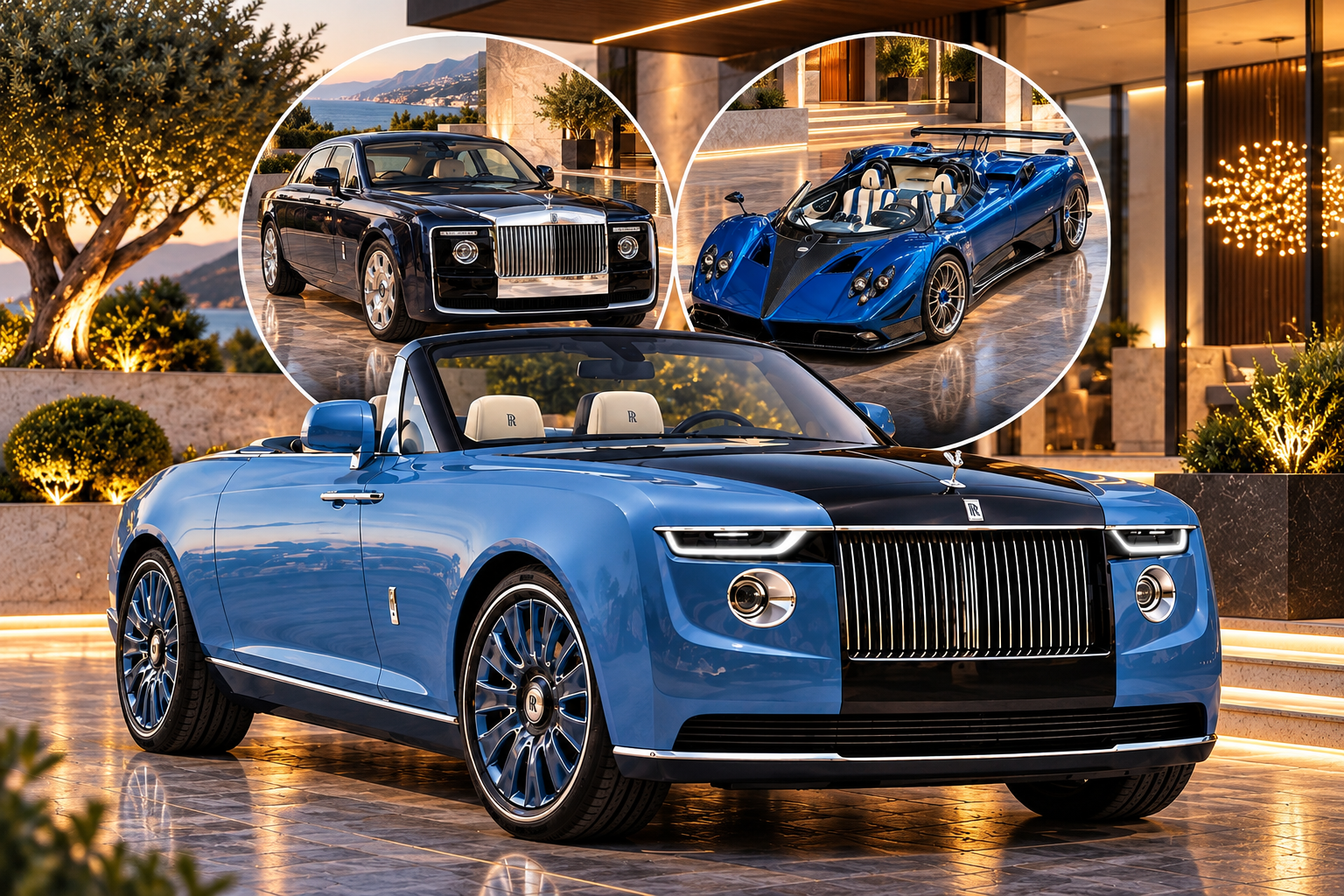
Tracing the seamless joint between the panoramic glass roof and the rear deck of the Rolls-Royce Sweptail reveals the extreme integration of bespoke architecture and automotive engineering. The bespoke coachwork dictates the entire structural geometry of the vehicle. The Sweptail lacks a traditional B-pillar. The engineers reinforced the floor pan and the sills using a specialized high-strength steel subframe. The subframe transfers the structural load from the front suspension to the rear suspension without relying on the roof for torsional rigidity. The interior features a specialized wood bending technique. The artisans steam-bent a single piece of mahogany to create the rear shelf. The mechanism involves heating the wood with moist steam, making the lignin in the wood fibers pliable. The wood bends into a complex compound curve and locks into shape as it dries. The glass roof features an electrochromic system. The system utilizes a specialized gel layer that changes opacity when an electrical current passes through it. The mechanism allows the driver to darken the roof at the touch of a button, blocking 99 percent of the visible light. The vehicle features a custom-built center console. The console houses a specialized refrigeration unit. The unit utilizes a thermoelectric cooling mechanism. The mechanism passes an electrical current through a semiconductor, transferring heat from the interior of the console to a heat sink located beneath the floor. The system chills the champagne to exactly 6 degrees Celsius. The underbody features a completely flat carbon fiber panel. The panel creates a venturi effect, accelerating the air beneath the vehicle to reduce lift. The rear differential features a specialized acoustic dampening shield. The shield utilizes a layer of dense foam and a layer of mass-loaded vinyl. The combination absorbs the mechanical whine of the gear teeth, ensuring the cabin remains completely silent. The Sweptail operates as a physical manifestation of a single client aesthetic vision. The engineering abandons the constraints of mass production to accommodate a highly specific architectural requirement.
SP Automotive Chaos: The $14.4 Million Billet-Machined Architecture
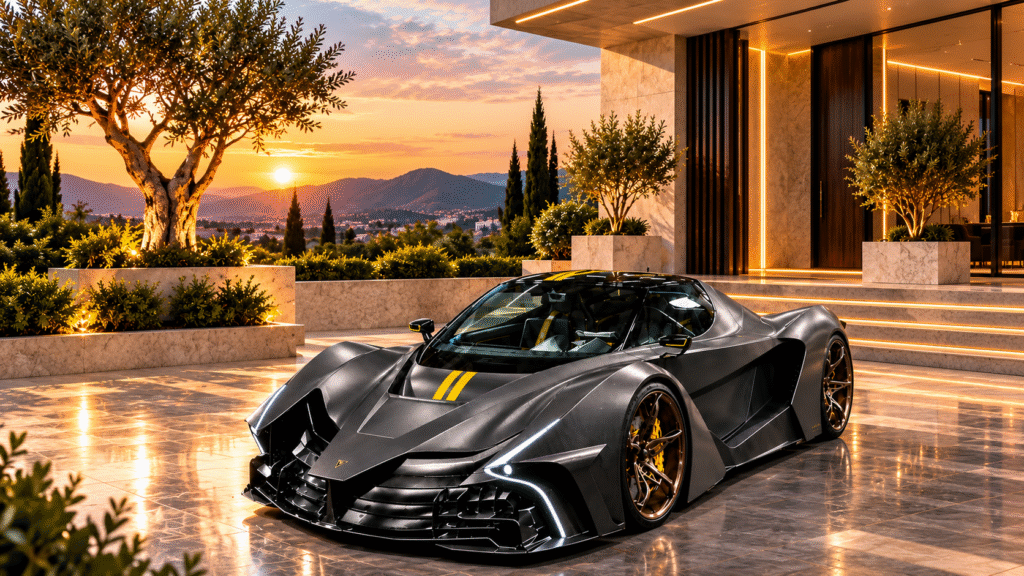
Inspecting the billet-machined titanium suspension uprights of the SP Automotive Chaos exposes the extreme engineering philosophy of the vehicle. The Chaos utilizes a completely billet-machined chassis. The engineers milled the entire structural frame from solid blocks of aerospace-grade titanium. The process eliminates the thermal inconsistencies associated with welding. The monocoque possesses a torsional rigidity exceeding 50,000 Newton meters per degree. The vehicle features a twin-turbo V10 engine. The billet-machined engine block utilizes a specialized plasma-sprayed cylinder lining. The lining features a mixture of iron and molybdenum. The material provides extreme wear resistance and allows the engine to operate without traditional cast iron cylinder sleeves. The engine produces 2000 horsepower. The fuel system utilizes a specialized direct injection mechanism. The system pressurizes the fuel to 500 bar. The high pressure atomizes the fuel into microscopic droplets, maximizing the surface area exposed to the oxygen in the combustion chamber. The suspension features a pushrod actuated system. The mechanism routes the suspension forces through a series of pullrods and bell cranks to the inboard dampers. The system reduces the unsprung mass of the wheel assembly, improving the responsiveness of the suspension. The brakes feature a specialized carbon ceramic architecture. The discs measure 420 millimeters. The system utilizes a six-piston caliper. The caliper features a specialized differential bore design. The mechanism utilizes pistons of different sizes to prevent the brake pads from tapering under extreme thermal load. The wheels feature a magnesium center-lock mechanism. The single central nut secures the wheel to the hub. The mechanism allows for rapid tire changes and reduces the rotating mass of the wheel assembly. The bodywork features a highly complex aerodynamic surface. The front splitter features a specialized boundary layer suction system. The system utilizes a series of microscopic slots in the bodywork. A dedicated vacuum pump draws the slow-moving boundary layer of air away from the surface, accelerating the airflow and increasing the downforce on the front axle. The Chaos represents the absolute limit of material science applied to automotive engineering.
Pagani Zonda HP Barchetta: The $17 Million Manual Gearbox Synchronization
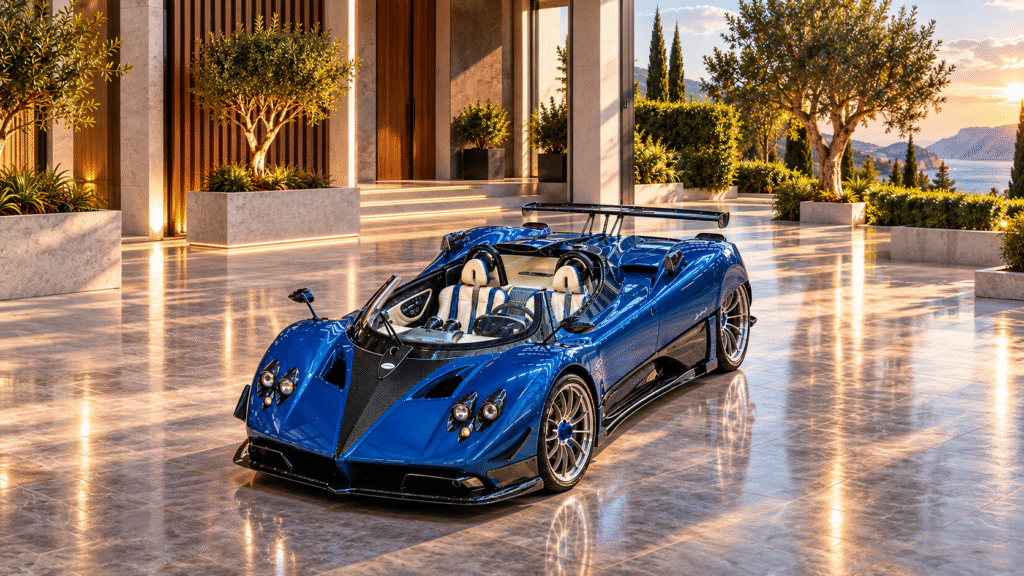
Looking down into the open cockpit of the Pagani Zonda HP Barchetta reveals the extreme mechanical purity of the exposed shift linkage. The vehicle features a six-speed manual gearbox. The gear lever features a machined titanium gate. The mechanism connects the gear lever to the transmission via a series of solid billet linkages. The linkages provide a direct, mechanical connection to the gear selector forks. The driver feels the exact engagement of the dog rings as they slide over the gear teeth. The clutch features a specialized carbon fiber disc. The disc utilizes a specialized segmented design. The segments allow the clutch to engage smoothly without the chatter associated with a solid carbon racing clutch. The engine produces 789 horsepower. The engine utilizes a specialized intake plenum. The plenum features a variable geometry mechanism. The system adjusts the length of the intake runners based on the engine speed. At low revs, the air travels a longer path, optimizing the combustion torque. At high revs, the system opens a shorter, direct port, maximizing the airflow. The wheels feature a bespoke design. The rear wheels measure 20 inches in diameter. The tires feature a specialized tread pattern designed to channel water away from the center of the contact patch. The suspension features a specialized hydraulic anti-roll bar. The system utilizes a dedicated pump to pressurize the fluid in the anti-roll bar. The system decouples the bar when driving in a straight line, providing a completely compliant ride. During cornering, the system pressurizes the bar, locking the suspension geometry and reducing the body roll. The rear wing features a manual adjustment mechanism. The driver must exit the vehicle to adjust the pitch of the wing. The mechanism utilizes a specialized ratchet system. The driver can alter the angle of attack by two degrees per click. The HP Barchetta represents a rejection of automated driving aids. The engineering forces the driver to interact physically with the mechanics of the vehicle.
Bugatti La Voiture Noire: The $18.7 Million Optical Continuity

Analyzing the optical continuity of the rear fascia on the Bugatti La Voiture Noire exposes the extreme engineering required to create a seamless visual surface. The carbon fiber polishing technique dictates the entire exterior architecture. The vehicle features a clear-coated carbon fiber body. The process of polishing the carbon fiber requires over 300 hours of manual labor. The artisans utilize a specialized polishing paste. The paste contains microscopic aluminum oxide particles. The particles cut away the microscopic peaks in the clear coat, creating a perfectly flat surface that reflects light like a mirror. The quad-turbo W16 engine sits beneath a massive transparent glass shield. The shield utilizes a specialized low-iron glass. The glass eliminates the green tint found in standard float glass, ensuring the engine is viewed in its true color. The exhaust system features six tailpipes. The pipes feature a specialized thermal isolation layer. The layer prevents the heat from transferring into the surrounding carbon fiber bodywork. The suspension features a specialized adaptive damping system. The system utilizes a magnetic fluid. The fluid contains microscopic iron particles. An electromagnetic coil surrounds the damper piston. The system alters the viscosity of the fluid in milliseconds, adjusting the damping force based on the road surface scan. The rear of the vehicle features a massive diffuser. The diffuser utilizes a specialized vertical strut design. The struts prevent the air from curling under the vehicle, maximizing the extraction of air from the underbody. The mechanism generates massive downforce at the rear of the vehicle. The interior features a machined aluminum center console. The console features a specific rotary dial. The dial adjusts the ride height. The mechanism utilizes a specialized stepper motor. The motor moves with a specific detent feel, providing a tactile click for every millimeter of ride height adjustment. The La Voiture Noire represents an engineering exercise in creating a completely smooth visual surface while managing the extreme thermodynamic load of the engine.
Rolls-Royce Boat Tail: The $28 Million Hosting Suite Mechanics
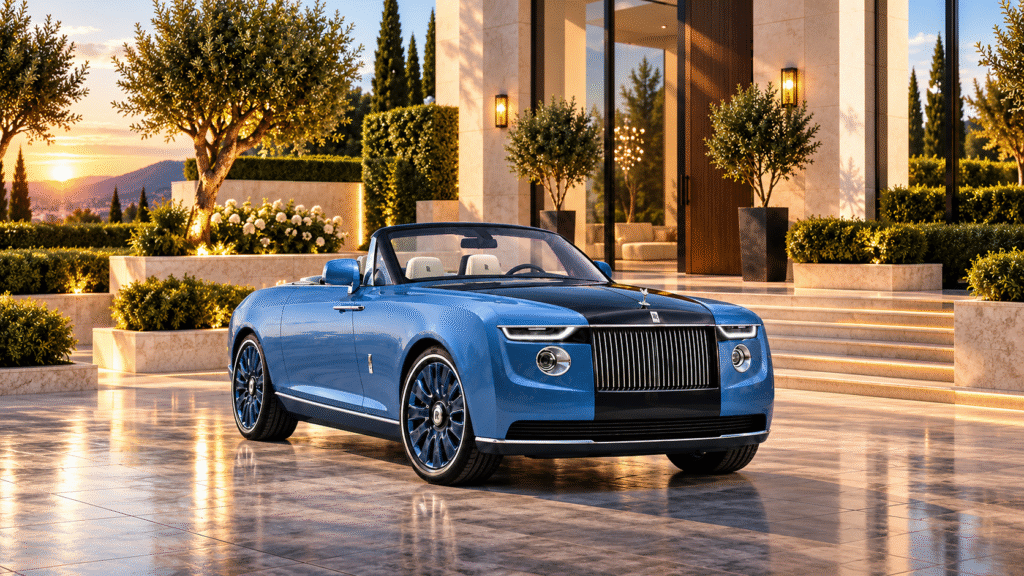
Opening the rear hosting suite of the Rolls-Royce Boat Tail reveals the extreme engineering complexity hidden beneath the bespoke parabolic rear deck. The rear deck features a butterfly opening mechanism. The mechanism utilizes two massive billet-machined aluminum arms. The arms pivot on specialized plain bearings. The bearings utilize a specialized PTFE liner. The liner eliminates the need for lubrication, ensuring the mechanism operates silently for decades. The hosting suite houses a highly specialized refrigeration unit. The unit features a dedicated compressor. The compressor utilizes a specialized variable speed drive. The system adjusts the cooling capacity based on the ambient temperature, maintaining the champagne at exactly 4 degrees Celsius. The suite features a parasol mechanism. The parasol utilizes a carbon fiber mast. The mast features a specialized deployment mechanism. The mechanism utilizes a gas strut. The strut forces the mast upward and locks it into a vertical position. The canopy utilizes a specialized UV-resistant fabric. The fabric features a hydrophobic coating. The coating forces water to bead and roll off the surface. The 6.75-liter V12 engine produces 563 horsepower. The engine utilizes a specialized air suspension system. The system features a self-leveling mechanism. The mechanism utilizes a dedicated compressor to pump air into the rear air springs. The system compensates for the weight of the passengers in the rear seat, maintaining a perfectly level ride height. The chassis features a specialized acoustic dampening layer. The layer utilizes a combination of dense foam and a specialized viscoelastic polymer. The polymer absorbs the low-frequency vibrations generated by the V12 engine. The wheels feature a specific 22-inch design. The wheels utilize a specialized brushed aluminum finish. The finish eliminates the glare associated with polished aluminum, ensuring the wheels do not distract from the visual lines of the vehicle. The Boat Tail operates as a highly specialized piece of architectural engineering, designed specifically to facilitate a specific type of outdoor social interaction.
Rolls-Royce La Rose Noire Droptail: The $30 Million Watch Integration Engineering
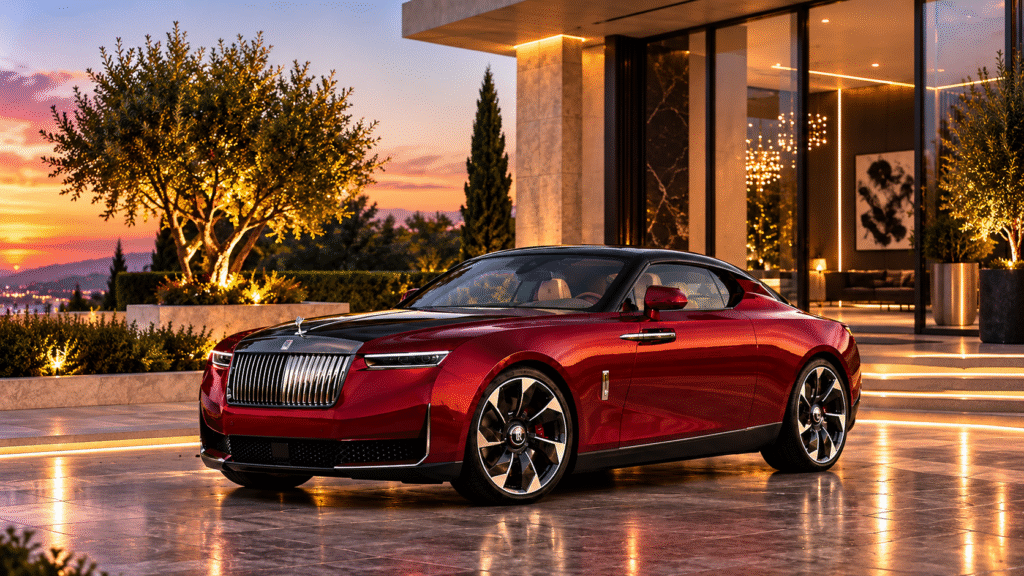
Sitting in the driver seat of the Rolls-Royce La Rose Noire Droptail exposes the extreme mechanical complexity of the bespoke timepiece integration. The vehicle features a custom-built Tourbillon watch. The watch sits in a specialized housing machined into the center console. The housing features a specialized spring-loaded latch. The driver presses a button. The mechanism releases a mechanical catch. A specialized gas strut pushes the watch upward, presenting it at a specific viewing angle. The watch utilizes a specialized power reserve mechanism. The mechanism draws power directly from the vehicle electrical system. A dedicated stepper motor winds the watch mainspring when the vehicle is running, ensuring the watch never stops. The 6.75-liter V12 engine features a specialized cold-start mechanism. The system limits the revs to 1,200 RPM for the first 60 seconds. The system retards the ignition timing. The mechanism forces the exhaust gases to flow through the catalytic converter. The process rapidly heats the catalytic converter to 400 degrees Celsius. The process reduces the emissions generated during the cold start. The rear deck features a massive wooden panel. The panel features a specialized UV-resistant clear coat. The clear coat utilizes a specialized ceramic nanoparticle suspension. The suspension prevents the ultraviolet radiation from degrading the natural pigments in the wood. The suspension features a specialized hydraulic anti-dive mechanism. The system utilizes a dedicated valve in the front suspension struts. The valve restricts the flow of hydraulic fluid during braking. The mechanism prevents the front of the vehicle from diving, keeping the chassis perfectly level under extreme deceleration. The Droptail features a completely bespoke aerodynamic profile. The front splitter features a specialized boundary layer separation mechanism. The mechanism utilizes a specialized slot in the bodywork. The slot directs a high-speed jet of air over the front wheels, reducing the pressure drag generated by the rotating wheel assemblies. The La Rose Noire Droptail represents the absolute pinnacle of coachbuilt automotive engineering. The integration of haute horology and automotive mechanics demonstrates a specific philosophy of wealth preservation. The physical reality of the vehicle ensures the mechanical systems will outlast the digital era entirely.
The Permanence of Mechanical Density
The physical accumulation of these ten vehicles represents a specific architectural permanence. The Most Expensive Cars in the World 2026 exist entirely outside the modern paradigm of disposable, software-driven transportation. The mechanical friction that defines these machines creates a direct physical link between the driver and the internal combustion process. The 18-karat gold, the billet-machined titanium, and the carbon ceramic discs anchor these objects to the earth. The internal combustion engines will outlast the lithium-ion battery arrays that power the modern automotive fleet. The bespoke structural geometries ensure the vehicles cannot be replicated. The artisans who hand-stitch the leather and hand-polish the carbon fiber leave a specific physical trace on the materials. The valuation of these cars stems from the impossibility of automated mass production. The capital required to engineer a one-off active aerodynamic flap exceeds the total development budget of a standard production sedan. The permanence of the mechanics ensures these vehicles will function perfectly when the digital infrastructure of the modern world fails. The physical reality of the gear teeth ensures the rotation of the wheels will remain absolutely constant, driven by the mechanical expansion of combusting gases. The assets stand as a testament to the physical limits of human engineering precision. The physical weight of the platinum and titanium ensures these machines will remain anchored to the earth, outlasting the transient digital wealth that facilitated their acquisition.
FAQ
What engineering defines the Most Expensive Cars in the World 2026?
The engineering of the most expensive cars relies on bespoke material science and extreme mechanical complexity. The vehicles utilize billet-machined titanium chassis, 3D-printed cooling channels in the engine blocks, and specialized carbon fiber composites cured in autoclaves. The engineering prioritizes thermodynamic management and structural rigidity over mass production efficiency.
How does the Rolls-Royce La Rose Noire Droptail watch integration work?
The La Rose Noire Droptail features a custom Tourbillon watch housed in a spring-loaded, gas-strut actuated console compartment. A dedicated stepper motor connects to the vehicle electrical system, continuously winding the watch mainspring while the engine runs, ensuring the timepiece never loses time.
What is the thermal management strategy of the Bugatti Centodieci?
The Bugatti Centodieci utilizes a quad-turbo W16 engine with 3D-printed titanium cooling channels integrated directly into the engine block. The additive manufacturing allows complex internal geometries to route coolant to specific thermal hotspots. The system features a water-to-air intercooler architecture that chills intake air to 80 degrees Celsius.
Why does the Pagani Zonda HP Barchetta feature a manual gearbox?
The Pagani Zonda HP Barchetta utilizes a six-speed manual gearbox with an exposed billet titanium shift linkage to provide a direct mechanical connection to the gear selector forks. The engineering rejects automated driving aids, forcing the driver to interact physically with the dog ring engagement and the carbon fiber clutch disc.
How does the Rolls-Royce Boat Tail hosting suite operate?
The Rolls-Royce Boat Tail features a butterfly-opening rear deck utilizing billet-machined aluminum arms on PTFE-lined plain bearings. The hosting suite houses a variable-speed refrigeration unit maintaining champagne at 4 degrees Celsius and a carbon fiber parasol mast deployed via a specialized gas strut mechanism.