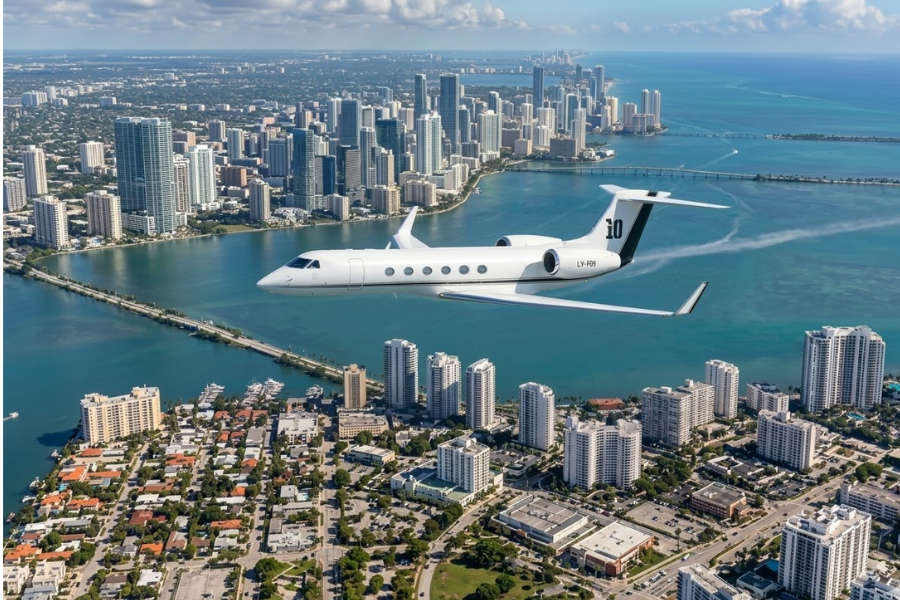
The runway lights glow just after sunset at a quiet private terminal in Miami. Ground crew move with practiced rhythm while a sleek white aircraft rolls slowly toward the hangar doors. The jet looks understated from a distance. A closer look reveals a small detail painted near the entrance stairs.
The number 10 appears beside the cabin door.
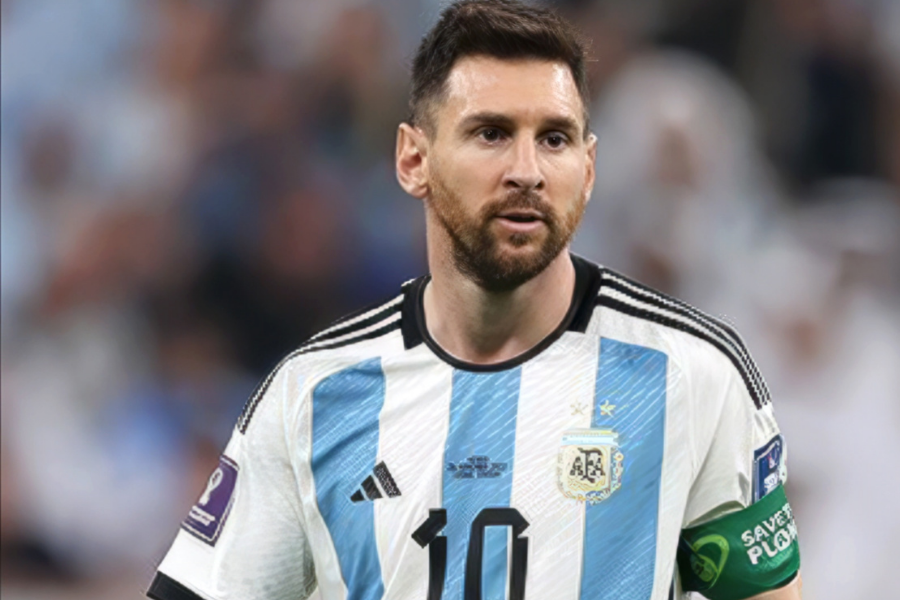
That number carries meaning far beyond aviation. It belongs to Lionel Messi, one of the most recognizable athletes on the planet. The aircraft itself has become a symbol of the modern sports empire that surrounds elite football players.
The Lionel Messi $15 Million Private Jet reflects more than personal luxury. The aircraft represents a logistical tool for global travel, family mobility, and the demanding schedule of a professional athlete whose career spans continents.
Private aviation allows Messi to move between cities with speed and privacy. Matches, commercial appearances, sponsorship events, and family holidays often require rapid international travel.
Inside the aircraft, the environment reflects a balance between comfort and functionality. Seating areas transform into sleeping spaces. Conference tables accommodate strategy discussions or quiet meals during long flights.
The jet therefore functions as a mobile extension of the lifestyle built around one of football’s most influential figures.
Inside the Design of the Lionel Messi $15 Million Private Jet
Stepping inside the Lionel Messi $15 Million Private Jet reveals an environment designed for long-distance comfort rather than dramatic display.
Soft leather seats line the cabin walls, arranged to create both social seating areas and private resting spaces. The color palette remains calm, typically dominated by neutral tones that keep the interior feeling spacious and relaxed during extended flights.
Large windows allow daylight to enter the cabin while offering sweeping views of landscapes far below.
One section of the aircraft functions as a dining and meeting space. A polished table sits between four comfortable seats. During flights this area often serves multiple purposes. Players, family members, or guests can share meals while traveling between destinations.
Further along the cabin, seating converts into fully flat sleeping areas. This feature becomes essential during long transatlantic journeys when rest matters before arriving at a match or major public appearance.
Storage compartments run along the cabin walls. These spaces accommodate travel bags, sports equipment, and personal belongings. Professional athletes frequently travel with multiple suitcases due to the demands of sponsorship commitments and training gear.
Another distinctive detail appears outside the aircraft rather than inside it. The jet’s exterior features the number 10, Messi’s iconic jersey number worn throughout much of his career.
Near the entrance stairs, the names of his family members are also displayed. The customization turns the aircraft into something personal rather than purely functional.
For aviation enthusiasts, the aircraft represents a common category within private aviation known as a mid-size business jet. These aircraft provide the range necessary for international travel while maintaining operating efficiency compared with larger ultra-long-range jets.
The interior layout follows principles widely used across modern business aviation.
Cabin designers focus on creating flexible environments rather than fixed seating rows. Passengers may rotate seats toward one another to form conversation areas. Tables fold or expand depending on the number of travelers on board.
Lighting systems also play an important role. Adjustable LED panels allow passengers to control brightness levels during flights. This capability becomes valuable during overnight travel when rest cycles matter.
The aircraft therefore functions as a quiet airborne lounge rather than a conventional transport cabin.
Why the Lionel Messi $15 Million Private Jet Matters in the World of Elite Athletes
Private jets have become increasingly common among global athletes whose careers involve constant travel.
Professional football schedules often require movement across continents within tight timeframes. Commercial airline travel rarely offers the flexibility necessary for such demanding itineraries.
The Lionel Messi $15 Million Private Jet allows travel plans to align precisely with training sessions, match schedules, and sponsorship commitments.
Privacy also plays an important role. High-profile athletes attract attention in public airports. Private terminals offer controlled environments where arrivals and departures remain discreet.
Another advantage involves time efficiency.
Private aviation removes many layers of waiting associated with commercial flights. Passengers arrive at a private aviation terminal, board quickly, and depart within minutes rather than hours.
For athletes whose schedules revolve around performance and recovery, this time savings becomes significant.
The aircraft also functions as a family travel environment. Messi often travels with his wife and children during holidays or special occasions. A private cabin allows family members to relax comfortably while moving between destinations.
Inside the broader sports business landscape, private jets also represent the financial scale surrounding elite football careers.
Endorsements, sponsorships, and club contracts generate income streams capable of supporting such investments. The aircraft becomes both a convenience and a symbol of professional success.
Beyond Messi’s individual case, private aviation has become intertwined with global sports culture.
Basketball players, tennis champions, and Formula One drivers frequently rely on private aircraft to manage international travel demands.
These jets operate as mobile workspaces where athletes can rest, hold meetings with management teams, or review match footage during flights.
The Lionel Messi $15 Million Private Jet therefore represents a broader trend in elite sports logistics.
Travel efficiency, privacy, and flexibility all play a role in maintaining the pace of modern athletic careers.
The Role of Private Aviation in Global Sports
Professional sports operate across international calendars. Clubs travel frequently. Athletes attend tournaments, promotional appearances, and training camps in multiple countries throughout the year.
Private jets provide the infrastructure that keeps this schedule moving smoothly.
Aircraft similar to the Lionel Messi $15 Million Private Jet allow athletes to reach destinations that might require multiple commercial connections otherwise.
The flexibility becomes particularly valuable when schedules shift unexpectedly. Match dates change, training camps relocate, or commercial commitments arise on short notice.
Private aviation adapts quickly to these circumstances.
As the aircraft lifts from the runway and climbs above the coastline, the cabin settles into a quiet rhythm. Passengers speak softly while the aircraft levels out at cruising altitude.
For Messi, the journey between cities continues quietly above the clouds.
The number 10 painted beside the cabin door remains visible only on the ground. Yet the aircraft carrying it reflects a career that has traveled across stadiums, continents, and generations of football supporters.
FAQs
1. What is the Lionel Messi $15 Million Private Jet?
The Lionel Messi $15 Million Private Jet is a customized business aircraft designed for international travel, featuring luxury seating, sleeping areas, and exterior markings including Messi’s jersey number 10.
2. What features does Lionel Messi’s private jet include?
The aircraft includes leather seating areas, a dining table, convertible sleeping beds, storage spaces, and customized exterior branding with the number 10.
3. Why do football players like Messi use private jets?
Private jets provide privacy, flexible scheduling, and faster travel, which helps athletes manage international match schedules, sponsorship events, and personal travel.
4. How many passengers can Messi’s private jet carry?
Jets in this category typically accommodate 8 to 16 passengers, depending on the interior configuration.
5. How much does a private jet like Messi’s cost to operate?
Operating costs vary depending on flight distance, fuel prices, and maintenance. Annual expenses for a jet in this category can reach hundreds of thousands to several million dollars.