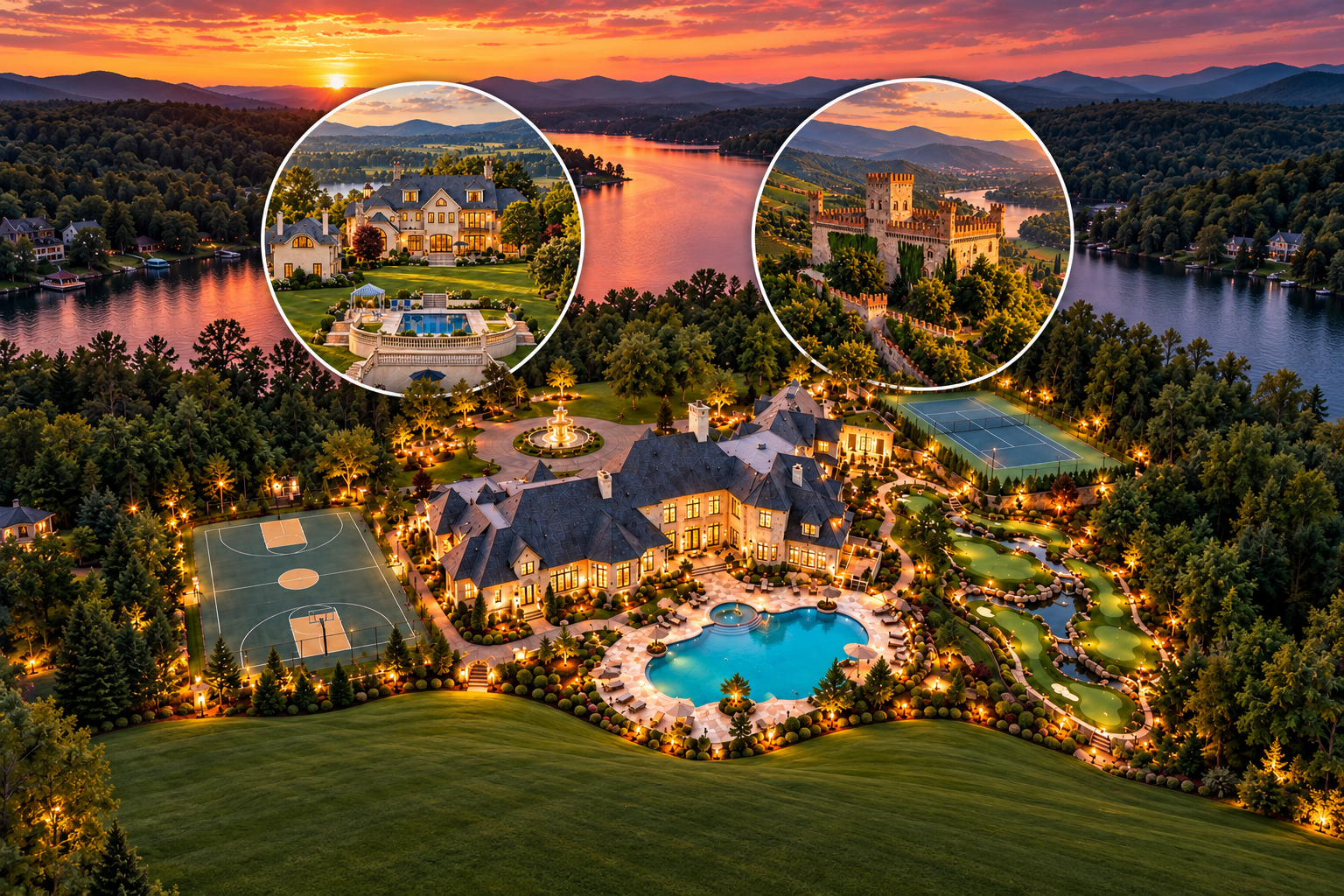

Biscayne Bay, Late Afternoon
The water around Biscayne Bay moves slowly at sunset. A long private dock stretches toward open water. Security launches idle quietly at the edge of the property line. The house itself sits back from the shoreline, glass and limestone reflecting the last light of the day.
When Mark Zuckerberg quietly secured one of Miami’s most expensive residential properties for approximately 170 million dollars, real estate circles immediately recognized the signal.
The Mark Zuckerberg Miami $170 Million Mansion purchase does more than break local pricing records. It reveals how the ultra wealthy now approach real estate as a strategic asset combining privacy, geography, and long term capital positioning.
For luxury property investors and billionaire lifestyle observers, the acquisition marks another chapter in Miami’s rise as a magnet for global wealth.
Mark Zuckerberg Miami $170 Million Mansion: Architecture, Security, and Waterfront Scale
The Estate and Its Location
The mansion reportedly sits on one of Miami’s most coveted waterfront parcels, likely within an ultra exclusive enclave such as Star Island or a comparable private neighborhood.
Properties in these zones combine limited land availability with direct ocean access. Large estates occupy multiple acres, allowing homeowners to maintain significant distance from neighboring properties.
The location matters as much as the structure itself. Miami’s luxury real estate market benefits from favorable tax structures, international accessibility, and year round waterfront lifestyle appeal.
Architectural Identity
The mansion reflects contemporary coastal architecture. Clean geometric lines define the exterior. Expansive glass panels open toward Biscayne Bay. Terraces extend across multiple levels, creating layered outdoor living spaces.
High end materials dominate construction. Limestone cladding, custom steel framing, and marine grade glass protect against coastal weather conditions.
The residence likely includes several guest pavilions, a waterfront pool complex, and extensive landscaped grounds designed for privacy and controlled views of the bay.
How Estates of This Scale Function
Properties at this valuation operate like private infrastructure systems.
Climate control relies on advanced zoned HVAC systems capable of regulating temperature independently across multiple wings. Backup generators maintain power continuity during storms.
Security integrates layered technology. Perimeter sensors monitor entry points. Cameras use high resolution imaging combined with motion analytics. Secure access gates coordinate with private roadways and marine entry zones.
Waterfront estates often include private docking facilities capable of accommodating large vessels. Automated docking systems and reinforced seawalls protect the shoreline during high tide conditions.
Luxury architecture here balances aesthetics with environmental resilience.
Interior Composition
Though full interior details remain private, estates in this category usually contain extensive amenities.
Private cinemas, wellness spas, and climate controlled wine vaults appear frequently. Large open salons connect to outdoor terraces through retractable glass walls.
Bedrooms extend beyond typical residential scale. Suites resemble boutique hotel apartments with dressing rooms, sitting areas, and terrace access.
These homes function as both residences and diplomatic environments where global business conversations can occur privately.
Billionaire Real Estate Strategy and Miami’s Global Position
Miami’s Transformation into a Global Wealth Hub
Over the past decade, Miami has evolved from seasonal luxury destination to permanent headquarters for international wealth.
Finance executives, technology founders, and hedge fund managers increasingly relocate operations to Florida. Tax policy, climate, and international connectivity create powerful incentives.
Luxury real estate reflects that migration. Record breaking transactions continue to reshape the upper tier of the market.
The Mark Zuckerberg Miami $170 Million Mansion purchase reinforces Miami’s reputation as a strategic residential base for global entrepreneurs.
Portfolio Diversification Among Billionaires
Ultra high net worth individuals rarely rely on a single residence. Instead they maintain portfolios spanning several geographic regions.
A waterfront property in Miami complements estates in Silicon Valley, Hawaii, or European capitals. Each location serves a different purpose within lifestyle and investment planning.
Real estate at this level functions as both personal infrastructure and long term asset preservation.
The Signaling Effect in Luxury Markets
When a high profile technology founder acquires a record property, ripple effects move through the market quickly.
Developers adjust expectations for future projects. Brokers recalibrate price benchmarks for comparable waterfront estates. International investors pay closer attention to inventory availability.
One transaction can alter perception across an entire luxury district.
The Broader Luxury Ecosystem
Large estate purchases influence surrounding industries.
Architecture firms secure new commissions. Yacht builders benefit from increased marina development. Private security companies expand operations.
Luxury real estate does not operate in isolation. It anchors an ecosystem of design, construction, and lifestyle services.
Permanence on the Waterfront
Biscayne Bay changes color throughout the day. Morning light flattens the water. Afternoon winds ripple across its surface.
The house remains still behind its gates.
Headlines will focus on the number, 170 million dollars, for a few weeks. Yet estates like this endure for decades, passing quietly between owners whose names rotate through property records.
The Mark Zuckerberg Miami $170 Million Mansion marks a moment in Miami’s luxury evolution. The shoreline will continue to attract wealth long after the headlines fade.