

Entering the Hidden Economy of Rare Wine and Spirits
Rare wine and spirits operate within a discreet global economy shaped by scarcity, provenance, and trust. For elite collectors, especially those building Rare Wine Cellars that Billionaires admire, acquisition goes far beyond taste or prestige. Instead, it reflects long-term strategy, cultural capital, and asset preservation. As global wealth increases, rare bottles now function as alternative investments with emotional and financial dimensions. Consequently, vetting, authentication, and storage have become critical disciplines rather than afterthoughts. This world values silence, expertise, and patience. Unlike mainstream markets, transactions rely on relationships rather than visibility. Therefore, understanding how rare wine and spirits move, authenticate, and mature inside private cellars reveals how luxury, investment, and discretion intersect at the highest level.
Why Billionaires View Rare Wine as an Investment Class
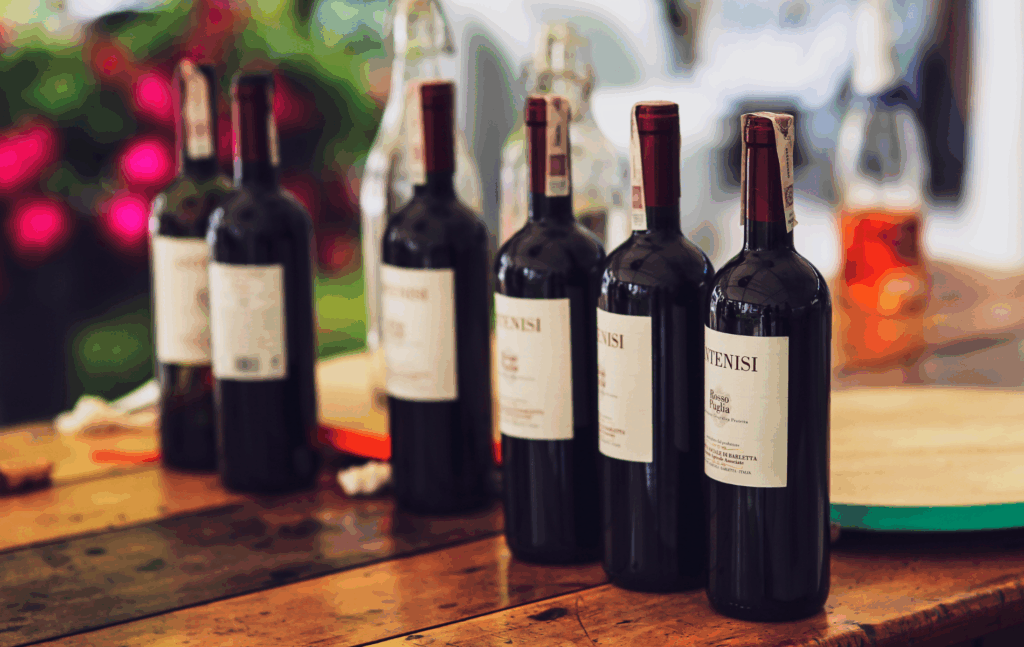
Rare wine attracts billionaire interest because it combines scarcity with tangible value. Unlike volatile financial instruments, fine wine benefits from natural attrition as bottles are consumed over time. As a result, scarcity increases organically. Moreover, demand remains global and culturally resilient. Rare Wine Cellars Billionaires often curate to reflect diversified portfolios rather than indulgence alone. Wine offers low correlation with traditional markets while providing legacy appeal. Additionally, top-tier vintages carry historical significance, reinforcing long-term desirability. However, investment success depends on disciplined acquisition and proper storage. Therefore, billionaire collectors treat wine not as luxury consumption, but as a structured asset class requiring governance, documentation, and expert oversight.
The Critical Role of Vetting and Authentication
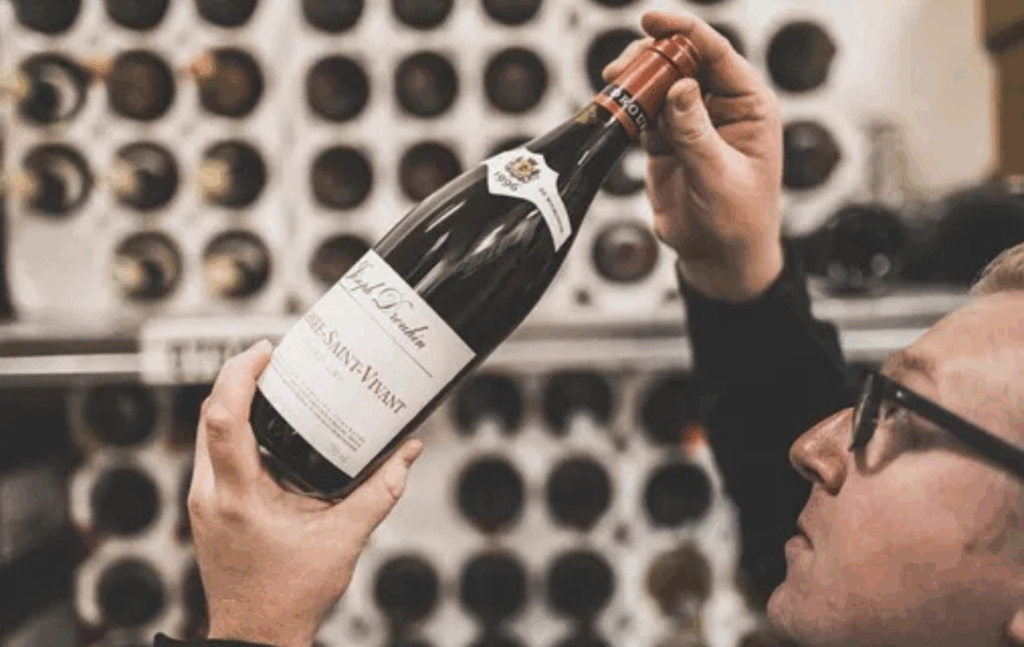
Vetting defines the difference between value and liability in rare wine markets. Counterfeiting, improper storage, and undocumented provenance pose significant risks. Consequently, Rare Wine Cellars Billionaires rely on expert verification processes before acquisition. These processes include bottle inspection, label analysis, cork condition assessment, and historical documentation review. Additionally, trusted intermediaries validate chain of custody to eliminate uncertainty. Authentication protects not only financial value but also reputation. Therefore, collectors invest heavily in expertise rather than volume. Each vetted bottle represents confidence, traceability, and long-term viability. Without rigorous vetting, even prestigious labels lose credibility.
Provenance as the Foundation of Value
Provenance determines legitimacy in rare wine and spirits markets. Clear ownership history confirms authenticity and quality. For billionaire collectors, provenance documentation carries equal importance to the liquid itself. Rare Wine Cellars Billionaires maintain often include detailed acquisition records, storage history, and transaction verification. This documentation safeguards future resale, insurance valuation, and inheritance planning. Moreover, provenance reduces uncertainty during market downturns, preserving liquidity. As transparency becomes more valuable, documented histories increase desirability. Consequently, bottles with impeccable provenance outperform comparable unlabeled assets. Provenance transforms rarity into certainty.
Designing Rare Wine Cellars for Preservation
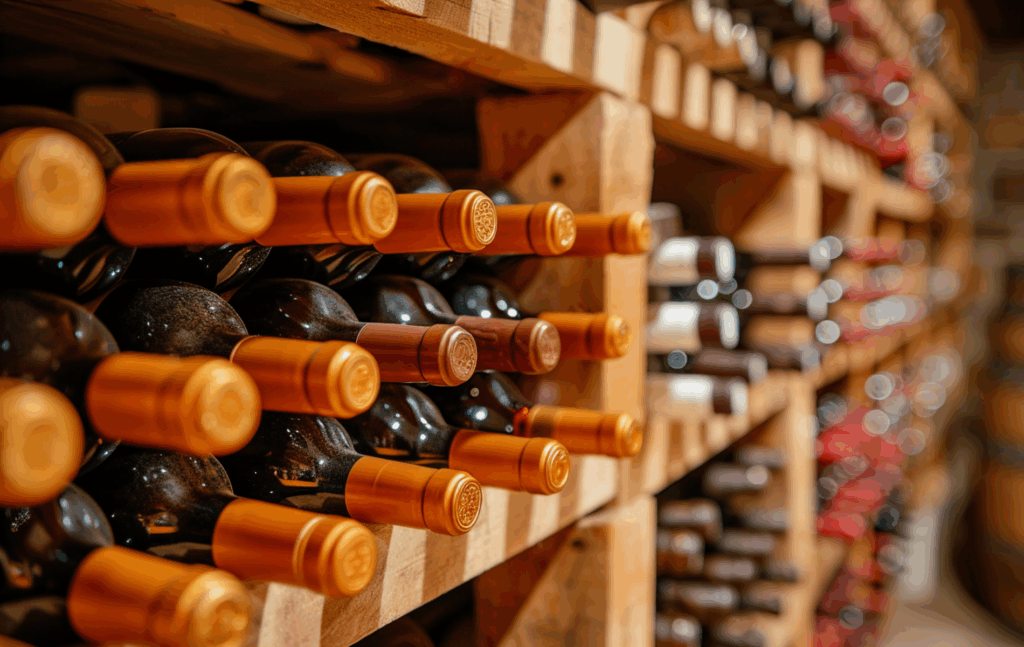
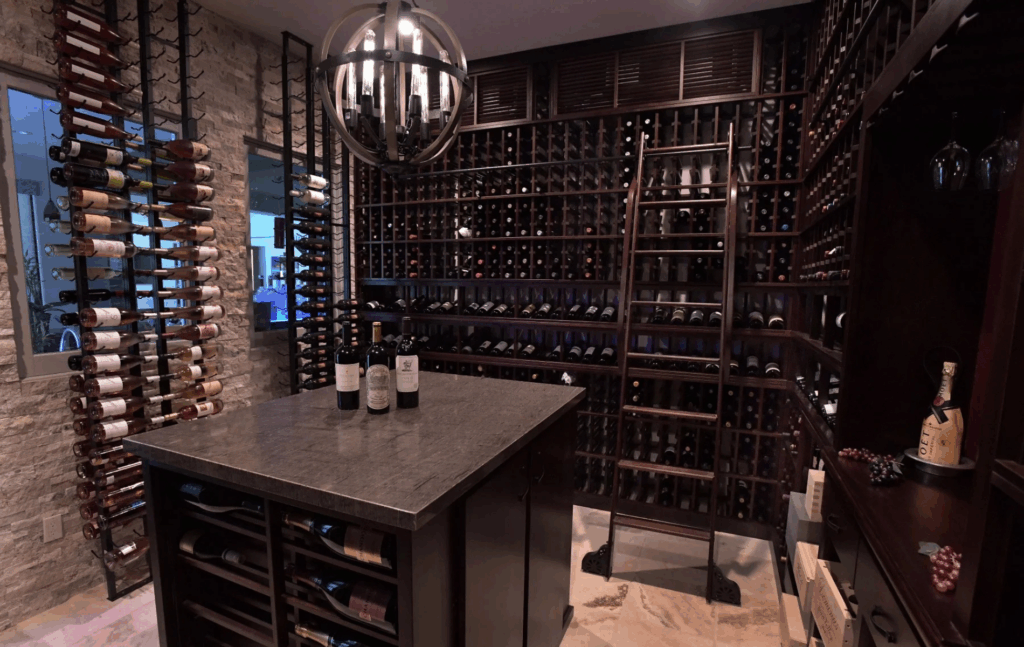
Storage defines success in rare wine investing. Even perfectly authenticated bottles lose value if stored improperly. Therefore, Rare Wine Cellars Billionaires commission are engineered environments rather than decorative spaces. Precise temperature control, humidity regulation, vibration reduction, and light management preserve aging potential. Additionally, cellar design emphasizes redundancy and monitoring to eliminate risk. Advanced systems track conditions in real time, ensuring stability. As collections grow, storage scalability becomes essential. Professional-grade cellars resemble vaults rather than wine rooms. Preservation becomes an active discipline rather than passive storage.
The Rise of Private Spirits Vaults
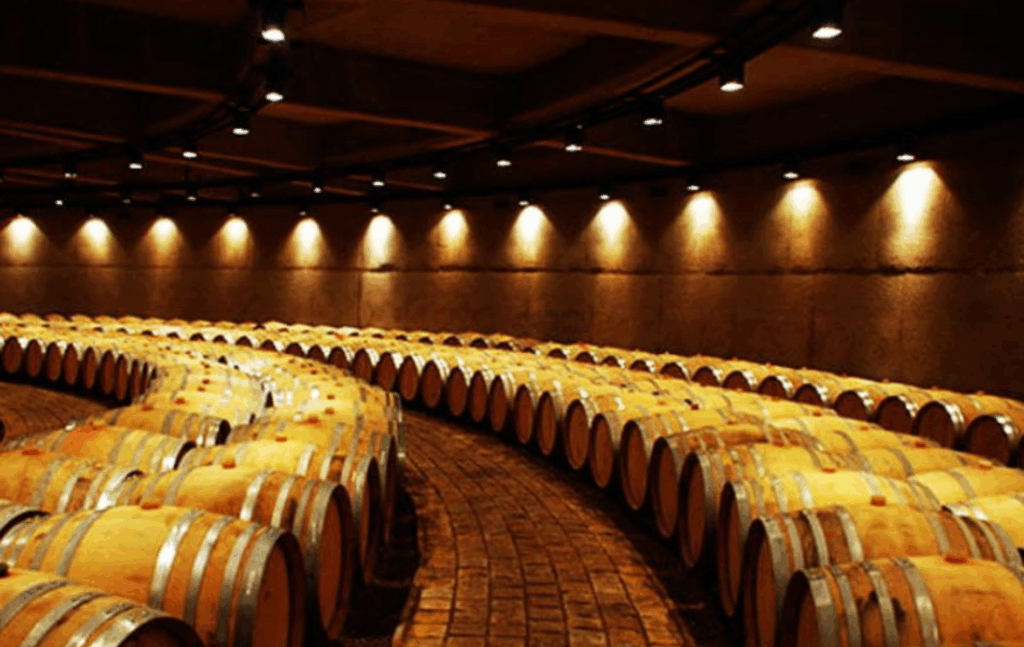
Rare spirits increasingly rival wine in investment appeal. Vintage whisky, aged rum, and limited-edition cognac attract billionaire attention due to extreme scarcity. As a result, collectors expand beyond wine into diversified liquid portfolios. Rare Wine Cellars Billionaires often evolve into multi-category vaults. Spirits require distinct storage considerations, including upright positioning and seal protection. Vetting spirits emphasizes cask history, bottling integrity, and distillery documentation. As spirits markets mature, infrastructure and expertise mirror fine wine standards. Diversification strengthens resilience and broadens legacy potential.
Discretion and Security in Elite Cellar Management
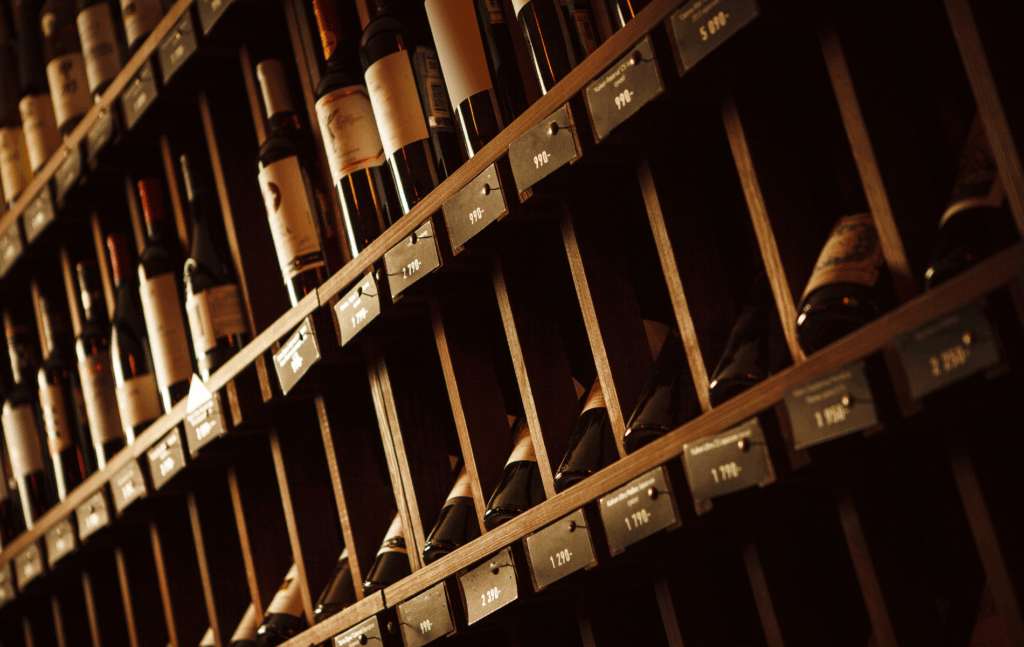
Discretion defines elite cellar ownership. Rare collections attract attention and risk. Therefore, Rare Wine Cellars Billionaires secure incorporate layered security systems. Controlled access, surveillance, and inventory encryption protect both assets and privacy. Unlike commercial storage, private cellars prioritize anonymity. Furthermore, security planning integrates with estate architecture rather than standing alone. This seamless approach preserves aesthetics while ensuring control. Discretion protects value by limiting exposure and speculation. Silence reinforces prestige.
Insurance, Valuation, and Risk Management
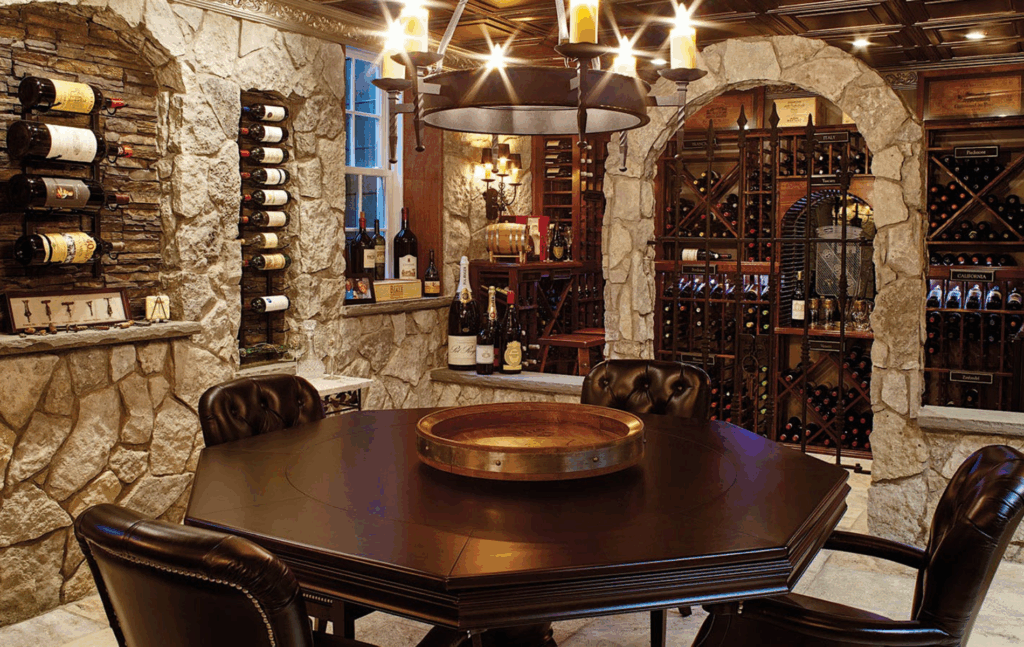
Insurance plays a central role in rare wine strategy. Accurate valuation requires market awareness, provenance documentation, and condition reporting. Rare Wine Cellars Billionaires maintain often involve specialized insurers familiar with niche markets. Regular audits update coverage and minimize exposure. Additionally, risk management plans address natural disasters, mechanical failures, and geopolitical instability. By anticipating threats, collectors preserve long-term value. Insurance transforms preservation into a managed discipline rather than hope-based protection.
Rare Wine as a Legacy Asset

Rare wine extends beyond financial return. Many collectors view cellars as cultural legacies passed through generations. Rare Wine Cellars Billionaires curate often reflect personal history, geographic identity, and philosophical values. Structured documentation, education, and governance ensure continuity. Unlike consumable luxury, rare wine offers storytelling, connection, and heritage. Legacy planning integrates wine into broader estate strategy. This emotional dimension strengthens commitment to preservation and authenticity.
The Silent Architecture of Value
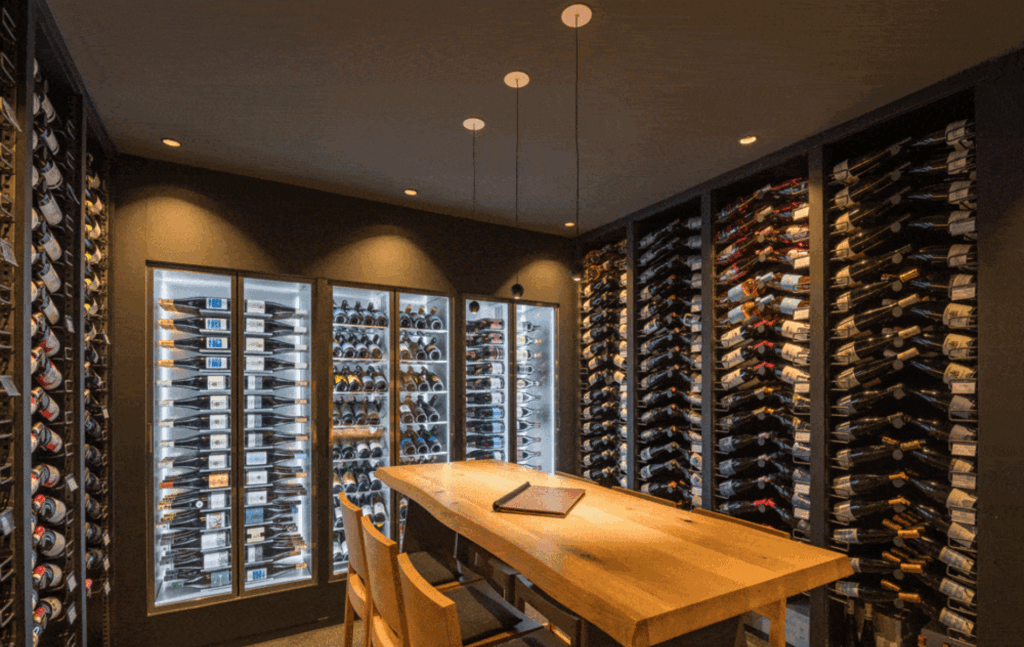
The world of rare wine and spirits remains intentionally quiet. Vetting, provenance, and cellar design operate behind closed doors. Yet, these disciplines define success. Rare Wine Cellars Billionaires build function as silent architectures of value, blending investment logic with cultural stewardship. As markets evolve, discretion, expertise, and preservation will continue to separate collectors from speculators. Ultimately, rarity rewards patience, knowledge, and respect for process.