
The Markham Interface: Where Suburbia Meets the Wild
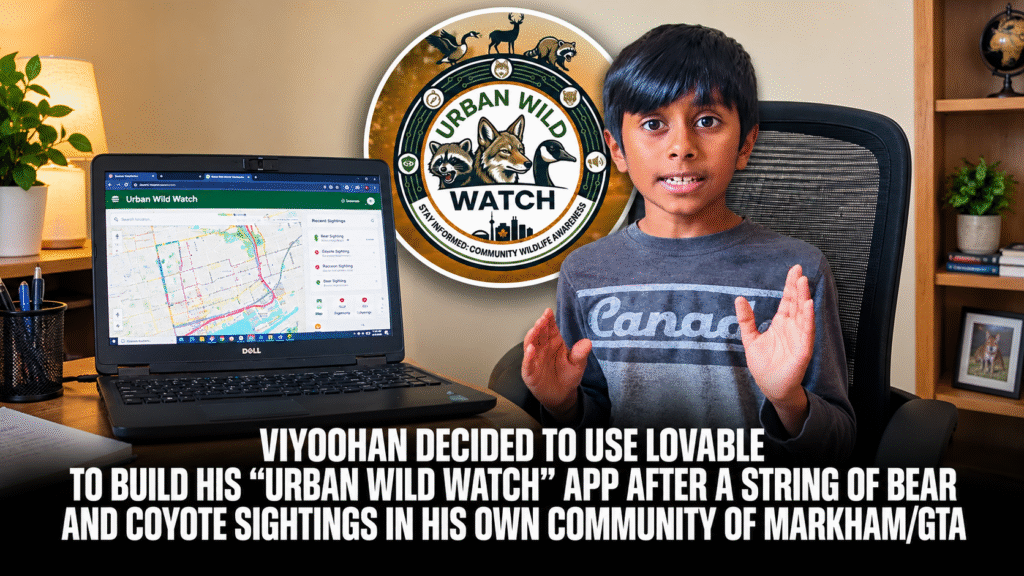
Late autumn in Markham brings a specific kind of quiet to the sprawling residential grids north of Toronto. Manicured lawns and paved driveways sit adjacent to deep ravines and forested corridors that feed directly into the urban sprawl. The northern expansion of the GTA, characterized by high-density residential clusters and destinations for luxury outlet shopping, has steadily eroded the natural corridors used by local fauna. Residents began noticing overturned garbage bins and distinct paw prints in the mud. Coyotes trotted down the center lines of subdivisions at twilight. Black bears wandered onto back porches, drawn by the scent of stored birdseed and organic waste. The local municipal channels moved slowly, relying on dated phone hotlines and weekly reports that offered zero real-time utility. People needed immediate, localized data to navigate their own streets. The infrastructure did not exist. A gap presented itself between the speed of urban encroachment and the municipality’s ability to track it. This specific friction point caught the attention of a local resident who possessed an entirely different framework for problem-solving. Viyoohan, an eight-year-old student living in the community, observed the anxiety sweeping through his neighborhood. He listened to parents discussing the risks of letting children walk to school. He noticed the printed warning flyers taped to community mailboxes. Instead of waiting for a municipal solution, he decided to build a centralized tracking system himself. He possessed no formal coding background. He simply recognized an information deficit and decided to address it directly.
The Catalyst: A String of Encounters in the GTA
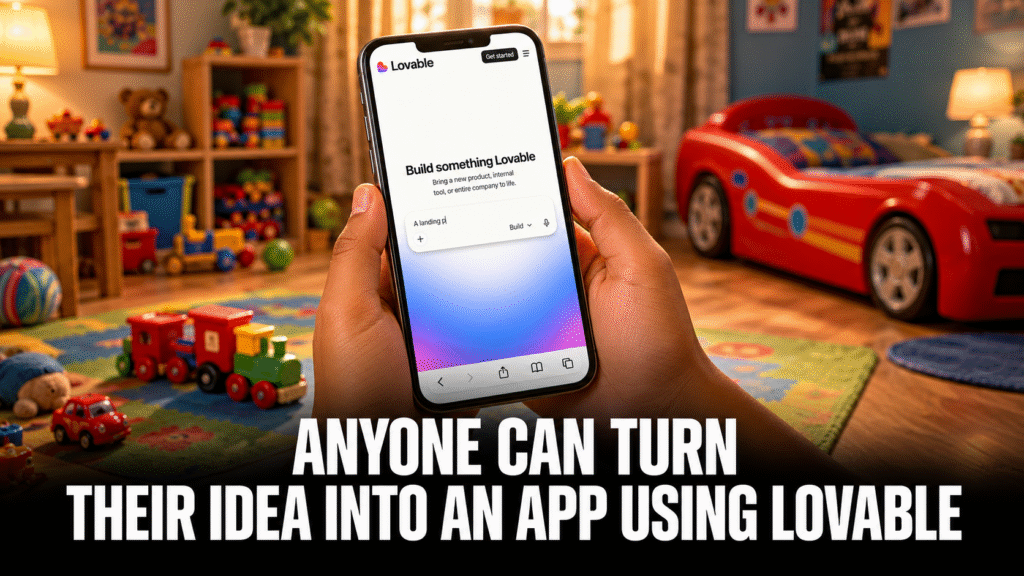
A sequence of sightings triggered the project. A large coyote paced outside a local elementary schoolyard during recess. A black bear dismantled a composite garbage shed on a Tuesday morning. These were isolated incidents, but the lack of communication turned them into neighborhood-wide panics. People received information days late through fragmented neighborhood message boards. Viyoohan analyzed the communication breakdown. He realized that existing social networks failed to provide a dedicated, geographic visualization of the sightings. He wanted a map. He wanted a button that residents could press to instantly log a sighting with a timestamp and a location pin. He conceptualized the Urban Wild Watch application. The problem was the execution. Traditional software development requires months of iterative design, backend database configuration, and frontend user interface coding. An eight-year-old does not have access to a venture-backed development team or the months required to learn JavaScript, React, and database management. He needed a shortcut. He needed a tool that could interpret his intent and generate the functional architecture automatically. The barrier to entry for software creation has historically been locked behind syntax. Viyoohan bypassed the syntax barrier entirely. He turned to an AI-driven development platform called Lovable, a tool designed to translate natural language prompts into functional code. He skipped the traditional learning curve and went straight to deployment.
Bypassing the Syntax: Choosing Lovable Over Traditional Code
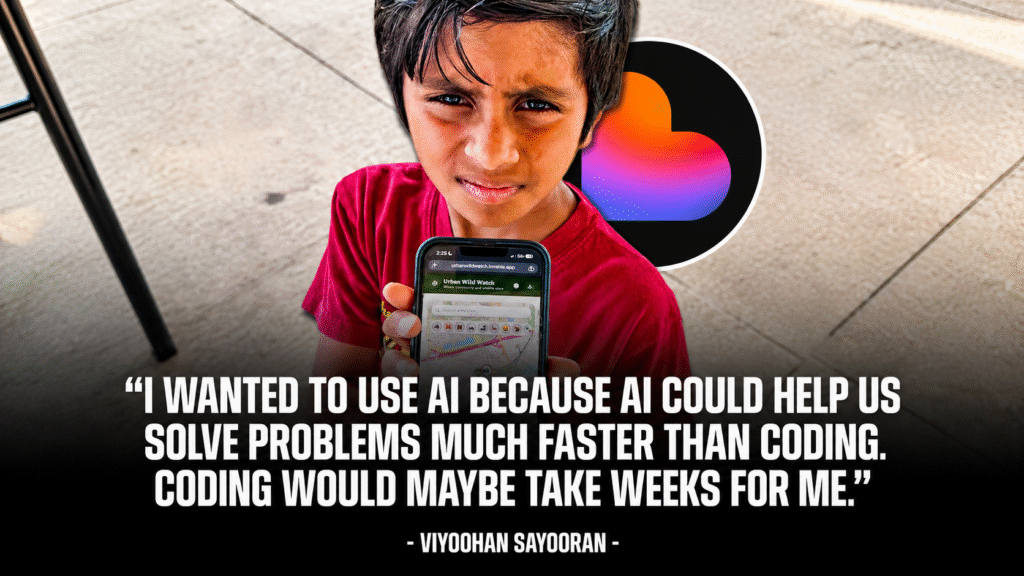
The decision to utilize artificial intelligence for the build was deliberate. Viyoohan articulated his reasoning with stark clarity. He stated that he wanted to use AI because AI could help us solve problems much faster than coding. Coding would maybe take weeks for him. This statement cuts to the core of the current technological shift. Writing code manually involves translating a conceptual goal into a rigid, highly specific language that machines can execute. Every missed bracket or misplaced semicolon breaks the entire system. Debugging takes hours. AI development platforms operate on a different mechanism. The user inputs a plain-language description of the desired application. The AI model parses the intent, selects the appropriate frameworks, writes the syntax, configures the database schema, and deploys the user interface. It handles the debugging internally. Viyoohan provided the structural parameters. He asked for a map interface. He requested a reporting button. He specified the need for a category selection menu featuring coyotes and bears. The AI executed the build. The mechanism removes the human from the syntax execution phase. It allows the human to operate strictly as an architect and a product manager. The speed of deployment fundamentally alters the feasibility of hyper-local civic tech. An individual can identify a community problem in the morning and deploy a functional solution by the afternoon. This acceleration compresses the traditional software lifecycle into a single session.
The Architecture of Urban Wild Watch
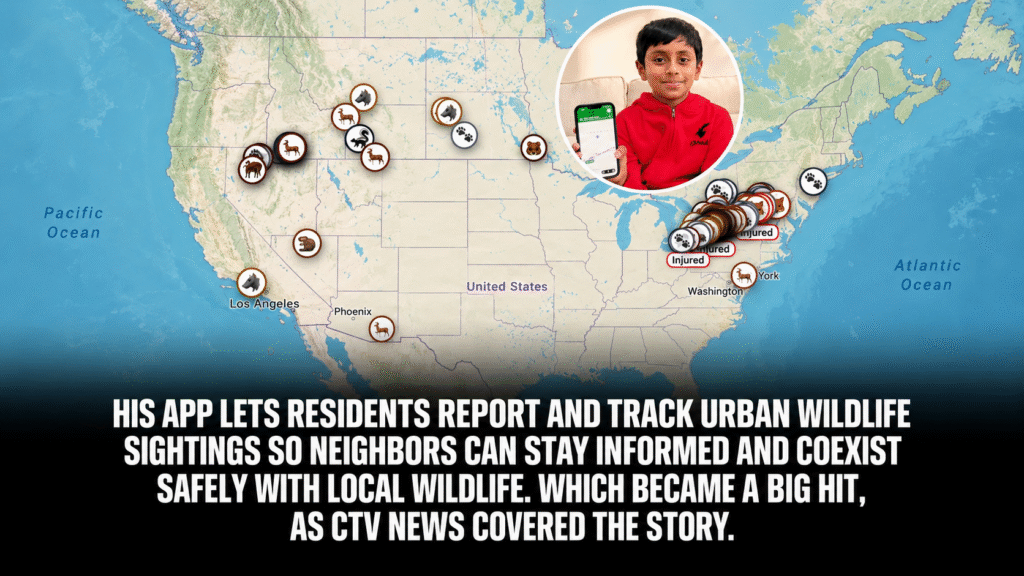
The functional architecture of the Urban Wild Watch application relies on a straightforward but robust data flow. When a resident spots a bear or a coyote, they open the web application on their mobile device. The interface presents a clean, uncluttered map of the surrounding Markham area. A prominent reporting button sits at the bottom of the screen. Tapping this button triggers a localization request. The application asks for permission to access the device coordinates. Once granted, the system drops a pin on the map at the exact location of the user. The user then selects the type of animal from a predefined list. They can add a brief description. They hit submit. The application sends this data packet to a cloud-based backend server. The server timestamps the report and updates the central database. The map immediately updates for every other user logged into the application. A red icon appears on the map, indicating a recent coyote sighting. A black icon indicates a bear. The icons fade over time, ensuring the map only displays relevant, recent data. This mechanism provides a real-time, crowdsourced visualization of urban wildlife movement. Residents checking the app before walking their dogs can see exactly where animals were spotted in the last few hours. The system relies entirely on user participation. The value of the application increases with every new report. The network effect took hold rapidly within the Markham community.
Neighborhood Deployment: The Network Effect Takes Hold
The deployment strategy was organic. Viyoohan shared the initial link with his immediate neighbors and his school community. The utility of the tool was self-evident. Parents dealing with the anxiety of recent bear sightings immediately adopted the application. They shared the link in private neighborhood messaging groups. The user base scaled exponentially over a single weekend. People began logging historical sightings, populating the map with historical data. The application transitioned from a prototype to a functional civic utility in a matter of days. The local media caught wind of the story. CTV News dispatched a crew to Markham to cover the deployment. When the headline broke that an 8-Year-Old Builds App With Lovable, the local tech ecosystem paused to examine the underlying mechanics of the deployment. The story highlighted the utility of the application while simultaneously highlighting the age of the developer. The media coverage amplified the application’s reach. Downloads spiked. The map became incredibly dense with data points. The municipal government took notice. The application provided a level of granular, real-time data that the city’s official reporting mechanisms could not match. Viyoohan built a tool that outperformed the existing municipal infrastructure. The success of the application validates the concept of decentralized civic technology. Citizens no longer need to wait for government action to solve immediate community problems. They can build the solutions themselves. The traditional barriers to software creation have collapsed. The only remaining barrier is the willingness to identify a problem and articulate a solution.
The Economics of Zero-Friction Software Creation
The traditional economics of software development dictate significant capital expenditure. A functional web application requires a frontend developer, a backend engineer, a user interface designer, and a product manager. Building an application like Urban Wild Watch from scratch would cost thousands of dollars and take months of dedicated labor. Viyoohan deployed the application for a fraction of that cost in a matter of hours. The AI platform handled the labor of an entire development team. This shift democratizes software creation. It removes the financial barrier to entry. The implications for the business world are profound. High-net-worth investors and venture capitalists traditionally gatekeep capital, funding only those ideas that promise massive scale and profitability. AI development platforms allow individuals to test hyper-local, low-revenue ideas without seeking external funding. The cost of failure drops to nearly zero. If the application fails to gain traction, the creator loses nothing but a few hours of time. This zero-friction environment encourages rapid iteration and innovation. Viyoohan proved that a highly specialized, community-focused tool can be built and deployed by a single individual. The concept of the minimum viable product changes entirely. The minimum viable product becomes the final product. The AI handles the scaling. The focus shifts entirely to the idea. The value lies in the identification of the problem and the design of the solution. The execution becomes a commodity. This restructuring of software economics will fundamentally alter how technology startups operate.
Shifting the Paradigm of Civic Engagement
Civic technology has traditionally suffered from sluggish implementation. Municipalities operate on strict procurement cycles and bureaucratic oversight. The process of commissioning a custom wildlife tracking application would involve months of proposals, budget approvals, and vendor selection. Viyoohan bypassed this entire process. He identified a gap in the city’s infrastructure and filled it himself. This model of decentralized civic engagement represents a significant shift in how citizens interact with their local governments. Instead of complaining about inadequate services, citizens can now build alternative services. The Urban Wild Watch application operates outside the purview of the local government. It relies entirely on crowdsourced data and community participation. This independence allows it to move at the speed of the internet, free from bureaucratic constraints. The city is now forced to reckon with a tool built by an eight-year-old that outperforms their official channels. This dynamic forces municipalities to adapt. They must either integrate these independent tools into their official systems or risk obsolescence. The barrier to civic participation has lowered. Citizens with ideas for improving local infrastructure can now execute those ideas independently. The power dynamic shifts from the institution to the individual. Viyoohan demonstrated that age and resources matter less than the ability to articulate a clear intent to an AI system. The application serves as a proof of concept for a new era of citizen-led infrastructure.
The End of the Developer Bottleneck
The technology industry has long suffered from a severe talent bottleneck. Skilled software engineers command massive salaries because the demand for custom software vastly outstrips the supply of people capable of writing code. AI development platforms fundamentally disrupt this bottleneck. They commoditize the act of writing code. The value of a software engineer traditionally lay in their ability to translate a human language request into a machine language instruction. AI models now perform this translation with high accuracy. The role of the engineer shifts from a code writer to a systems architect. They must learn to prompt the AI effectively, guiding the system to produce the desired outcome. The skillset changes. The focus moves from syntax memorization to logical problem decomposition. Viyoohan demonstrated this shift perfectly. He did not need to know how to write a database query. He simply needed to know that the application required a database to store the sighting reports. He communicated this requirement to the AI, and the AI executed the query generation. The developer bottleneck evaporates when the AI assumes the role of the code writer. Projects that previously sat in a development backlog for months can now be cleared in days. The pace of technological innovation will accelerate dramatically. Companies can deploy custom internal tools rapidly. Small businesses can afford custom software solutions. The entire landscape of digital infrastructure will expand.
Redefining the Age of Capability
Age has historically served as a strict gatekeeper to technological capability. An eight-year-old lacks the formal education, the motor skills, and the cognitive development required to write complex software code. They lack access to capital. They lack legal agency to sign enterprise software agreements. Viyoohan obliterated these constraints. He proved that capability now hinges entirely on conceptual clarity. An eight-year-old possesses the cognitive ability to identify a problem and visualize a solution. The AI platform provides the execution layer. The traditional prerequisites for software creation, years of schooling and professional experience, no longer apply. The demographic of software creators will expand dramatically. Children, elderly individuals, and non-technical professionals can now build functional tools. The barrier to entry drops from a specialized degree to a basic understanding of human language. This expansion of the creator base will lead to a proliferation of highly specialized, niche applications. Software will be built to solve problems that traditional tech companies ignore because the market is too small or too localized. The Urban Wild Watch application serves a single community. A traditional tech company would never build this tool because it lacks scalability. Viyoohan built it because it solved his immediate problem. The AI platform makes the economics of hyper-local software viable. The age of capability resets to zero. Anyone with an idea can execute it.
The Security and Privacy Calculus in Community Apps
Deploying a community-facing application introduces significant security and privacy considerations. The Urban Wild Watch application collects location data from its users. It tracks the exact coordinates where residents spot wildlife. In the wrong hands, this data could reveal patterns of movement or identify empty homes. Viyoohan, operating through an AI platform, accessed enterprise-grade security infrastructure without navigating the complex procurement processes typically required. The AI platform generates code that adheres to modern security protocols. It implements secure authentication methods and encrypts data in transit. The backend servers operate on highly secure cloud infrastructure. The AI handles the patching and maintenance of the underlying frameworks. This automated security layer protects independent developers from common vulnerabilities. It prevents a lone creator from accidentally exposing user data through a poorly configured database. The privacy calculus remains complex. Users must trust an application built by an eight-year-old. The transparency of the application’s purpose, tracking wildlife rather than tracking people, mitigates this concern. The application only requests location access when a user actively logs a sighting. It does not track background movement. This deliberate limitation on data collection builds trust within the community. The AI platform enforces these logical constraints based on the initial prompt. Viyoohan specified that the app needed a reporting button, not a continuous tracking system. The AI built exactly what was requested.
The Psychological Shift in Suburban Risk Management
Suburban environments cultivate a specific expectation of safety and predictability. Residents move to areas like Markham seeking manicured landscapes, controlled environments, and a buffer from the unpredictable elements of dense urban centers or untouched wilderness. The recent encroachment of coyotes and bears directly threatens this psychological contract. When a predator wanders into a cul-de-sac, it shatters the illusion of total control. The immediate human reaction is panic. The secondary reaction is a demand for information. People want to know if the threat is isolated or systemic. They want to know if it is moving toward their property or away from it. The Urban Wild Watch application directly addresses this psychological need for situational awareness. By providing a real-time map of sightings, it replaces fear with data. A resident checking the app sees a red pin two streets over. They know to keep their pets inside for the evening. The uncertainty dissipates. The application functions as a collective nervous system for the neighborhood. It transforms isolated incidents into a shared, manageable dataset. The psychological shift from passive anxiety to active monitoring empowers the residents. They regain a sense of agency over their environment. The technology does not remove the bears or the coyotes. It simply provides the community with the information required to coexist safely. This restoration of agency represents a profound psychological benefit. The tool bridges the gap between the wilderness and the subdivision, creating a functional interface where humans and animals can navigate the same physical space without fatal collisions.
The Mechanics of Prompt Engineering as a New Literacy
The mechanism by which Viyoohan built the application relies on a skill set known as prompt engineering. This practice involves structuring natural language instructions in a way that maximizes the output quality of an AI model. A vague prompt yields a vague application. A precise prompt yields a highly functional tool. Viyoohan demonstrated an intuitive grasp of this new literacy. He did not simply ask the AI to build an app. He specified the core features. He requested a map interface, a reporting mechanism, and specific categories for different animals. He defined the user flow. This structured thinking is the new foundational skill of the digital age. It replaces syntax memorization. The ability to break a complex problem down into discrete, logical steps becomes the primary driver of technological creation. Prompt engineering requires a deep understanding of the desired outcome. The creator must anticipate how the user will interact with the software. They must clearly communicate the constraints and the required functionalities to the AI. The AI executes the code, but the human provides the architecture. This dynamic elevates human thought above mechanical execution. The focus shifts entirely to systems design. The implication for education is massive. Schools no longer need to teach children how to write JavaScript. They need to teach children how to think logically and communicate precisely. Viyoohan’s success validates this educational pivot. He built a functional application without knowing a single line of code. He succeeded because he knew exactly what he wanted the application to do. He possessed the structural clarity required to guide the AI.
The Scalability of Hyper-Local Solutions
Traditional software development focuses on massive scalability. Venture capitalists fund applications designed to serve millions of users globally. The economics of traditional coding require large user bases to recoup the high development costs. AI development platforms alter this economic equation. The cost of building an application drops to near zero. This low cost makes hyper-local solutions financially viable. The Urban Wild Watch application serves a single community in Markham. It does not need to scale globally to be successful. It only needs to function effectively for the residents of that specific area. This viability opens the door to a massive proliferation of niche applications. Every neighborhood, every school, every local community group can build custom software tailored to their specific needs. A neighborhood watch group can build a custom security alert system. A local parent-teacher association can build a custom carpool coordinator. A community garden can build a custom watering schedule tracker. The software fits the exact needs of the community, with no unnecessary features or bloated interfaces. The AI builds exactly what is requested, nothing more. This specificity increases the utility of the software. The users adopt it rapidly because it solves their exact problem. The era of monolithic, one-size-fits-all software ends. The future belongs to highly fragmented, hyper-local digital tools. Viyoohan proved that an individual can serve a specific community with custom software. The scalability lies in the number of individuals building tools, not in the number of users for a single tool.
The Intersection of Youth, Technology, and Civic Duty
The intersection of youth, advanced technology, and civic duty creates a potent dynamic. Historically, children were expected to focus on their studies and leave the management of the community to the adults. The digital age erased this boundary. Viyoohan saw a problem affecting his peers and his family. He possessed a tool that allowed him to act. He did not wait for permission. He did not navigate the bureaucratic channels of local government. He simply built the solution. This proactive approach to civic duty demonstrates the changing nature of youth engagement. Young people are no longer passive consumers of technology. They are active creators. They use technology to shape their environment. The speed of AI development allows them to bypass the traditional gatekeepers of civic infrastructure. An eight-year-old built a tool that outperformed the local government’s communication system. This shift forces institutions to reconsider how they interact with young innovators. The traditional hierarchy of age and experience loses relevance in the face of technological capability. A child with an AI tool possesses the same power to deploy digital infrastructure as a city planner with a massive budget. The democratization of technology empowers the youngest members of society. It gives them a voice and a mechanism to enact change. Viyoohan’s application serves as a case study for youth-led civic innovation. It proves that age is no longer a barrier to technological deployment. The only requirement is the initiative to act.
Redefining the Software Development Lifecycle
The traditional software development lifecycle involves several distinct phases. Planning, design, development, testing, and deployment each require weeks or months of dedicated effort. The transition between phases involves complex handoffs between different teams of specialists. AI development platforms compress this lifecycle into a single, continuous loop. The planning phase consists of the initial prompt. The design and development phases occur simultaneously as the AI generates the code. The testing phase occurs in real-time as the user interacts with the generated application. The deployment phase happens instantly on the platform’s cloud infrastructure. Viyoohan completed the entire lifecycle in an afternoon. This compression fundamentally alters the pace of innovation. The ability to iterate rapidly allows creators to test multiple variations of an application in a short period. If a feature does not work, the creator simply modifies the prompt and regenerates the application. The AI handles the tedious work of rewriting the code. This rapid iteration cycle leads to highly refined final products. The traditional friction points of software development, the miscommunications between designers and engineers, the delays in deployment, vanish entirely. The creator maintains complete control over the entire process. They act as the planner, the designer, the engineer, and the tester simultaneously. The AI serves as a highly efficient execution engine. This streamlined lifecycle makes software creation accessible to anyone with an idea. The bottleneck of human coordination disappears. The pace of digital evolution accelerates exponentially.
The Role of Artificial Intelligence in Democratizing Access
Artificial intelligence often faces scrutiny regarding its potential to concentrate power and wealth. Critics argue that the companies controlling the largest AI models will dominate the future economy. The story of Viyoohan and his Urban Wild Watch application provides a counter-narrative. AI democratizes access to powerful capabilities. It levels the playing field. An eight-year-old child in Canada now possesses the same technological capability as a massive software corporation. The AI provides the infrastructure. It provides the knowledge. It provides the execution. The user provides the intent. This dynamic distributes power outward. It allows individuals to bypass massive corporations and build their own solutions. The open availability of AI development platforms ensures that technological creation is not limited to those with access to elite education or venture capital. Anyone with a computer and an internet connection can participate. This broad participation will lead to a more diverse and resilient digital ecosystem. The solutions built by individuals will reflect the specific needs of their communities, rather than the profit motives of a centralized corporation. Viyoohan built an application to track coyotes and bears. A corporation would never prioritize this specific problem. AI empowers individuals to address the niche problems that matter to them. This localized problem-solving represents the true promise of artificial intelligence. The technology serves the individual, not the institution.
The Evolution of Community Data Collection
The mechanism of community data collection has evolved dramatically. Historically, local governments relied on phone hotlines and physical bulletin boards to gather information about neighborhood issues. This data was slow to collect, difficult to aggregate, and nearly impossible to visualize. The advent of social media improved the speed of communication, but it introduced a different problem. Social media platforms are chaotic. Information gets buried in a stream of unrelated content. The signal-to-noise ratio is extremely low. The Urban Wild Watch application solves this problem by providing a dedicated, single-purpose platform for data collection. The application does exactly one thing. It logs wildlife sightings. It strips away the noise. The data collected is structured, timestamped, and geolocated. This structured data is highly valuable. It allows the community to identify patterns in wildlife movement. They can see which corridors the animals are using to enter the subdivision. They can identify the times of day when sightings are most frequent. This analytical capability transforms raw data into actionable intelligence. The residents can use this intelligence to make informed decisions about their behavior. They can avoid certain parks at dusk. They can secure their garbage bins on specific nights. The application turns the community into a distributed network of sensors. Every user with a smartphone becomes a data collection point. This crowdsourced approach to data collection scales infinitely. The more people use the application, the more accurate and valuable the dataset becomes.
The Future Trajectory of Prompt-Driven Platforms
The success of the Urban Wild Watch application provides a clear glimpse into the future trajectory of prompt-driven development platforms. These tools will continue to evolve. The AI models will become more sophisticated. They will be able to handle increasingly complex requests. They will generate code that is more efficient, more secure, and more scalable. The user interfaces of these platforms will become more intuitive. The need for structured prompt engineering will diminish as the AI becomes better at understanding natural, conversational language. The barrier to entry will drop even further. The platforms will integrate seamlessly with other digital services. A creator will be able to ask the AI to connect their application to a weather API or a traffic data feed with a single sentence. The AI will handle the complex authentication and data parsing automatically. This interconnectedness will allow creators to build highly sophisticated, data-rich applications without writing a single line of integration code. The platforms will also offer robust hosting and scaling solutions. The creator will not need to worry about server capacity or database management. The AI platform will handle the infrastructure automatically. The entire burden of technical execution will shift from the human to the machine. The human will focus entirely on the creative and strategic aspects of application development. This shift will unleash a wave of unprecedented digital innovation. The tools will become invisible. The ideas will become the sole currency of the digital realm.
The Implication for Traditional Tech Education
The traditional model of technology education faces a profound disruption. Universities and coding bootcamps currently focus on teaching students how to write code in various programming languages. They teach syntax, data structures, and algorithmic logic. This curriculum made sense when the demand for human coders outstripped the supply. AI development platforms threaten the relevance of this model. If an AI can write code faster and more accurately than a human, the value of learning to write code diminishes significantly. The focus of technology education must pivot. It must shift away from syntax memorization and toward systems thinking. Students need to learn how to identify complex problems. They need to learn how to decompose those problems into discrete logical steps. They need to learn how to communicate those steps clearly to an AI system. The new curriculum should focus on prompt engineering, data analysis, and user experience design. The goal is to produce students who can think critically and creatively. The technical execution will be handled by the AI. The human must provide the vision and the direction. This educational pivot will be difficult. It requires a complete restructuring of the existing computer science curriculum. It requires educators to accept that the traditional definition of a software engineer is becoming obsolete. The students who thrive in this new environment will be those who can think conceptually and communicate effectively. The pure technicians will be replaced by the machines.
The Permanence of AI-Assisted Problem Solving
The story of an eight-year-old building a civic application will fade from the news cycle. The specific issue of coyote and bear sightings in Markham will eventually stabilize as winter sets in. The underlying shift in how software is created will endure. The Urban Wild Watch application represents a permanent break in the historical continuum of software development. The tools used to build corporate infrastructure, financial platforms, and global social networks are now accessible to anyone with a browser. The implication stretches far beyond civic tech. A child built a functional utility in an afternoon. That same child, or any individual, can now build tools for finance, logistics, or healthcare. The constraint is no longer technical. The constraint is purely intellectual. The ability to identify a precise problem and articulate a clear, logical solution becomes the sole metric of value. Execution becomes a utility. The platforms that provide this execution layer, like Lovable, will become the new infrastructure giants. They will provide the scaffolding upon which the next generation of digital architecture is built. The democratization of code fundamentally alters the balance of power. The future of technology will be defined by the clarity of human intent, not the scarcity of technical skill.
FAQ
How does an 8-year-old build an app with Lovable?
The child uses natural language prompts to instruct the AI platform. They describe the desired features, the map interface, and the reporting mechanisms. The AI generates the functional code and deploys the application without the child needing to write syntax manually.
What is the Urban Wild Watch app used for?
The application allows residents in the Markham and GTA area to report and track real-time sightings of coyotes and bears. It provides a map-based interface where users can log encounters with timestamps and locations to help neighbors stay informed.
Why did the child choose AI over traditional coding?
The child recognized that traditional coding would take weeks to learn and execute. Artificial intelligence accelerates the process, allowing the user to build a functional application in hours by translating plain language instructions into complex software architecture.
How does AI development change the software industry?
AI platforms remove the technical bottleneck of writing code. They allow non-technical individuals to act as architects and product managers. The platforms handle the syntax, security, and infrastructure, which drastically lowers the cost and time required to deploy new software.
Is it safe to use apps built by AI platforms?
Yes, reputable AI development platforms generate code that adheres to modern security protocols. They implement secure authentication and encrypt data in transit. The safety of the application depends on the logical constraints defined by the creator in the initial prompt.